



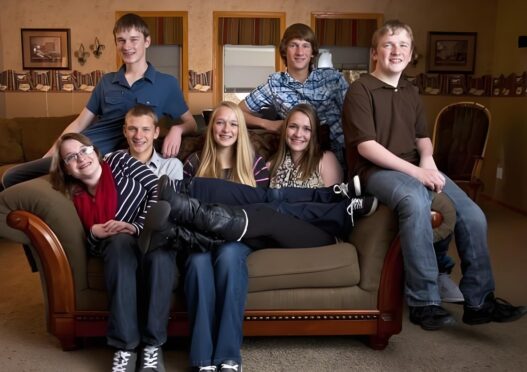
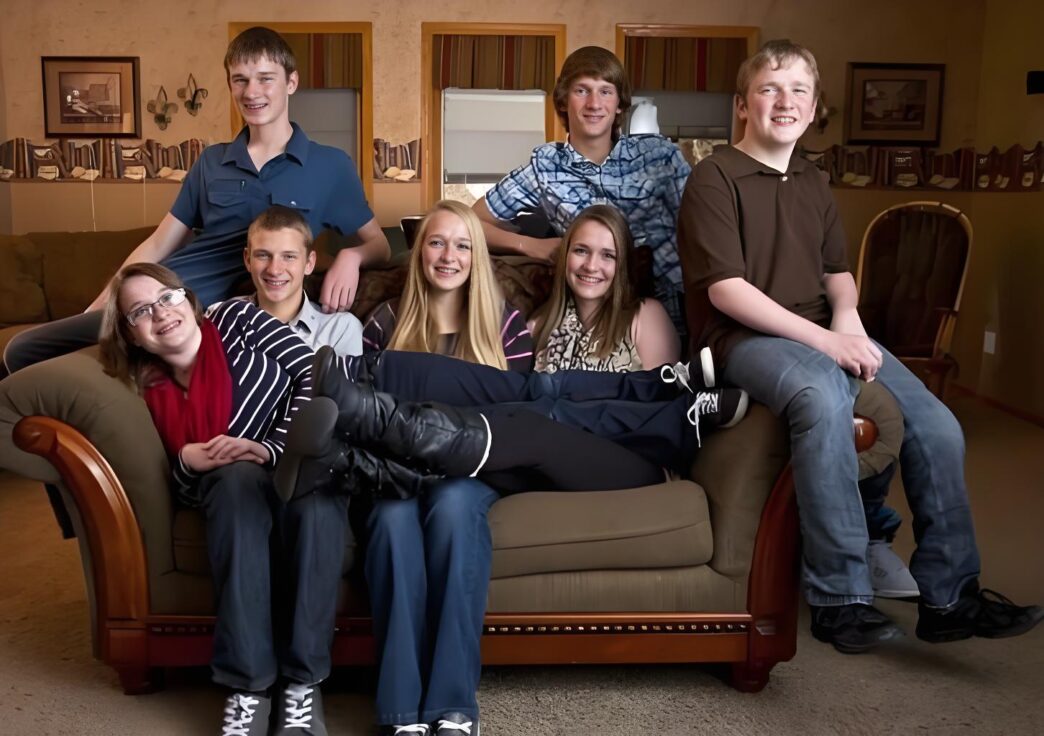
In Des Moines, Iowa, the McCaughey family recently marked a milestone that once captivated the nation: the 28th birthday of their seven children — the first septuplets in history in which all babies survived infancy. The story of how seven fragile newborns beat the odds, and how the family raised them into adulthood, remains a dramatic, instructive chapter in modern neonatal care and family resilience.
An unexpected pregnancy after fertility struggles
The McCaughey story began with a medical challenge. Mrs. McCaughey suffered from a pituitary gland disorder that left her unable to produce the hormones needed to trigger normal ovulation.
After their first daughter, the couple wanted another child but had difficulty conceiving. They turned to fertility treatment using ovulation-stimulating medications. 
In 1997, following treatment, the unexpected occurred: a single pregnancy that contained seven embryos. Ultrasound images left doctors astonished — this was an extreme case of medication-driven multiple ovulation, far beyond the two-to-four embryos most clinicians anticipated.
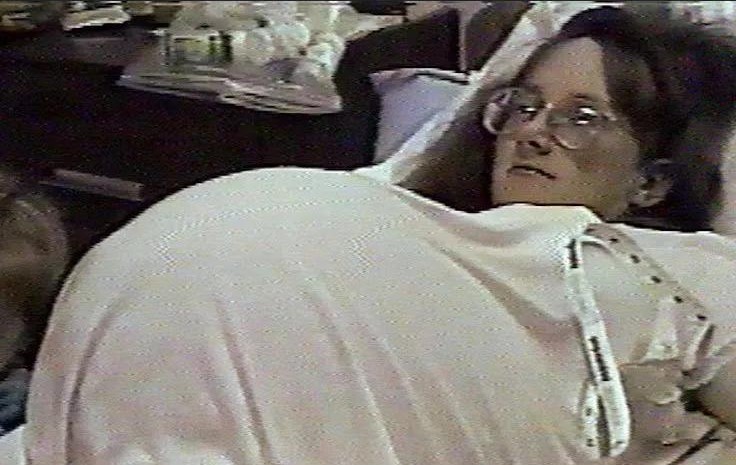
Physicians expressed serious concern about the health risks of carrying so many fetuses and strongly recommended selective reduction to reduce the number of embryos and the associated dangers of high-order multiple pregnancy.
But the McCaugheys declined. Guided by deep religious conviction, they publicly stated their belief that every embryo was a child and a gift they should accept.
“Every child is a gift from God — whether one or seven — we accept them,” the couple said, adding they understood they would become a very large family.
Early arrival and a frantic delivery
The septuplets arrived prematurely on November 19, 1997, nine weeks ahead of schedule. Mrs. McCaughey underwent an emergency cesarean section.
Seven infants were born in quick succession over roughly half an hour, each separated by about six minutes. Birth weights averaged between 1.2 and 1.4 kilograms — far below full-term newborn weight. All required immediate respiratory support: every baby went on mechanical ventilation and battled severe jaundice.

Two of the infants, Nathan and Alexis, suffered intracranial hemorrhages in the first days after birth, leaving their early prognosis especially uncertain.
Intensive care: the first 72 hours and beyond
Hospital staff mobilized an extraordinary effort. The facility set up a dedicated neonatal intensive care unit for the seven babies, each placed in its own incubator and continuously monitored by separate teams prepared to resuscitate at a moment’s notice.
In the critical first 72 hours, doctors warned the parents to be mentally prepared for the possibility of losing one or more children. Those were the darkest hours — yet the babies made it through that “danger window.” After more than three months in intensive neonatal care, the infants gradually improved and were discharged in stages during February and March of 1998. Against steep odds, all seven survived.
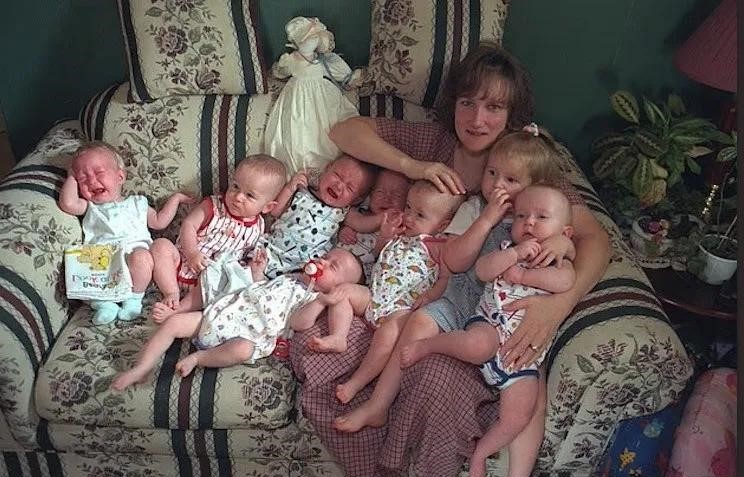
Their full discharge created nationwide attention; the event was hailed as a medical milestone and became front-page news, talk show material, and a focus of both admiration and controversy.
Fame, generous donations, and national spotlight
The McCaugheys unexpectedly became national figures in an era before social media virality. Public fascination translated into substantial material support and media invitations:
- The family received a donated 511-square-meter house, a van, and large quantities of baby supplies that would support the children for years.
- The septuplets appeared in magazines and advertisements and received sponsored trips — including visits to Disney.
- They were featured on major television programs, notably The Oprah Winfrey Show, which brought the family into millions of American homes.
In a notable act of support, Hannibal–LaGrange University offered the children free college tuition.
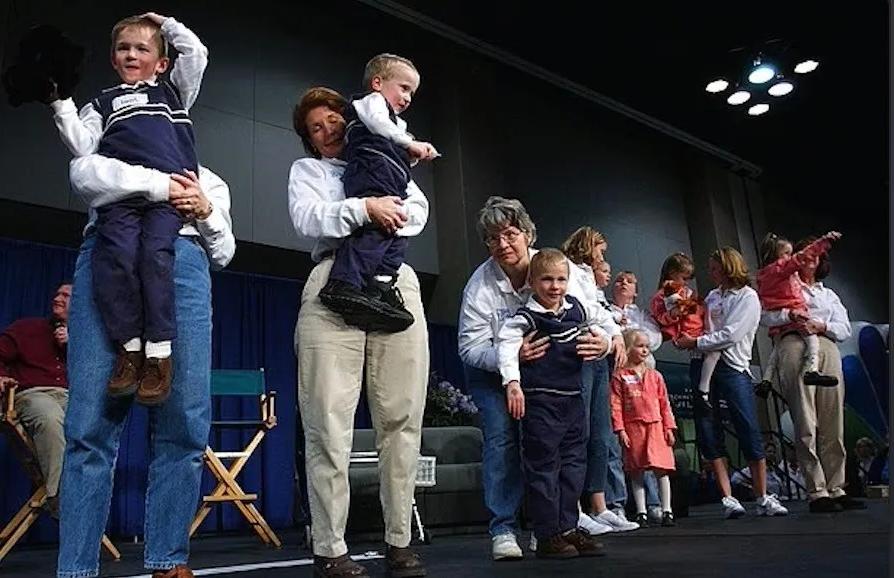
Presidential attention followed: then-President Bill Clinton phoned to express his concern and interest, and George W. Bush later met the family.
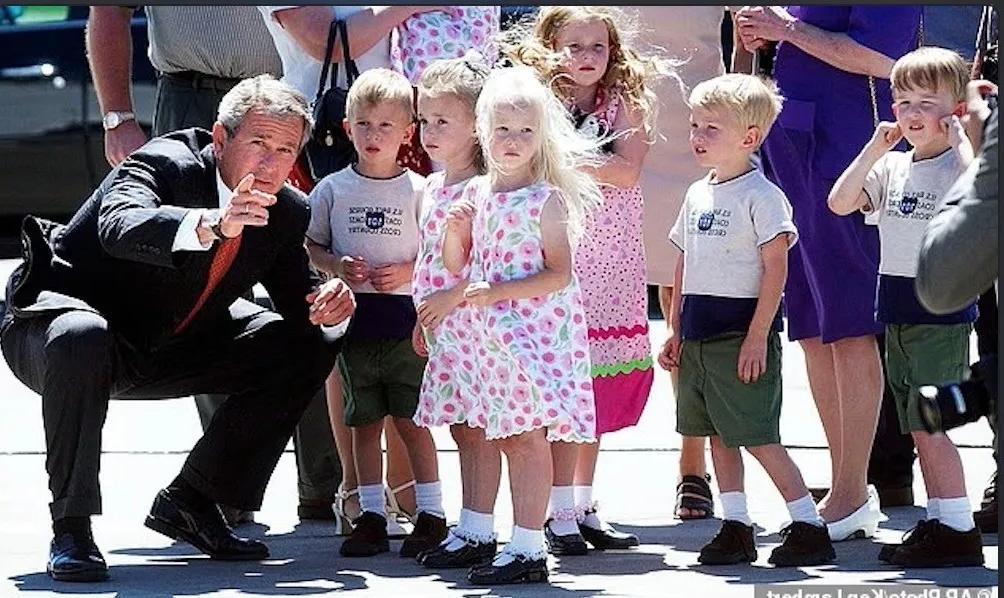
Parenting philosophy: no handouts, only hard work and values
Despite the nationwide attention and the inflow of donations, the McCaugheys emphasized self-reliance. The parents insisted the children learn the value of work and responsibility rather than rely on celebrity or handouts.

Over the years the family retreated from the spotlight, preferring steady, ordinary lives to fame-driven paths.
Where Are They Now? The McCaughey Septuplets as Adults
As they reached adulthood, the seven siblings spread across the United States and took up steady roles — many living quietly, working, and forming their own families.
Kenny Jr. — Carpenter, husband, and father
Kenny Jr., the eldest, became a carpenter. He married in 2022 and is a father to one healthy son.

Alexis — Childcare teacher living with family
Alexis works as a childcare teacher and still lives with her parents. Because of the neonatal brain bleed she experienced at birth, Alexis has cerebral palsy, but she manages a largely independent life and holds steady employment.
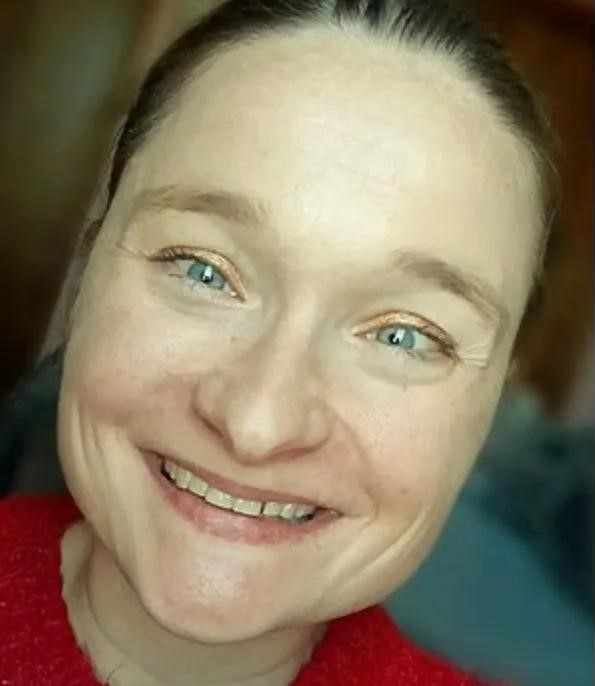
Natalie — University coach, married with a child
Natalie now works as a college coach, is married, and has a child.
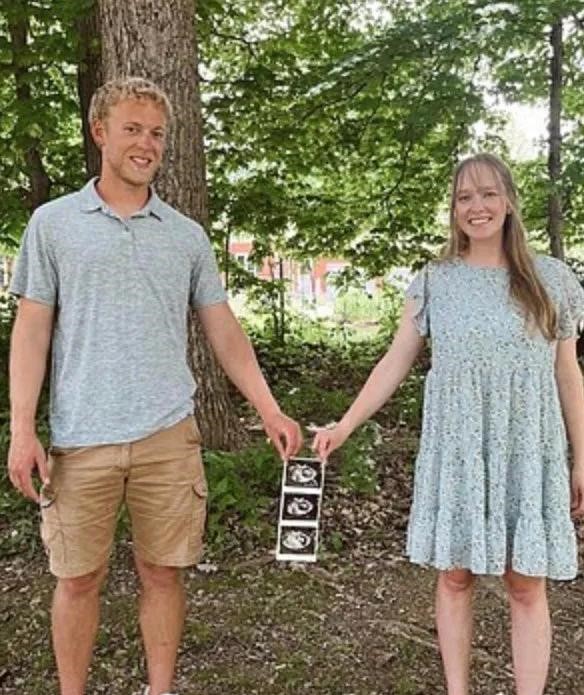
Kelsey — Medical office receptionist, adoptive parent
Kelsey is employed as a medical office receptionist in Missouri. She is married and, together with her husband, adopted a child.
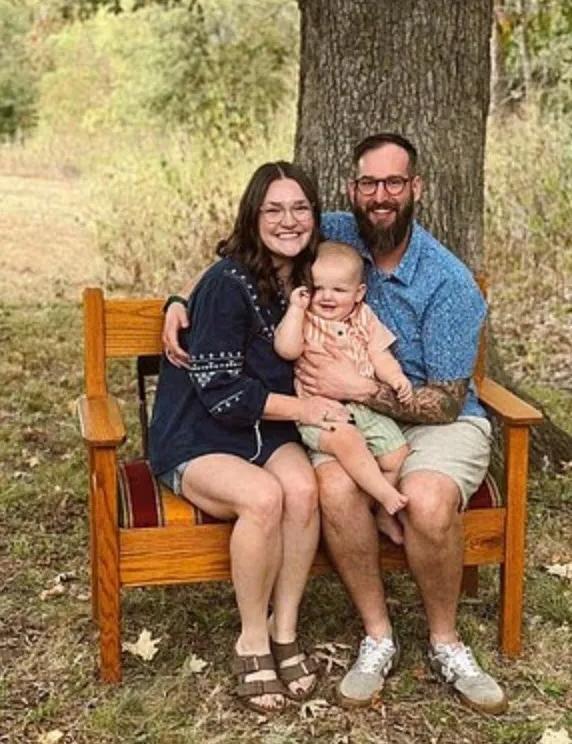
Brandon — Military service member and father
Brandon serves in the United States military in South Carolina. He is married and has two sons.
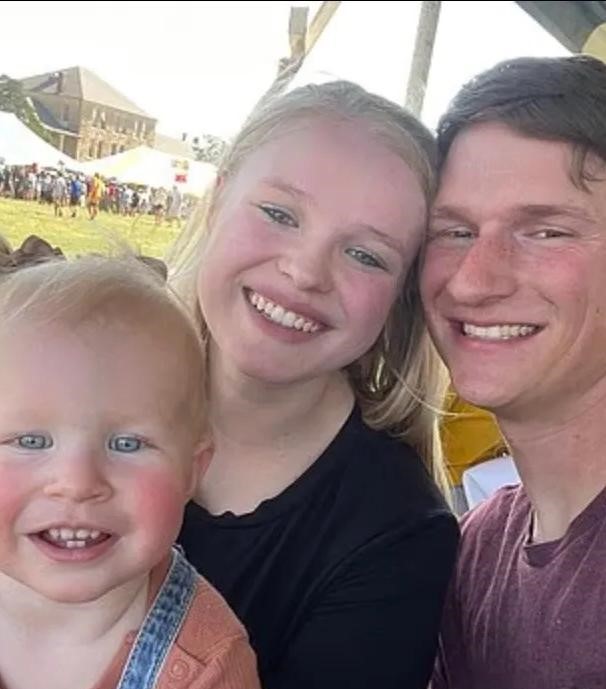
Nathan — Technician with independent living
Nathan works as a technician in Iowa. Like Alexis, Nathan experienced a brain bleed at birth and lives with the residual effects of cerebral palsy, yet he is able to live independently.

Joel — IT network analyst, lives with parents
Joel, the youngest, works in IT as a network analyst in Iowa and currently lives with his parents.

Broader Impact: Medicine, ethics, and subsequent multiple-birth cases
The McCaughey septuplets’ survival helped focus attention on neonatal care for extremely premature infants and accelerated conversations about the ethics and risks of fertility treatments that produce high-order multiple pregnancies.
Other notable multi-birth stories followed:
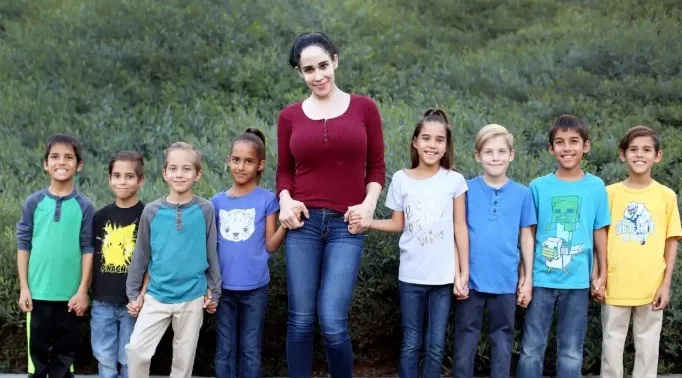
- In 2009, Nadya Suleman gave birth to surviving octuplets.
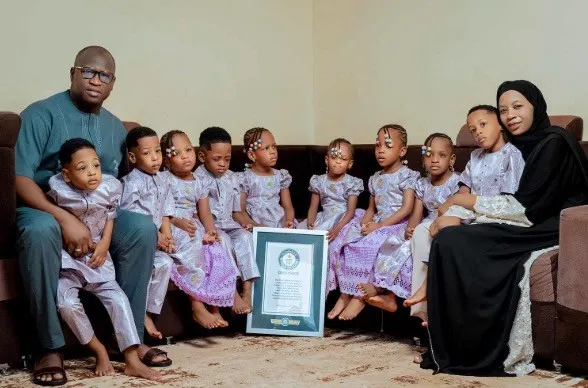
- In 2021, Malian mother Halima Cissé delivered nine babies who all survived.
- In 2024, media reported a South African mother delivered ten babies, all surviving (not yet verified by Guinness World Records).
A Model, Not a Template
The McCaughey septuplets’ story illustrates how medical care, parental devotion, and perseverance can combine to achieve extraordinary outcomes, while also highlighting the challenges inherent in high-order multiple births.
Closing: From Fragility to Quiet Strength
From incubators and lifesaving ventilators to carpentry shops, classrooms, medical offices, military service, and family homes — the McCaughey septuplets’ arc is a human-scale miracle. Their lives demonstrate how dedication, resilience, and proper care can rewrite the odds.