




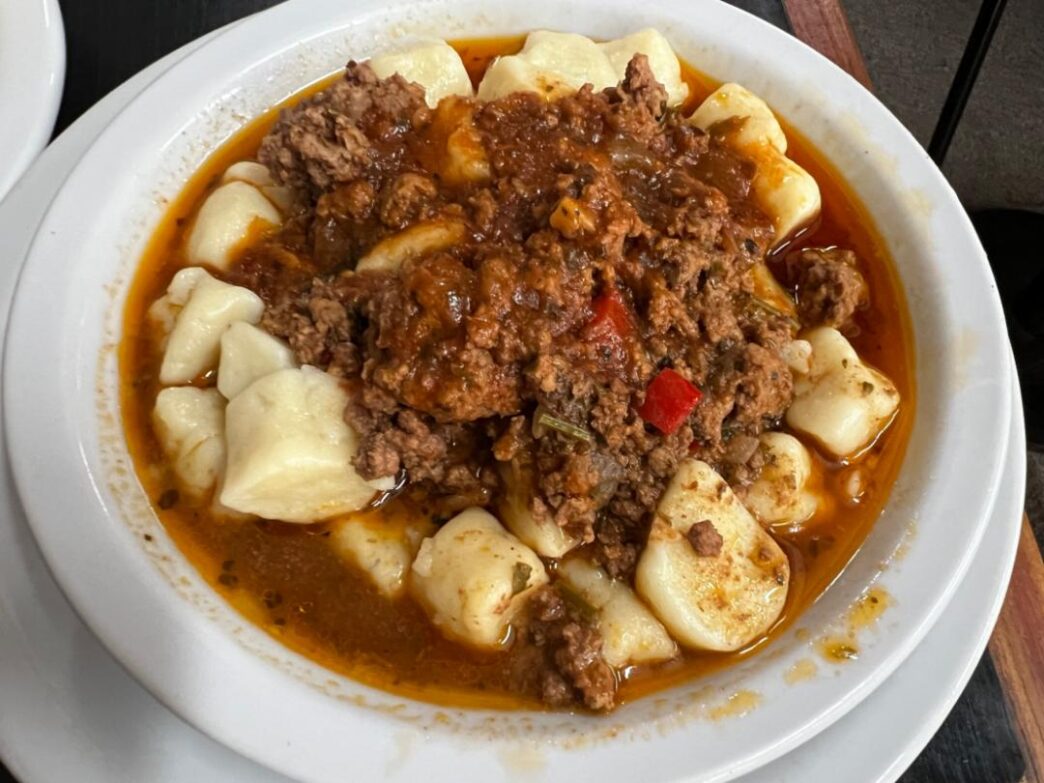
The legendary Argentine asado had been calling my name for years. That magical combination of grass-fed beef, glowing charcoal, and South American passion created a food fantasy I needed to experience. So I landed in Buenos Aires with one mission: to discover what makes this barbecue tradition so extraordinary. Forget everything you think you know about steak – this was a journey into the heart of Argentina’s culinary soul, where every sizzle tells a story and every bite reveals a national obsession.
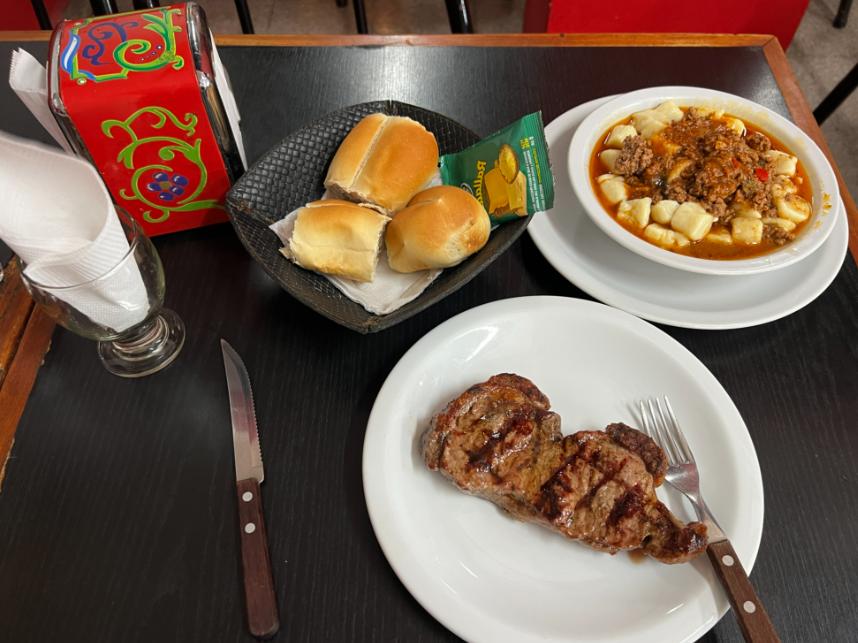
The First Rule of Argentine Asado: Quality Is Everything
Finding the Real Deal in Buenos Aires
In Argentina’s capital, you don’t find asado – it finds you. Simply look for signs reading “Parrilla” or “Asado” on neighborhood corners. These aren’t fancy restaurants with elaborate menus; they’re temples of meat where the quality speaks for itself. The atmosphere is pure anticipation – the scent of smoldering wood, the sound of fat hitting coals, and the sight of locals gathering for what feels more like a celebration than just a meal.
Why Argentine Beef Is Unlike Any Other
The secret behind incredible Argentine asado begins in the vast Pampas grasslands. Here, cattle roam freely, grazing on natural pastures that create meat with exceptional flavor and texture. Unlike heavily marbled Japanese wagyu, Argentine beef is leaner, more substantial, and packed with that distinctive “beefy” character that only comes from grass-fed animals. 
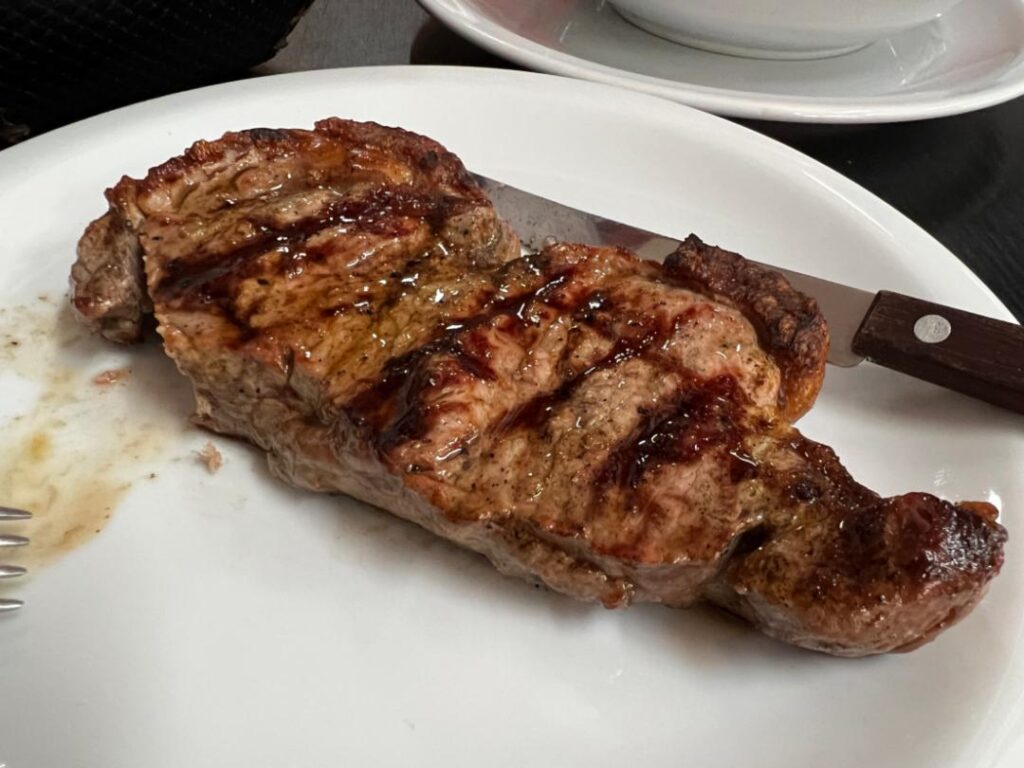
What surprised me most? Every cut I tried – from the juiciest to the simplest – was consistently tender. The meat has a perfect balance: not overly fatty yet never dry, with fibers that offer satisfying resistance without being tough. When pressed with a fork, it yields like a plump cushion, promising flavor in every bite.
Navigating the Asado Experience Like a Local
Understanding the Essential Cuts
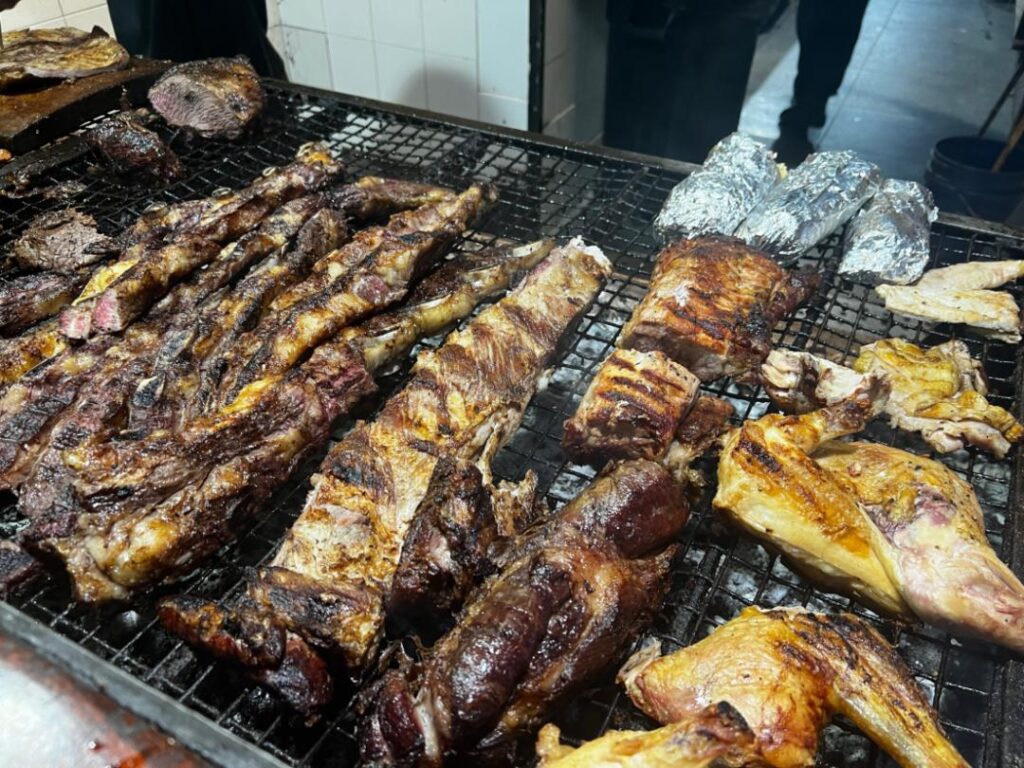
Walking into my first asado parrilla, the variety overwhelmed me. The Spanish names danced before my eyes: bife de chorizo (sirloin), ojo de bife (ribeye), vacío (flank steak), asado de tira (short ribs), matambre (flank steak roll). After observing the regulars, I discovered the true classics:
- Bife de Chorizo: Thick, juicy sirloin steaks that puff up proudly over the coals
- Asado de Tira: Cross-cut short ribs that cover the entire grill in a glorious meaty mosaic
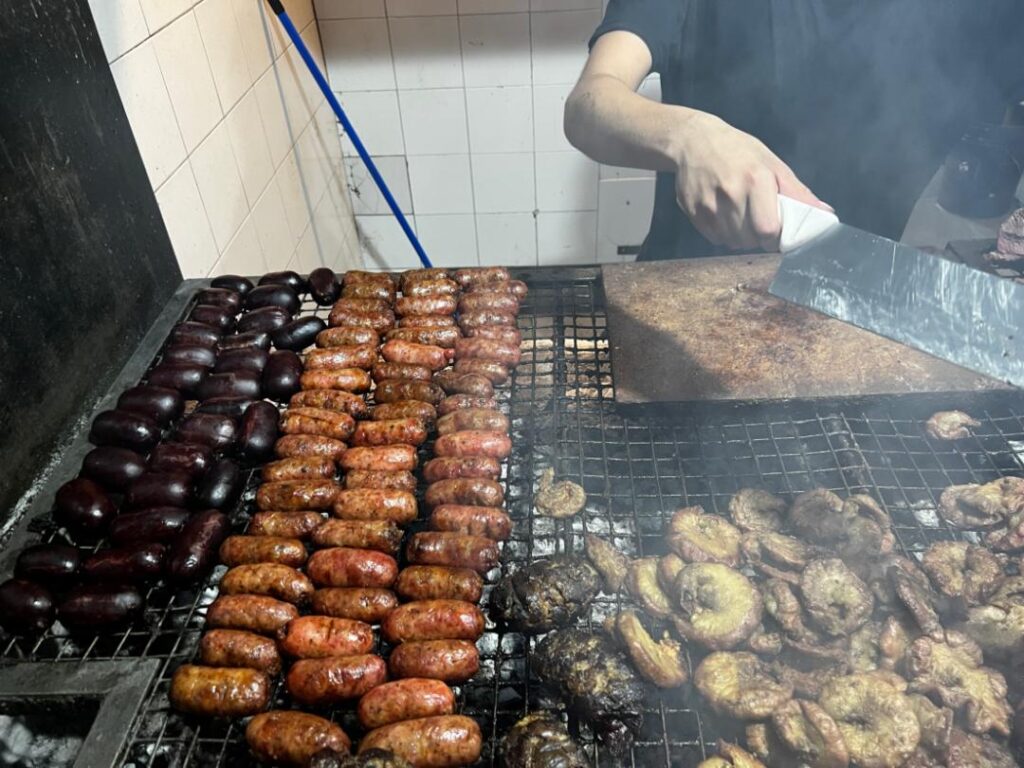
The spectacle is unforgettable. These massive cuts sizzle and crackle as their fat drips onto the hot coals, creating aromatic smoke that infuses the meat with that signature smoky flavor. The sound alone – that constant pssss-tsss of fat meeting fire – is pure culinary music.
Unexpected Delights Beyond Beef
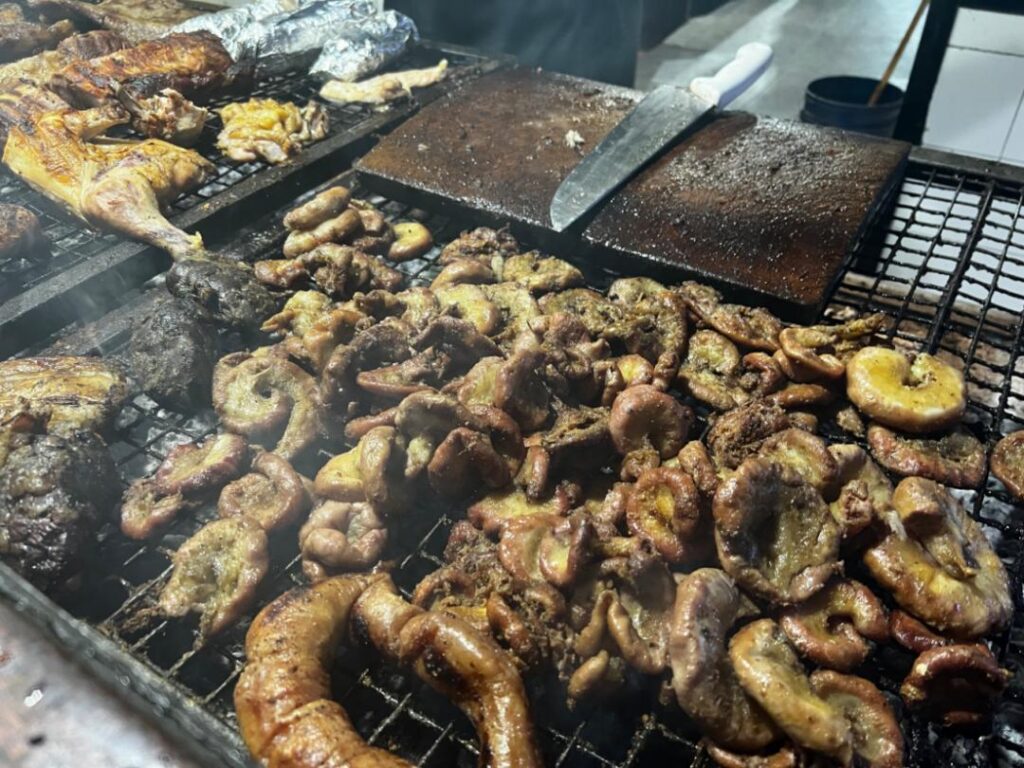
Even 12,000 miles from China, I discovered familiar favorites. Argentine asado includes riñones (kidneys), grilled until crispy on the outside while remaining tender inside. While they lack the cumin seasoning I’m used to, their simple preparation highlights the organ meat’s natural richness.
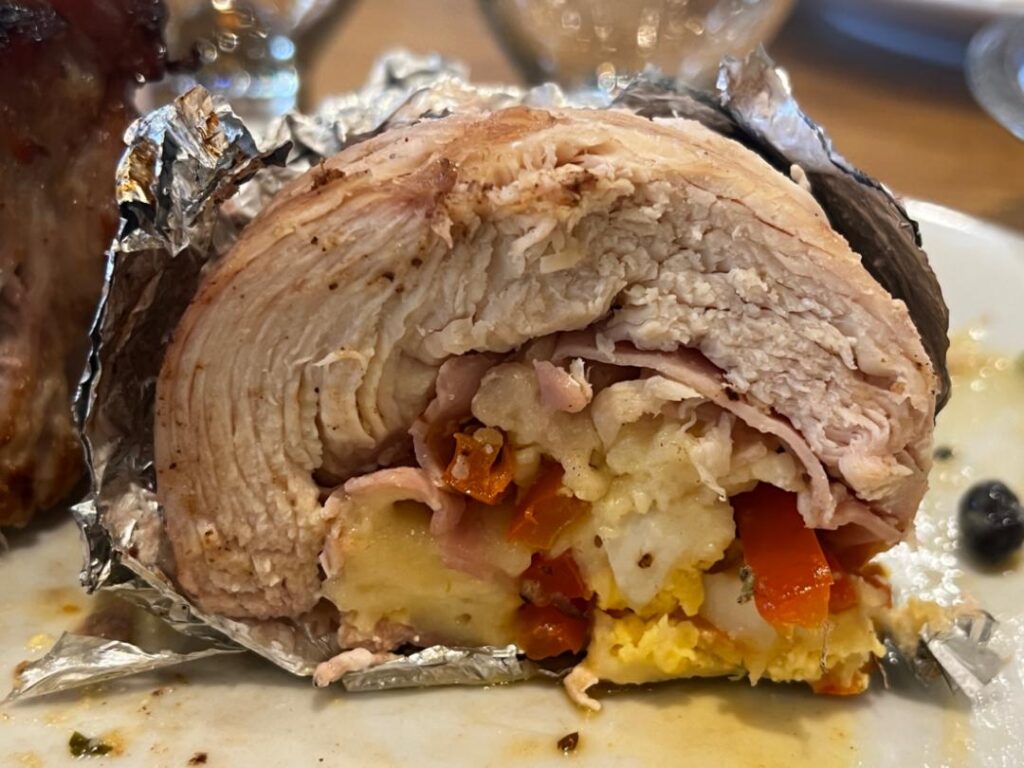
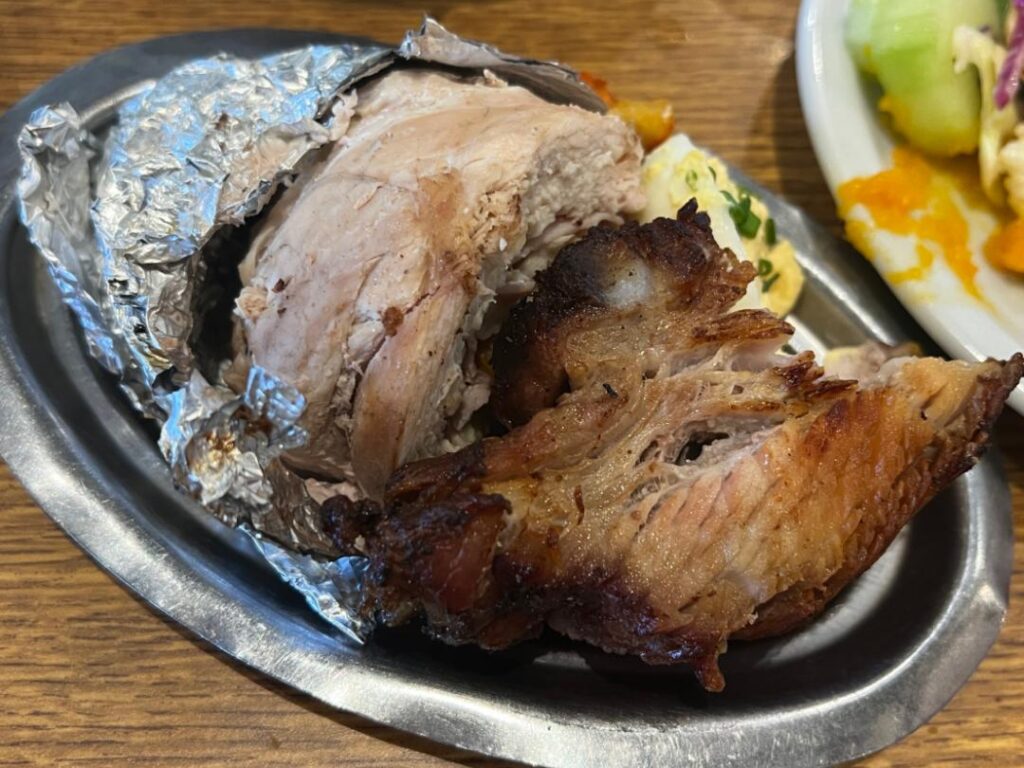
The real showstopper? Matambre relleno – a stuffed flank steak roll that looks modest wrapped in foil but reveals layer upon layer of chicken, bacon, peppers, eggs, and cheese when sliced open. It’s a savory treasure hunt in meat form, though I quickly learned to pace myself – the meaty abundance here demands strategic eating!
The Art of Argentine Asado Seasoning
Chimichurri: The Sauce That Makes Everything Better
Argentine asado celebrates meat’s natural flavor, so seasoning is minimal. Each table typically has just coarse salt. The real magic happens with chimichurri, the vibrant green sauce that accompanies every asado.
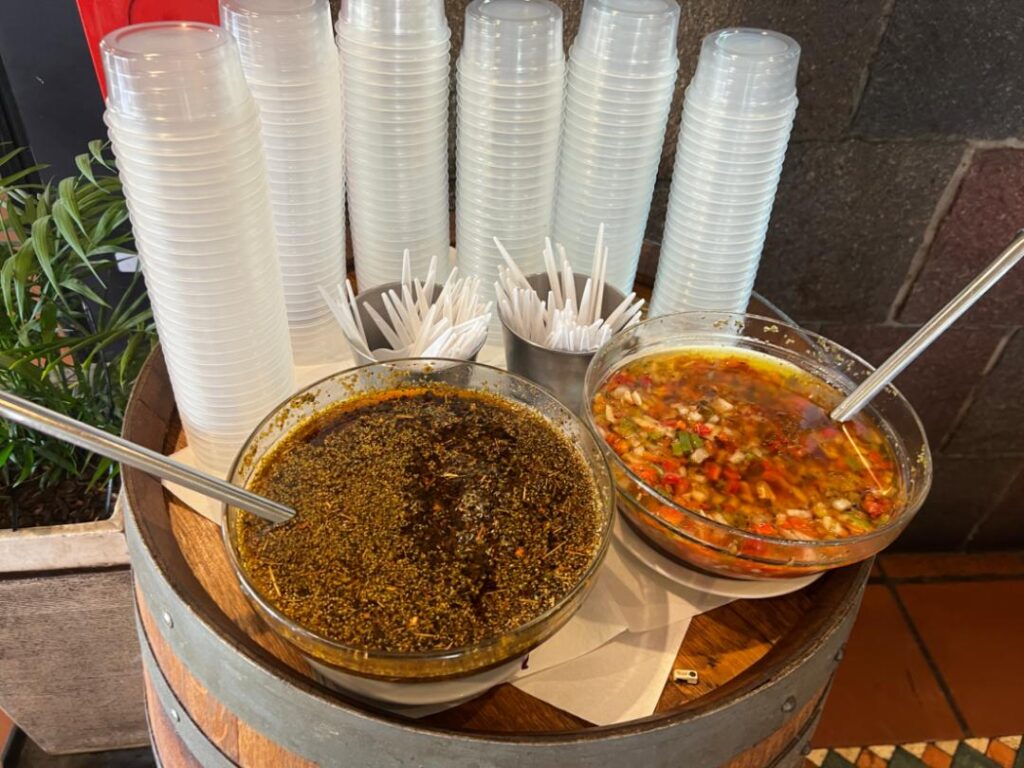
Made from finely chopped parsley, garlic, oregano, chili flakes, vinegar, and olive oil, chimichurri adds brightness without overpowering the meat. Its herbal, tangy profile cuts through the richness, creating perfect harmony with each savory bite. Watching locals drizzle it generously over their steak convinced me – this isn’t just a sauce; it’s an essential part of the asado experience.
Regional Variations and Simple Alternatives
Some parrillas offer their own creations: olive oil infused with local herbs, or roasted pepper sauces. While delicious, I found myself missing the dry spice blends of Asian barbecue – proof that even perfection leaves room for personal preference!
Beyond the Meat: The Complete Asado Experience
Essential Side Dishes
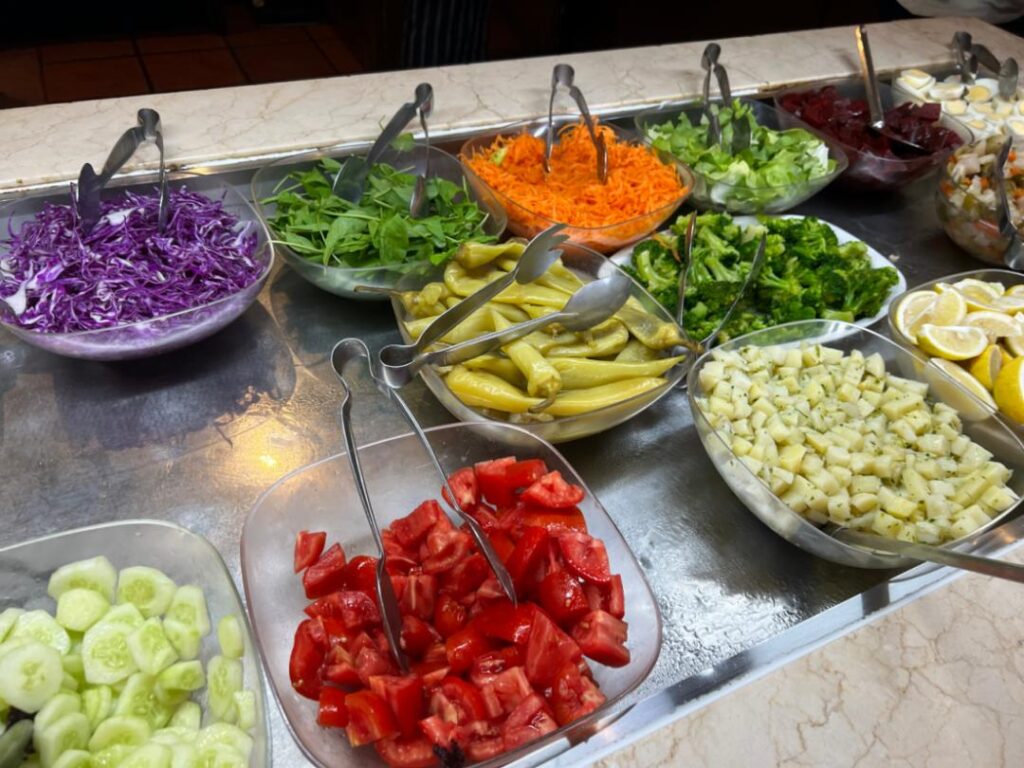
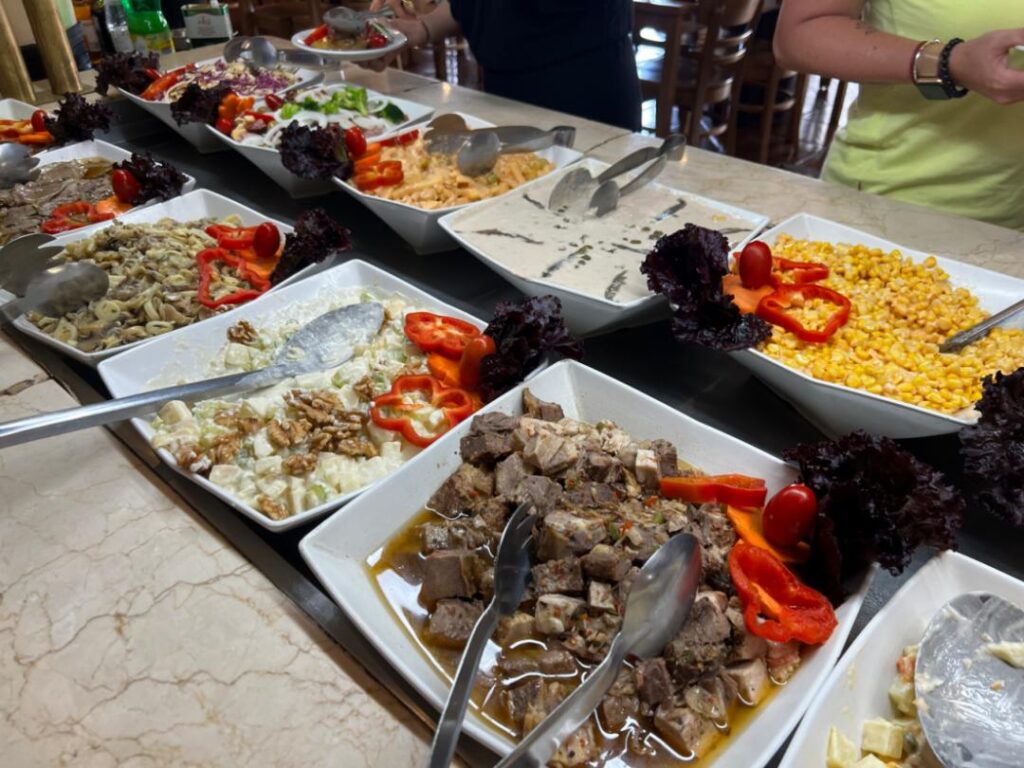
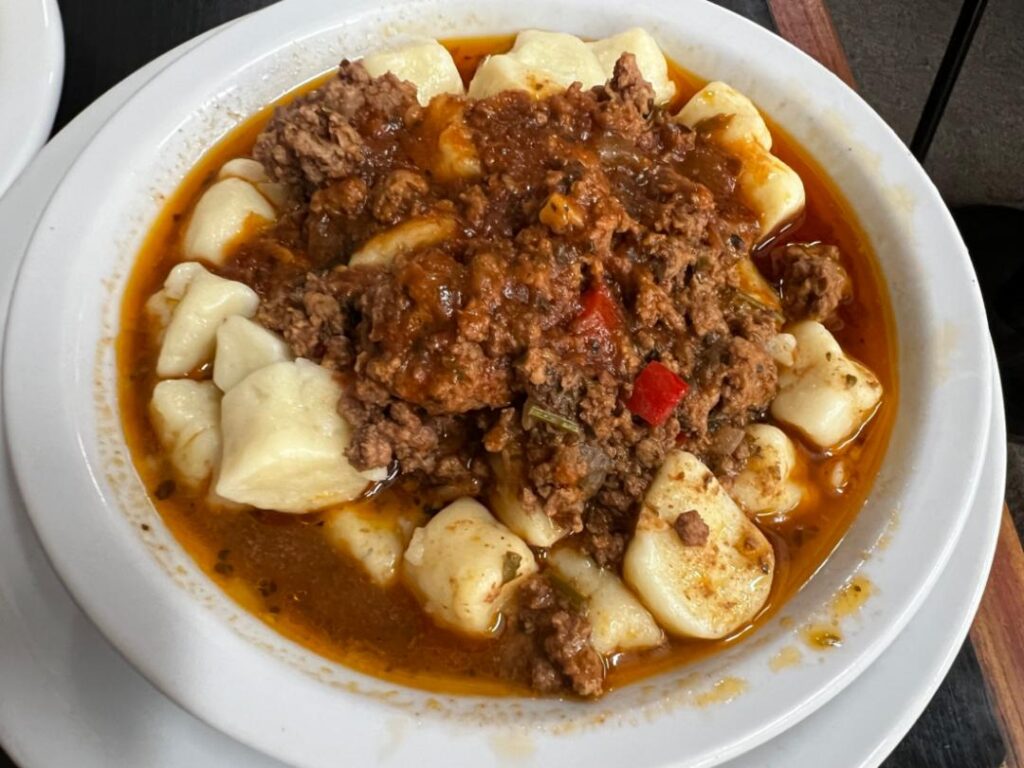
Thinking Argentine asado is just meat would be a serious mistake! The sides are stars in their own right:
- Ensalada Mixta: Fresh greens with tomatoes, onions, and olives
- Provoleta: Grilled provolone cheese that arrives bubbling and golden
- Papas Fritas: Perfectly crispy fries that somehow taste better here
- Morrones Asados: Roasted red peppers in olive oil
- Empanadas: The classic South American turnovers, often filled with meat
Each side offers refreshing contrast to the rich meats, ensuring your palate stays engaged through the entire feast.
The Social Heart of Asado
My biggest revelation wasn’t about food – it was about time. Argentine asado isn’t a quick meal; it’s a social event that unfolds over hours. Families gather around long tables, sharing food, stories, and Malbec wine from Mendoza. The pace is leisurely, the mood celebratory. No one rushed; instead, they savored each moment as much as each bite.
I never saw anyone dance tango (despite the stereotype), but I did witness genuine joy in shared experience. Maybe Argentina doesn’t have the saying “nothing solves problems like a barbecue,” but the spirit is certainly there. Surrounded by laughter and incredible food, I felt my own shoulders relax, my smile widen, and my appreciation deepen for this beautiful tradition.
Bringing the Asado Spirit Home
True Argentine asado is more than technique – it’s an approach to food and life. It’s about quality ingredients treated with respect, shared with loved ones, and enjoyed without rush. While you might not have Pampas grass-fed beef or a traditional parrilla grill, you can embrace the philosophy: choose the best meat you can find, season it simply, cook it with care, and share it generously.
My Buenos Aires asado adventure taught me that sometimes the most extraordinary culinary experiences come from the simplest principles. So light your grill, gather your friends, and raise a glass to good meat and great company – the Argentine way.