






A Dolphin’s Perspective
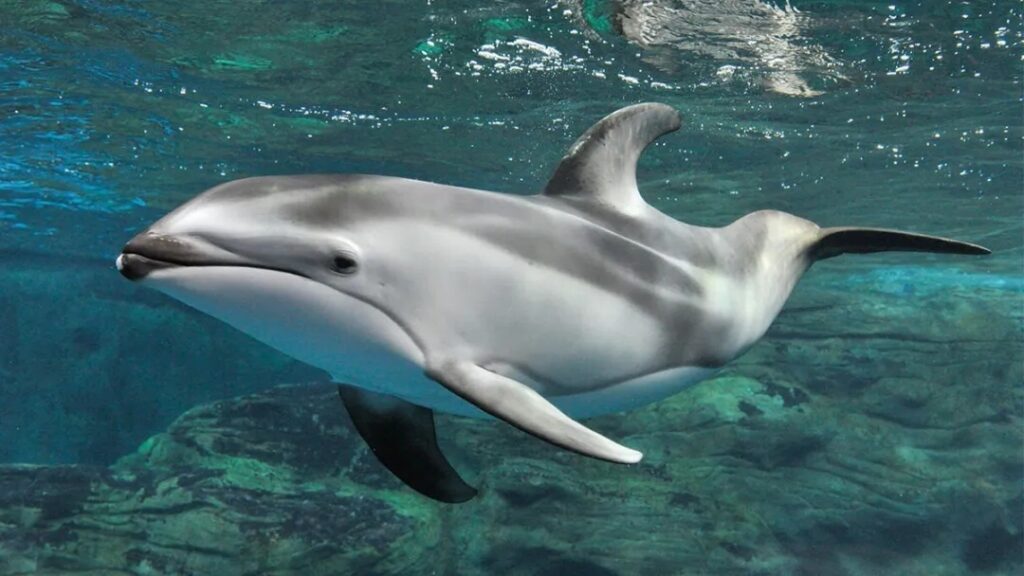
Imagine being a Pacific white-sided dolphin, one of the smartest creatures in the ocean. Recently, you have set your sights on the largest salmon in the Pacific Ocean — the Chinook salmon.
The fish is massive and delicious, but as a dolphin, you are not equipped to tear apart prey of this size. So how do you solve this problem? The answer is simple: you team up with killer whales.
The Killer Whale Populations
In the Northeast Pacific, three distinct populations of killer whales exist, each with unique appearances, habitats, and diets. They share one trait: they are apex predators. 
Transient killer whales prefer hunting marine mammals such as sea lions, seals, dolphins, and large whales. Offshore killer whales are rarer and favor fish, including sharks. Resident killer whales, however, almost exclusively feed on adult Chinook salmon.
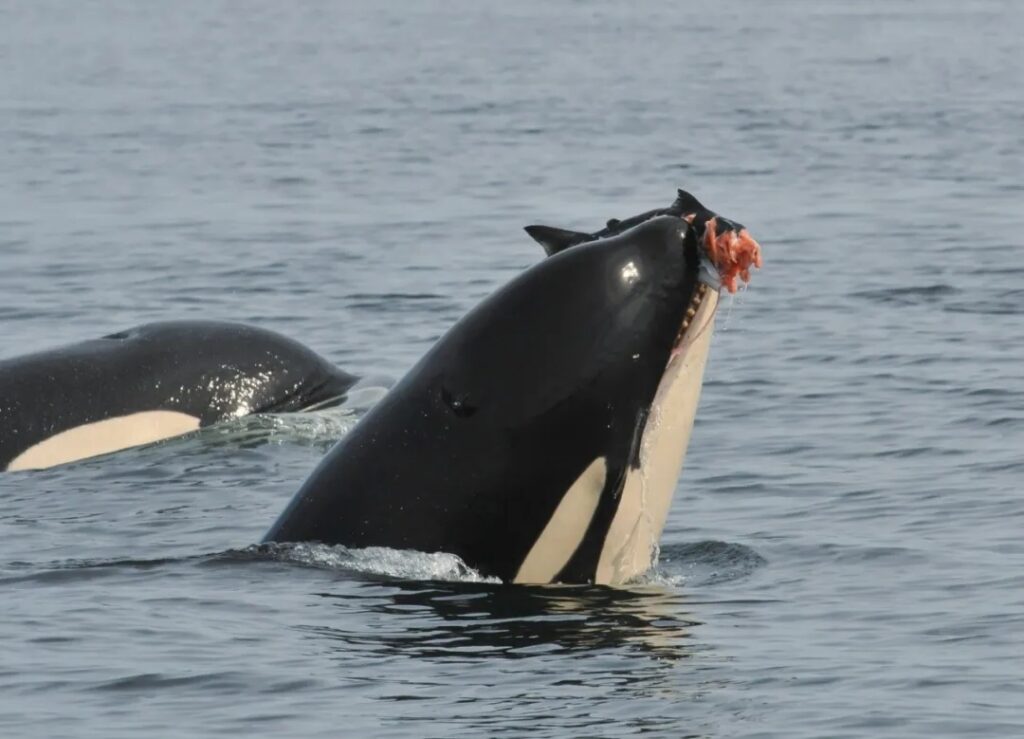
These resident killer whales are experts in hunting salmon and have become the dolphins’ allies.
Observing Cooperation
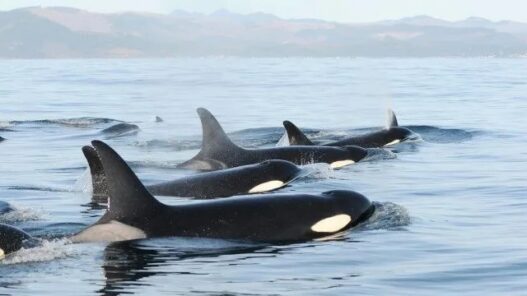
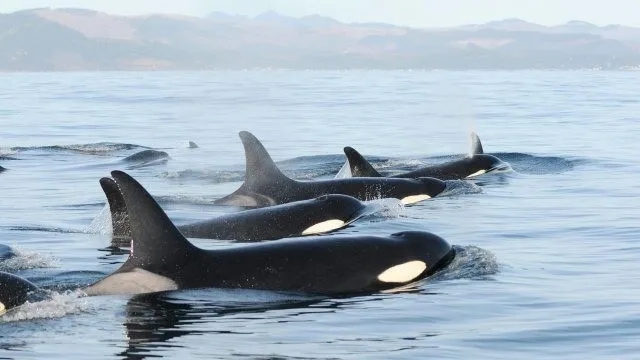
In August 2020, scientists tracked nine resident killer whales off the coast of British Columbia and noticed that they often interacted with Pacific white-sided dolphins. Sometimes, dolphins would circle nearby when whales caught salmon, occasionally snatching leftover pieces of fish.
Initially, scientists assumed the dolphins were stealing food. Surprisingly, the killer whales tolerated the dolphins’ behavior. Drones and underwater footage showed no signs of aggression, such as tail slaps or biting. This indicated that the whales had accepted the dolphins’ presence.
Shared Swimming and Teamwork
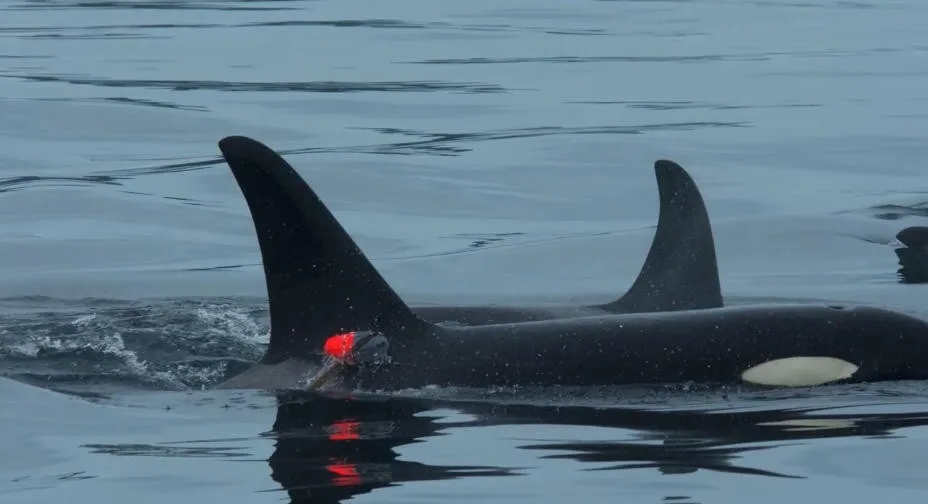
Whales never moved away from dolphins. Instead, they often swam alongside them and mimicked their diving patterns. To better understand their interactions, scientists attached suction-cup tracking devices with cameras and acoustic recorders to the killer whales. Drones also followed the groups from above.
Dolphins as Scouts
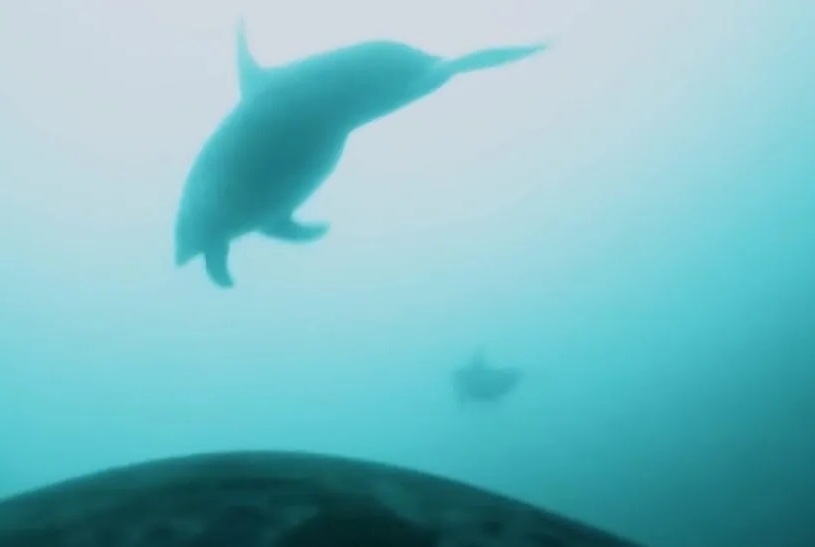
The tracking revealed that dolphins acted as scouts, locating salmon and guiding the killer whales. The whales then executed the final attack. Underwater recordings showed both species using echolocation clicks to locate prey.
Interestingly, dolphins and whales did not vocalize simultaneously. Dolphins called first, then whales responded, allowing each to receive the other’s echolocation signals. This cooperation greatly improved hunting efficiency.
Sharing the Catch
After a successful hunt, leftover fish fragments from the killer whales’ mouths became the dolphins’ “payment.” Scientists documented twenty-five instances of whales following dolphins during hunts. While dolphins did not always receive a share, this was their only opportunity to eat Chinook salmon. Every dolphin actively engaged in cooperation.
Mutual Benefits
Through collaboration, killer whales saved energy and increased their chances of capturing large salmon. Dolphins gained protection from predators and access to one of the ocean’s most valuable fish. In food-scarce conditions, this teamwork became especially important. More participants searching for food increased everyone’s success, creating a mutually beneficial system.
Social Bonding
Scientists also observed Pacific white-sided dolphins, resident killer whales, and Dall’s porpoises swimming together and playing. Unlike transient killer whales, which hunt dolphins, resident killer whales are gentle, allowing dolphins to live more safely while “assisting” in hunting.
The Wonder of Nature
The exact motivations for dolphin assistance may involve multiple factors. Regardless, the collaboration between these species highlights the astonishing intelligence and cooperative behavior in the ocean. Observing such teamwork reminds us how intricate and remarkable natural ecosystems truly are.