








Rare but Deadly Threat
In many developed countries, thanks to effective vaccination programs and animal control policies, rabies has become relatively rare.
However, rare does not mean extinct. Rabies can still pose a lethal risk in unexpected ways, as illustrated by a recent case reported by the Centers for Disease Control and Prevention (CDC).
The Kidney Transplant
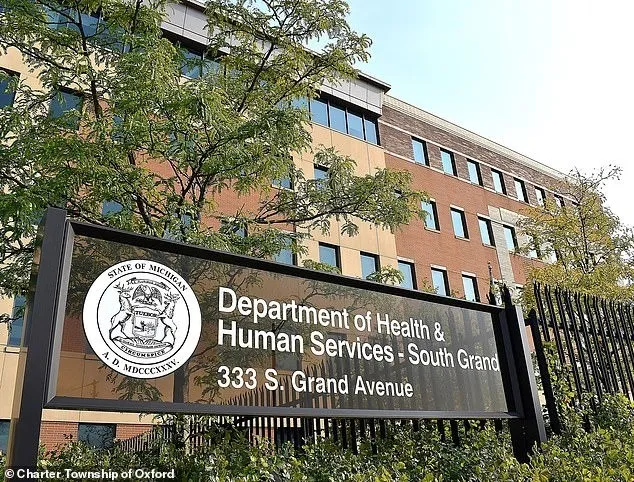
In December 2024, a patient in Michigan underwent a kidney transplant at a hospital in Ohio. 

Five weeks post-surgery, the patient developed tremors, weakness in the lower limbs, confusion, and urinary incontinence. Days later, fever, difficulty swallowing, and hydrophobia appeared—classic rabies symptoms.
Despite immediate medical attention, the patient died a week later.
The Mystery of Infection
The family confirmed the patient had never been in contact with animals. So how did the rabies virus appear?
Investigators reviewed the donor’s medical records. The donor had noted a recent scratch from a skunk during a risk assessment.

How the Donor Got Infected
In October 2024, the donor brought a kitten to his countryside home. A wild skunk suddenly appeared and attacked the kitten.
The donor tried to protect the kitten, struggling with the skunk. His calf was scratched and bled. At the time, he didn’t suspect rabies and didn’t seek medical attention.
Weeks later, he began showing hallucinations, confusion, difficulty swallowing and walking, and neck stiffness. One day, he collapsed at home. Despite resuscitation attempts, he was declared brain-dead.
In line with his wishes, the donor’s organs, including a kidney, were donated.
Tracing the Rabies Source
Authorities retested the donor’s samples. Surprisingly, blood tests were negative for rabies. However, kidney tissue tested positive for a rabies strain matching the silver-haired bat virus.
While the reason for the differing results remains unclear, the chain of infection was identified: a rabid bat infected the skunk, the skunk infected the donor, and the donor’s kidney transmitted the virus to the recipient.
A Rare but Known Risk
This was the fourth case of organ-transmitted rabies in the U.S. since 1978. Thirteen patients received organs from these four infected donors. Six survived after treatment; seven who did not receive treatment died.
Authorities stated that such cases could be prevented with pre-donation rabies testing. However, with tens of thousands of organ transplants annually in the U.S. and the rarity and complexity of rabies testing, the virus is not routinely screened. Donor self-reporting remains the primary method, leaving room for rare but deadly oversights.
Other Organ Recipients
The same donor’s corneas were transplanted into three patients. Authorities promptly removed the corneas and administered preventive measures. None developed symptoms.
A hospital spokesperson reassured the public: this is an extremely rare event, and overall risk remains very low.
Public Reactions
Reddit users and online commenters expressed anger. One wrote:
“I encountered rabies exposure last year and had to fight for treatment. Doctors ignored me initially. Rabies is 100% fatal without vaccination. This case shows how dangerous medical oversight can be.”
Another said:
“A person died because the donor’s symptoms should have disqualified him. The hospital had multiple opportunities to prevent this. Meanwhile, three patients had to undergo invasive procedures to prevent infection.”
Conclusion
While rare, rabies remains a life-threatening virus. Even with medical safeguards, small oversights can have fatal consequences. Awareness, vigilance, and careful donor screening are essential to prevent tragedies like this from recurring.