






A Heartbreaking Emergency in Busan
On the morning of December 15, in Busan, South Korea, a 10-year-old girl suddenly fell seriously ill. She urgently needed hospital treatment, but shockingly, twelve hospitals turned her away. The delay pushed her to the brink of death with cardiac arrest before she was finally saved.
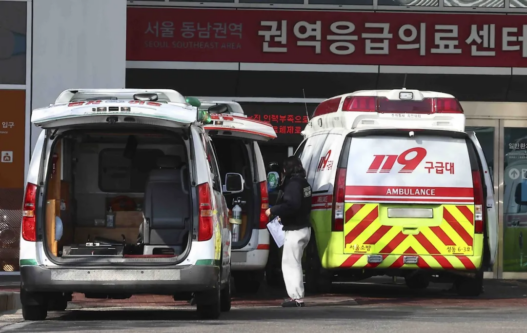
The girl was initially at a children’s clinic in the Sasang District of Busan receiving treatment for cold symptoms. During her visit, she suddenly showed signs of decreased consciousness. Emergency responders arrived within 11 minutes, deploying an ambulance and urgently contacting nearby hospitals.
Multiple Rejections from Hospitals
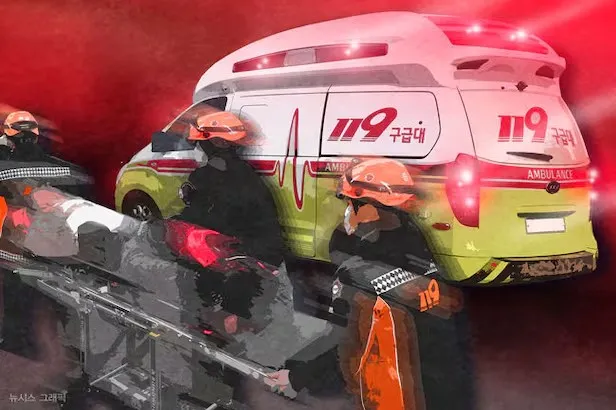
Despite contacting twelve hospitals, none agreed to admit her. Every hospital cited a lack of available beds as the reason for refusal. Eventually, a secondary hospital accepted her, but the transport took too long. During the ride, the girl suffered cardiac arrest. 
Fortunately, upon arrival, doctors performed immediate resuscitation, restoring her pulse and blood pressure. However, her consciousness did not return, and she could not breathe on her own. She was quickly transferred to a university hospital with higher medical capabilities for further treatment. She remains hospitalized.
The total transfer time took around 80 minutes, bringing the girl dangerously close to death, a scenario that shocked the public.
Past Incident Echoes Concerns
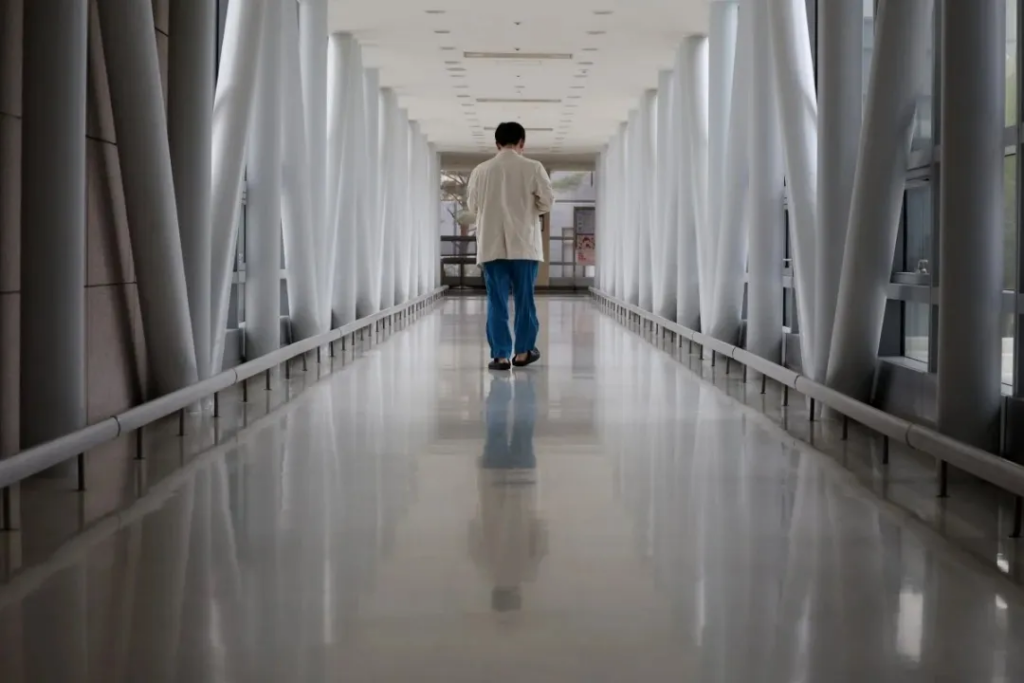
This incident immediately sparked public concern, highlighting systemic issues and resource shortages in the healthcare system. Authorities have pledged to investigate the hospitals’ refusal to admit her.
Ironically, a similar case occurred just two months ago. An 18-year-old male student died while seeking hospital care. On October 20, at around 6:20 a.m., a teacher found him having seizures. Emergency responders arrived quickly, but he showed signs of mental confusion and breathing difficulties. Despite this, he could still respond when called by name.
Hospitals Turned Him Away
Emergency personnel carried the boy into the ambulance and contacted hospitals. Public call logs reveal that fourteen hospitals were contacted, including four major hospitals in Busan and eight from nearby cities. Every single hospital refused treatment, citing a lack of pediatric neurology specialists and inadequate resources for follow-up care.
After nearly an hour in the ambulance, the boy experienced a medical emergency, progressing to cardiac arrest. Finally, on the fifteenth attempt, a hospital accepted him, but he was pronounced dead upon arrival.
Public Outrage and Shared Experiences
The incident ignited public debate and raised awareness of the shortage of specialized doctors in South Korea. Many shared their own negative experiences with hospital care:
“Last month, I was turned away from the emergency room because there was no cardiologist. Many emergencies involve the heart, yet they didn’t guide me where to go. It was heart-wrenching.”
“Months ago in Seoul, I had chest pain and was rejected. They sent me to a larger hospital, but the second hospital wouldn’t even let me register or speak to a nurse. I had to wait outside like a restaurant queue. I eventually went home hoping the symptoms would subside. My condolences to the child and family.”
Government Response
The recurrence of these incidents proves the problem has not been adequately addressed. President Yoon Suk-yeol has ordered measures to prevent patients from being transferred from one hospital to another while in critical condition. He also acknowledged a shortage of doctors.
However, resolving the issue is not simple. It involves structural challenges in South Korea’s healthcare system, including disproportionate salaries and labor conditions for doctors, high legal risks for medical accidents, and the demands of 24/7 on-call duties. These factors contribute to shortages in emergency, pediatric, and obstetric care.
Authorities have promised adjustments and hope this time real improvements will be made.