








A Dream Home Turned Nightmare
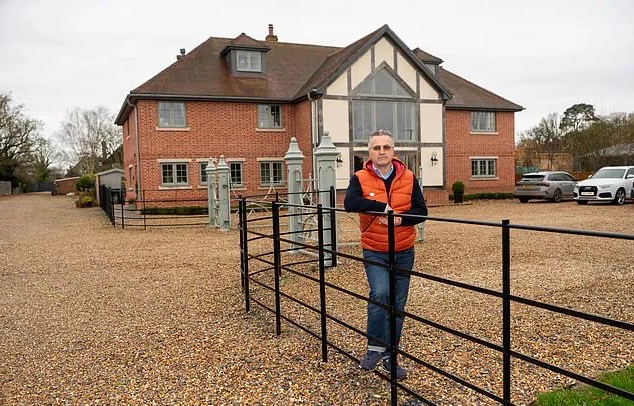
David Drew, 63, spent £1.2 million building his dream house brick by brick in rural Berkshire, United Kingdom. He purchased a two-acre plot, spent years designing, obtaining approvals, and overseeing construction. Finally, a five-bedroom detached villa stood complete.
Initially, everything seemed perfect.
A Shocking Letter from the Council

Just three weeks after completion, David received a letter from the local council. The message was clear: the house had to be demolished. 
The reason? The building had shifted 10 meters from the approved planning layout.
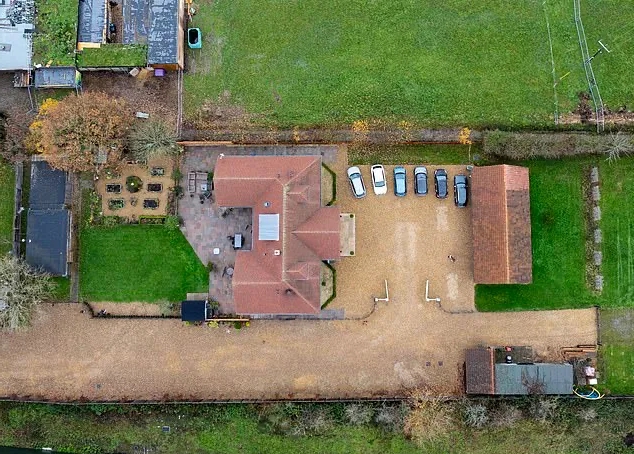
It wasn’t encroaching on neighbors’ land or public property. It had simply moved 10 meters to the left on his own plot.
David explained the reason: the original layout would not allow vehicles to reach the main entrance. He adjusted the position slightly to make the driveway functional.
To him, it was a reasonable modification. To the council, it was a “serious planning violation.”

Additional Complications
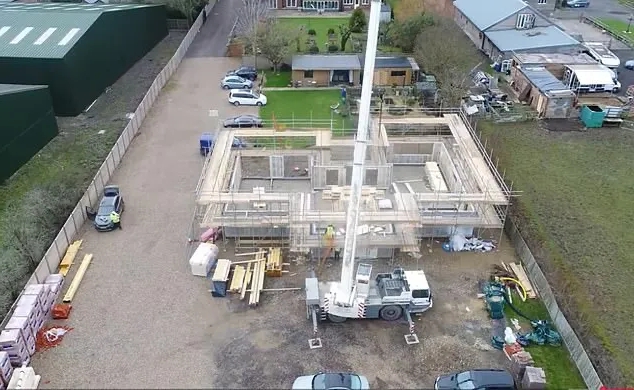
During construction, David had built a small temporary cabin on the plot to live in. The council argued this wasn’t a mere shed; it counted as a second dwelling. Second dwellings require separate planning permission.
These two issues triggered an almost unheard-of charge: the Community Infrastructure Levy (CIL).
CIL is usually aimed at developers. It is charged based on building area to fund roads, parks, and public facilities. Self-build homeowners can apply for a full exemption. David had indeed obtained a “zero-rate” approval before starting construction.
When Exemptions Don’t Apply
The problem: CIL exemptions don’t apply retroactively. Once the council deemed the house was built in the wrong position, any prior exemption was voided.
When the bill arrived, David recalled the number vividly: £292,174.11—almost £300,000. This wasn’t a fine; it was a lawful levy.
For a year, he lived in fear. The initial enforcement notice clearly stated that if his appeal failed, the house must be demolished.
Fortunately, his appeal succeeded. The house did not have to be torn down.
However, the CIL bill still had to be paid.
Financial Strain and Selling the Home
Unable to pay the full amount at once, David opted for installments. He pays £2,311 monthly. Despite the arrangement, the financial pressure is heavy. Every month is a struggle.
Ultimately, David decided to sell the house.
Today, the home still stands in the Berkshire countryside. The lawn is immaculate, the driveway spacious and clean. Everything looks perfect.
The difference? The owner can no longer afford the cost of a 10-meter planning deviation.