





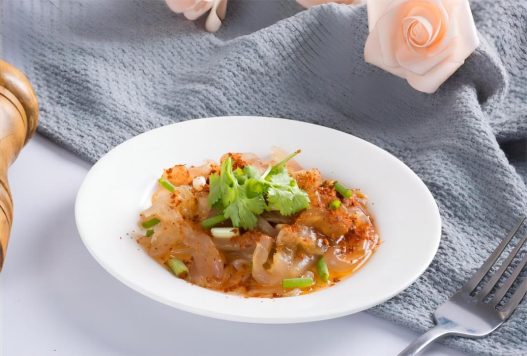
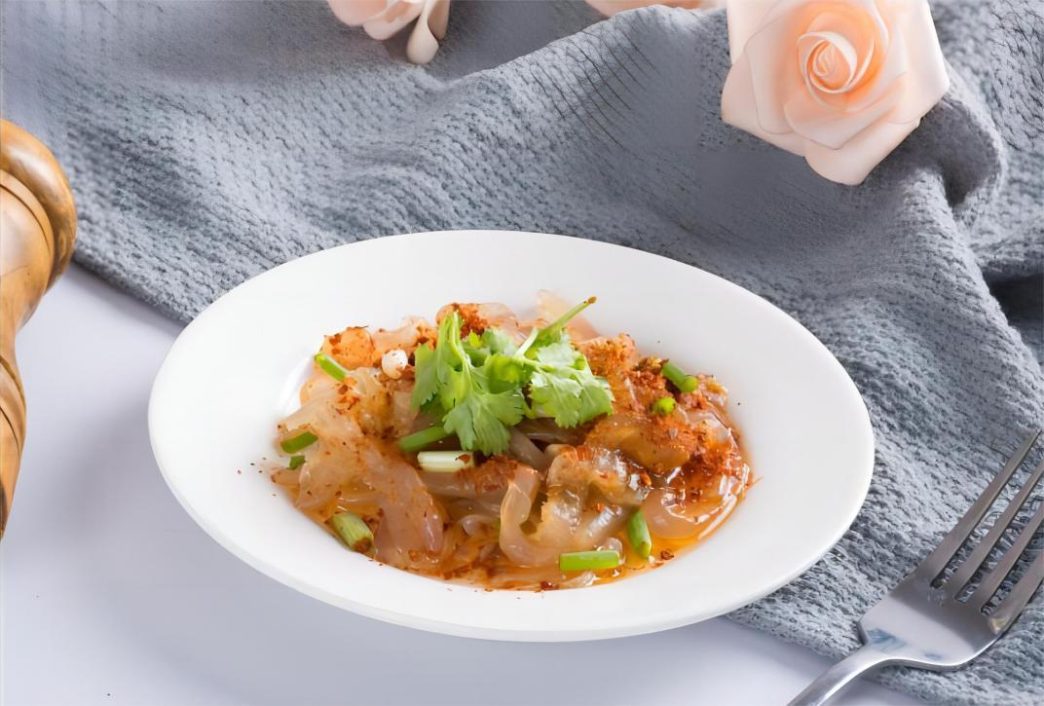
Many people wonder about consuming these gelatinous sea creatures. The practice of eating jellyfish has been part of certain Asian cultures, particularly in China, for centuries. While it may seem unusual to some, properly prepared eating jellyfish offers a unique culinary experience with a fascinating history.
Edible Jellyfish Species
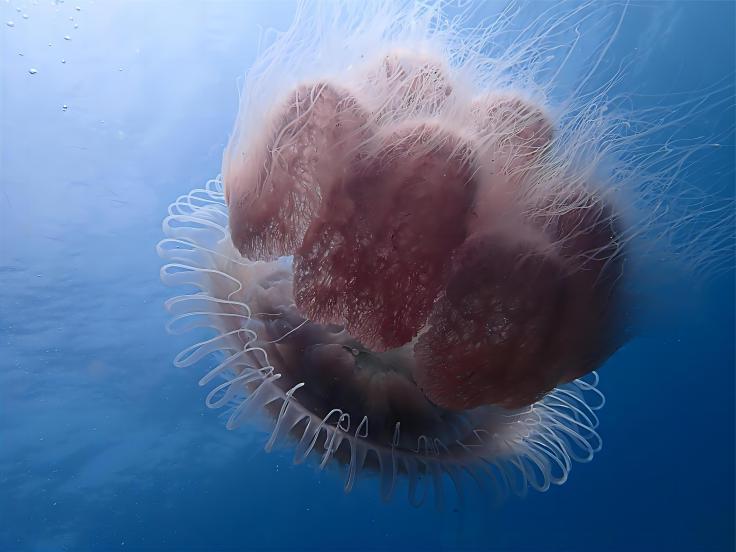
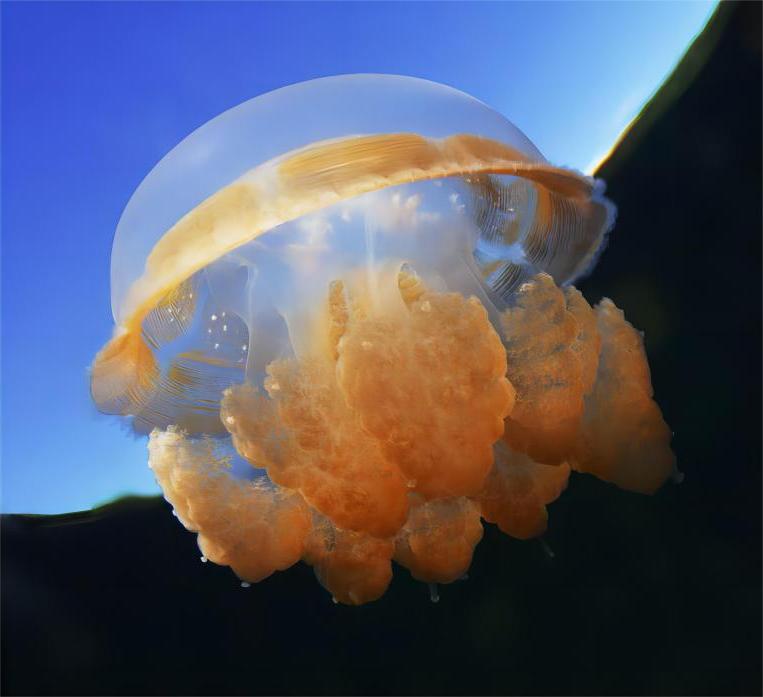
Not all jellyfish are suitable for consumption. Only specific types have been identified as safe for human consumption through centuries of culinary tradition. The most commonly consumed varieties include:
- Rhopilema esculentum: Often referred to simply as “edible jellyfish”
- Aurelia aurita: Known as moon jellyfish
These species have been carefully selected over generations for their safety and texture when properly processed. The key to safe consumption lies in understanding that fresh jellyfish contain venomous tentacles with stinging cells that can cause serious reactions if not correctly neutralized. 
Traditional Preparation Methods
The transformation from dangerous sea creature to edible delicacy requires careful processing. Traditional methods developed in coastal communities involve several crucial steps:
- Immediate Processing: Jellyfish must be processed shortly after catching
- Separation: The bell and tentacles are divided for different uses
- Curing Process: A mixture of salt and alum is applied in layers
- Multiple Pressings: The material undergoes repeated pressing over several days
- Dehydration: Excess water is removed to create the characteristic texture
This preservation technique not only makes the jellyfish safe to eat but also creates the distinct crunchy consistency that makes it appealing in various dishes.
Historical Culinary Development
Early Records (4th Century)
The earliest documented consumption comes from Chinese texts describing boiled preparations. These initial methods represented the beginning of jellyfish as a food source.
Culinary Evolution (8th-12th Century)
Throughout different dynasties, preparation techniques evolved significantly:
- Tang Dynasty records mention fried preparations with ginger
- Song Dynasty chefs developed raw preparations similar to sashimi
- Yuan Dynasty texts describe soups incorporating jellyfish
Modern Refinement
By the Ming and Qing dynasties, preparation methods had diversified to include wine-marinated variations and both raw and cooked applications in banquet cuisine.
Contemporary Preparation and Serving
For those interested in trying this unique food, here’s a basic preparation method:
Basic Preparation Steps:
- Rehydrate dried jellyfish in cold water for several hours
- Blanch briefly in hot water to enhance texture
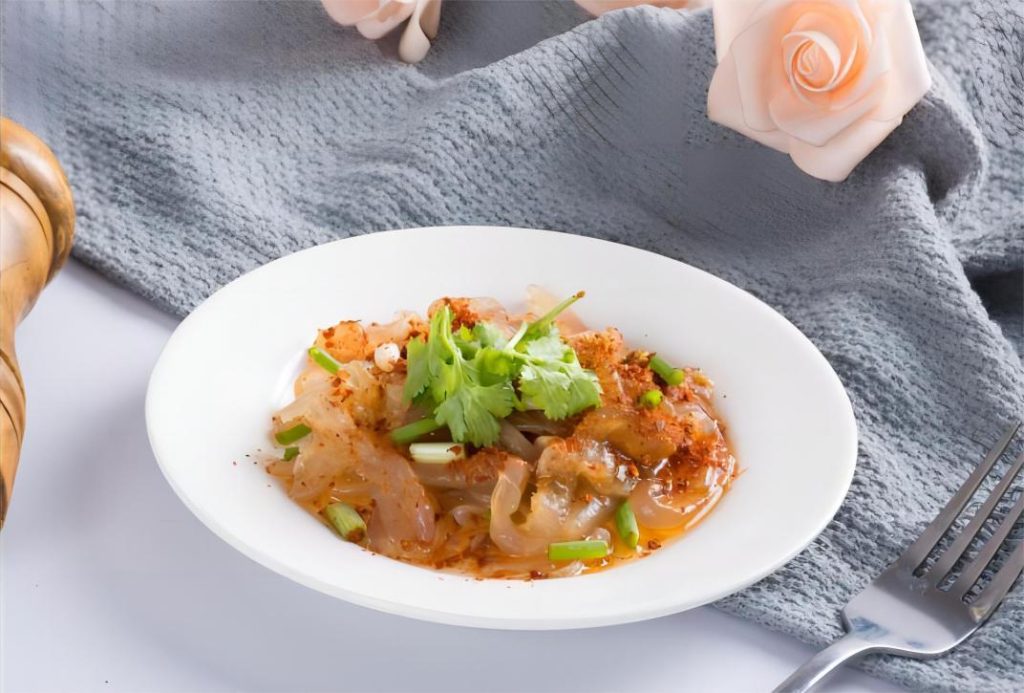
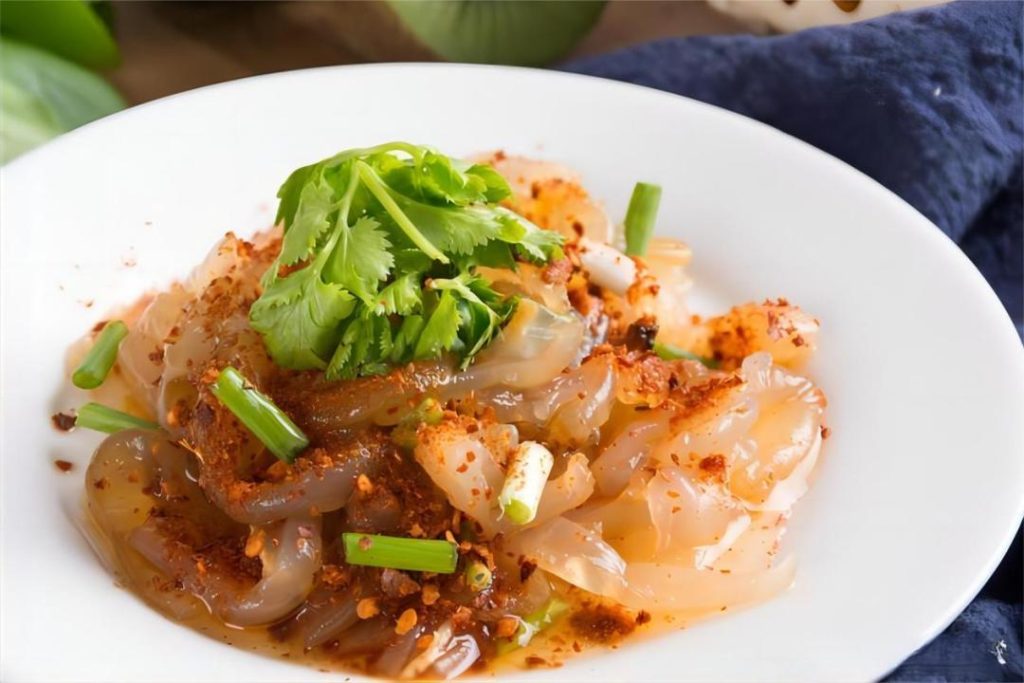
- Combine with seasonings like sesame oil, vinegar, and aromatics
- Serve chilled with fresh vegetables
The resulting dish typically features a refreshing crunch with mild flavor that absorbs accompanying seasonings well.
Nutritional and Cultural Significance
Beyond its unique texture, jellyfish offers several benefits:
Nutritional Content:
- Low in calories and fat
- Contains collagen and protein
- Source of minerals including selenium
Cultural Importance:
In traditional Chinese medicine, jellyfish was historically used for various health purposes. Modern interest has grown due to its potential as a sustainable seafood option, especially as some jellyfish populations increase in certain regions.
Safety Considerations
Important guidelines for safe consumption:
- Always use properly processed products from reliable sources
- Never attempt to prepare fresh-caught jellyfish
- Start with small portions if trying for the first time
- Follow established preparation methods carefully
Proper processing eliminates the natural toxins and makes the jellyfish safe for consumption.
Current Trends and Future Potential
Today, interest in jellyfish as food is expanding beyond traditional regions due to:
- Growing awareness of sustainable food sources
- Increased global culinary exploration
- Environmental factors affecting traditional fisheries
- Nutritional research into marine alternatives
Chefs worldwide are experimenting with jellyfish in various applications, from traditional Asian preparations to innovative fusion dishes.
Conclusion
The consumption of jellyfish represents a remarkable example of culinary adaptation. From ancient preservation techniques to modern culinary applications, this practice demonstrates how cultures can transform potentially hazardous natural resources into valued food items.
While it may not appeal to everyone, properly prepared jellyfish offers a unique eating experience connected to centuries of culinary tradition. As global food systems evolve, traditional foods like jellyfish may gain new relevance in contemporary cuisine.
Would you try this unusual delicacy? The decision to explore such unique foods often leads to discovering not just new flavors, but also the rich cultural stories behind them.