





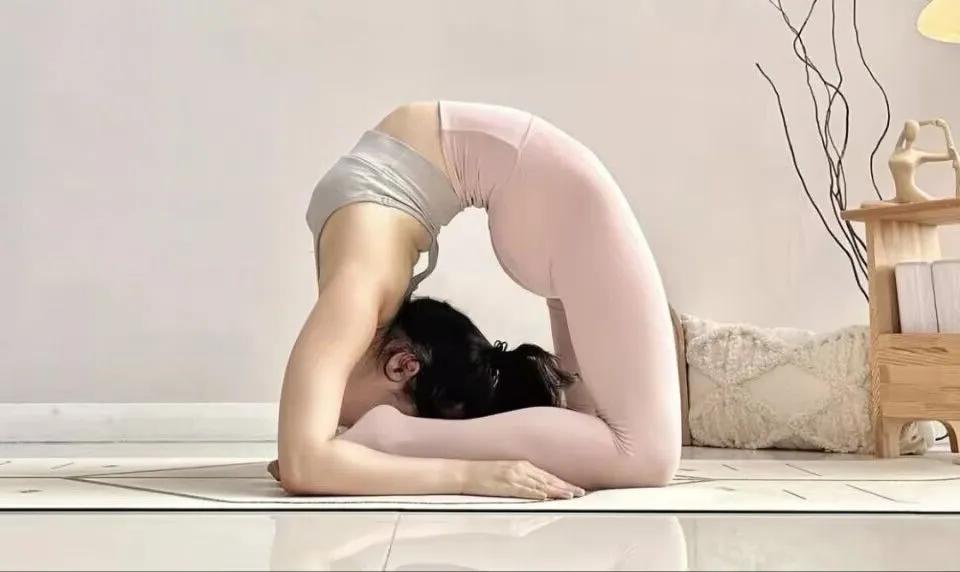
Backbends attract many yoga practitioners—and for good reason. These poses have a profound impact on managing both acute and chronic anxiety. Backbends require the body to expand and the mind to open, encouraging practitioners to face new possibilities and release emotional tension.
Many yogis also believe that backbends help relieve pain, open the chest, and increase blood circulation. Below are ten of the most commonly practiced yoga backbends, ranging from beginner-friendly to advanced. How many have you unlocked?
Beginner Backbends
Cow Pose — Bitilasana
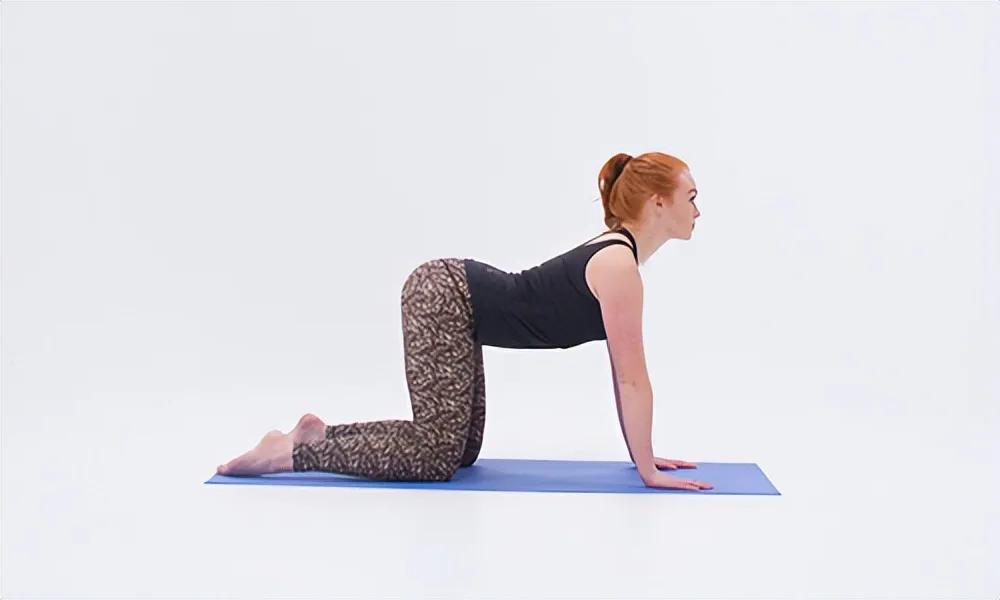
Often practiced dynamically with Cat Pose, Cow Pose is a gentle yet effective backbend on its own. It’s an excellent warm-up for deeper spinal extension. Drop the belly, lift the gaze, and fully embrace the opening through the chest and spine. 
Cobra Pose — Bhujangasana
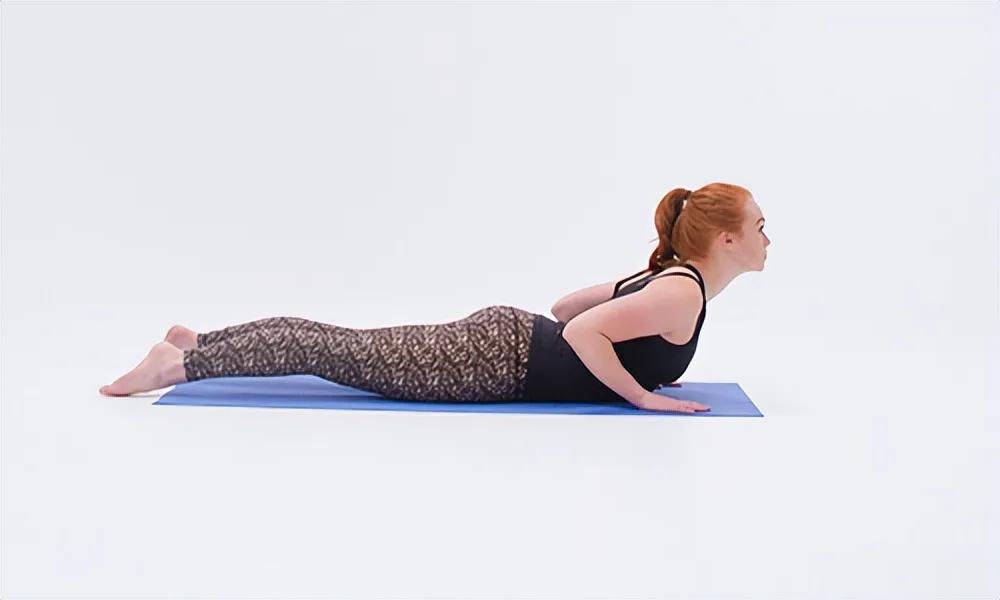
Cobra Pose is a foundational backbend and an excellent way to warm up the spine. Lift your chest while briefly lightening your hands off the mat to ensure the movement comes from your back muscles—not arm strength.
Upward-Facing Dog — Urdhva Mukha Svanasana
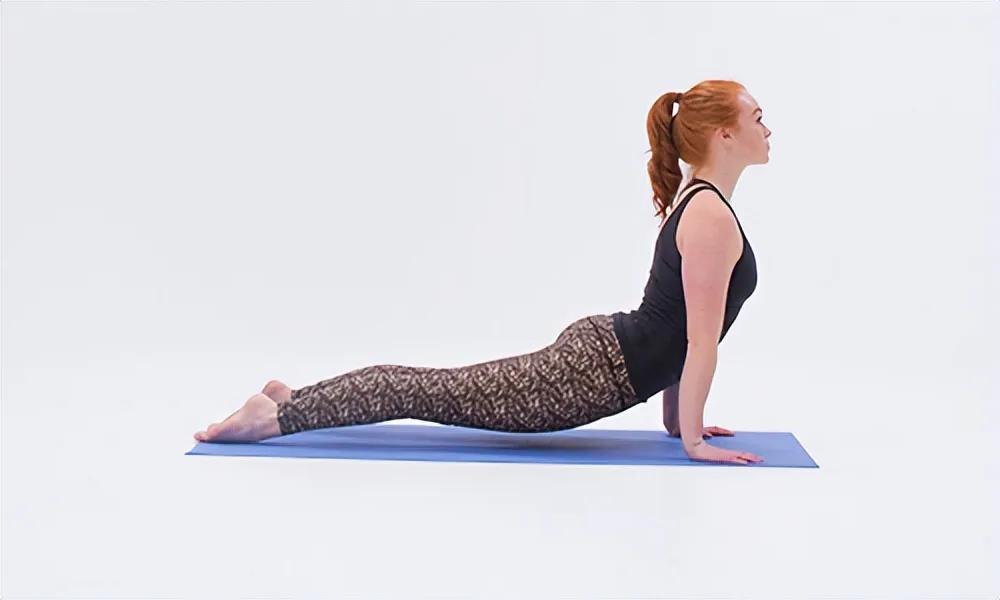
One of the most familiar backbends, Upward-Facing Dog appears frequently in Sun Salutations. Press firmly into your hands, draw the shoulders away from the ears, and press the tops of your feet down as you lift the lower body off the mat.
Bridge Pose — Setu Bandha Sarvangasana
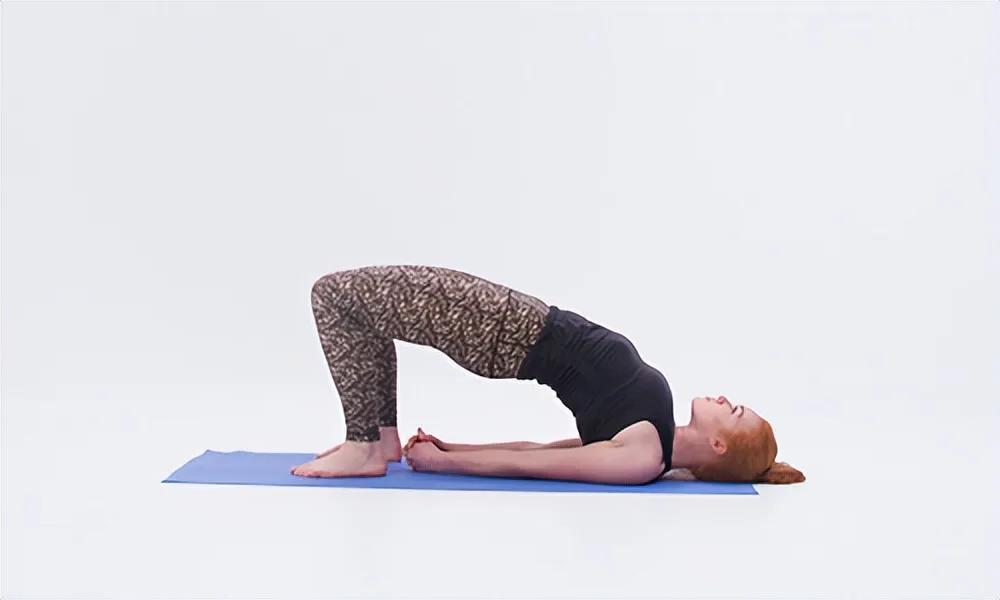
Bridge Pose not only bends the spine but also strengthens the glutes, inner thighs, and lower back. Lift the hips, broaden the chest, and tuck the shoulders underneath to prevent the ribs from flaring.
For added engagement, place a yoga block between the knees and gently squeeze.
Intermediate Backbends
Bow Pose — Dhanurasana
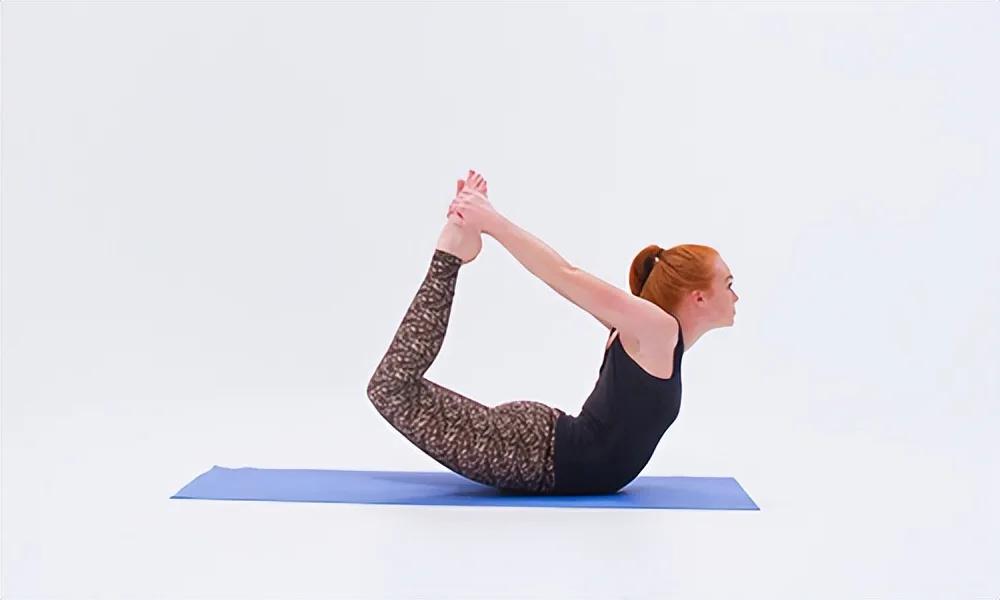
This pose blends prone positioning with a deep backbend. Press your feet into your hands and pull back to create internal resistance, allowing the chest to lift higher. Keep the knees aligned with the hips to avoid splaying outward.
Locust Pose — Viparita Shalabhasana
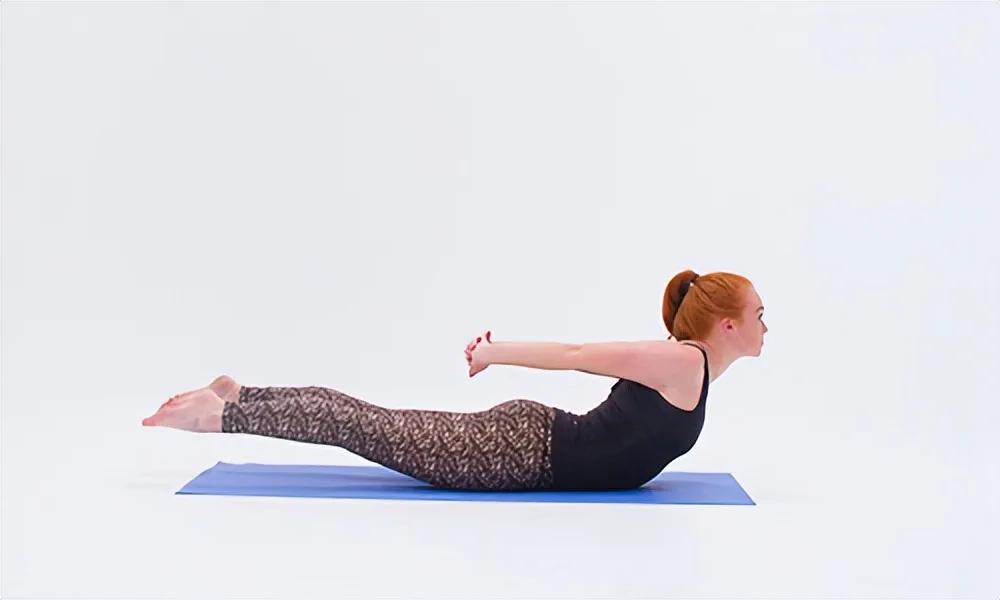
Locust Pose comes in many variations. Interlace the hands behind the back and lift both the chest and legs. Keep the legs hugging in toward each other. You can also practice lifting only the upper or lower body to build strength gradually.
Fish Pose — Matsyasana
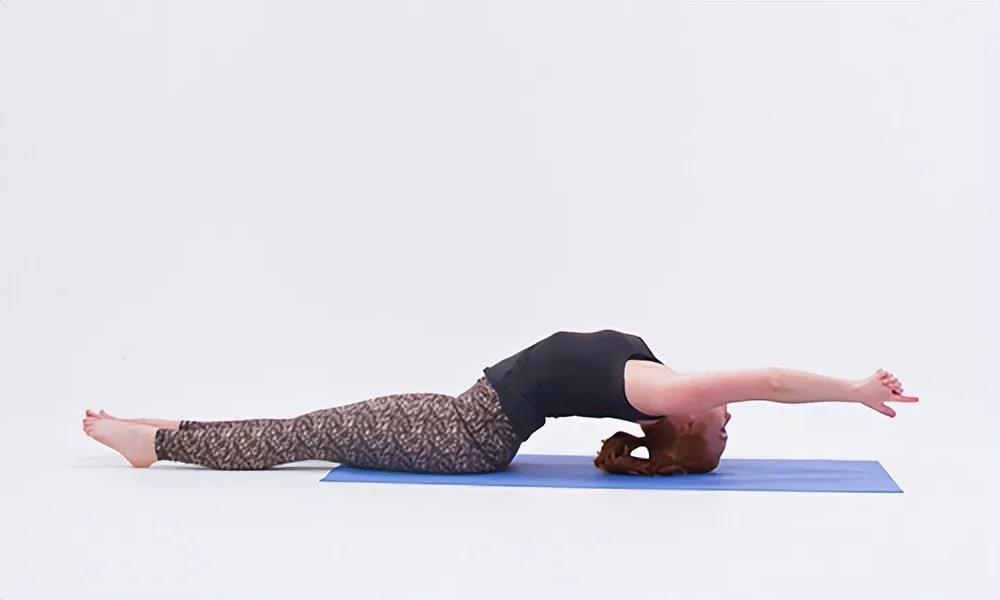
With hands resting alongside the body, lift the chest and arch the spine, allowing the crown of the head to touch the mat. If the pose feels stable and safe, you may lift the arms for an added challenge.
Advanced Backbends
Wheel Pose — Urdhva Dhanurasana
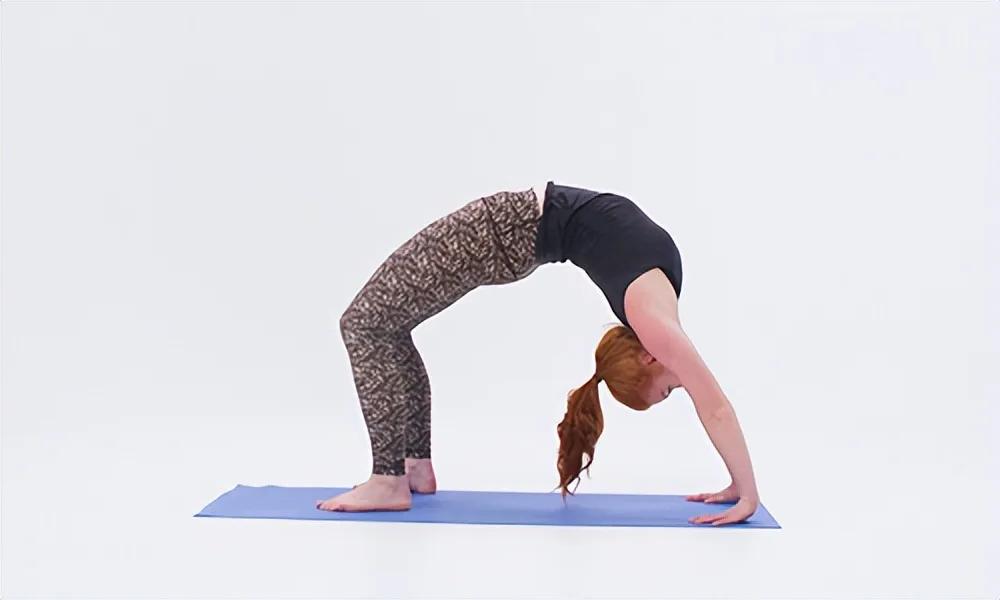
A powerful and advanced posture, Wheel Pose is best practiced after gentler backbends. Press firmly into hands and feet, focus on lifting the hips, and relax the neck so the gaze naturally falls toward the floor.
Camel Pose — Ustrasana
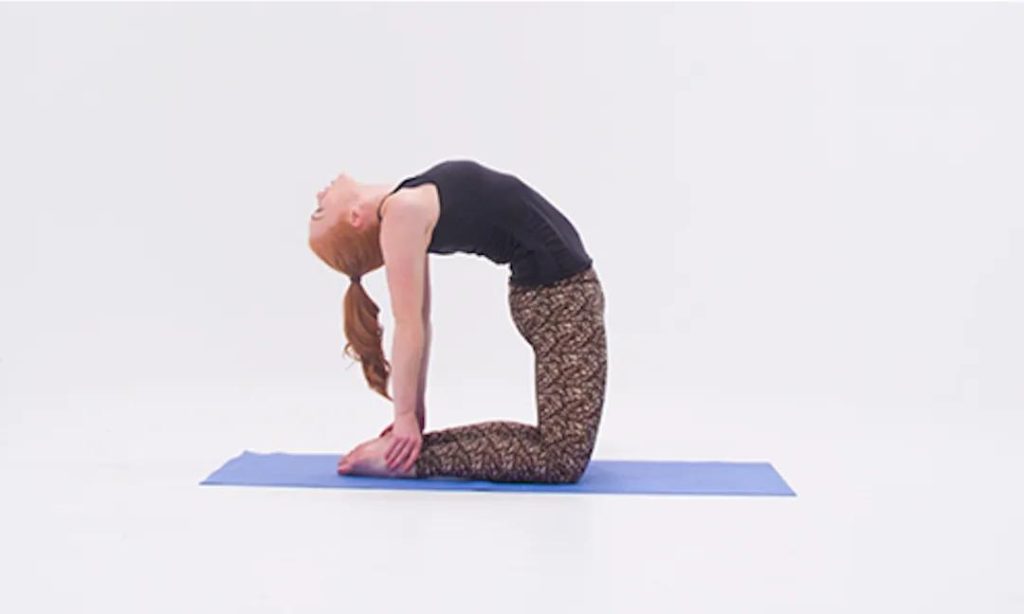
Begin with hands supporting the lower back as you lift the chest and gaze upward. For a deeper variation, release one hand at a time to reach for the heels while keeping the spine long and supported.
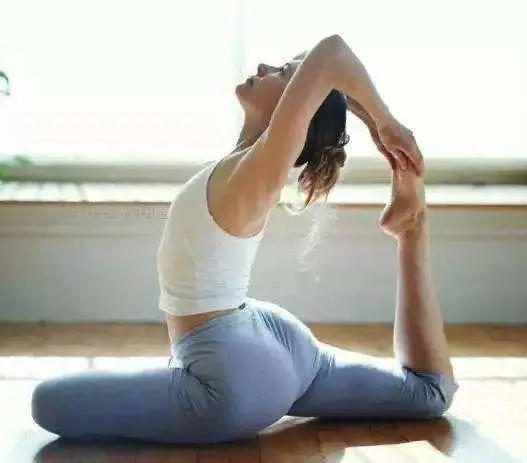
Pigeon Pose — Kapotasana
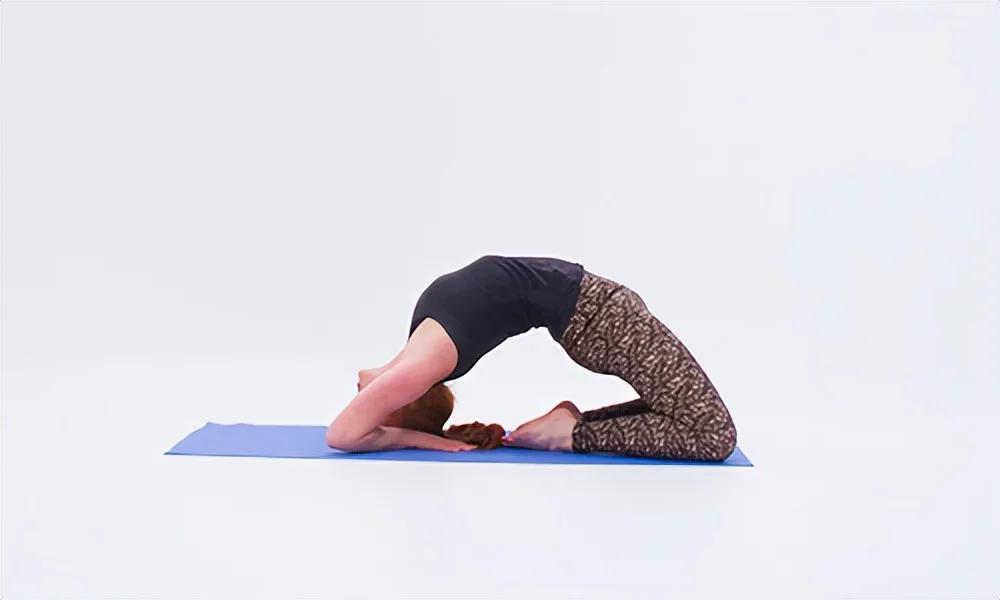
One of the most intense backbends, this pose should only be attempted after mastering other backbends. From Camel Pose, lower the upper body while lifting the chest and creating space along the spine. Place the elbows on the floor and reach back for the feet.
Practice Backbends Safely
These backbends can be powerful additions to your yoga practice. While they offer tremendous physical and emotional benefits, safety should always come first. If something feels wrong, ease out of the pose or skip it entirely. Your body knows best.