






Does your cat seem irritated, anxious, or constantly on edge?
Are their body signals screaming discomfort—or have you noticed inappropriate litter box behavior?
Your cat’s frustrations may actually be your daily habits.
From dirty bathrooms and spoiled food to loud music, cats share more “pet peeves” with humans than you might expect. Believe it or not, many cat owners unknowingly create situations their cats find unbearable. 
Don’t worry—we’ve got you covered. Let’s break down seven things cats truly hate and how to fix them.
1. Cats Hate Feeling Lonely

Contrary to popular belief, cats are not true loners.
While they can tolerate alone time better than dogs, cats—like humans and other furry companions—crave attention, interaction, and affection. Prolonged isolation can lead to anxiety, restlessness, and even depression.
If your schedule is packed, make it a habit to spend quality time with your cat every day. Even 15 minutes of play every few hours can dramatically improve their mood and health.
The ideal solution? Consider adopting a second cat as a full-time companion. Otherwise, don’t be surprised if your cat insists on accompanying you to the bathroom.
2. Cats Hate Dirty Litter Boxes
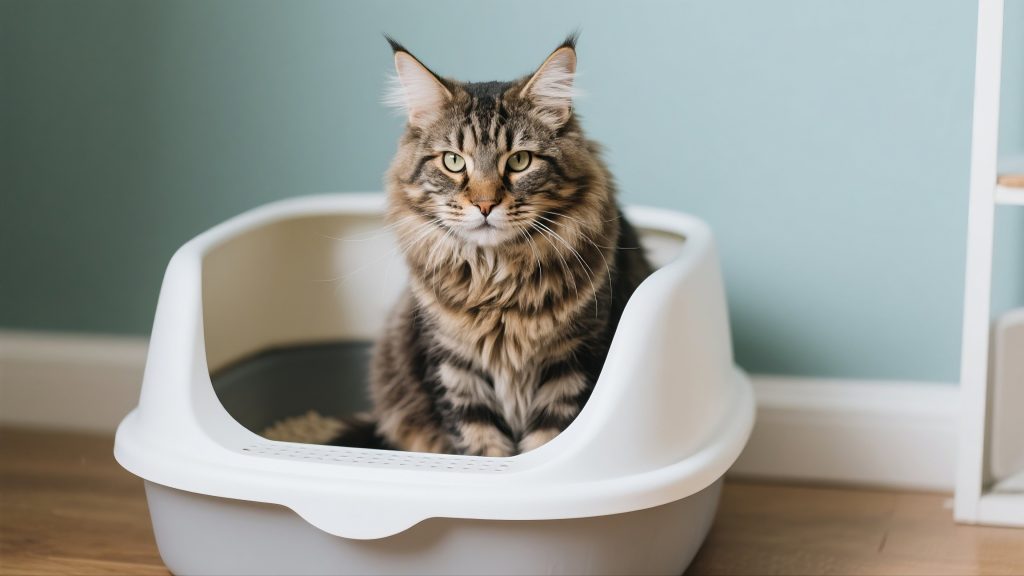
Using a filthy restroom is unpleasant for anyone—and cats feel exactly the same way.
Depending on how many cats you have and how often they use the litter box, scooping should be done daily or at least every other day. If scooping feels overwhelming, an automatic self-cleaning litter box may be worth the investment.
Cleanliness goes beyond daily scooping. Based on litter type, household size, and usage, the litter itself should be fully replaced about every two weeks.
3. Cats Hate Spoiled or Stale Food
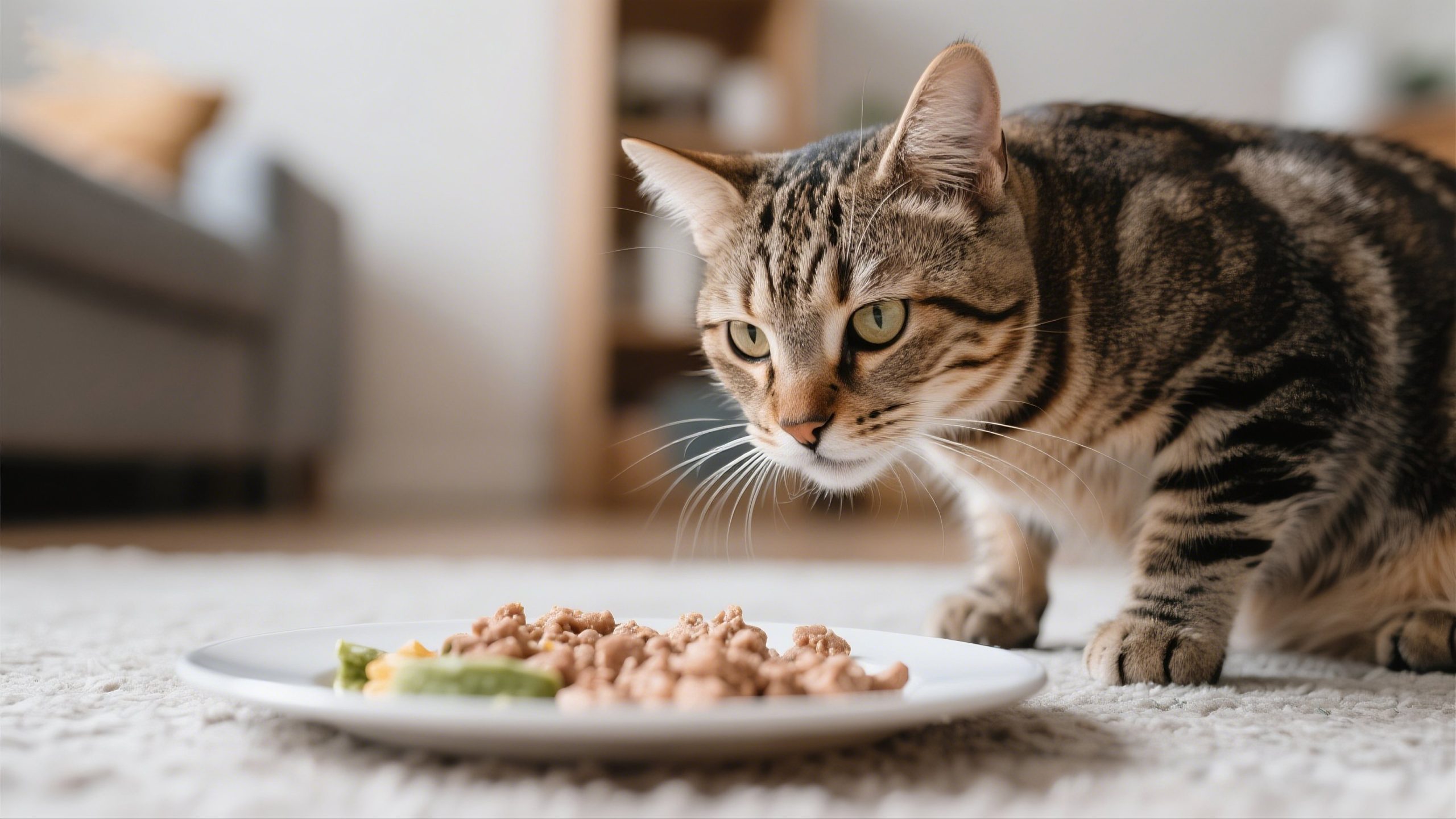
You wouldn’t want to eat spoiled food—and your cat definitely doesn’t either.
Raw or spoiled food isn’t just unappetizing; it can make cats seriously ill. Bacteria like Salmonella and Staphylococcus multiply quickly, especially during warmer months.
Always check expiration dates on both dry and wet food. If your cat frequently leaves food behind, it may be time to reassess portion sizes. A veterinarian can help determine the ideal feeding amount based on breed, age, and activity level.
4. Cats Hate Bad-Tasting Medication
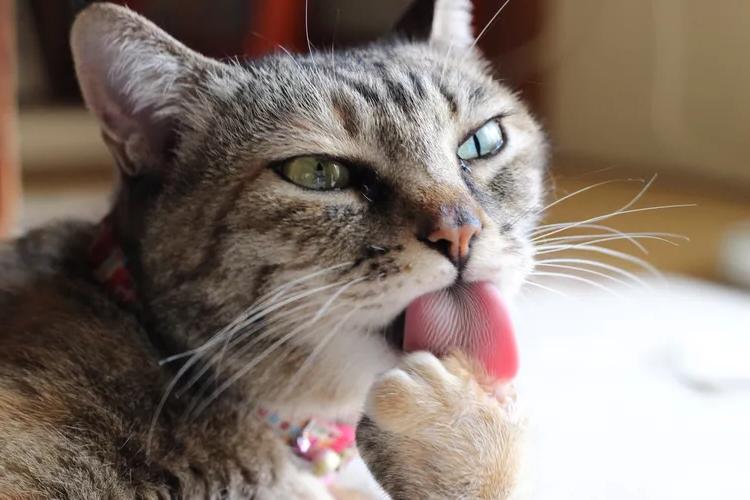
When you’re sick, swallowing unpleasant medicine is the last thing you want—and cats feel the same way.
Many cats foam at the mouth or spit pills right back out. Whether your cat needs short-term medication for an infection or long-term treatment for a chronic condition, making the process easier is essential.
Start by gently training your cat to tolerate face and mouth handling, pairing the experience with treats to create positive associations. Establish a consistent medication routine so your cat knows what to expect.
Still struggling? Pill pockets and soft treats designed to hide medication can be game-changers.
5. Cats Hate Rough or Excessive Petting
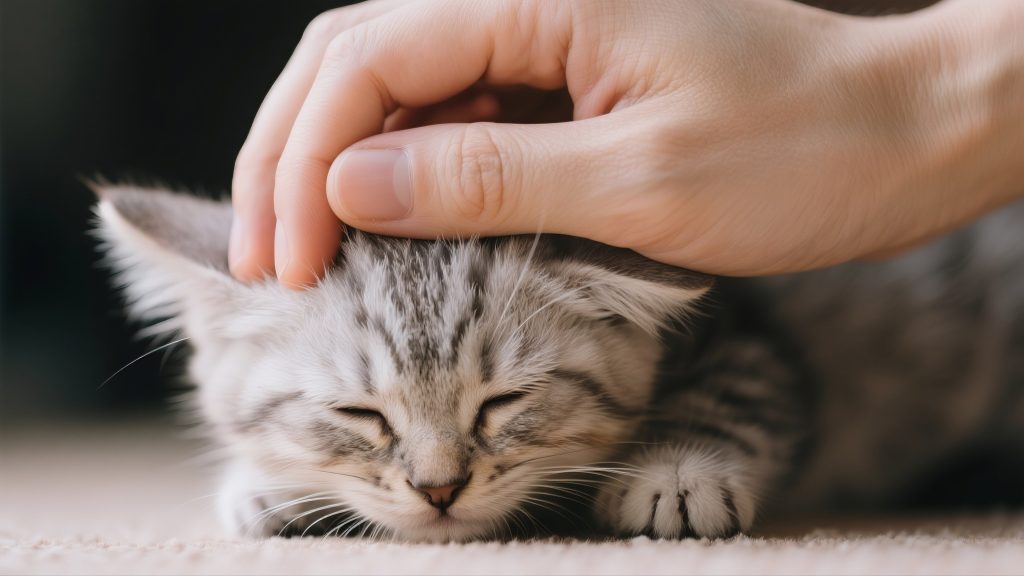
Every cat has specific “approved zones” for touch—and crossing those boundaries can lead to hissing, scratching, or biting.
Cats are highly sensitive to tactile stimulation. To keep them comfortable, pay close attention to where and how you pet them.
Cats typically enjoy gentle contact around the head and neck, areas they groom on each other. Many dislike being stroked along the back for extended periods. Watch your cat’s body language carefully to learn what they tolerate—and what they don’t.
6. Cats Hate Competition From Other Cats
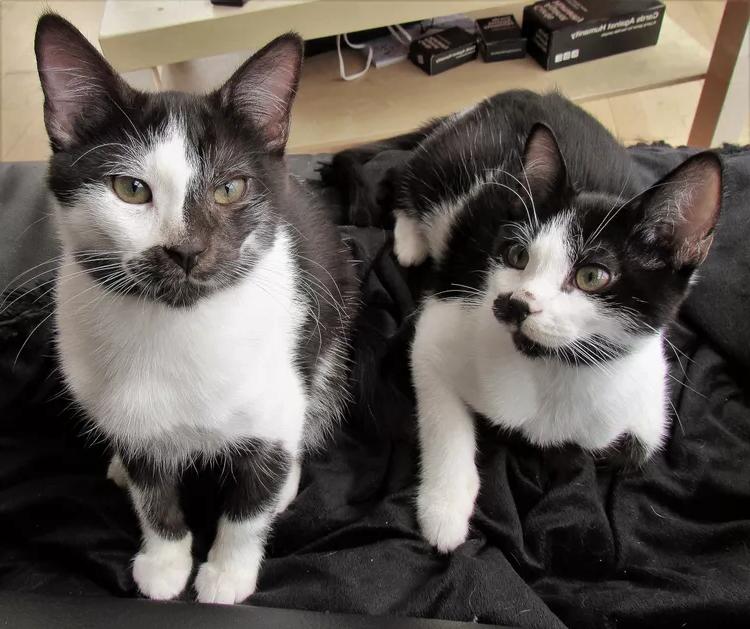
Cats can become territorial over food, space, toys, or even your attention. In some cases, jealousy escalates into aggression or Redirected Aggression.
For example, if an indoor cat feels threatened by an outdoor cat but can’t reach it, that aggression may be redirected toward another cat in the household.
Managing resources, providing separate spaces, and minimizing perceived threats can help reduce conflict.
7. Cats Hate Loud Noises

Thunderstorms, shouting, fireworks—loud noises can cause extreme stress for cats.
Chronic exposure to noise can lead to behavioral and health problems such as fearfulness, aggression, depression, excessive grooming, hair loss, and reduced appetite.
While it’s not always possible to eliminate noise, try to minimize exposure. During storms or gatherings, provide a quiet, secure space. Keep music and television volumes low to help your cat feel safe.
Final Thoughts
Cats may not speak our language, but they communicate discomfort clearly—if we know how to listen.
By avoiding these seven common mistakes, you can dramatically improve your cat’s emotional well-being and strengthen the bond you share. A calmer environment, consistent care, and respect for their sensitivities go a long way toward a happier, healthier cat.