





Stop using “I don’t have time to exercise” as an excuse.
There’s a surprisingly simple movement that many doctors actively recommend. It helps prevent blood clots, supports heart health, and improves circulation—without breaking a sweat. You can do it while standing, sitting, or even lying down.
No gym. No equipment. No extra cost. 
This small but powerful move is called toe raises, known medically as the Ankle Pump Exercise.
Why Doctors Recommend the Ankle Pump Exercise
If there’s one movement frequently mentioned by medical professionals for preventing blood clots, it’s toe raising—formally referred to as the Ankle Pump Exercise.
Blood return from the lower limbs relies heavily on the “calf muscle pump.” When you sit still for long periods, your calf muscles barely contract, blood flow slows down, and blood can pool in the veins—creating the perfect conditions for clot formation.
In severe cases, this may lead to Pulmonary embolism, a potentially life-threatening condition.
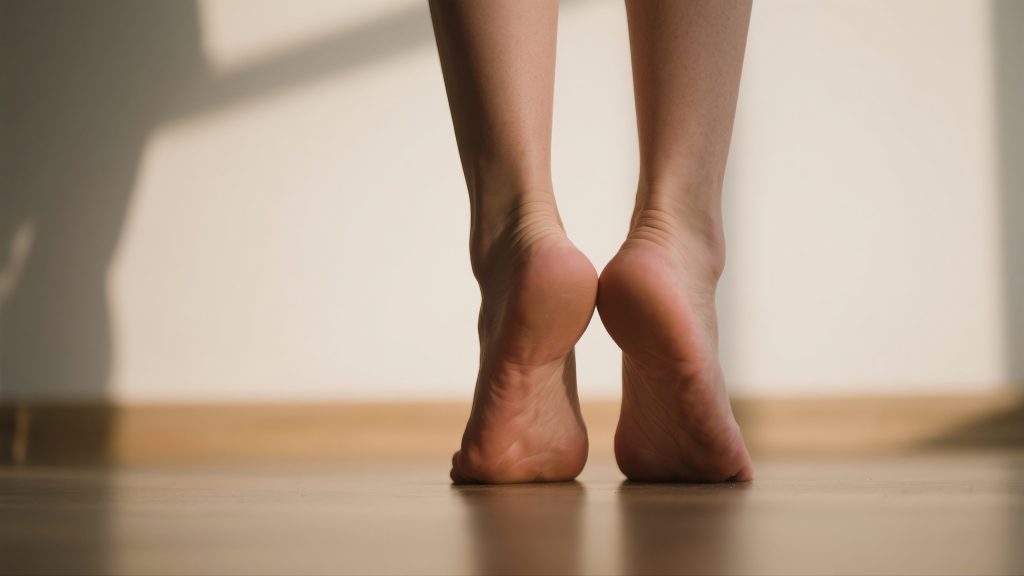
Rising onto your toes forces the calf muscles to contract strongly, acting like a pressure pump that pushes venous blood back toward the heart. Each contraction can move a volume of blood comparable to the heart’s own pulse output.
Regular practice helps keep circulation smooth throughout the body, reducing the risk of cardiovascular and cerebrovascular issues. For people with early signs of Varicose veins, this exercise can also serve as a simple supportive intervention.
5 Hidden Health Benefits You Gain by Doing Toe Raises Regularly
1. Helps Regulate Blood Sugar
Researchers from the University of Houston published findings in iScience, a sub-journal of Cell, showing that seated toe raises can increase energy expenditure and improve fat and glucose metabolism.
Compared to sitting still, performing toe raises while seated for 270 minutes increased energy consumption by 118%. Carbohydrate oxidation rose by 108%–195%, triglyceride levels dropped significantly, and Glucose tolerance improved—reducing post-meal hyperinsulinemia.
2. Helps Prevent Osteoporosis
Performing toe raises in a relaxed state places gentle mechanical stress on bones, stimulating bone cells to retain calcium. Over time, this supports bone strength and helps prevent Osteoporosis.
3. Reduces the Risk of Falls and Ankle Sprains
Regular toe raises strengthen the posterior calf muscles, reinforce the foot arch, and improve ankle ligament stability. This enhances balance and lowers the risk of falls and ankle injuries.
4. Relieves Lower Back and Joint Discomfort
Daily toe raises promote circulation, delivering more oxygen to muscles and easing fatigue in the lower back and knees. They also create a gentle traction effect on the spine, helping reduce chronic back soreness.
5. Improves Sleep Quality
Toe raising can help regulate the Nervous system, relieve tension, and promote relaxation. For people who struggle with insomnia, light sleep, or frequent dreams, consistent practice may noticeably improve sleep quality.

4 Correct Toe-Raising Methods—Choose What Fits You Best
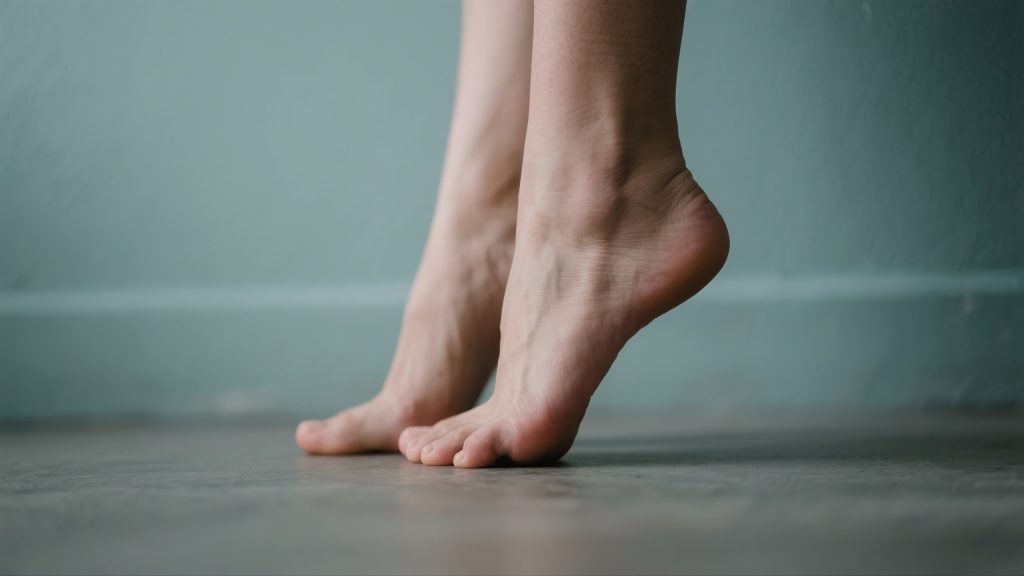
1. Standing Toe Raises (Best for Most People)
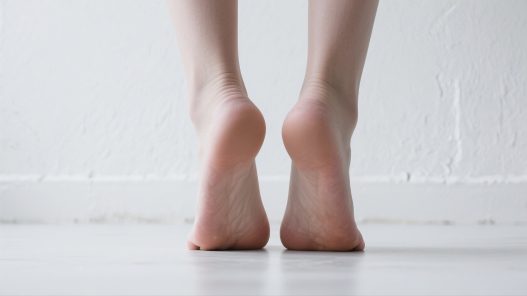
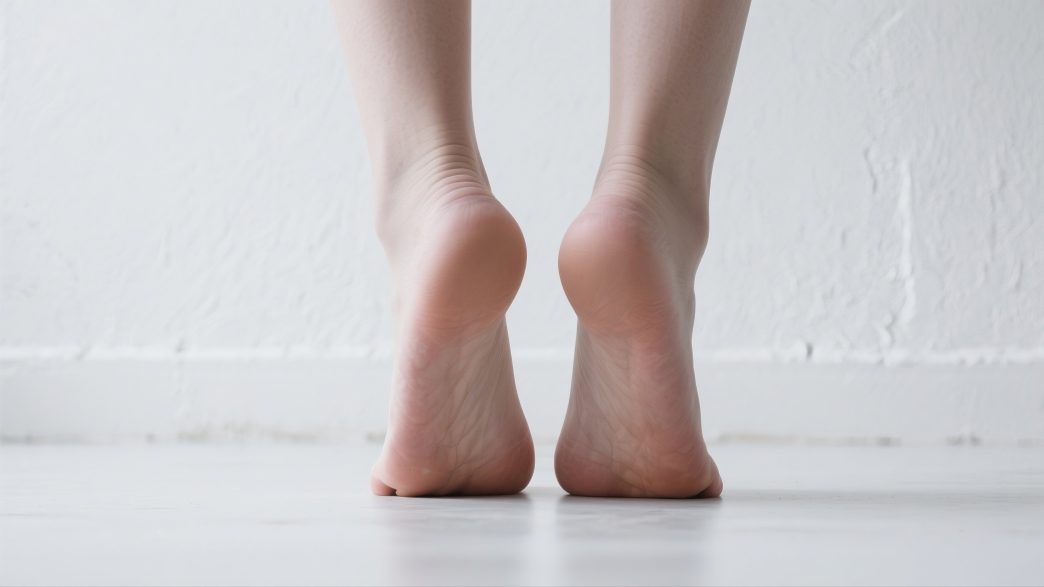
Stand upright with feet together and arms relaxed at your sides. Slowly rise onto your toes, gripping the floor lightly with your toes. At the highest point, shift your weight slightly forward onto the balls of your feet. Then gently lower your heels back down, allowing a soft vibration to travel upward through the legs.
2. Seated Toe Raises (Ideal for Desk Workers)
While seated, pull your toes upward toward you and hold for 3 seconds. Then point your toes downward and hold for another 3 seconds.
For people who sit for long hours, it’s recommended to stand up every 45 minutes and combine this with seated toe raises for better blood clot prevention.
3. Lying Foot Pumps (For Limited Mobility)
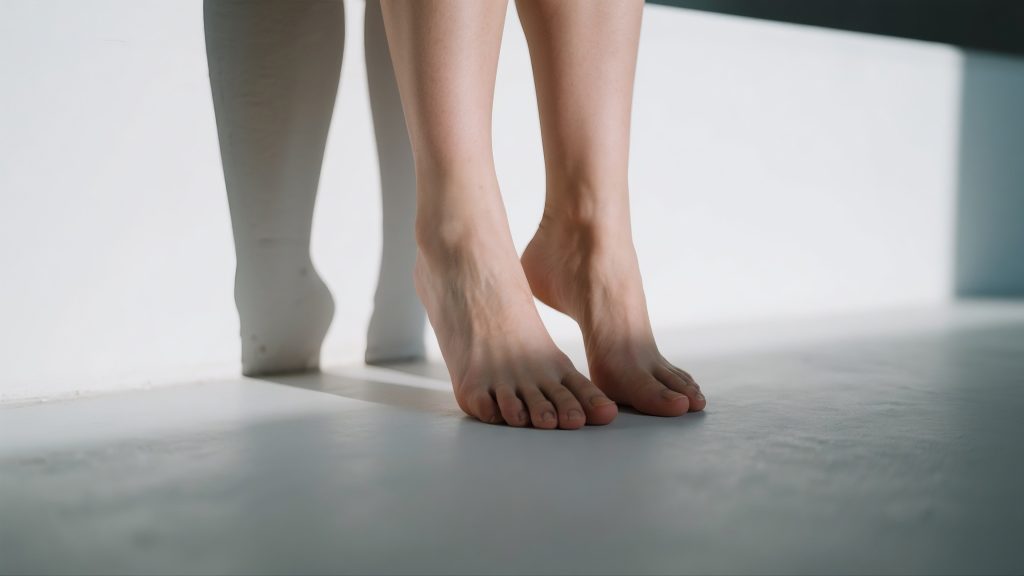
While lying flat, keep your legs straight and move your feet by flexing and pointing your toes. You can perform this with both feet together or alternate one foot at a time.
Move slowly and gently to avoid muscle cramps. If your calves feel uncomfortable, stop and rest.

4. Toe Raises With Arm Swings (Great for Back Pain)
While standing on your toes, combine the movement with a gentle back extension—similar to the “flying swallow” stretch. Hold for 2–3 seconds.
Stand with feet shoulder-width apart, keep your back straight, open your chest, tilt your neck slightly back, and swing your arms backward as you rise onto your toes. This provides a full-body stretch and helps relieve neck, shoulder, and lower back tension.
Important Safety Notes
Although toe raising is highly beneficial, it’s not suitable for everyone.
People with poor balance, acute ankle injuries, active Deep vein thrombosis, severe vascular disease, or advanced osteoporosis with a high fracture risk should avoid or use caution.
In such cases, always consult a healthcare professional or rehabilitation specialist before starting.