




A Chinatown Unlike Any Other
Most Chinatowns around the world feel familiar—same gates, same shops, same photos. Bangkok Chinatown breaks that mold. This is the part of the city I love wandering most: layered, alive, and endlessly surprising.
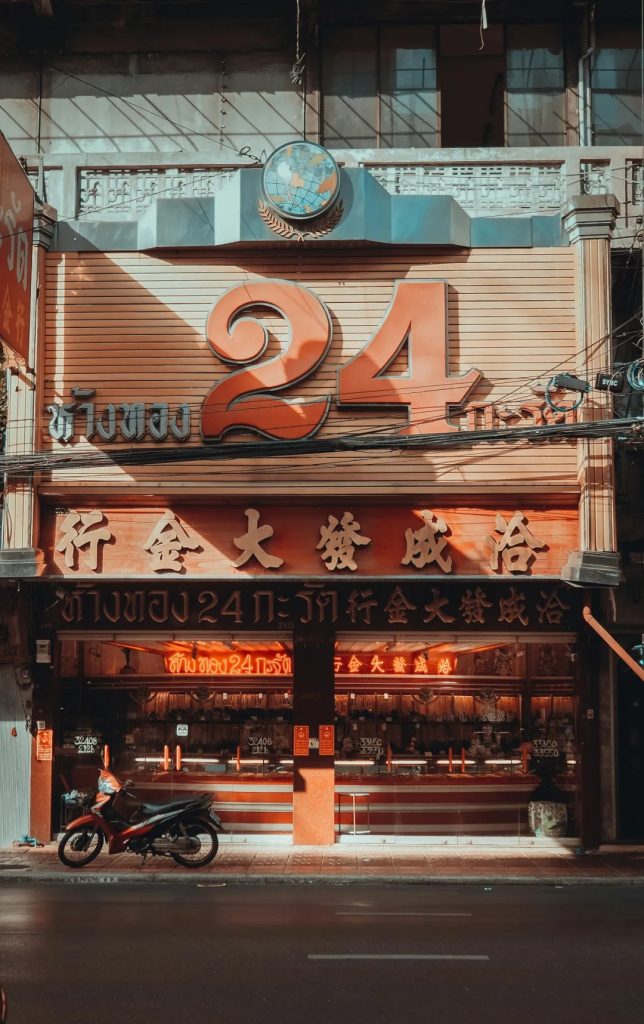
It’s one of Bangkok’s oldest commercial districts, where early Chinese settlers first put down roots. Even filmmaker Wong Kar-wai once scouted this neighborhood while searching for vintage street scenes for In the Mood for Love. That cinematic nostalgia is still everywhere.
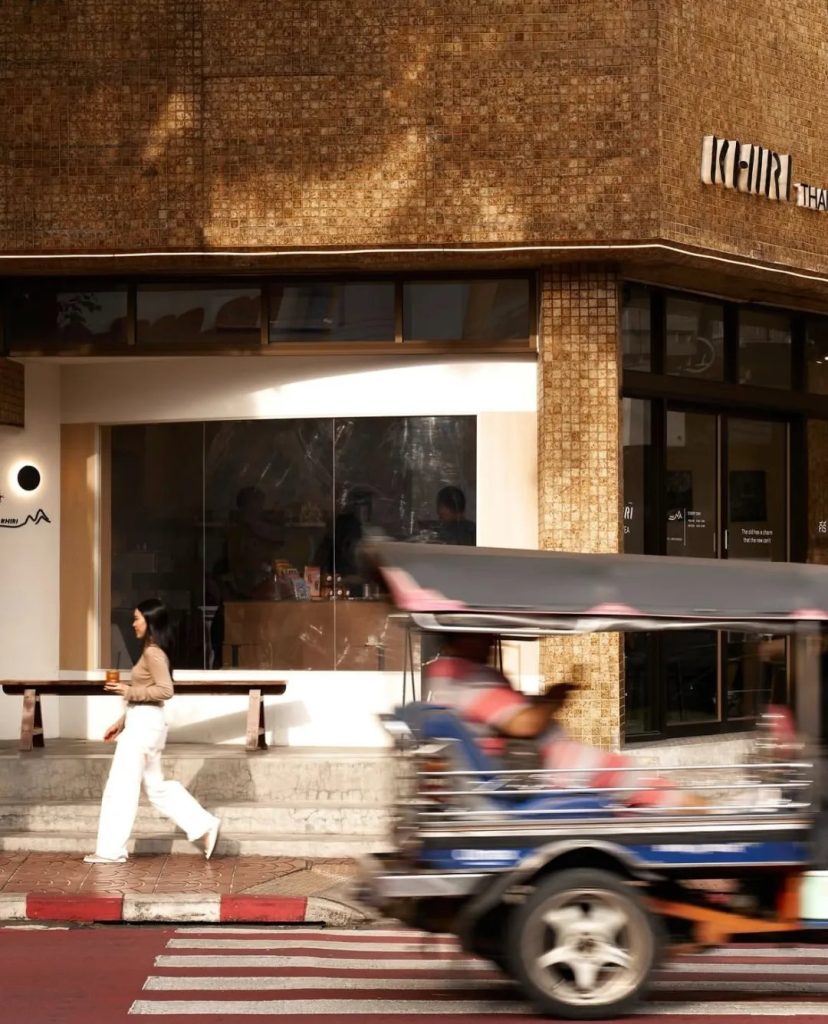
Yet this area isn’t frozen in time. Old Chinese medicine shops, warehouses, clan houses, and Chinese-language schools have been reborn as design hubs, galleries, boutique hotels, and cafés. Restaurants from Asia’s 50 Best Restaurants sit just blocks away from streets praised by CNN and Travel + Leisure.
With Lunar New Year approaching, there’s no better place to experience a destination that feels both foreign and deeply familiar. 
Chinese Heritage at the Heart of Bangkok
Bangkok Chinatown stands out because Chinese culture in Thailand has never been marginal. From the 19th century onward, migrants from Fujian, Guangdong, Hainan, and Chaozhou brought their languages, food traditions, and architecture with them.
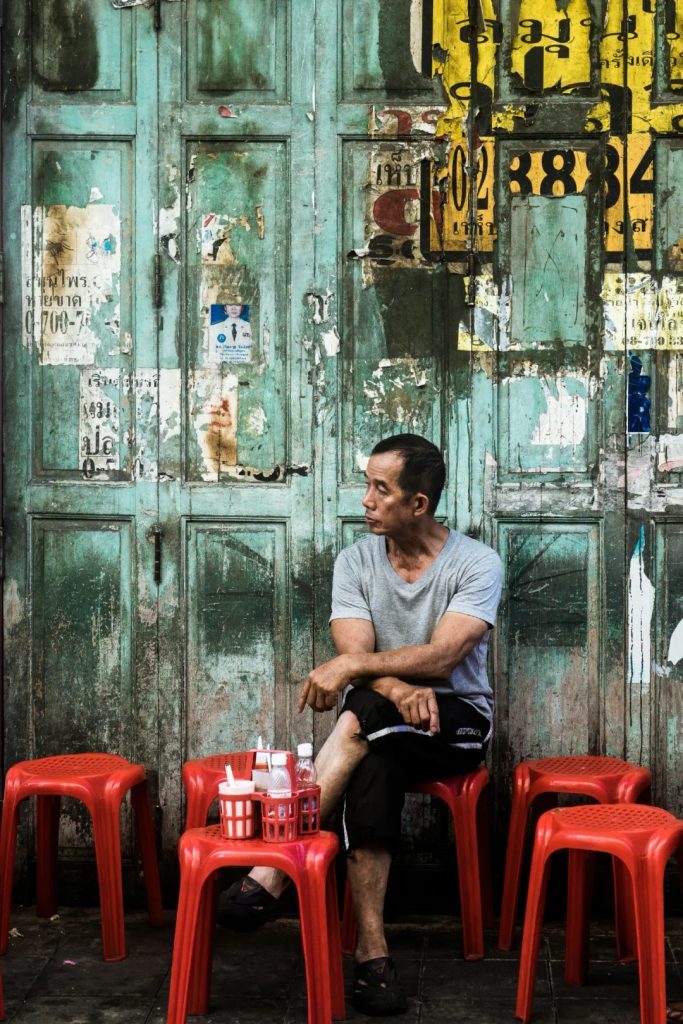
After more than two centuries of intermarriage and cultural blending, as much as 30% of Thailand’s population is believed to have Chinese ancestry. Chinese Thais dominate not only business but also entertainment—many of Thailand’s biggest stars are of mixed heritage, and “looking Chinese” is often seen as a compliment.
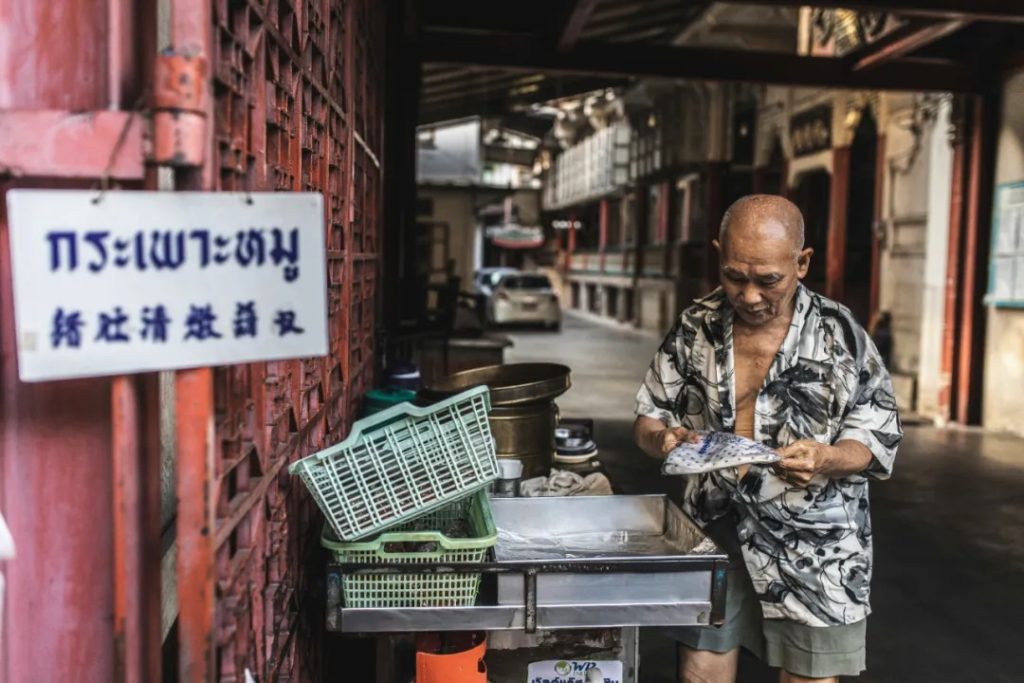
Food is where this influence shines brightest. Dishes like Hainanese chicken rice and braised pork leg rice are everyday Thai meals. Noodles, tofu pudding, and congee even retain Chinese-sounding names in Thai. Many of these “Thai-Chinese” classics gather in one place: Bangkok Chinatown.
What to Do First: A Street Michelin Food Crawl
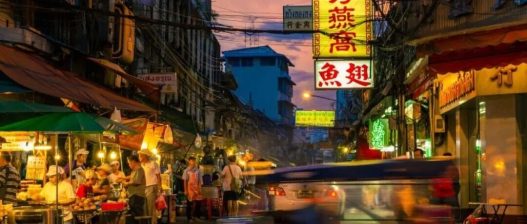
Broadly speaking, Bangkok Chinatown stretches along the Chao Phraya River, framed by Sampheng Lane, Yaowarat Road, and Song Wat Road. For most visitors, Yaowarat Road is the star.
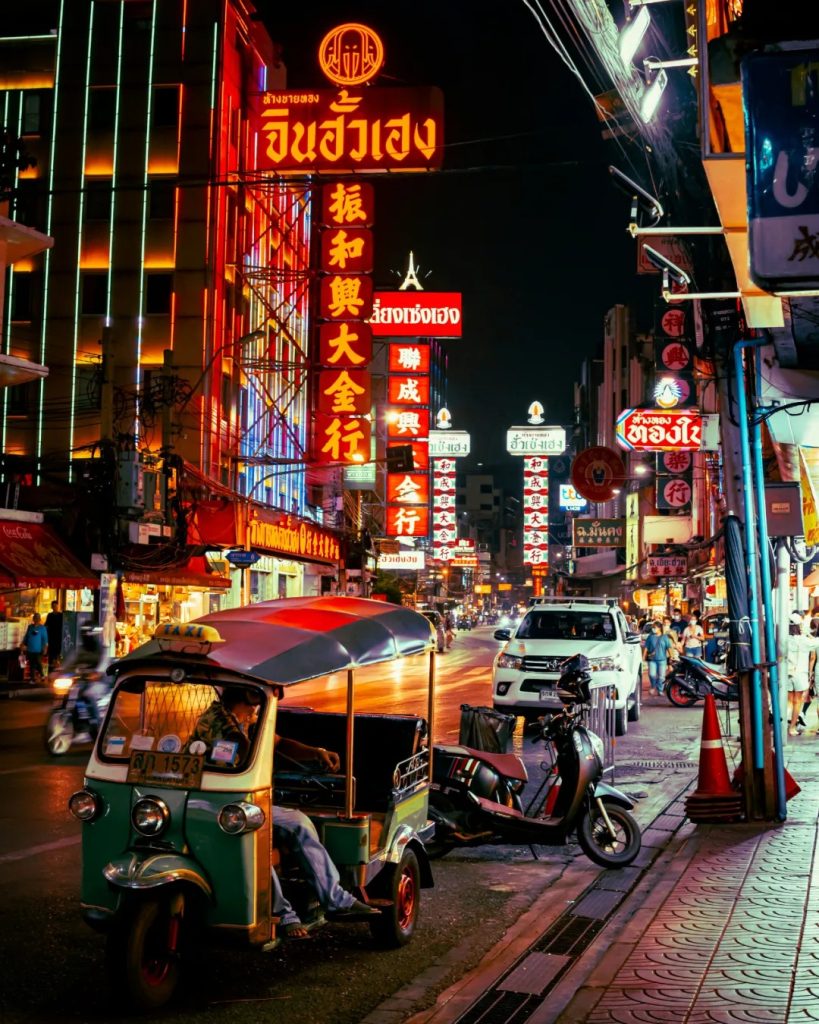
This neon-lit street has appeared in Detective Chinatown and even shut down once so Lalisa Manobal of Blackpink could film her solo MV Rockstar. Towering vertical signs, tuk-tuks, gold shops, and herbal stores create a glowing “forest of lights” that feels straight out of Hong Kong cinema.
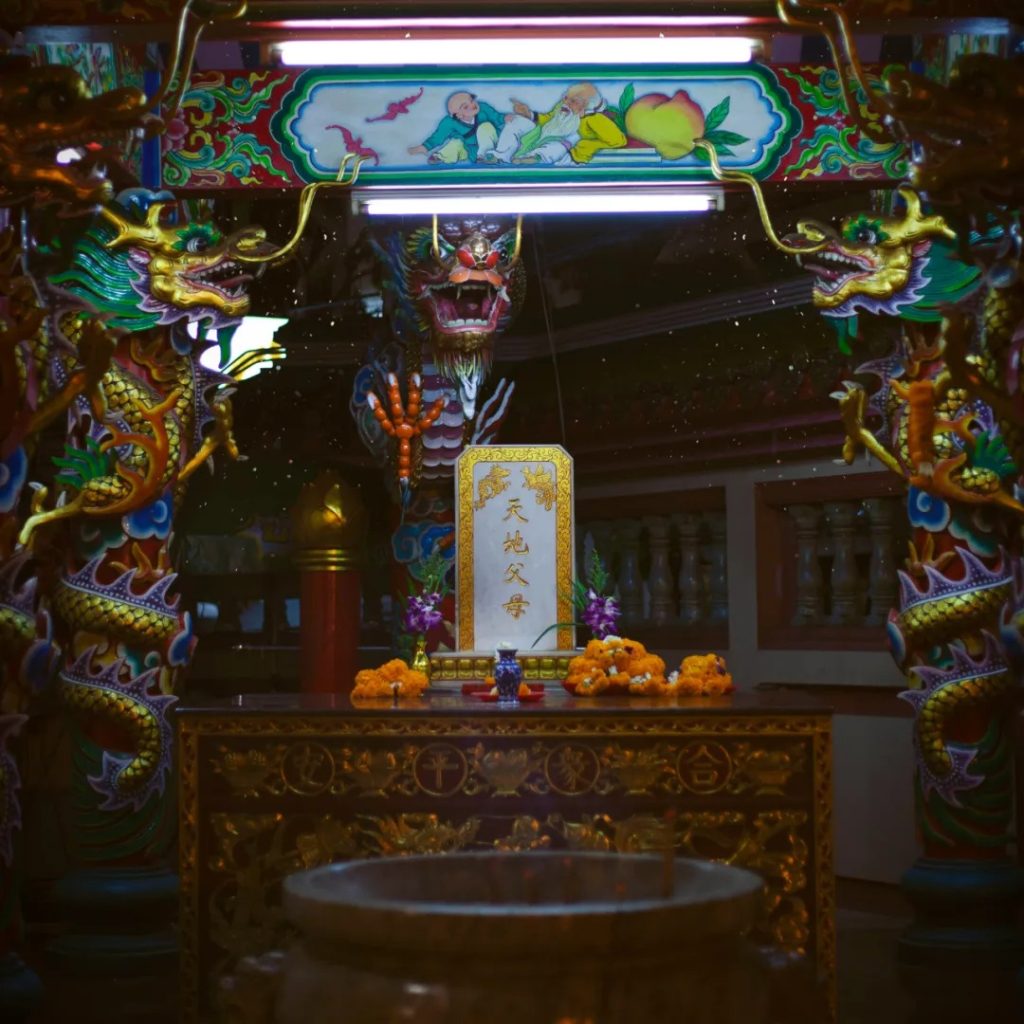
Nearby temples dedicated to Guan Yu, Guanyin, and Mazu attract constant worshippers. Around Lunar New Year, the streets turn red with lanterns, couplets, and festive decorations.
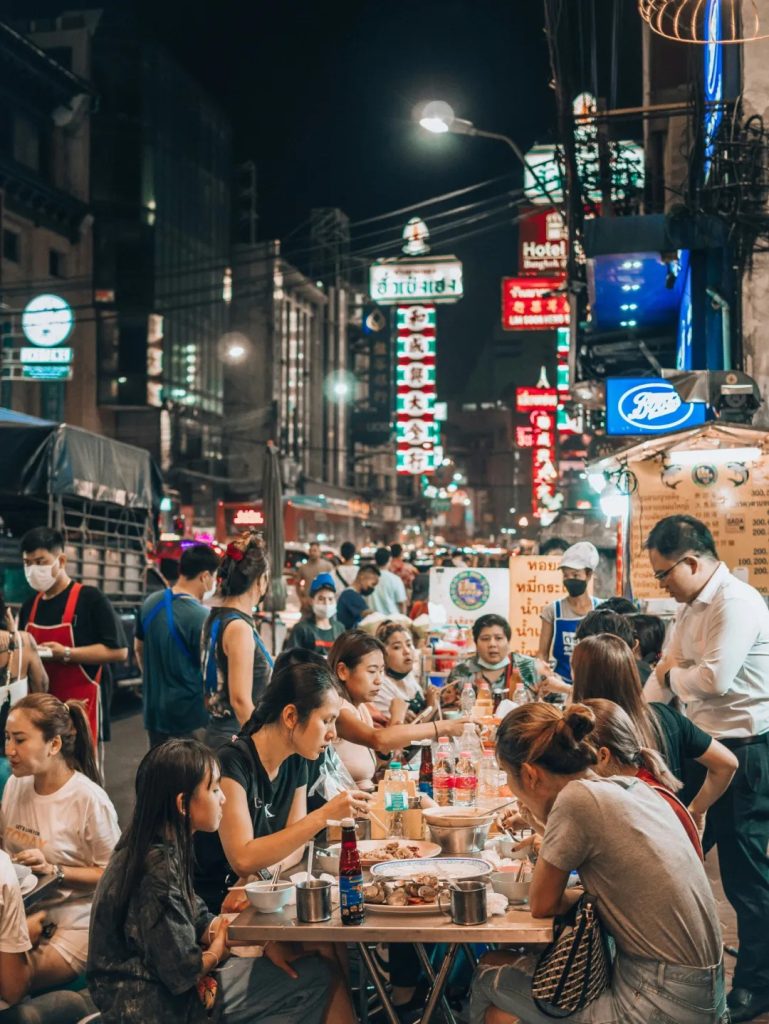
Chen Yi Kway Teow
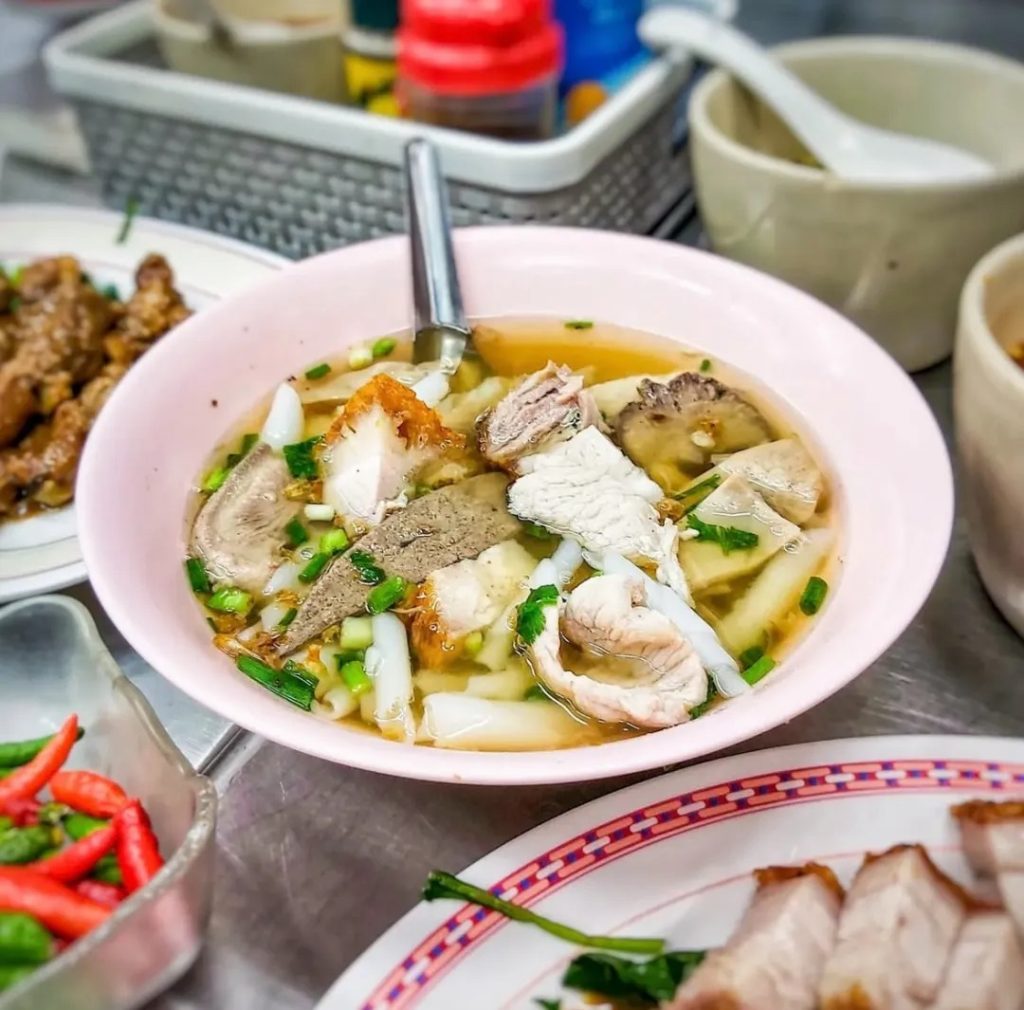
In Thailand, “kway teow” refers to almost any noodle. This shop specializes in Teochew cuisine’s kway chap: rolled rice noodles in a peppery broth, topped with pork offal, crispy pork belly, and fried pork skin. Slippery, savory, and deeply comforting—at just 64 baht for a small bowl.
Pa Tong Go Savoey
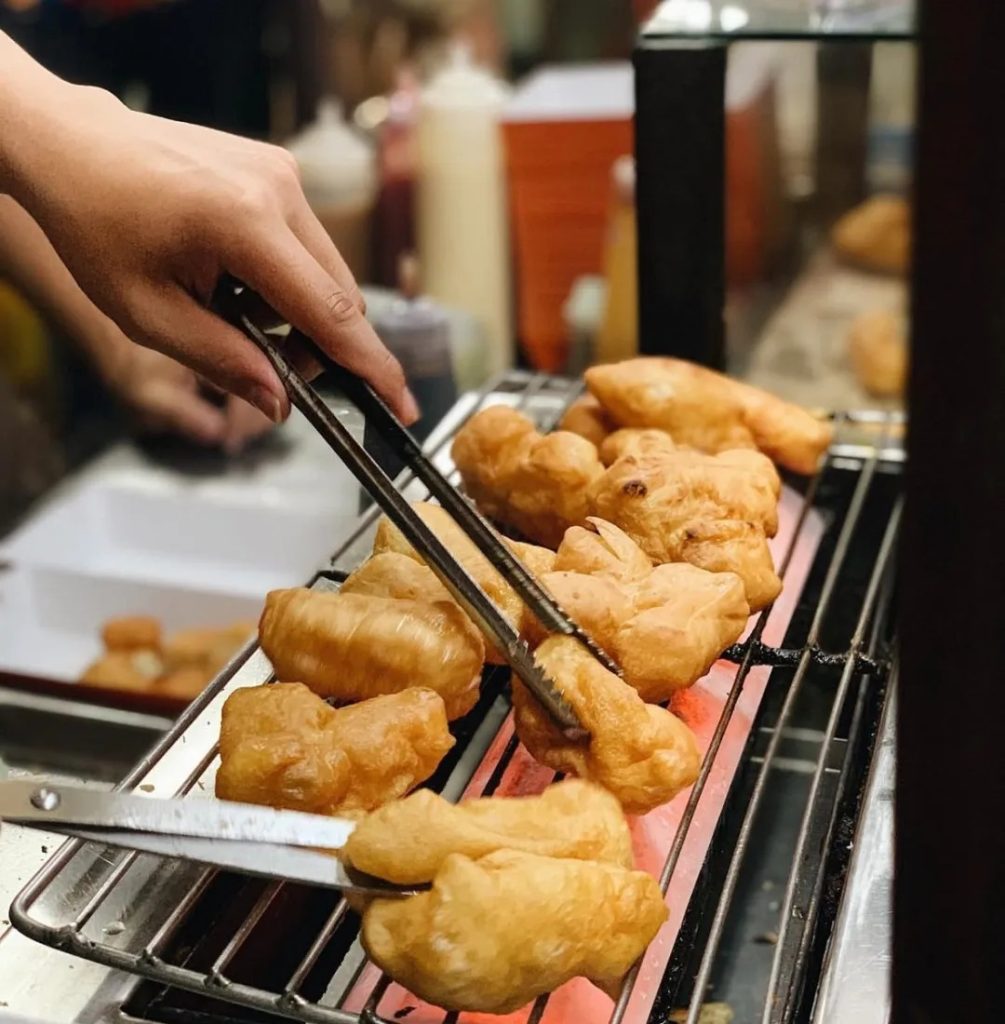
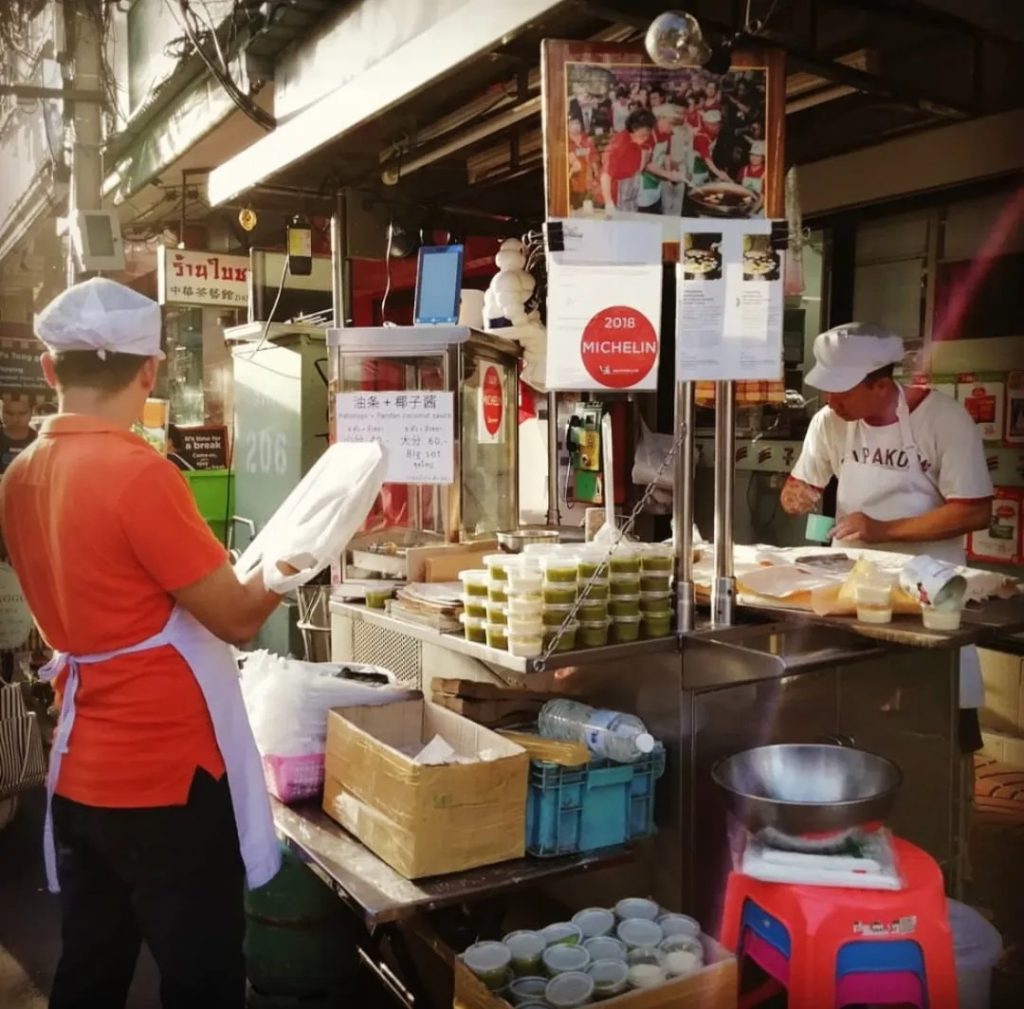
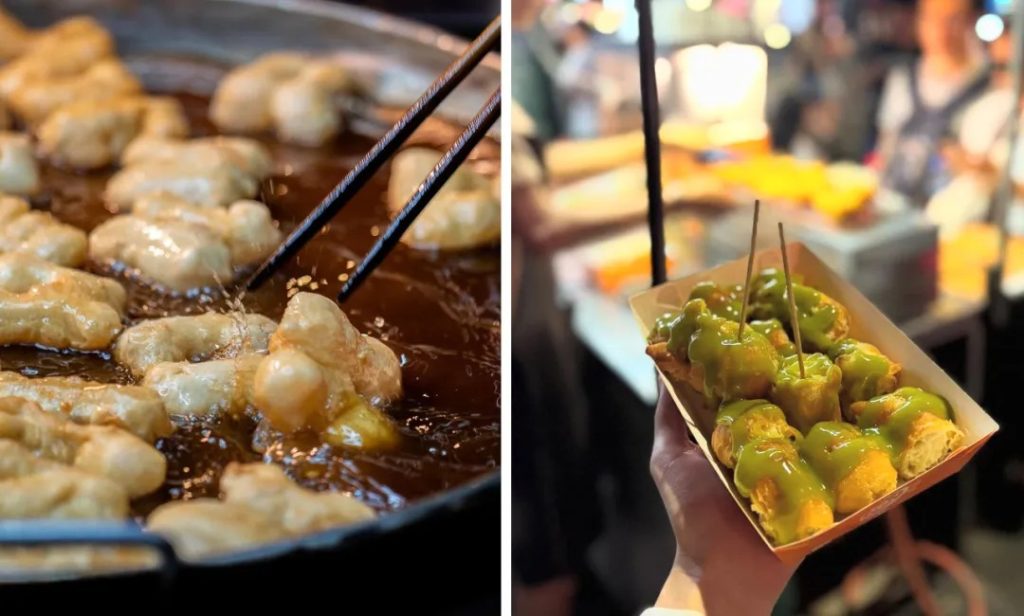
A legendary deep-fried dough stand with Michelin Guide recommendations from 2018 and 2019. Open only at night and sold out fast. The dough is crisp outside, fluffy inside, and dipped into pandan custard with a light coconut aroma—more dessert than breakfast.
Nai Mong Hoi Thod
Oyster omelette is a Fujian and Taiwanese street-food classic. This humble shop has earned six consecutive Michelin mentions. Go for the soft-fried version: silky eggs, plump oysters, zero grit, and pure umami.

Jek Pui Curry
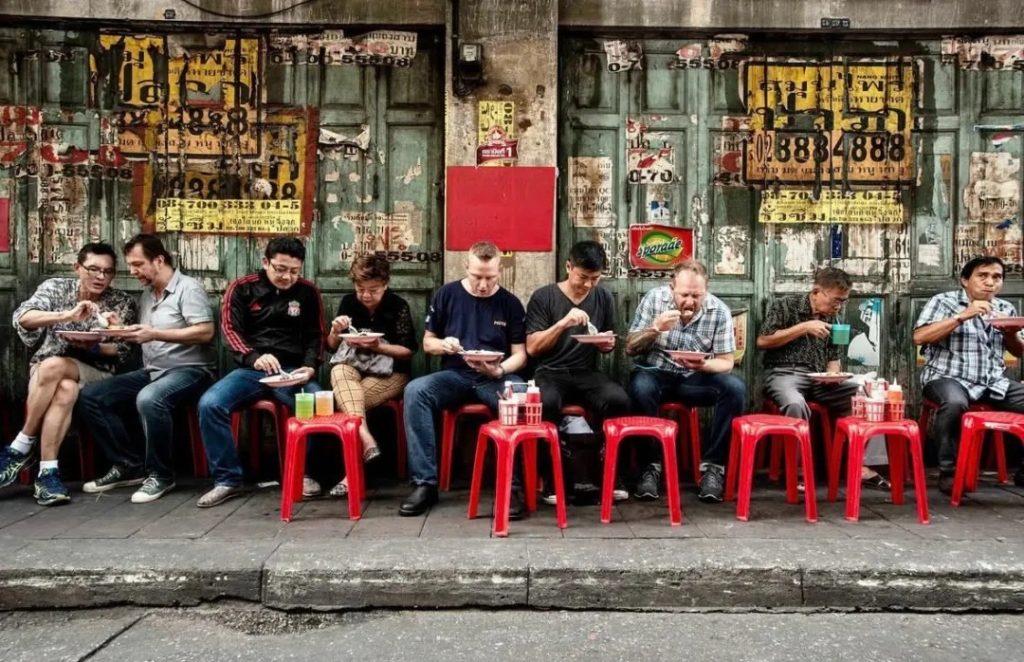
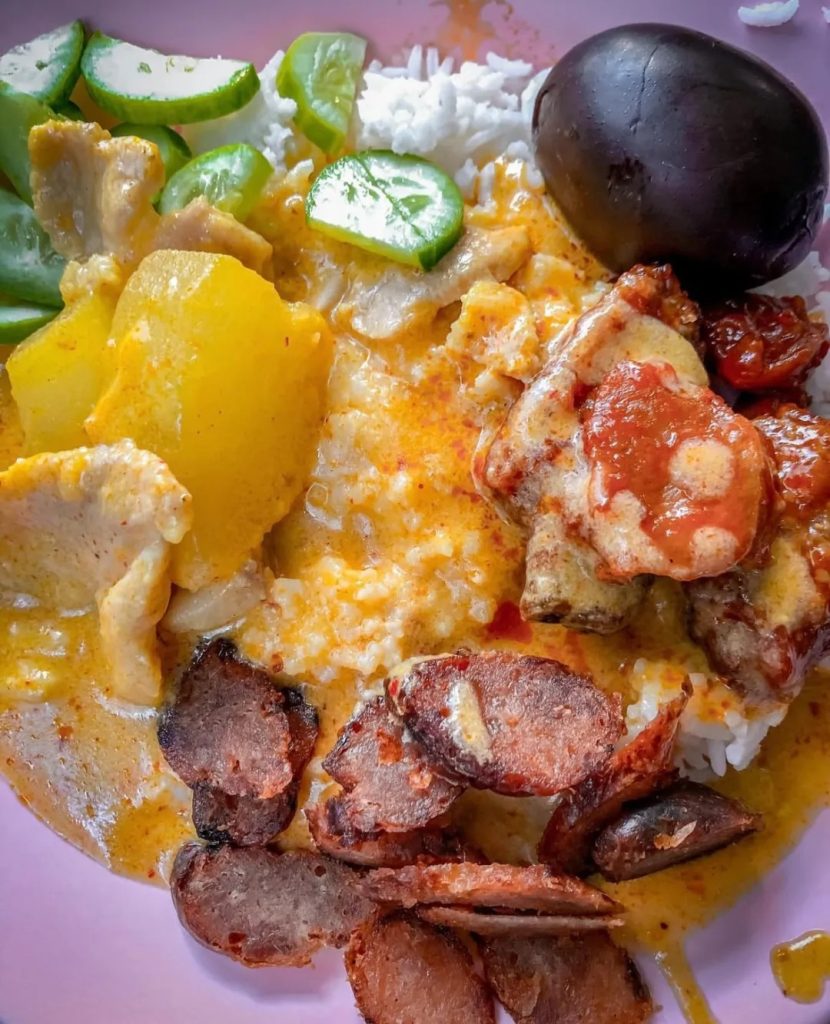
Featured on Netflix’s Street Food, this 70-year-old curry stall has no tables—just red stools lining the wall. Choose between red beef, green chicken, or yellow pork curry. One spoonful over rice and you’ll understand why it’s legendary. Add Chinese sausage for a Cantonese-style upgrade.
Zhen Zhen Ice Cream
After all that street food, cool down at this refined Nanyang-style ice cream shop. Run by a Teochew family, it offers 20+ house-made flavors like coconut, mango sorbet, blueberry yogurt, and cheesecake—perfect for a sweet pause.
Where Tradition Gets a Second Life
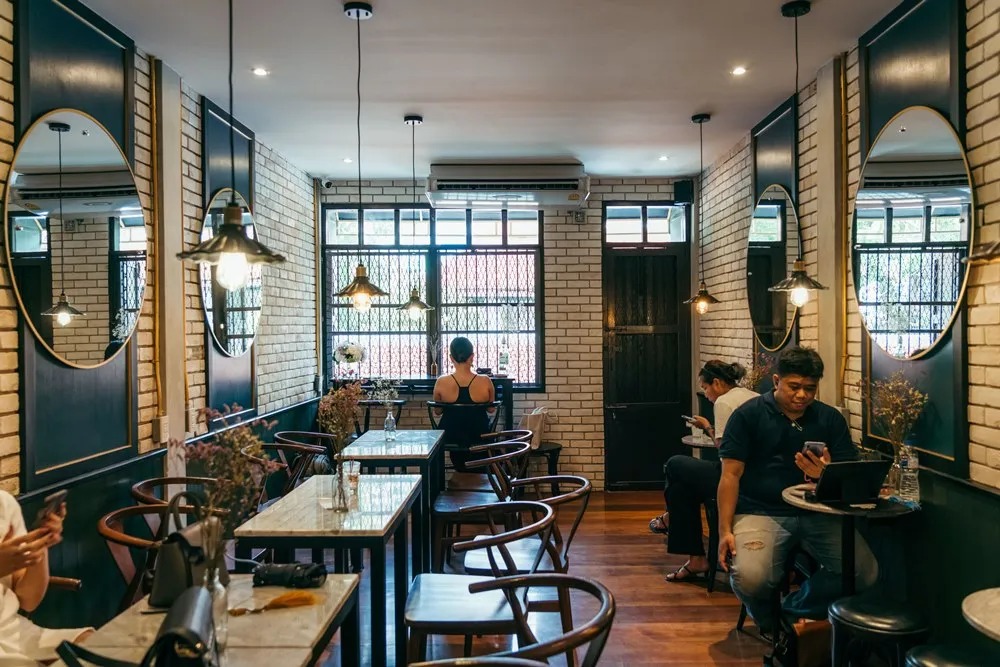
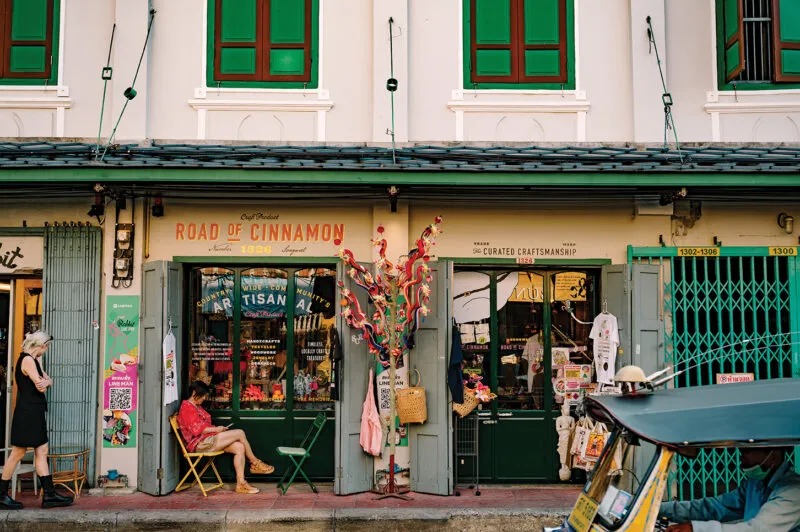
If Yaowarat Road delivers classic Chinatown visuals, Song Wat Road and nearby streets offer something deeper. One was Bangkok’s original commercial artery—its first department store, bank, and theater were born here. Another is a short, artsy lane that transformed an old port district into a creative playground.
Potong
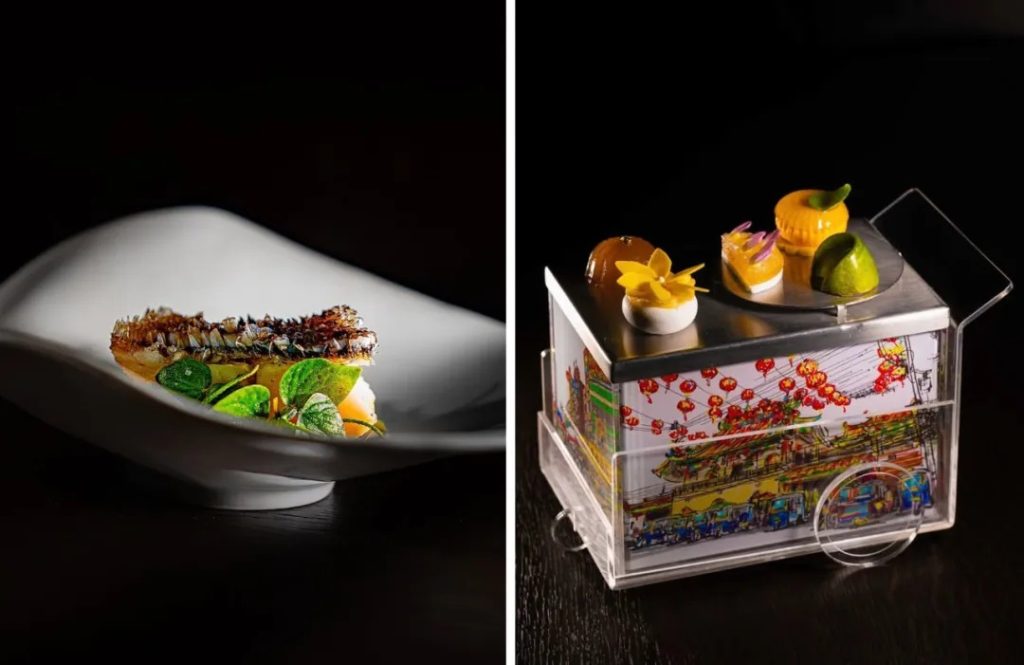
This former family Traditional Chinese medicine shop has become one of Asia’s most talked-about fine-dining destinations. Opened just four years ago, it earned a Michelin star and ranked No.13 on the World’s 50 Best Restaurants list in 2025.
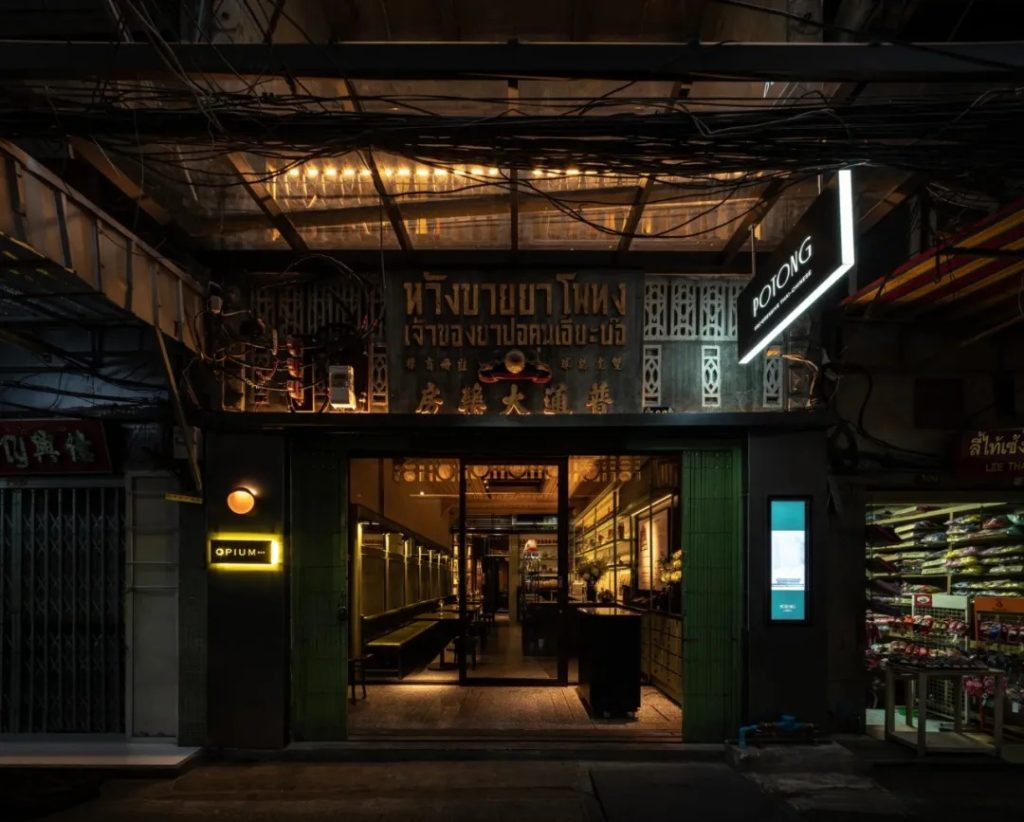
Guests move floor by floor: kombucha welcome drinks among old photos, cocktails inspired by comic books, and finally a long tasting menu upstairs. The 20-course experience blends family history with bold flavors—think 14-day dry-aged roast duck claypot rice and dishes inspired by the idea of “food as medicine.”
ATT 19
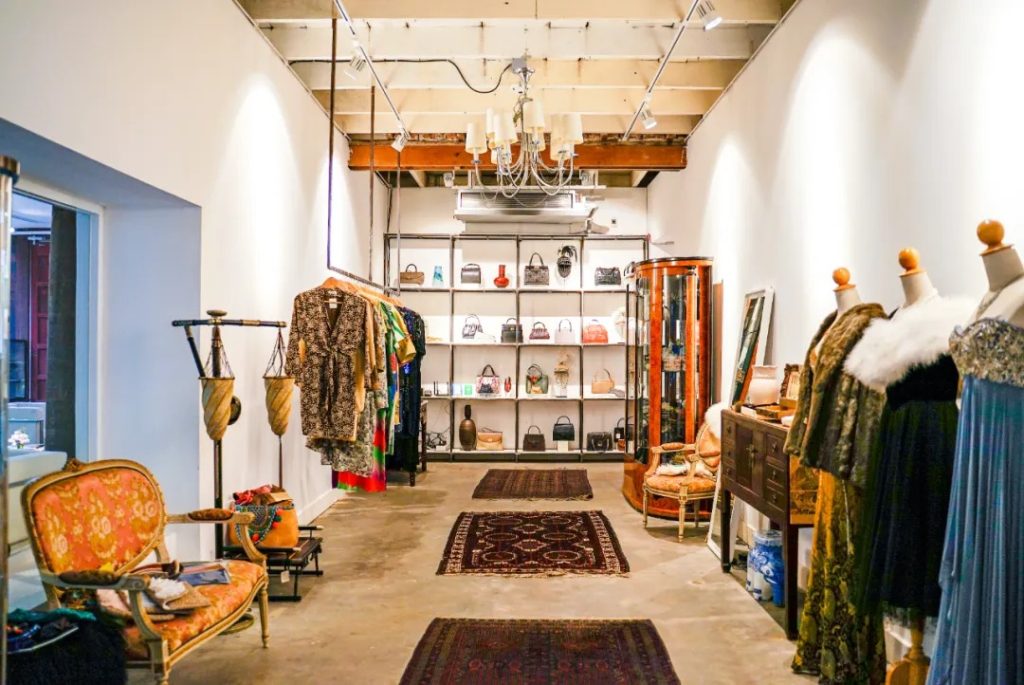
A former Chinese school transformed into an art gallery. Guardian-door god statues greet visitors at the entrance, while reclaimed wood, vintage tiles, Ming-style chairs, and exposed teak ceilings preserve the building’s soul. Inside, you’ll find ceramics, lacquerware, vintage clothing, and works by emerging Thai artists—plus a leafy courtyard café perfect for lingering.

Hong Sieng Kong
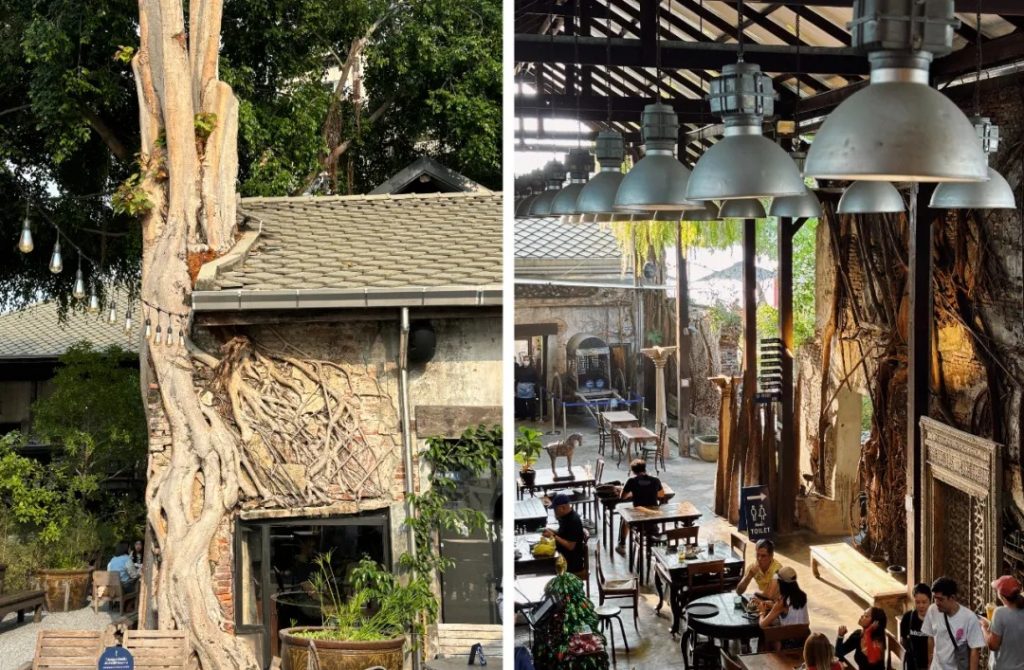
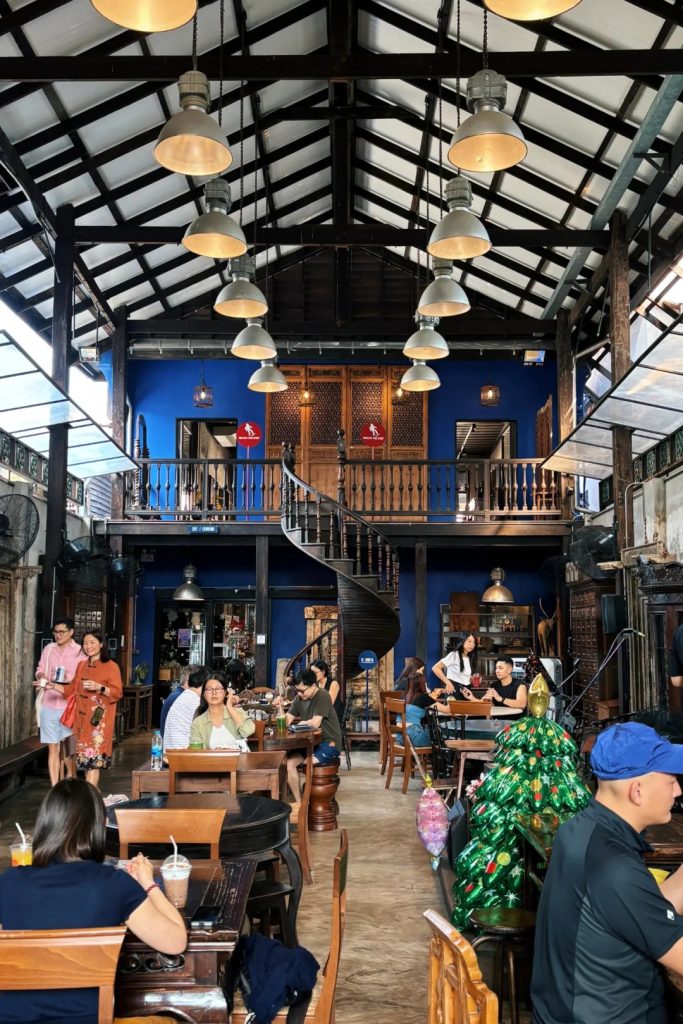
Once a 200-year-old charcoal warehouse by the river, now one of Chinatown’s most popular cafés. A teak spiral staircase leads to rooms packed with Chinese, Thai, and Burmese antiques. Outside, massive banyan trees shade the riverside seats. During holidays, live music adds to the relaxed, old-world atmosphere.

Khiri Thai Tea
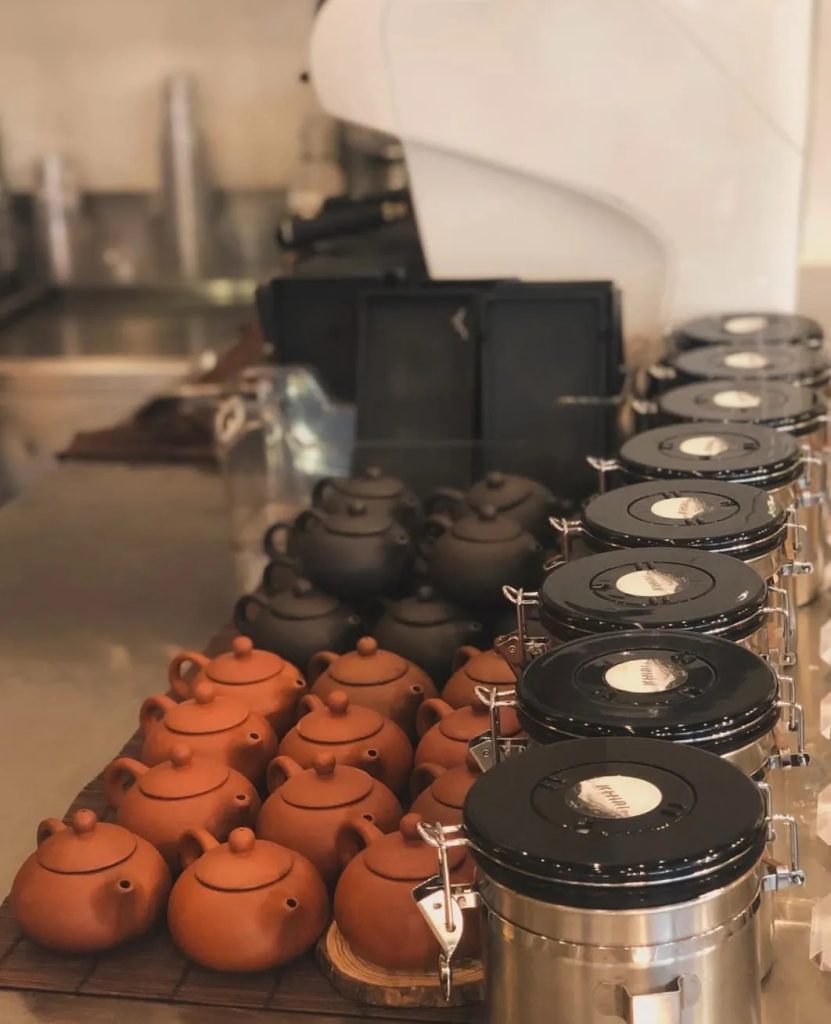
Here, Thai milk tea meets the idea of single-origin sourcing. Teas from Chiang Rai, Lamphun, Lampang, and Phayao are brewed fresh. Each comes with tasting notes, and you pour the tea yourself from a clay teapot into milk—simple, hands-on, and full of ceremony.