







Understanding egg nutrition is essential for making healthy choices. Walk into any supermarket and you’ll find a dazzling array of eggs, each offering unique benefits. As one of nature’s most complete foods, eggs provide high-quality protein, essential vitamins, and important minerals that support overall health. But with so many varieties and preparation methods, how do you maximize their nutritional value? This guide will help you navigate the world of egg nutrition, from selecting the healthiest options to avoiding common cooking mistakes that can undermine their benefits.
The Nutritional Powerhouses: Meet Your Egg Options
Not all eggs are created equal. Each type brings a unique nutritional profile to your table.
The Protein Champion: Chicken Eggs
When it comes to high-quality, bioavailable protein, the common chicken egg is undefeated. Packing about 13.3 grams of protein per 100 grams, its protein is almost completely absorbed by the human body. In Traditional Chinese Medicine (TCM), chicken eggs are considered neutral and are believed to nourish the blood, calm the spirit, and support recovery from illness. They are gentle on the digestive system, making them a suitable and excellent protein source for almost everyone. 

The Calcium King: Duck Eggs
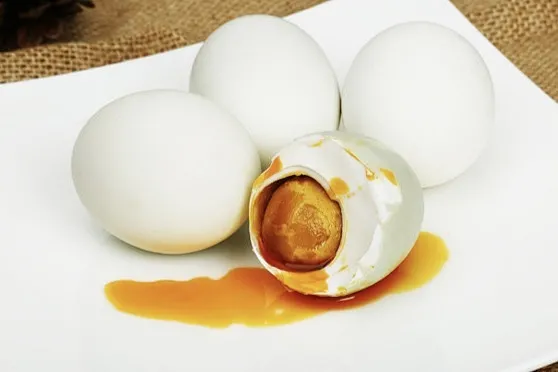
If you’re looking to boost your mineral intake, duck eggs are a standout, particularly for their calcium content. This mineral is vital for strong bones and teeth. The transformation into salted duck eggs actually doubles the calcium concentration. However, this process also loads them with sodium. Individuals with hypertension, heart conditions, or high cholesterol should consume them sparingly, and everyone should drink plenty of water afterward. From a TCM perspective, duck eggs have a cooling nature, helping to clear lung heat and are recommended for symptoms like coughs and sore throats.

The Selenium & Cholesterol Specialist: Goose Eggs
Goose eggs hold two distinct titles. They are exceptionally rich in selenium, a powerful antioxidant that supports immune function and metabolism, with about 27.24 micrograms per 100 grams. Conversely, they also contain the highest cholesterol levels among common eggs (approx. 704 mg/100g). While dietary cholesterol’s impact on blood cholesterol is complex, moderation is key, considering the general guideline of under 300 mg per day. TCM classifies them as “warming,” believed to strengthen the body’s core systems, making them a traditional food for convalescence and for fighting off cold weather.

The “Bad Eggs”: Cooking Methods That Spoil a Good Thing
Eggs are nutritional gems, but certain preparation methods can tarnish their benefits and even create health risks. Here are four common “bad eggs” to be aware of.
Deep-Fried Eggs: The Carcinogen Creator
- Risk Level: ⭐⭐⭐⭐⭐
- The Problem: Frying eggs at high temperatures, especially in reused oil, can lead to the formation of harmful compounds like free radicals and trans fats. Free radicals can damage cells over time, while trans fats are notorious for raising LDL (“bad”) cholesterol and increasing the risk of heart disease.

Century Eggs (Pidan): The Heavy Metal Hazard
- Risk Level: ⭐⭐⭐⭐
- The Problem: The traditional alkaline curing process that gives century eggs their unique dark color and gelatinous texture can also be problematic. It makes the protein harder to digest. More critically, some production methods may introduce lead or other heavy metals. Chronic overconsumption can lead to heavy metal toxicity, potentially harming the nervous and digestive systems.

Over-Cooked & Marinated Eggs: The Digestive Offenders
- Risk Level: ⭐⭐⭐⭐
- The Problem: This category includes hard-boiled tea eggs, soy-braised eggs, and especially “iron eggs” that are cooked and dried repeatedly. Prolonged cooking and marinating degrade precious nutrients and denature proteins into a tough, rubbery state that is very difficult for the stomach to break down, often leading to indigestion and bloating.

“Eggette” Waffles: The Sugar & Fat Bomb
- Risk Level: ⭐⭐⭐⭐
- The Problem: Don’t let the name fool you. These popular Hong Kong-style bubble waffles are a dessert, not a healthy egg dish. Loaded with butter, sugar, and often cooked in fat, a single serving can pack around 390 calories and 8 grams of fat. Regular consumption contributes to weight gain and increases the risk of obesity-related diseases like type 2 diabetes and heart conditions.

The Golden Rule: Smart Choices for Maximum Benefit
The verdict is clear: eggs are a nutritional powerhouse worth including in a balanced diet. The key is to choose wisely and cook smarter.
- Prioritize Gentle Cooking: Opt for poaching, boiling (soft or hard, but not overcooked), or scrambling with minimal oil.
- Practice Portion Control: Enjoy duck and goose eggs in moderation, especially if you are monitoring cholesterol or sodium intake.
- Read and Be Wary: Be mindful of processed egg products and egg-based snacks that are high in unhealthy fats, sugar, and sodium.
By understanding both the incredible strengths and potential pitfalls of Egg Nutrition, you can truly harness the power of the egg. So go ahead, enjoy that perfectly soft-boiled egg or fluffy omelet—you’re nourishing your body with one of nature’s finest foods.