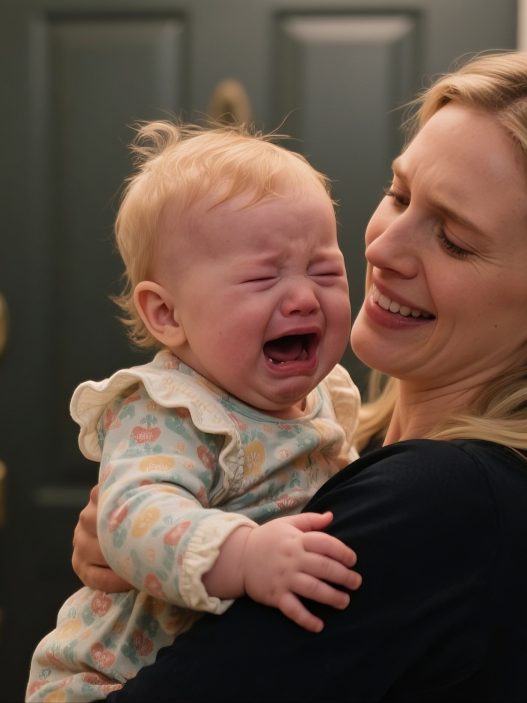






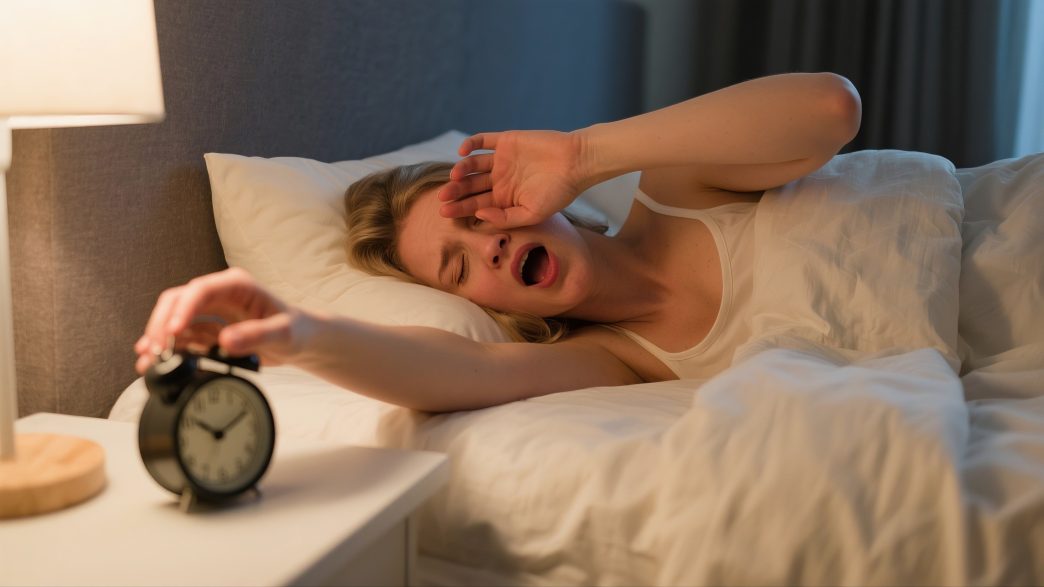
Ever notice how one bad night of sleep can make the entire world feel like it’s falling apart?
Maybe you stayed up too late, or tossed and turned with insomnia. The next day, your body feels heavy—but your mind feels worse. Suddenly you’re irritable, impatient, and emotionally raw. A food delivery arriving ten minutes late feels like a personal insult. A small misunderstanding with a coworker makes you want to slam your desk and quit.
You may feel pessimistic, hopeless about the future, and stuck replaying negative thoughts. You might even feel on the verge of tears. On top of that, your self-control weakens. The healthy dinner you planned turns into a craving for greasy fried chicken. People seem more annoying than usual. You argue with your partner or secretly consider cutting off a friend. 
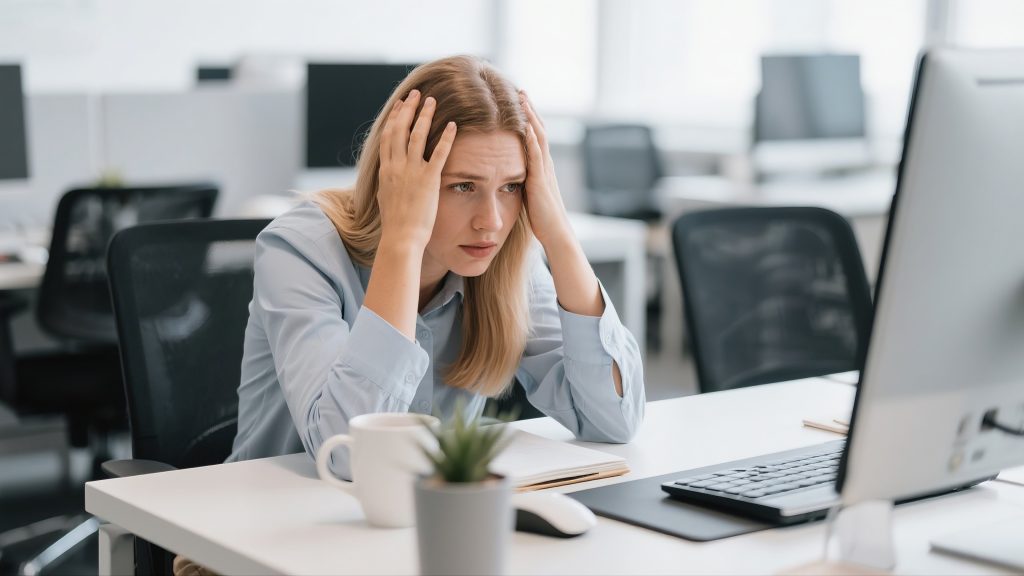
Take a breath. The world isn’t ending. Things aren’t actually as terrible as they seem.
You’re experiencing emotional imbalance caused by sleep deprivation.
Psychological research shows that sleep is a critical window for the brain to regulate emotions and process negative experiences. When you don’t get enough rest, biological changes disrupt this regulation system, amplifying negative emotions and weakening your ability to manage them. In today’s fast-paced world, chronic sleep loss has become common—but its emotional impact is often underestimated.
So why should we be extra cautious about the sleep-deprived brain?
Your Emotional “Alarm” Gets Stuck on High Alert
Inside your brain are two key players in emotional control:
- The amygdala, your emotional “alarm system,” which reacts strongly to threats and triggers feelings like anger and anxiety
- The prefrontal cortex, your emotional “brake,” which helps calm the amygdala and keeps reactions balanced
When you’re sleep-deprived, the amygdala becomes more reactive, while its connection with the prefrontal cortex weakens. The result? Emotional imbalance.
Negative emotions get triggered more easily
A rude customer comment that would normally feel like a “2 out of 10” irritation suddenly feels like an “8.” Your boss’s silence, once interpreted as “busy,” now feels like “they’re unhappy with me.”
Your ability to regulate emotions drops
You’re less able to “hold it in.” Emotional reactions burst out more easily, and once you’re upset, it takes longer to calm down.
Impulsivity and risky behavior increase
Sleep deprivation also raises impulsiveness and the desire for immediate rewards. You may overeat, shop impulsively, drive recklessly, or turn to substances. Your brain becomes more sensitive to both negative triggers and tempting rewards—making self-control much harder.
It’s like your emotional control center has been replaced by a drunk stranger shouting, “Danger!” “Do it!” “This will feel good—try it now!” But even after you give in, the pleasure often falls flat. In fact, the day after poor sleep, it’s actually harder to feel happy.

Why Everything Starts to Feel Hopeless
Lack of sleep doesn’t just amplify negative feelings—it also dulls positive ones. Studies suggest that reduced positive emotion may be even more significant than the rise in negative emotion.
So while your brain pushes you to crave rewards (like that fried chicken), it responds less strongly to them. You want it more, but enjoy it less.
This is partly linked to changes in neurotransmitters. Sleep deprivation can lower serotonin, which supports mood stability and well-being, while raising cortisol, the body’s primary stress hormone associated with anxiety and tension.
The result? You’re more vulnerable to depressive moods. You may ruminate on past negative events, feel worthless, lose motivation, and see the world through a gray filter.
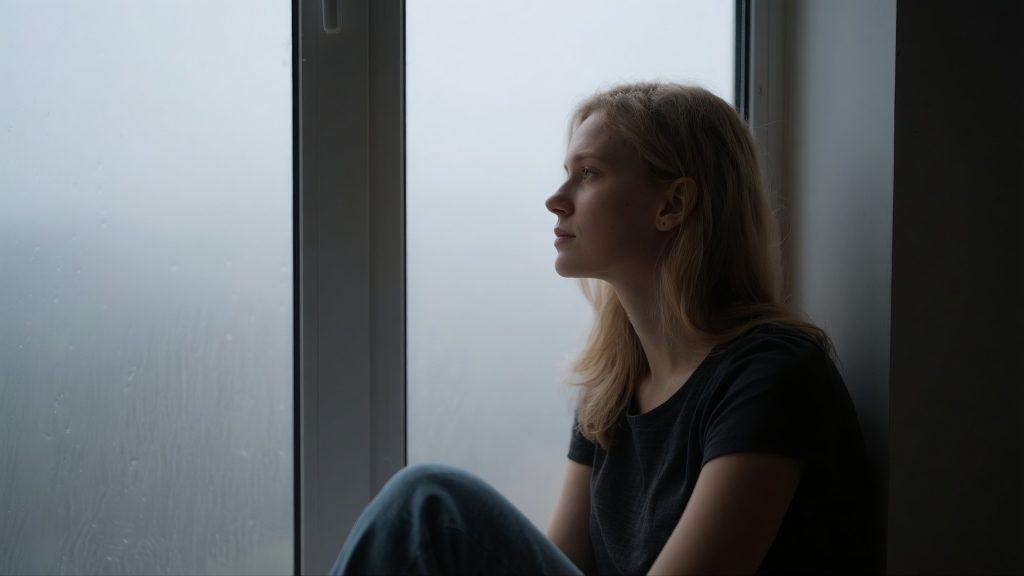
“He Doesn’t Love Me”—Or Maybe You Just Need Sleep
When you’re swinging between irritability and low mood, it’s no surprise that relationships suffer.
Research shows sleep deprivation impairs how we read facial expressions, especially signals related to threat (like anger) and reward. These skills are essential for smooth communication, so poor sleep increases misunderstandings and conflict.
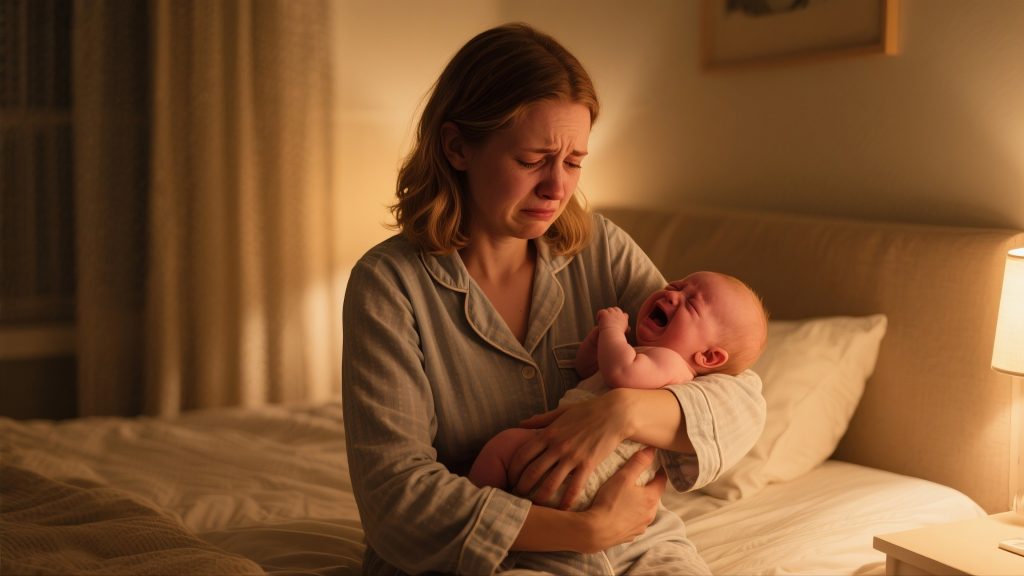
Studies on couples also show that sleep loss reduces empathy and understanding between partners. Over time, blame increases and willingness to resolve conflict decreases. This partly explains why relationships often struggle after a baby is born—no one functions well emotionally while severely sleep-deprived.
Because of these difficulties, sleep-deprived people often withdraw socially. Fatigue leads to canceled plans, missed work, and less consistent social interaction. Losing social support can further reduce happiness and resilience.
Sleep Is a Foundation of Psychological Resilience
In psychology, resilience refers to the ability to adapt, cope, and grow through adversity. While many factors shape resilience, quality sleep is one of them.
During REM sleep, the brain processes emotionally intense memories and helps reduce their emotional charge, integrating them into broader memory networks. This makes future stress easier to handle.
During NREM sleep, activity in the amygdala is dampened, reducing the emotional intensity of stored memories.
In other words, your brain works overnight to help you recover emotionally. When sleep is cut short, this emotional “cleanup” process is disrupted. That’s why getting a good night’s sleep after a tough day can make everything feel more manageable.
If You’re Emotionally Vulnerable, Sleep Matters Even More
One bad night usually just means a rough day. But for people already struggling with emotional difficulties—such as depression, anxiety disorders, or hormonal changes during menopause—the effects of sleep deprivation can be much more serious.
Research shows insomnia is highly linked to mental disorders. Poor sleep can worsen low mood and loss of interest in people with depression, reduce the effectiveness of antidepressants, and make symptoms harder to treat. For anxiety disorders, sleep loss can intensify anxious thought loops and even trigger panic attacks.
Insomnia also raises the risk of depression returning. Long-term sleep problems can create a vicious cycle: poor sleep worsens emotional distress, which then makes sleep even harder.
If you know you’re in a vulnerable emotional period, protecting your sleep becomes especially important.
So What Should You Do on a Sleep-Deprived Day?
1. Thoughts are not facts
When negative emotions flood in after poor sleep, remind yourself: these are mental states, not objective truths. Be cautious about making big decisions while emotionally overloaded.
2. Use emergency emotional regulation tools
Simple strategies like deep breathing, light exercise, or a walk outdoors can help stabilize your mood when sleep-deprived.
3. Sleep quality matters more than sleep length
Research suggests sleep timing and quality can affect well-being even more than total hours slept. You might be in bed long enough but still wake up exhausted because your sleep wasn’t restorative.
If sleep and mood problems persist and begin to interfere with daily life, seeking professional help is important.
Finally, don’t underestimate the power of everyday basics: eat regularly, sleep as well as you can, and keep your body moving. These simple habits create a stable foundation that supports mental health—especially during difficult times. Healing is rarely quick or simple, but every small step in the right direction matters.