




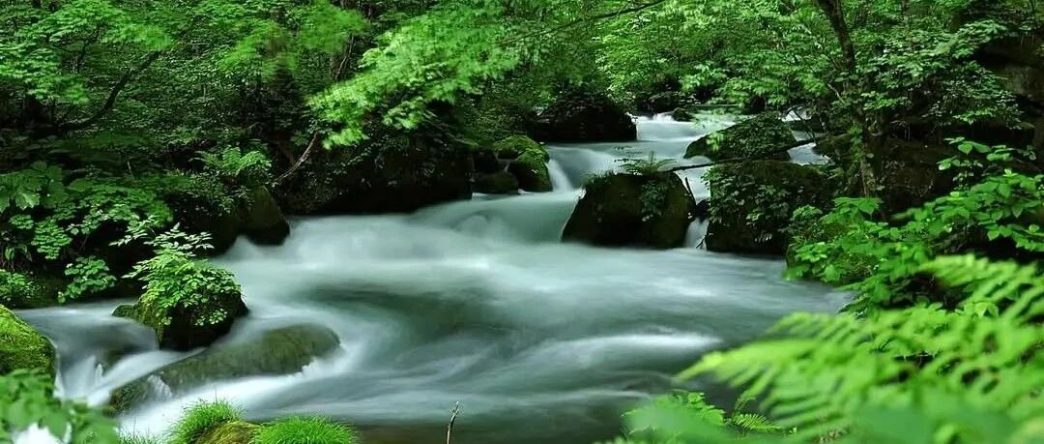
Tucked away in Aomori Prefecture, Oirase Gorge is one of Japan’s most celebrated natural landscapes. Stretching about 14 kilometers from Lake Towada to Yakeyama, this pristine mountain stream flows through dense forests, mossy rocks, and countless waterfalls.
Recognized together with Lake Towada as a Special Place of Scenic Beauty and Natural Monument, Oirase Gorge is often described as both a “forest bathing paradise” and a “living botanical garden.”
A Natural Oxygen Bar in the Forest
Nearly 95% of the gorge is covered by untouched forest, dominated by Japanese cypress, beech, and maple trees. Clear running water winds past emerald moss-covered stones, creating a cool, humid microclimate rich in negative ions—up to 5,000 per cubic centimeter. 
Every step feels refreshing, making Oirase an ideal escape from Japan’s hot and humid summers.
Seasonal Beauty Throughout the Year
Fresh Greenery (May–June)
As mountain snow melts, the stream swells and ferns awaken. Young leaves form a bright green canopy, and the gorge feels alive with renewal.
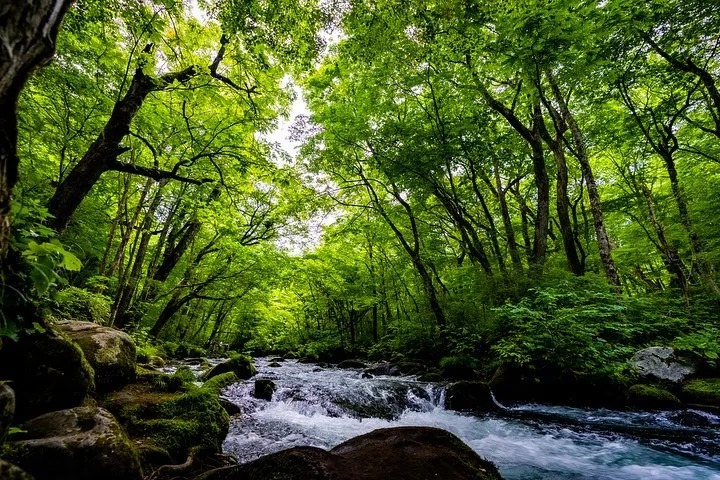
Summer Coolness (July–August)
With an average temperature of around 22°C, Oirase Gorge becomes a natural air conditioner. Dense forests provide shade, and the sound of flowing water makes summer hiking especially pleasant.
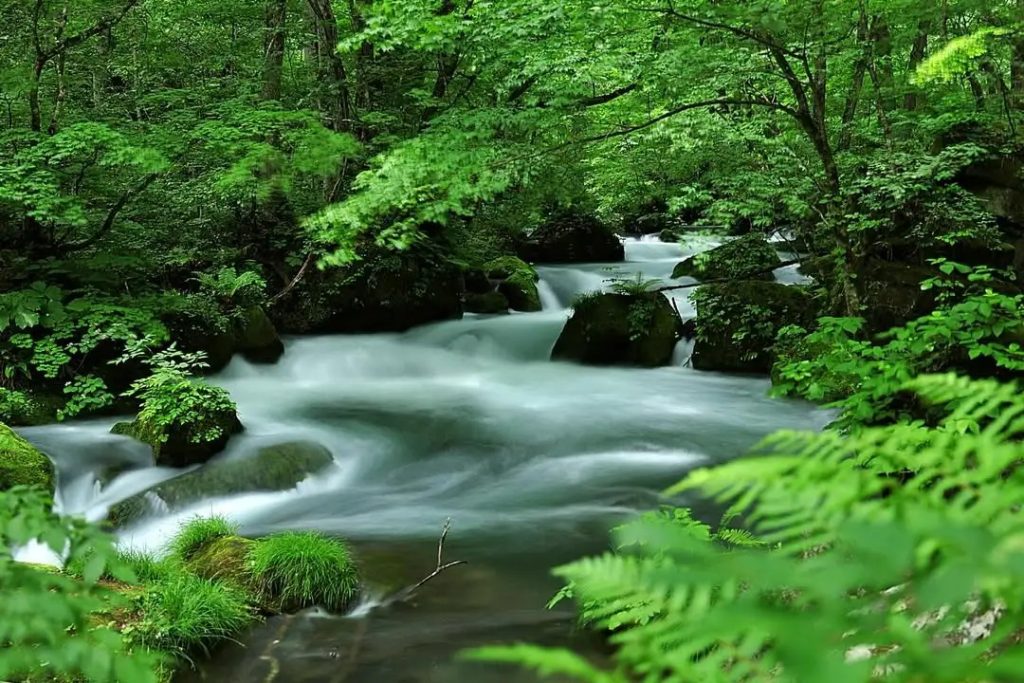
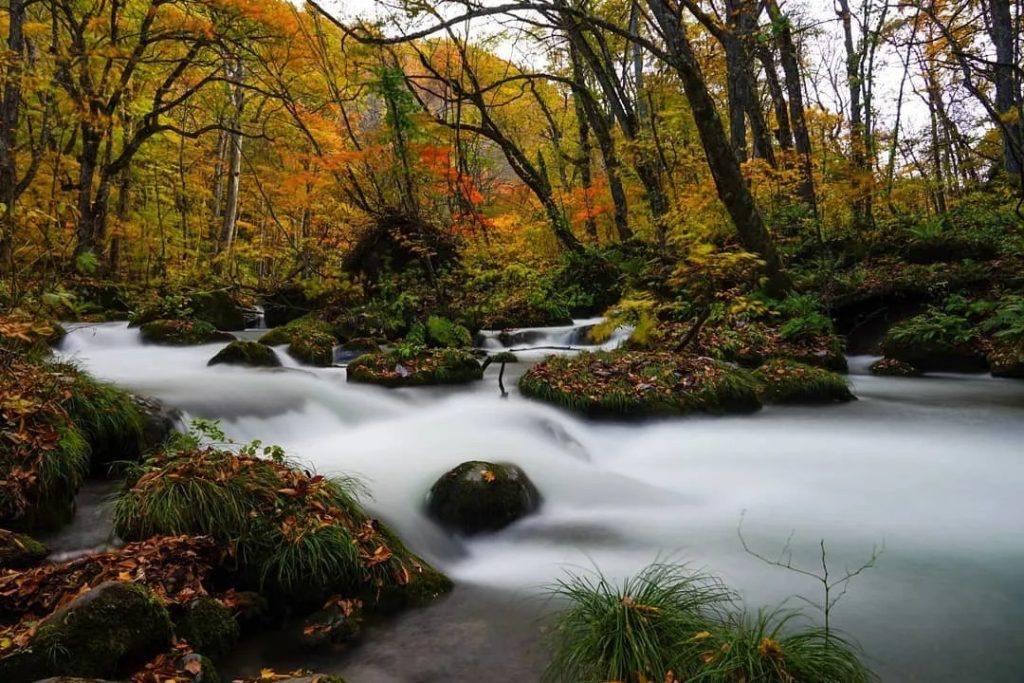
Autumn Colors (Late October–Early November)
Maple and beech trees paint the gorge in layers of red, orange, and gold. Sunlight filters through the leaves, creating a glowing “corridor of light” along the trail.
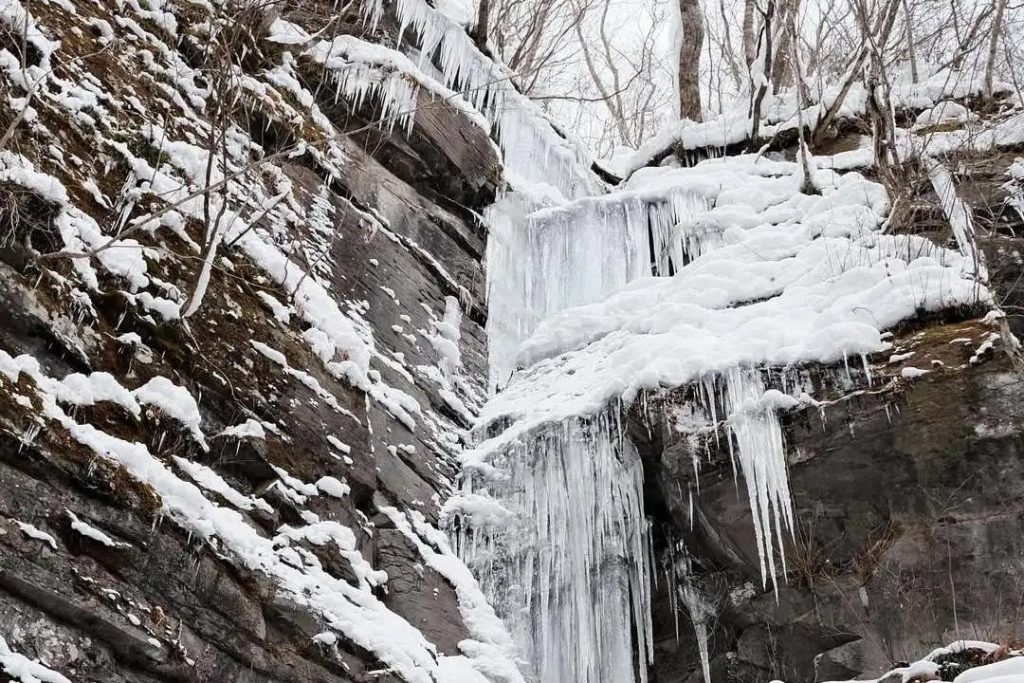
Winter Snow and Ice (December–March)
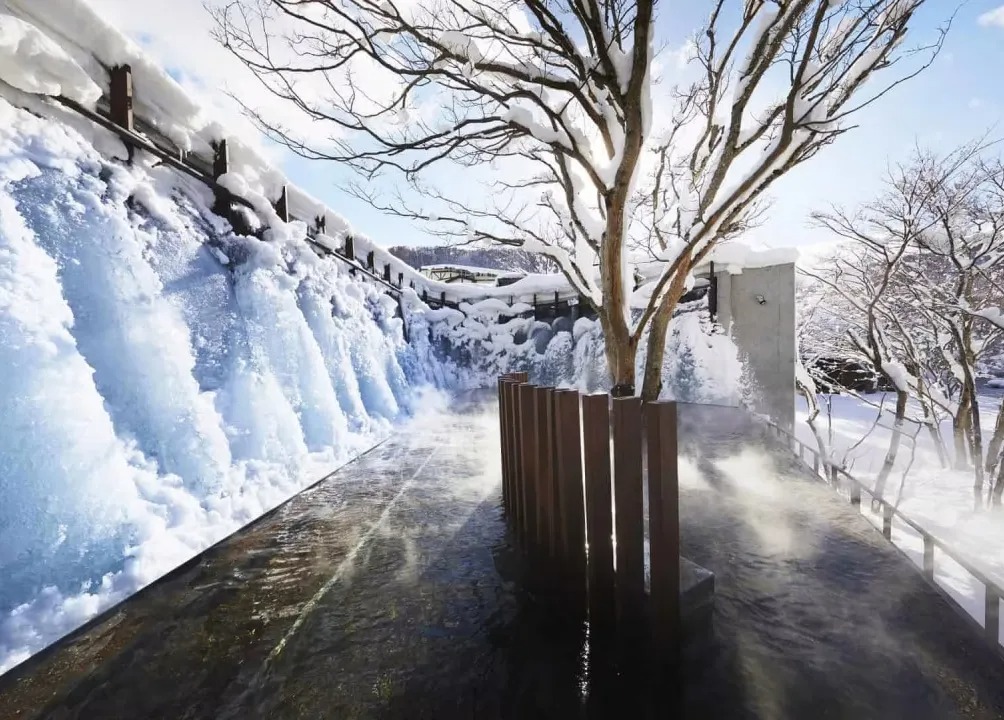
In winter, waterfalls freeze into dramatic ice formations. Snow blankets the forest, and branches sparkle with frost—a phenomenon known locally as “snow monsters,” offering a completely different, almost surreal landscape.
Hiking Along the Stream
Classic Walking Route
The most popular trail runs from Ishigedo downstream to Nenokuchi upstream, taking about 4–5 hours at a relaxed pace. The path passes moss ecosystems and numerous waterfalls.
In the upper section between Yakeyama and Nenokuchi, wooden boardwalks and multilingual guide signs make walking safe and informative.
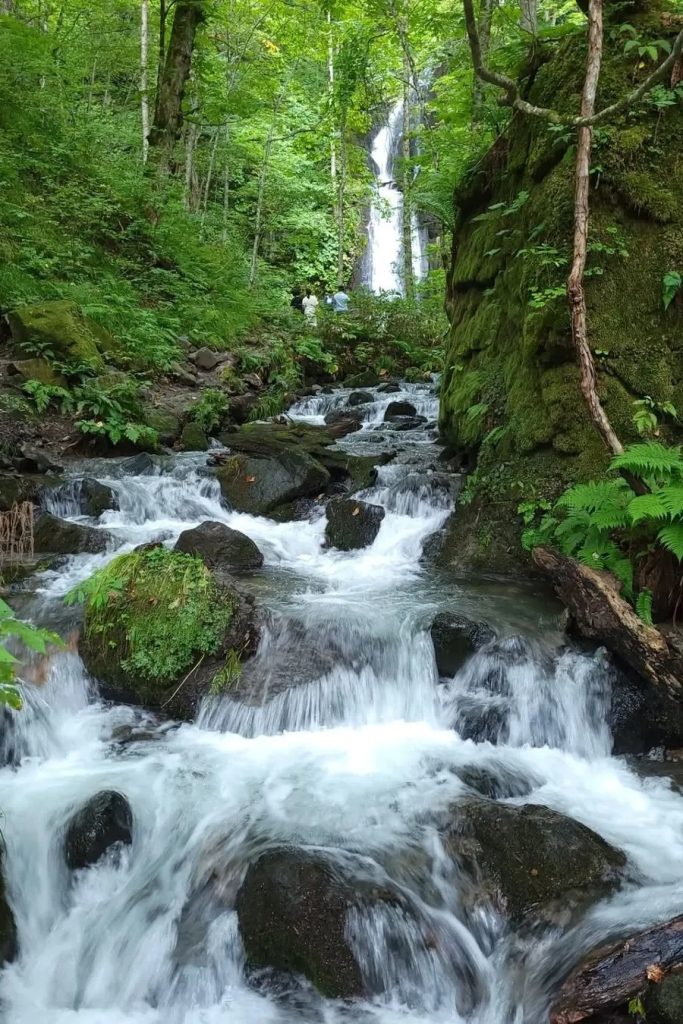
The Highlight Section
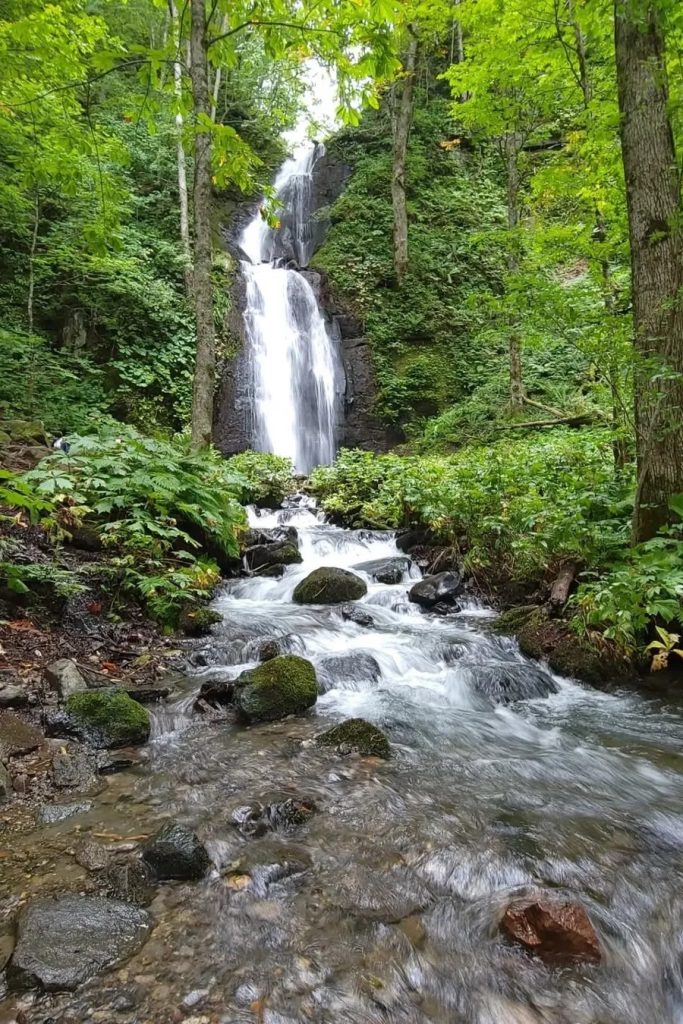
The most scenic stretch lies between Chōshi Ōtaki Waterfall and Ishigedo. Walking upstream along this 7-kilometer section allows hikers to experience waterfalls at close range and feel their full power.
Where to Stay: Hoshino Resorts Oirase Keiryu Hotel
The Hoshino Resorts Oirase Keiryu Hotel is the only resort located directly along the stream. Designed as a “luxury mountain lodge,” it blends high-end comfort with raw nature.
Floor-to-ceiling windows in the lobby frame the forest like living artwork, while a central bronze fireplace designed by Tarō Okamoto, titled Forest Myth, creates a deeply immersive atmosphere.
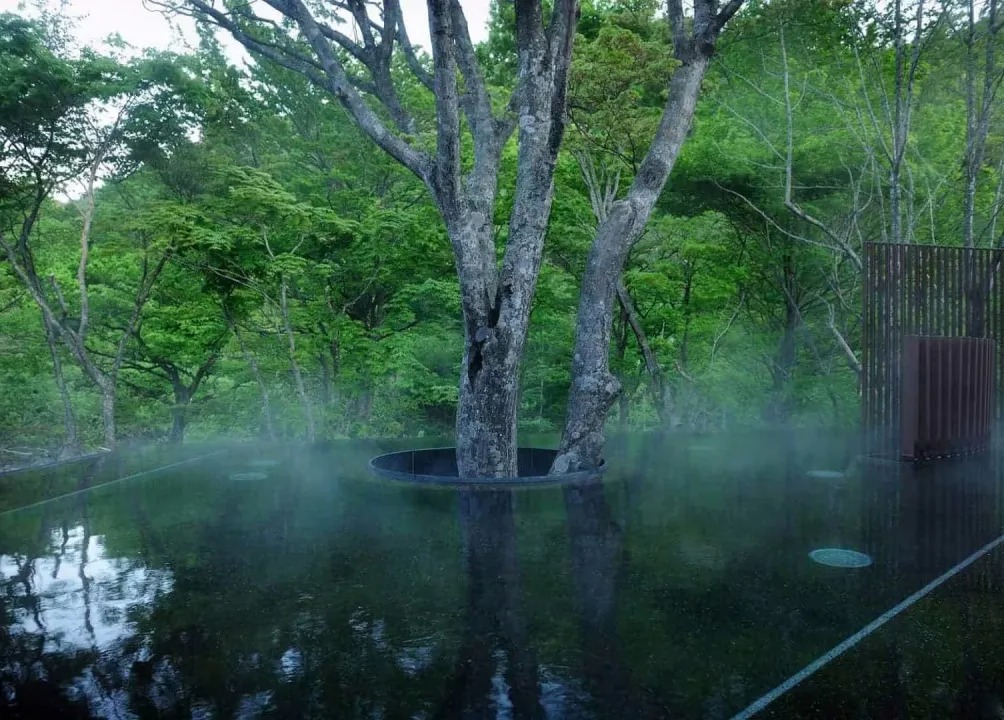
Streamside Open-Air Hot Springs
The outdoor baths draw inspiration from nearby Mount Hakkōda hot springs. In winter, the baths transform into “icefall onsen,” where guests soak while gazing at frozen waterfalls.
Surprise Room Concept
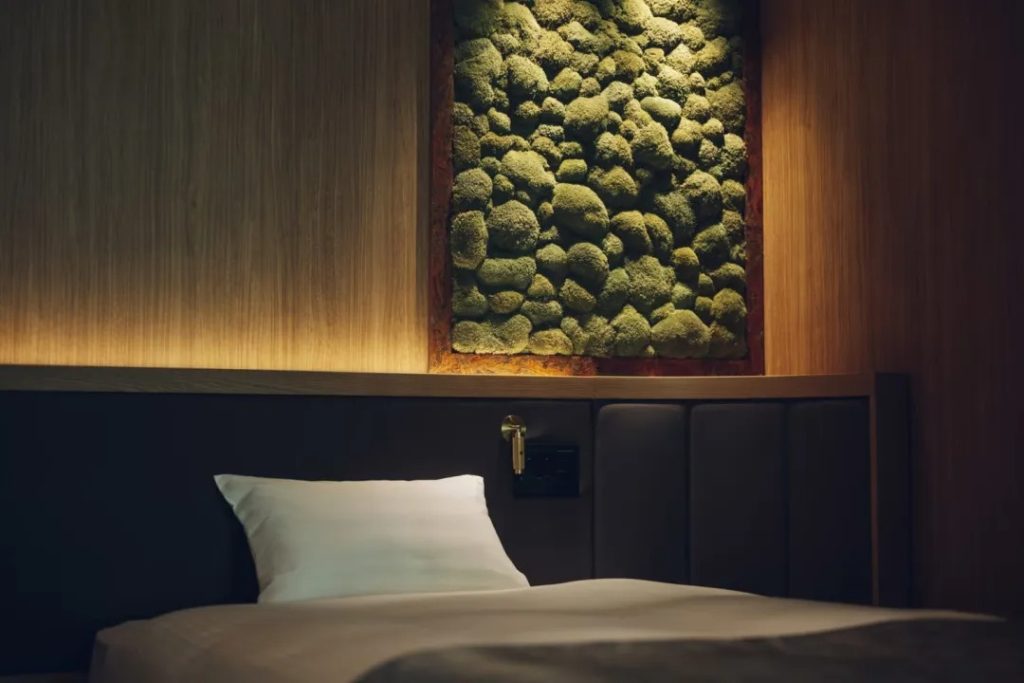
Many rooms are assigned in a “blind box” style, offering spacious interiors and guaranteed stream views. In 2025, the hotel introduced a new Moss-Themed Suite, featuring real moss integrated into the room’s interior design.
Open-Top Stream Sightseeing Bus
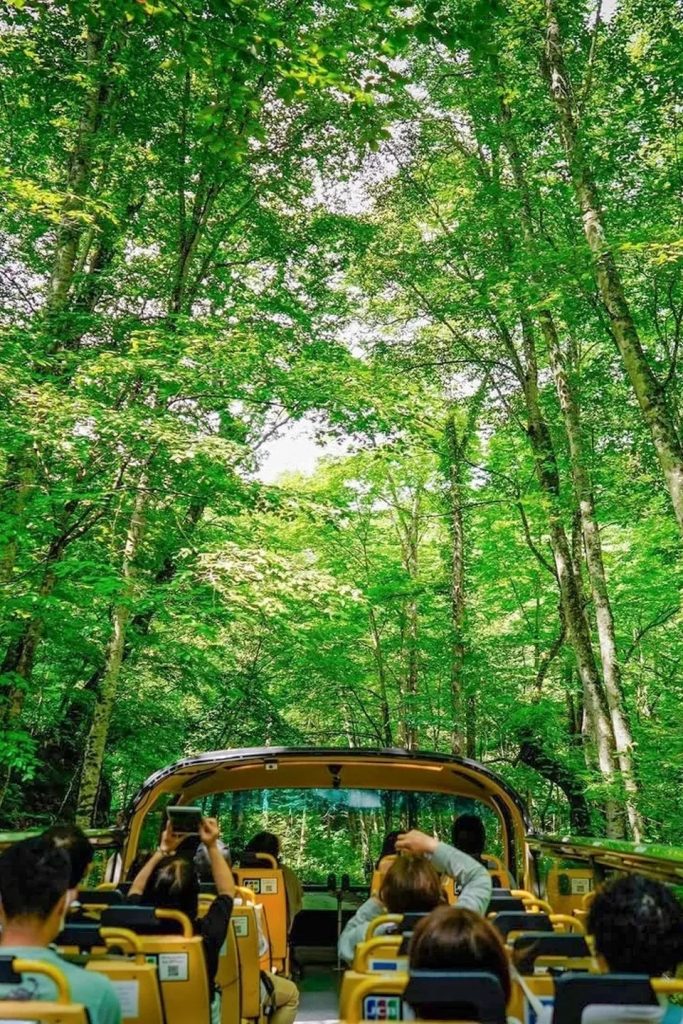
One of the most enjoyable ways to explore Oirase is by riding the roofless open-top sightseeing bus. With unobstructed 360-degree views, passengers glide through the gorge, fully immersed in forest air and flowing scenery.
Guided Stream Walks
Join a local stream concierge for a guided walk covering 2.5 kilometers from Tama-dare Falls to Chōshi Ōtaki in about two hours. Another popular route runs through the midstream area from Ishigedo to Kumoi Falls, covering 2.8 kilometers at an easy pace.
Bonus Experience: Aomori Nebuta Festival
If you visit in early August, don’t miss the Aomori Nebuta Festival, held annually from August 2 to 7. This iconic summer event features massive illuminated floats, traditional music, and energetic dancing—and is officially recognized as an Important Intangible Folk Cultural Property of Japan.