





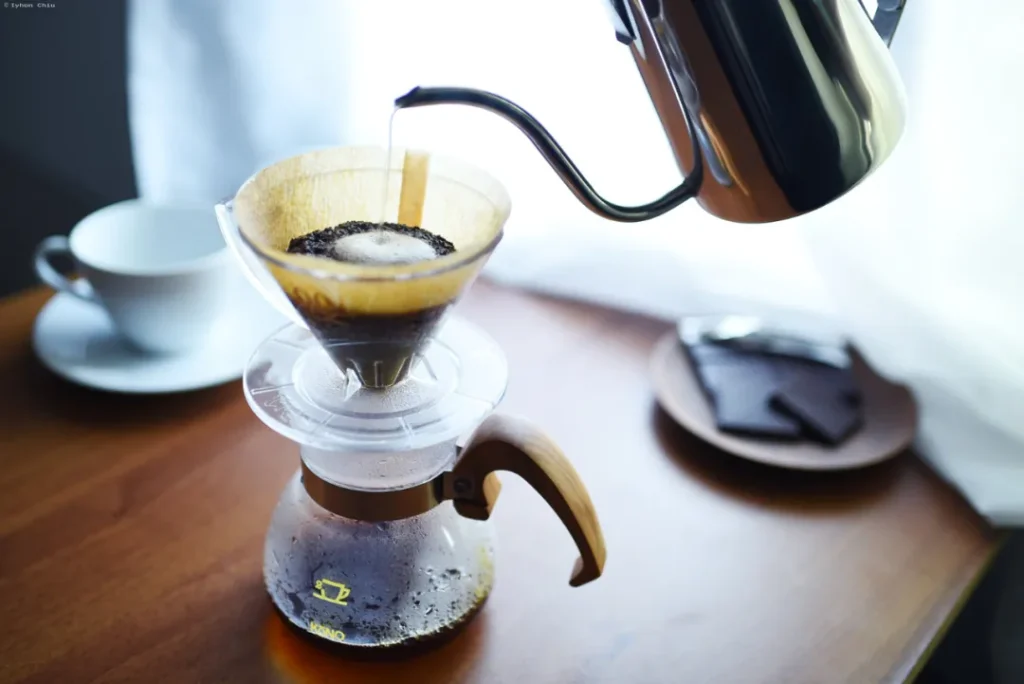
Do you ever watch a barista meticulously pour water over coffee grounds and wonder: is this ceremony or science? Welcome to the fascinating world of Pour-Over Coffee. It’s the bridge between grabbing a quick cup and truly understanding coffee. This method, where hot water gracefully meets ground beans through a filter, produces a clean, nuanced cup that highlights the bean’s true character. But with its precision and apparent ritual, many ask: Is it overhyped? Is the skill barrier real? Let’s cut through the steam and dive into the honest art and accessible science of brewing an exceptional pour-over, proving it’s neither magic nor pretense—just profoundly good coffee.
Demystifying the Craft: The Real Factors Behind the Flavor
The heart of pour-over isn’t in a secret hand motion; it’s in understanding a simple hierarchy of influence.
The 60-30-10 Rule of Great Coffee
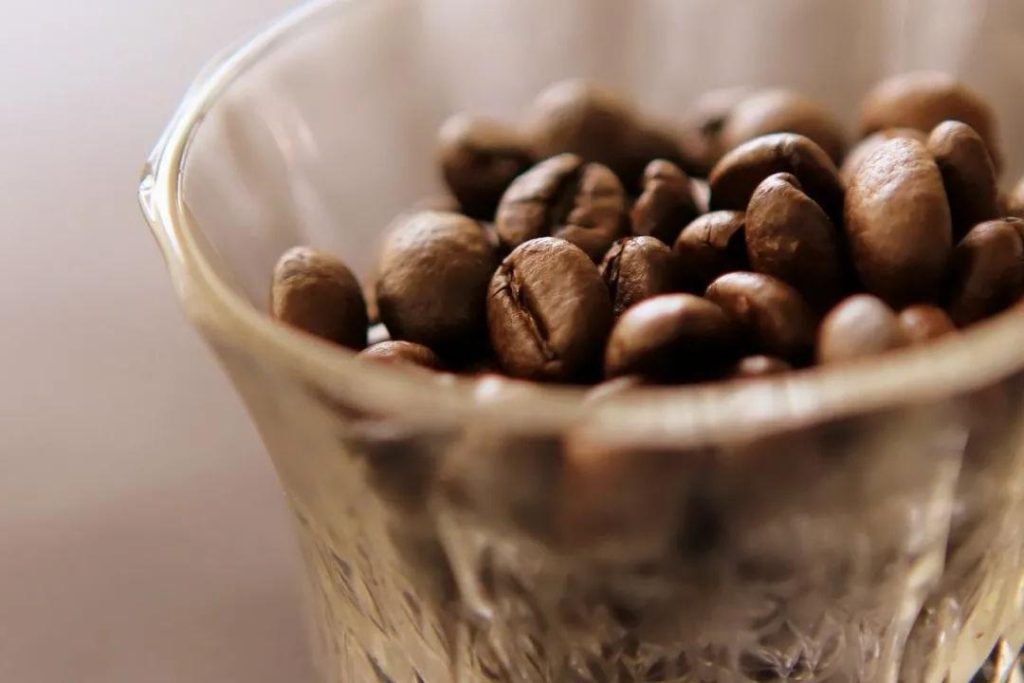
Think of your final cup as a puzzle. A whopping 60% of the flavor potential is locked in the green coffee beans themselves—their origin, variety, and how they were processed. The roaster’s skill in unlocking that potential accounts for 30%. Your role as the brewer? It influences the final 10%. This means with high-quality, freshly roasted beans, you’re already 90% of the way to a fantastic cup. Your job isn’t to create flavor from nothing, but to faithfully extract the beautiful flavors the farmer and roaster worked hard to provide. 
Where Your 10% Makes All the Difference
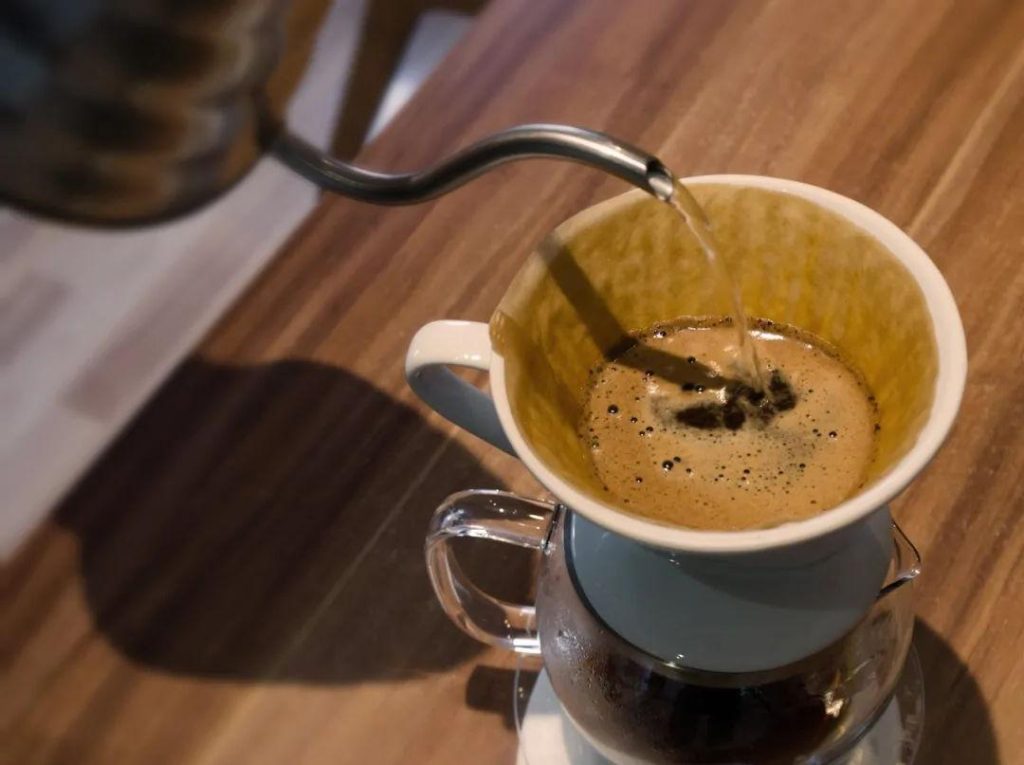
This is where personal artistry meets science. While two people using the same beans might get similarly good results, the pursuit of perfection is the craft. It’s about tailoring the extraction to your taste: emphasizing bright citrus notes or deepening chocolatey tones. The much-discussed pouring patterns? Their sole purpose is even saturation to avoid under or over-extracting parts of the grounds. The goal is consistency, not choreography.
Your Practical Pour-Over Troubleshooting Guide
Bought great beans but your brew is too sour or bitter? Here’s your actionable framework. Flavor is controlled by three key variables: Grind Size, Water Temperature, and Brew Time. Adjust one at a time while keeping the others constant.
The Golden Trio of Variables
1. Grind Size: The Flow Controller
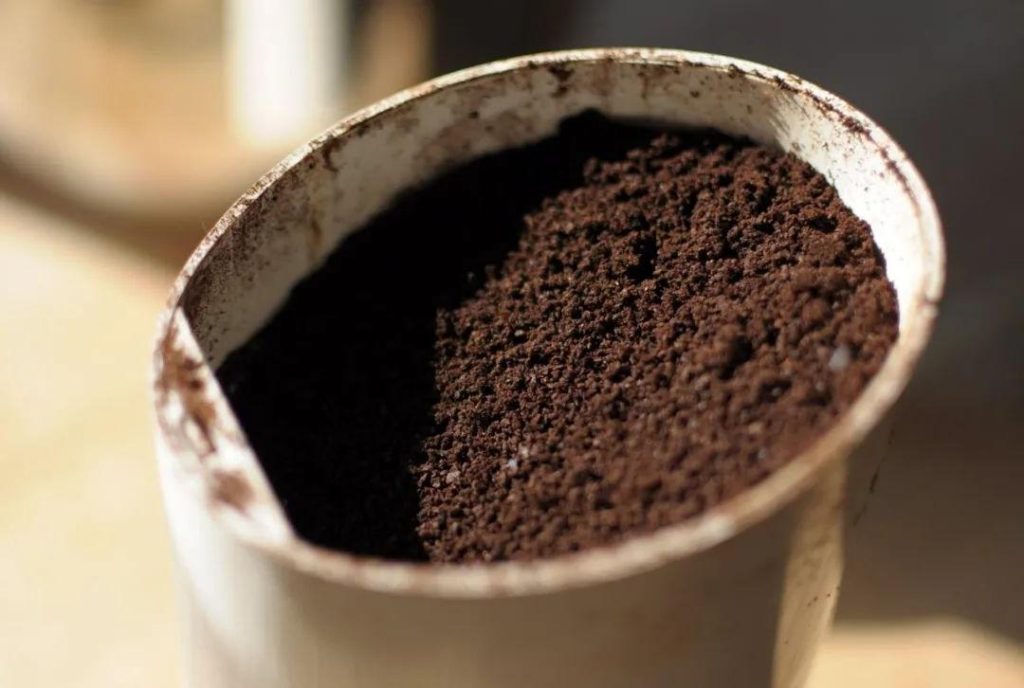
Your grind should resemble coarse sea salt for most pour-overs. It’s the single most important adjustment.
- Problem: Too sour/weak? → Your coffee is under-extracted. Solution: Use a finer grind.
- Problem: Too bitter/harsh? → Your coffee is over-extracted. Solution: Use a coarser grind.
2. Water Temperature: The Flavor Activator
Heat is energy for extraction. Use a thermometer or a temperature-controlled kettle.
- For Light Roast Beans: Use hotter water (92°C – 96°C / 198°F – 205°F) to fully extract delicate, complex flavors.
- For Dark Roast Beans: Use slightly cooler water (85°C – 88°C / 185°F – 190°F) to avoid pulling out bitter, ashy compounds.
3. Brew Time: The Flavor Balancer
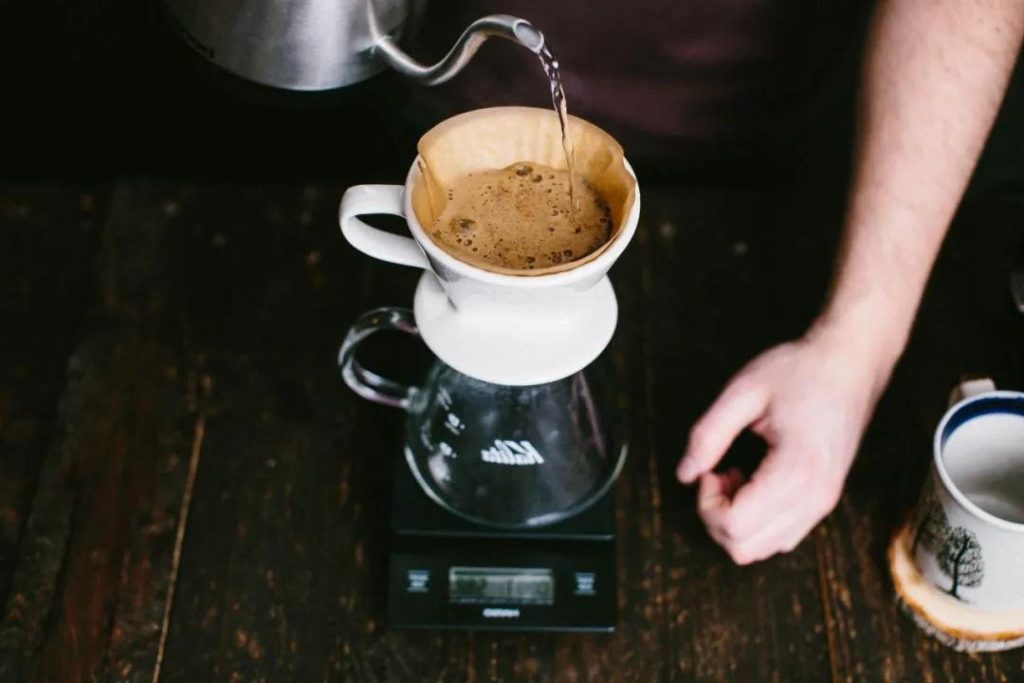
This is the total contact time between water and coffee. For a standard 15g-20g dose yielding ~250ml, aim for 2:30 to 3:30 minutes.
- Too fast (<2:30): Likely under-extracted (sour).
- Too slow (>4:00): Likely over-extracted (bitter).
Gear Without Fear: A Smart Starter Setup
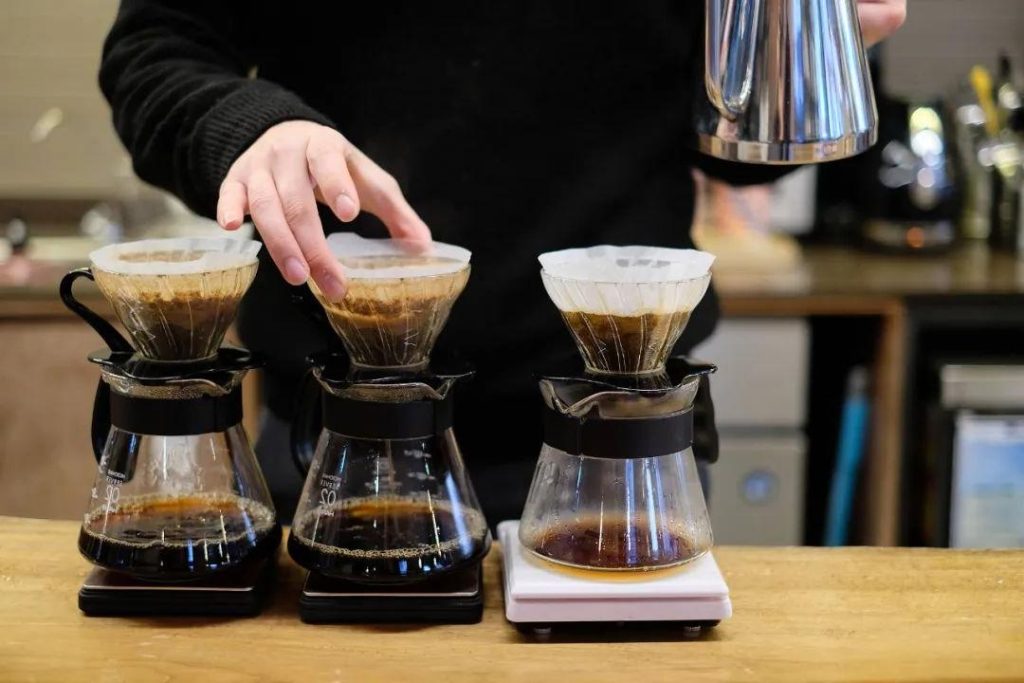
You don’t need a lab, just a few key tools. Here’s a sensible, quality-focused starter kit.
Essential Equipment for Beginners
- Grinder (The Non-Negotiable): A good burr grinder is your best investment. It ensures consistent particle size. A quality hand grinder (like those from 1Zpresso or Timemore) often outperforms cheap electric ones and is perfect for learning.
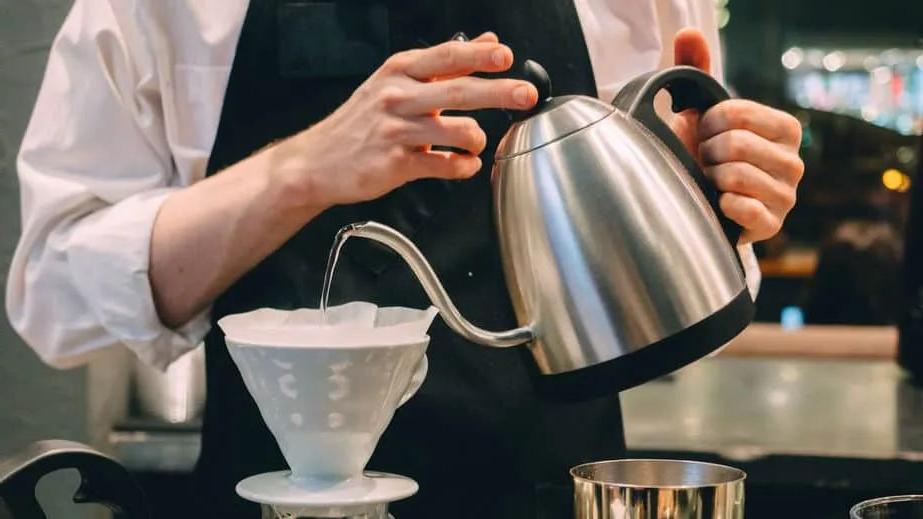
- Kettle: A gooseneck kettle is highly recommended. Its thin spout offers unparalleled control over water flow and pour speed, which is crucial for even extraction.
- Scale: A simple digital scale with 0.1g precision is essential for repeatability. Coffee is a ratio game (we recommend starting with a 1:16 ratio—e.g., 15g coffee to 240g water).
- Brewer: A Hario V60 or Kalita Wave are iconic, affordable, and excellent for learning. Start with one before exploring others.
Level Up Your Daily Cup: The Pour-Over Approach to Instant Coffee
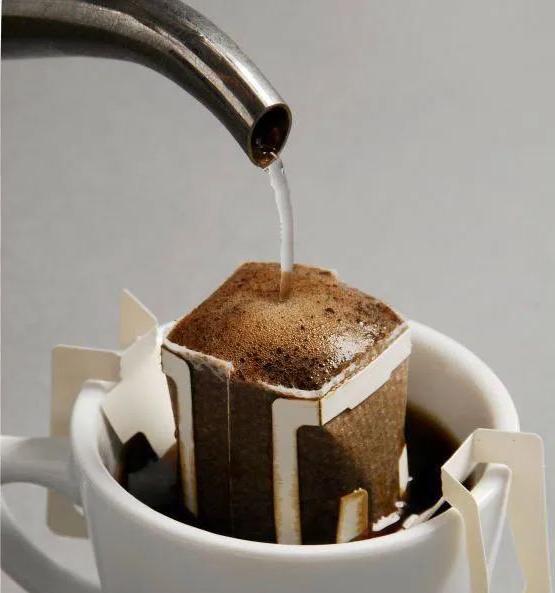
You can even apply these principles to elevate your instant coffee or pour-over bags!
1. Treat It Like a Mini Pour-Over: Instead of drowning the bag, pour just enough hot water to saturate the grounds and let it “bloom” for 30 seconds before continuing.
2. Mind the Water: Use water just off the boil for dark roasts, slightly cooler for lighter instant offerings.
3. Control the Ratio: Don’t over-dilute. Follow the package guide for the best coffee-to-water ratio.
The Final Pour: It’s About the Journey
Pour-Over Coffee is more than a brewing method; it’s a mindful three-minute ritual that connects you to a global agricultural product. It rewards attention but doesn’t demand perfection. It demystifies the “barista magic” and puts the power of a delicious, personalized cup in your hands. Start with good beans, master the grind, control the water, and enjoy the process. Your perfect cup isn’t a secret—it’s a brew away.