





A Shocking Story from India’s Medical Entrance System
A Decision Made in the Middle of the Night
Late at night on January 18, in Khalilpur village of Jaunpur district, Uttar Pradesh, a young man made a decision that stunned an entire nation.
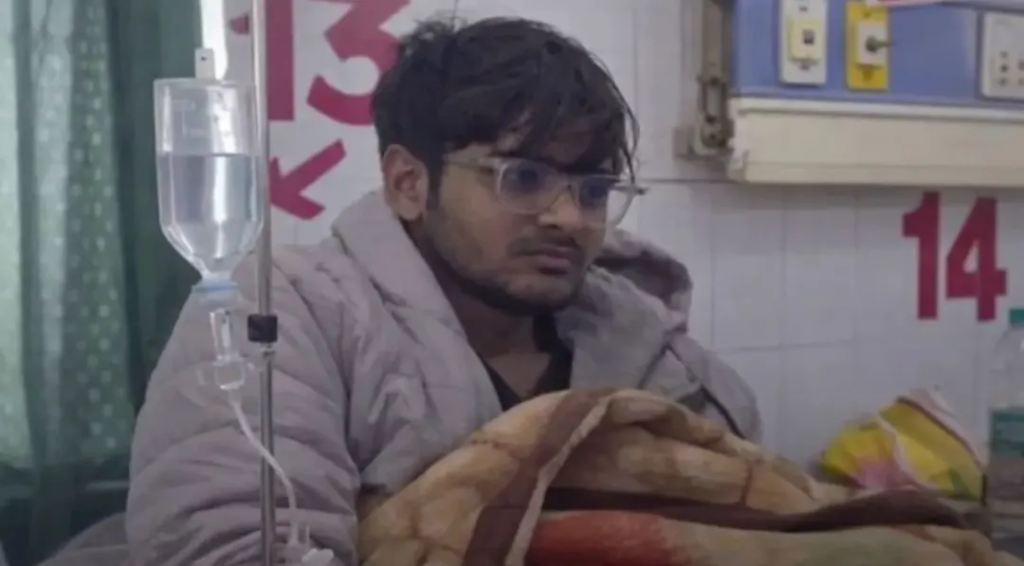
Suraj Bhaskar was twenty five years old. He picked up an angle grinder normally used at construction sites and aimed it at his own left foot. After injecting himself with anesthesia, he turned on the machine.
The noise cut through the night. Four toes and part of his foot were severed. 
By morning, his brother Akash rushed to the police station in panic. He claimed that Suraj had been attacked by unknown assailants and woke up to find his foot chopped off. At first, the police believed him and registered the case as a violent assault.
But as the investigation continued, the story began to unravel.
A Dream Written Again and Again
Inside Suraj’s home, officers discovered a diary. Every page contained the same sentence, written repeatedly.
I will become an MBBS doctor in 2026.
Over and over again, as if carved into his mind.
Suraj had a girlfriend and wanted to marry her. But more than anything, he wanted to become a doctor. Not a pharmacist. Not a nurse. A full MBBS doctor, the highest level of medical education in India.
He had already failed twice.
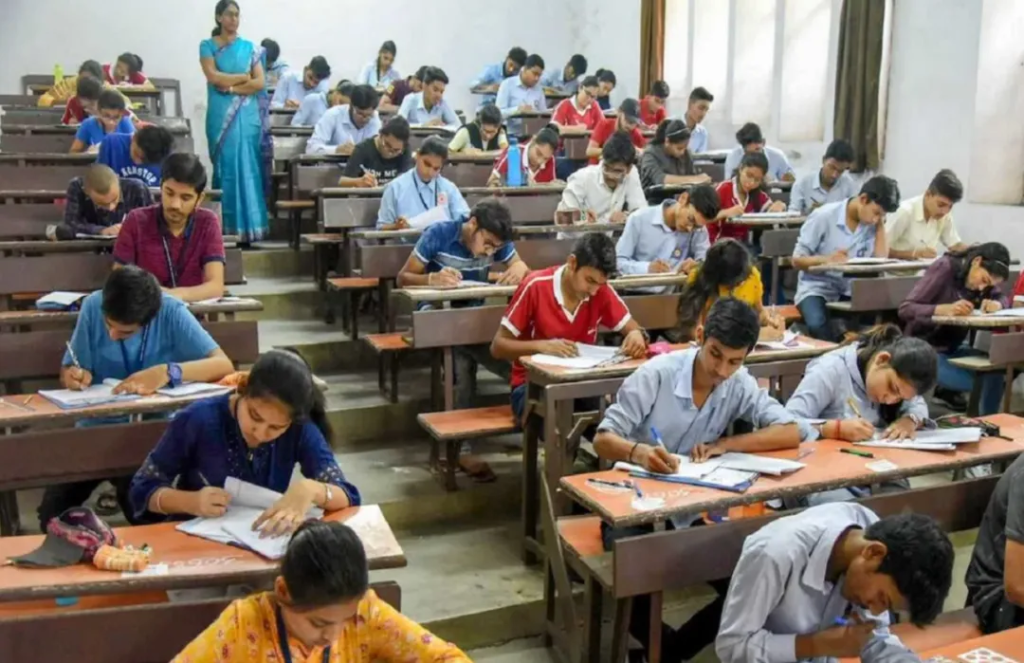
To study medicine in India, students must pass the National Eligibility cum Entrance Test, commonly known as NEET. It is one of the most competitive exams in the country.
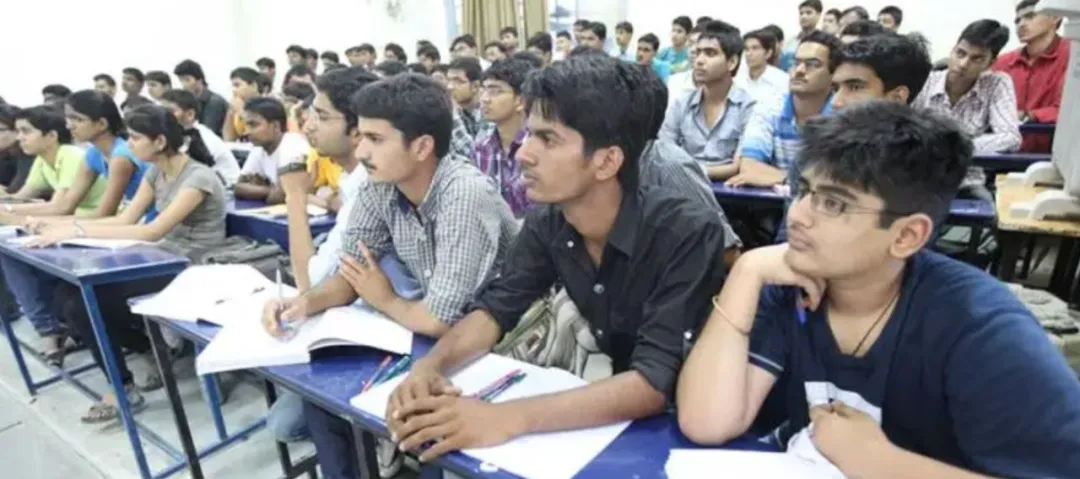
Every year, about 2.33 million students compete for roughly 110,000 MBBS seats. Only 48,000 of those seats are in government medical colleges, where tuition is affordable. The remaining seats are in private colleges, where the total cost can reach millions of rupees.
For families with modest incomes, private medical education is simply unreachable.
Only about two percent of test takers make it into government institutions. The rest must either retake the exam, abandon their dream, or go into lifelong debt.
Pressure That Breaks Young Minds
NEET is infamous for its difficulty. Physics is often considered the hardest subject. Chemistry follows closely. Biology is simpler conceptually but overwhelming in volume.
Many students collapse under the pressure. In 2024 alone, eleven suicides were directly linked to NEET. The year before, twenty six students preparing in coaching centers took their own lives.
Some students believe that failing the exam means they do not deserve to live.
Suraj was trapped inside this system. He failed twice. And he could not see a third failure.
The Disability Quota Plan
In October of the previous year, Suraj traveled to Banaras Hindu University. He did not go as a tourist. He went to the hospital to apply for a disability certificate.
Under India’s medical admission policy, people with disabilities are given a five percent reservation quota. More importantly, the required entrance score is lower.
However, to qualify, a person must be disabled enough to struggle with daily life, but not so disabled that they are completely dependent.
Doctors examined Suraj and asked a simple question. Where is your disability?
He left the hospital humiliated, but the idea did not leave his mind.
Back home, he began searching online. He studied wound treatment. He watched basic surgical procedures. He learned step by step. He obtained anesthesia and syringes.
Then, one night, he acted.
Evidence That Told the Truth
Police later found everything at the scene. A bottle of anesthetic. A used syringe. A bloodstained grinder. A cutting blade.
What they never found was the severed foot.
Investigators believe Suraj disposed of it in nearby fields or burned it. Despite extensive searches, nothing was recovered.
The act was likely done alone. He anesthetized himself. Positioned the machine. And pressed the switch.
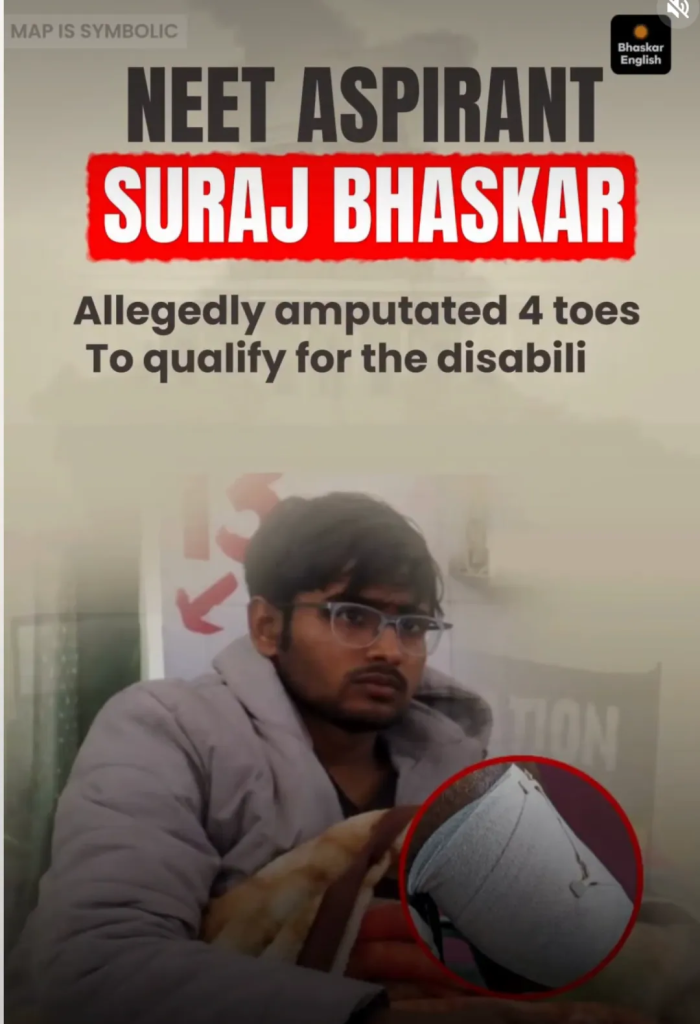
By removing only part of his foot, he ensured two things. He would qualify as disabled. And he would still be able to walk.
When his brother found him bleeding the next morning, Suraj began acting. He described a violent attack. His story changed repeatedly. Two attackers became one. The time of the assault shifted.
Police checked his call records and discovered frequent communication with his girlfriend. She was brought in for questioning.
At first, she tried to protect him. Then she broke down.
She told police that Suraj was obsessed with entering medical school in 2026. He had mentioned finding “another way” if exams failed. After being denied a disability certificate, his behavior changed. He constantly watched surgical videos.
She never imagined he would harm himself like this.
A National Debate Erupts
Suraj’s case triggered outrage across India. Some called him insane. Others called him selfish. Many blamed the education system itself.
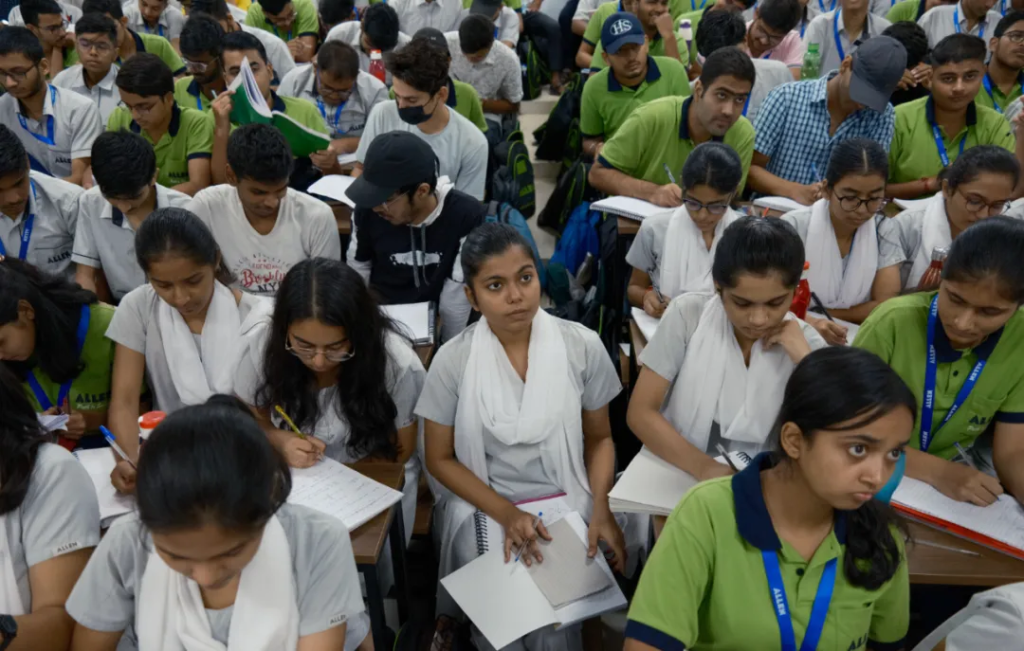
NEET preparation has become an industry. Students spend hundreds of thousands of rupees on coaching. In Kota, Rajasthan, hundreds of coaching centers operate nonstop.
Students live in hostels. They study up to eighteen hours a day. There are no weekends. No entertainment. Only mock tests.
In 2024, eleven NEET aspirants died by suicide in Kota alone. Their notes often carried the same message.
Sorry, Mom and Dad. I failed.
According to the National Crime Records Bureau, India recorded 170,924 suicides in 2022. Students accounted for 7.6 percent. More than two thousand were directly linked to exam failure.
Research published in The Lancet suggests the real number may be far higher.
A System That Creates Desperation
Legally, police face a dilemma. Self harm is not a crime in India. Attempted suicide is no longer illegal. Filing a false report is a minor offense.
Suraj tried to exploit disability reservations, but he never obtained the certificate or applied to medical school. Fraud charges do not apply.
He is now being treated in hospital. His left foot ends at the heel. Walking is difficult.
Ironically, he now technically qualifies as disabled.
But even with a certificate, he must still pass NEET. He has already failed twice. His mental state is fragile. And even if he succeeds, questions remain.
Can someone shaped by such desperation become a good doctor?
The Deeper Crisis
Politicians in Tamil Nadu once again called for abolishing NEET. The state assembly passed a bill against the exam in 2022, but it has yet to receive presidential approval.
Experts argue the root problem is scarcity. India has a population of 1.4 billion but only 110,000 medical seats. The country has about 0.7 doctors per 1,000 people, far below the World Health Organization recommendation.
Coaching centers continue operating. Competition keeps rising. Pressure keeps building.
Suraj may not be the last.
When a system offers opportunity to only a tiny fraction, some people will search for any escape route.
Even if that path must be paved with their own flesh and blood.