





Some places in Russia were never meant to be simply “visited.”
They exist as proof that the Earth is still alive—breathing, shifting, and releasing raw power.
On the Kamchatka Peninsula, volcanoes continue to steam and rumble while brown bears hunt salmon in wild rivers. Far away, Lake Baikal transforms each winter into a vast world of blue crystal ice.
There are no cities imposing order here—only nature in its most untouched and awe-inspiring form. Step onto these lands, and your understanding of vastness and reverence will change forever.
Kamchatka Peninsula: Russia’s Untamed Frontier
Located in Russia’s Far East, the Kamchatka Peninsula is one of the most remote and wild regions on the planet. Sitting on the Pacific Ring of Fire, it is home to over 300 volcanoes, including 29 active ones, alongside glaciers, hot springs, rivers, and dense forests. 
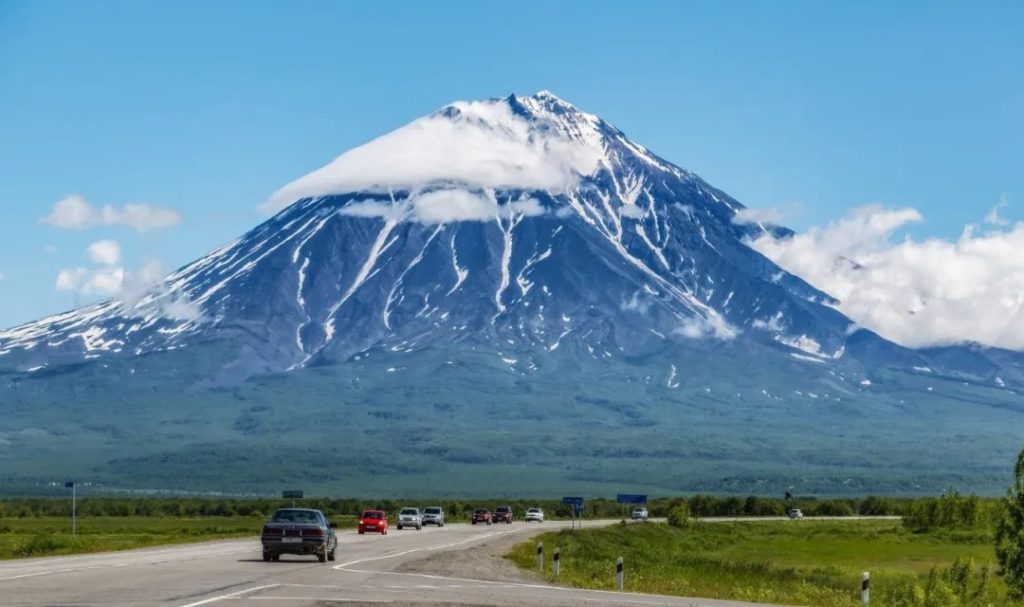
Kamchatka is not about urban sightseeing—it’s about facing nature directly. The sheer scale of the wilderness, combined with volcanic activity and abundant wildlife, makes every journey here feel like a true expedition.
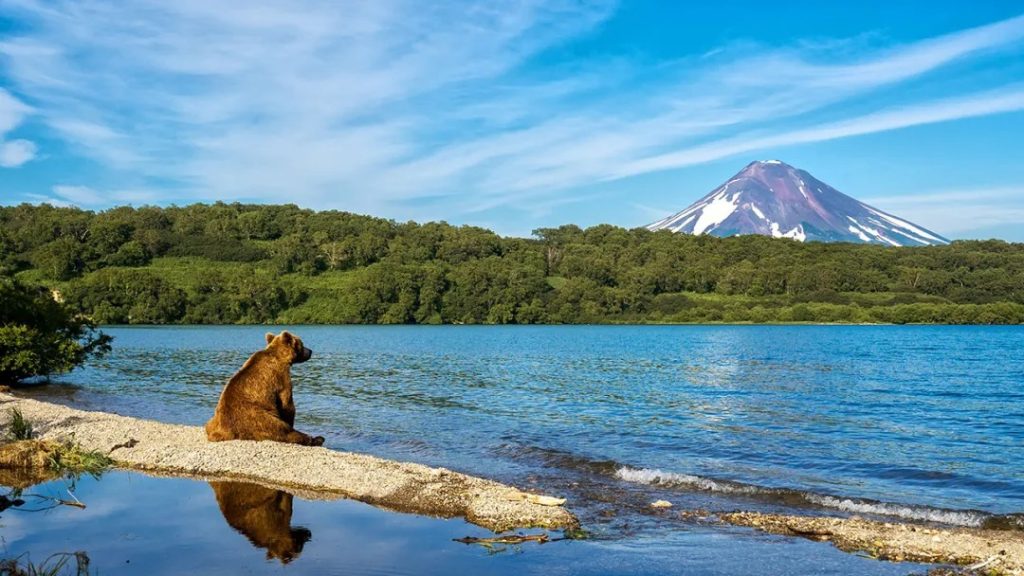
July to September is the ideal travel window, when wildlife is most active and weather conditions are relatively stable. Flights from Beijing or Harbin to Petropavlovsk-Kamchatsky take approximately 5–6 hours.
Hiking Avachinsky Volcano
Avachinsky Volcano is one of Kamchatka’s most iconic active volcanoes and a favorite among hikers.
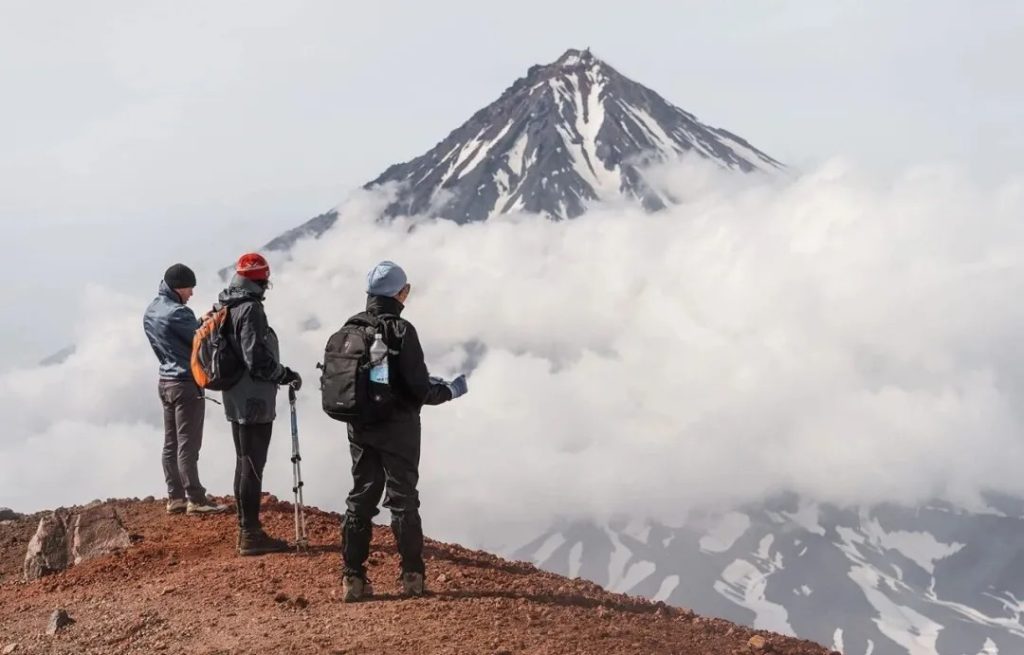
The trail leads from the foothills up toward the crater, passing steaming vents, ancient lava flows, and dramatic volcanic landscapes. Reaching the top offers sweeping views of the surrounding terrain and a powerful reminder of the geological forces beneath your feet.
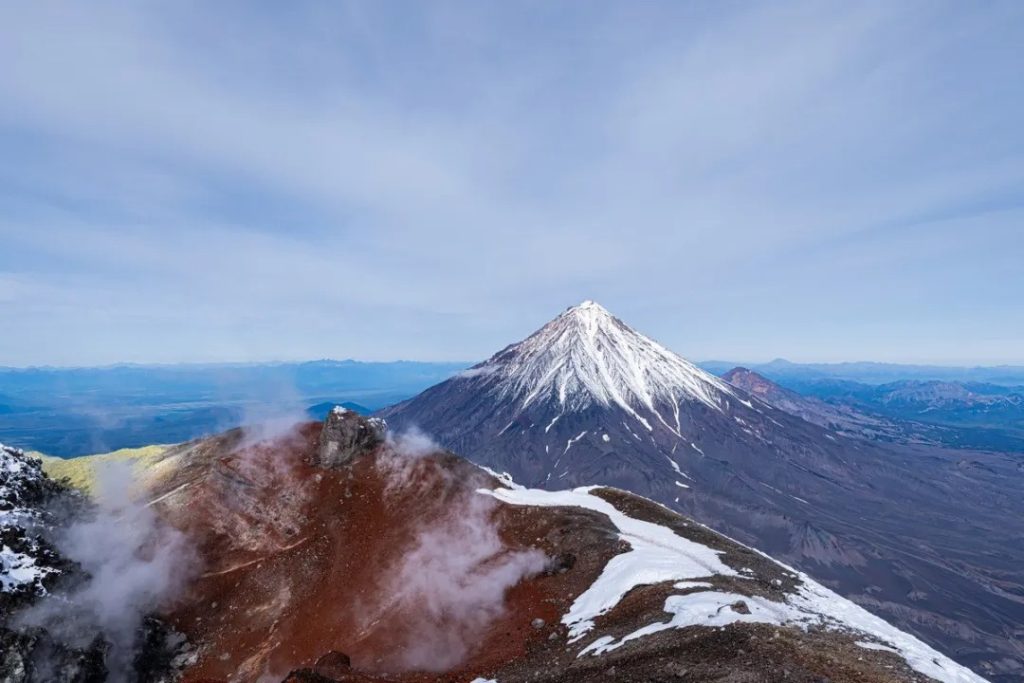
Walking here feels less like hiking and more like stepping into the engine room of the Earth itself.
Watching Brown Bears Catch Salmon
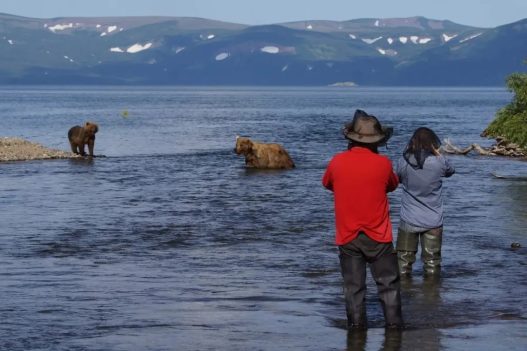
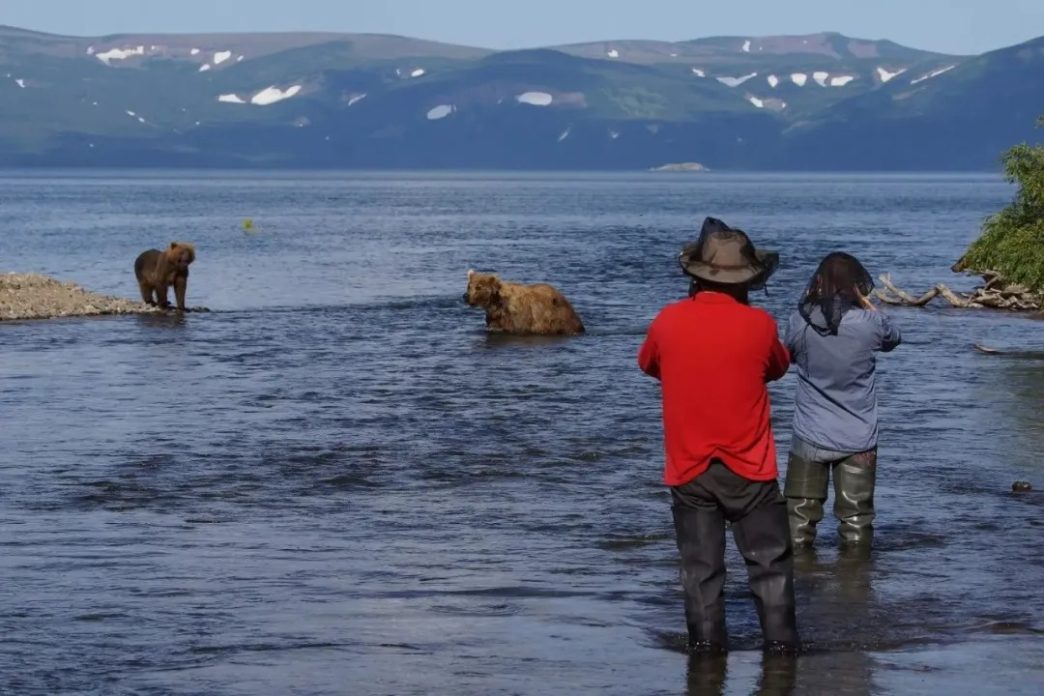
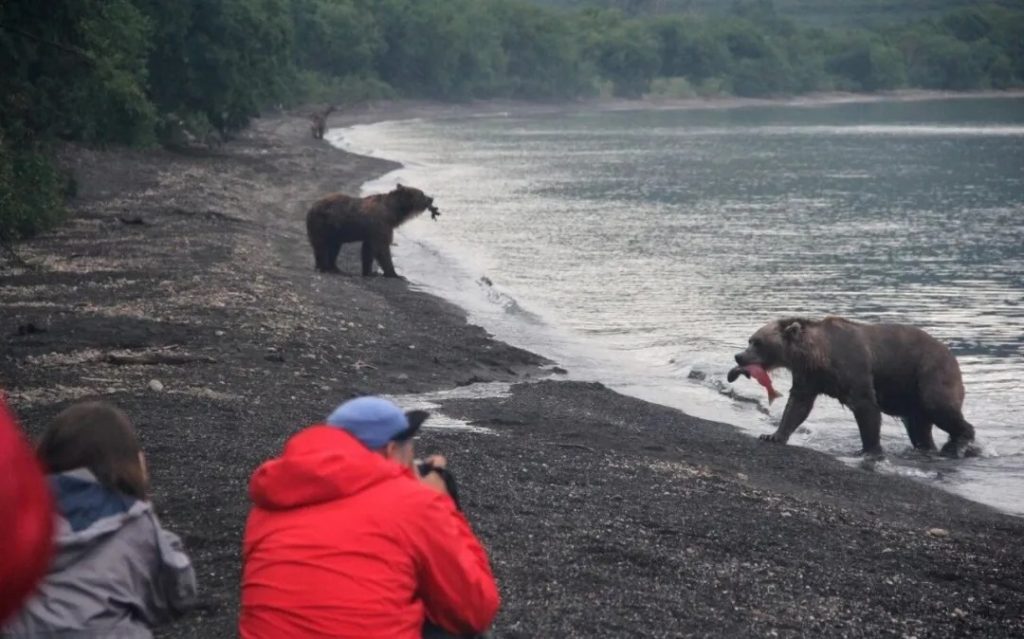
Kamchatka is one of the world’s best places to observe brown bears in the wild. In late summer and early autumn, bears gather along rivers to catch migrating salmon.
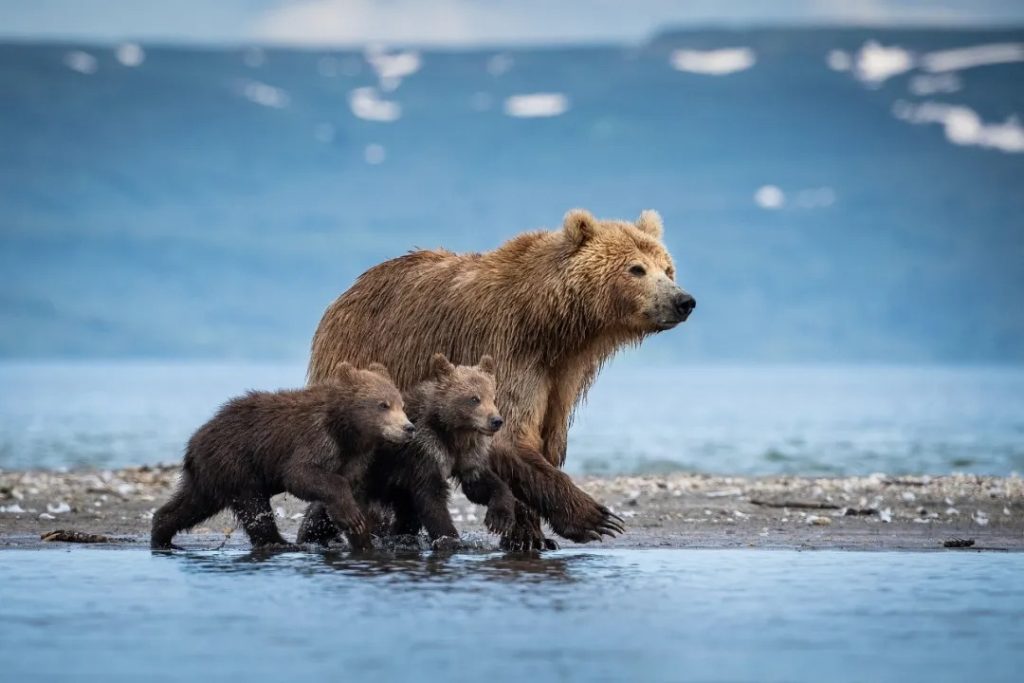
With experienced guides, travelers can safely observe these scenes from a distance—bears fishing, playing, and feeding in their natural environment. The raw energy and rhythm of life on display here is unforgettable.
Coastal Boat Expeditions
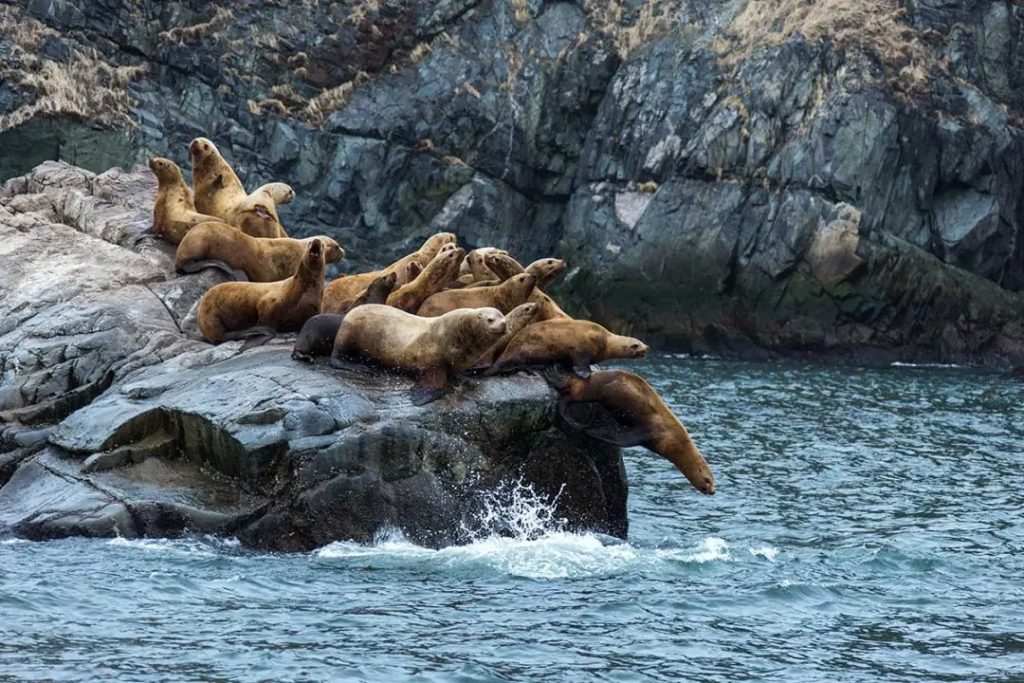
Kamchatka’s rugged coastline is just as captivating as its interior. Boat excursions allow you to spot seals, sea lions, seabirds such as terns, and occasionally even whales gliding through the water.
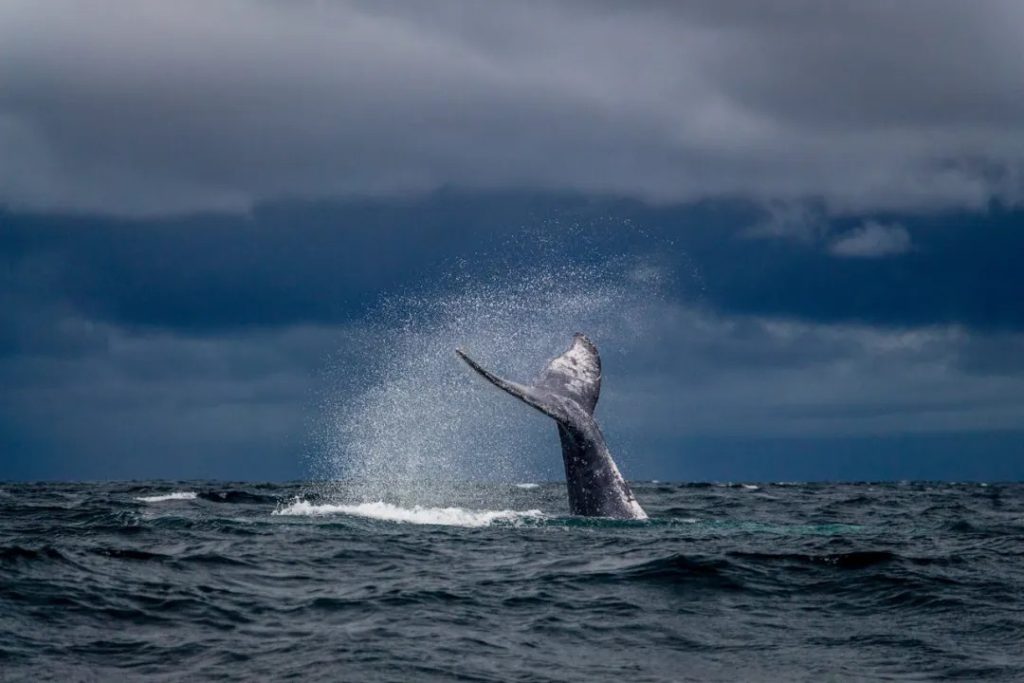
These sea journeys reveal another side of Kamchatka’s ecosystem—wild, pristine, and incredibly diverse. Whether it’s birds circling above or a whale breaking the surface, every moment feels alive with motion and power.
Lake Baikal: A Frozen Blue World
Located in southern Siberia, Lake Baikal becomes truly magical in winter. From December to February, the lake freezes into a thick sheet of ice, creating some of the most surreal natural phenomena on Earth.
Frozen air bubbles, crystal-clear ice, and submerged plants visible beneath the surface turn the lake into a living work of art. Winter here is a paradise for photographers and adventurers alike.
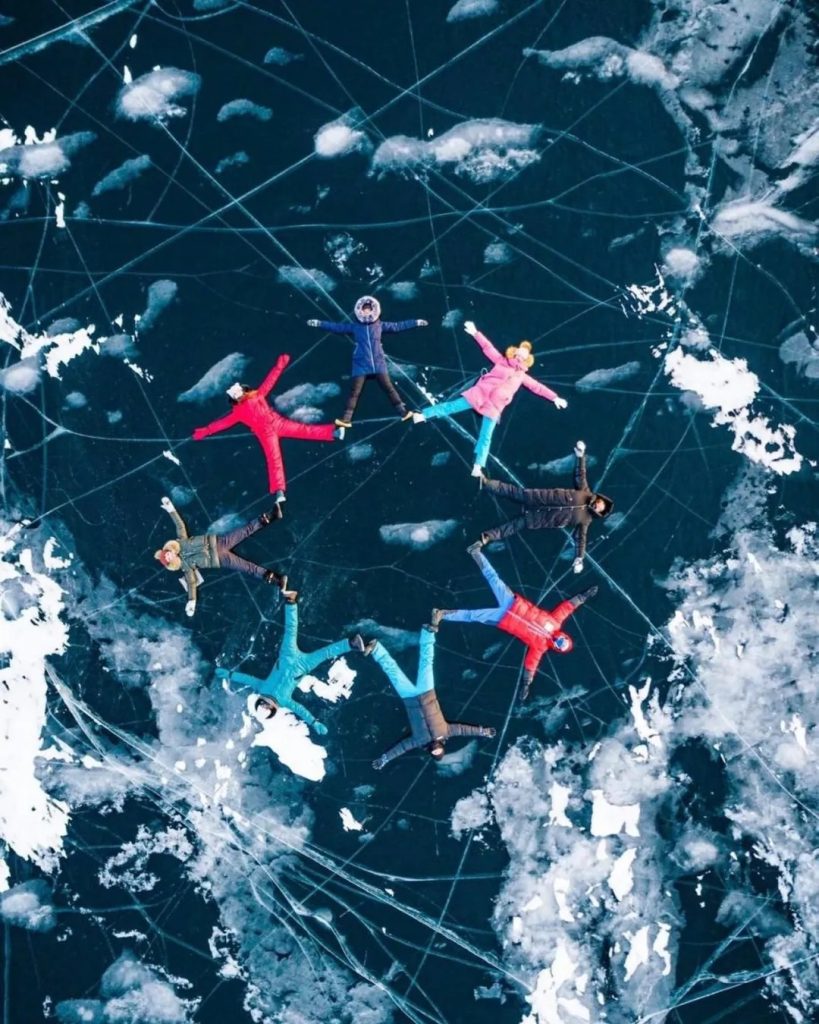
Visitors can enjoy ice skating, ice fishing, or simply walking across the frozen lake, surrounded by silence and pale winter light.
The Blue Ice Phenomenon
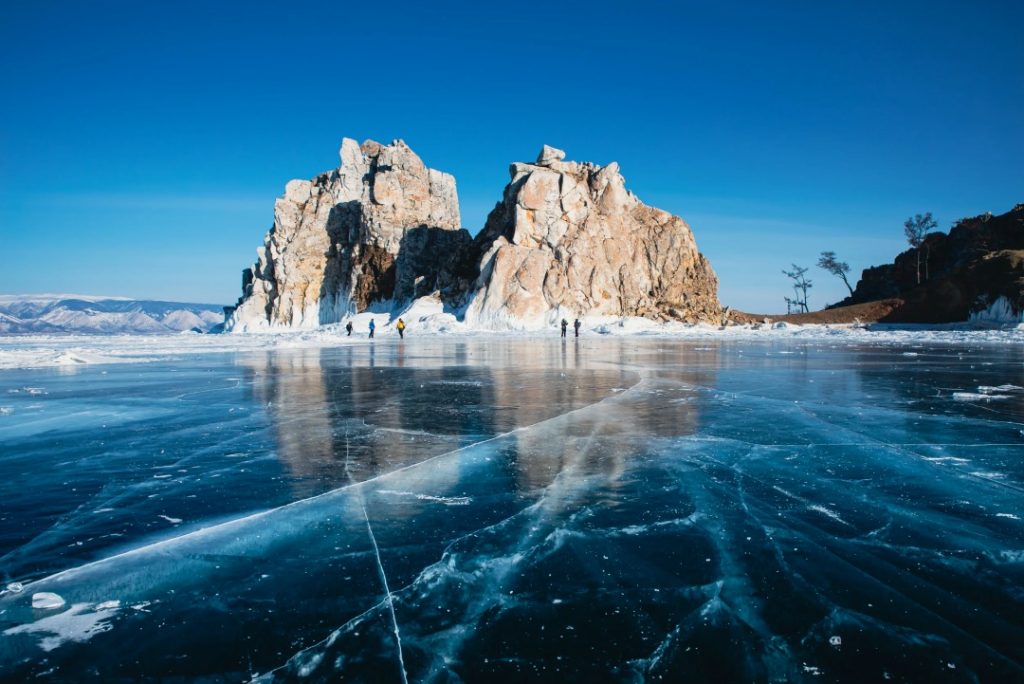
Baikal’s famous blue ice is the soul of its winter landscape. As the lake freezes, impurities and gases are forced out, forming ice that is as clear as glass.
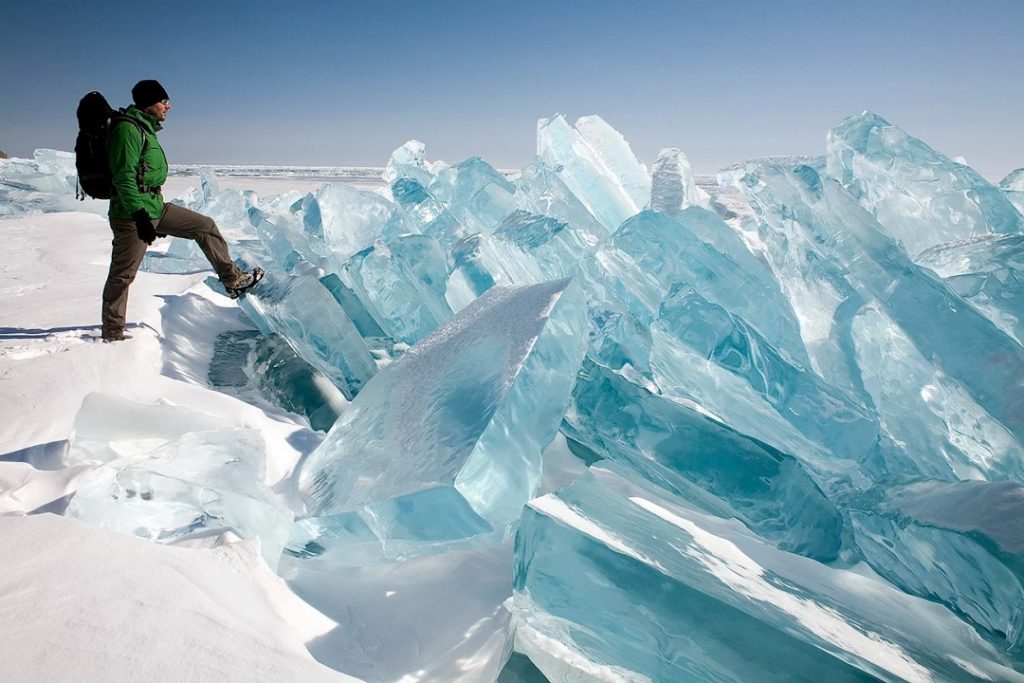
When sunlight passes through, the ice glows in shades ranging from deep blue to soft turquoise, creating an almost extraterrestrial atmosphere.
Ice Cracks and Frozen Bubbles
Under immense natural pressure, the ice sheet fractures into dramatic ice cracks, some glowing with deep blue light at their depths. At the same time, methane gas released by underwater plants becomes trapped and frozen into vertical chains of bubbles.
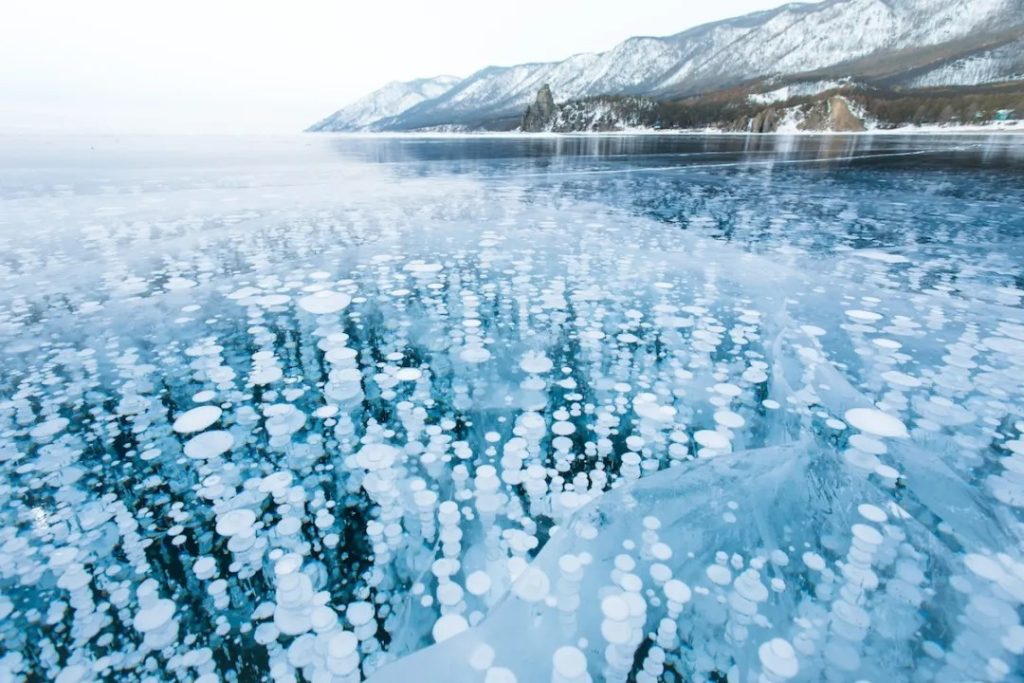
These bubble formations—often compared to strings of pearls—are one of nature’s most unique artistic expressions, found nowhere else on Earth.