







A Long Awaited Pregnancy Ends in Shock
An embryo mix-up at a U.S. fertility clinic led a woman to carry and give birth to another couple’s child, raising painful legal and ethical
On December eleventh of last year, a pregnant woman from Orlando, Florida, identified as Jane to protect her privacy, gave birth to a baby girl.
The child, referred to here as Daughter A, arrived after years of effort and emotional strain.
Jane and her husband John had turned to assisted reproduction after struggling to conceive naturally.
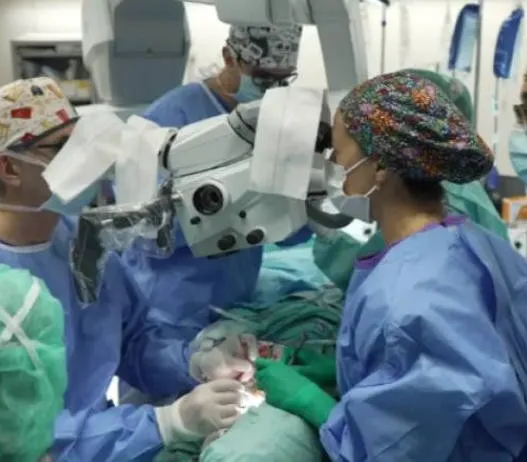
In March of the same year, the couple began treatment at the Fertility Center of Orlando, where doctors used their own eggs and sperm to create embryos through In vitro fertilisation. 
Three viable embryos were successfully created.
One was implanted into Jane, and the pregnancy progressed without complications.
By the end of the year, their long held dream appeared to have come true.
But soon after the birth, something felt deeply wrong.
When Appearance Raised an Impossible Question
Jane and John are both white.
Their newborn daughter was not.
Her skin tone was significantly darker, enough that it could not be explained by genetics or chance.
At first, the couple tried to rationalize it.
But doubt kept growing, and joy slowly turned into fear.
They decided to undergo genetic testing.
The results shattered them.
A Baby With No Genetic Connection

DNA testing confirmed that Daughter A was not biologically related to either Jane or John.
There was no shared genetic material at all.
The explanation was devastatingly simple.
The fertility clinic had implanted the wrong embryo.
Jane had carried the pregnancy for nine months.
She endured every physical and emotional change.
In the end, she gave birth to another couple’s child.
The discovery raised an even more terrifying possibility.
If she carried someone else’s embryo, then where was her own?
The Fear of a Child Lost Before Being Found
Jane and John realized that their biological child might already exist somewhere else.
Their embryo could have been implanted into another woman.
That baby might already be born.
Or still developing in another womb.
A child with their DNA could be growing up with strangers.
They contacted the clinic immediately and demanded answers.
They wanted help locating Daughter A’s biological parents.
They also demanded information about the remaining embryos created in their treatment cycle.
According to the couple, the clinic failed to provide any meaningful response.
Left with no alternative, they decided to take legal action.
Taking the Clinic to Court
Jane and John filed a lawsuit against both the fertility clinic and the physician who handled their case.
They are asking for full transparency and accountability.
They want all potentially affected patients to be notified.
They want families to be given the chance to confirm whether their children are biologically theirs.
They want free genetic testing for all patients who underwent embryo transfers at the clinic over the past five years.
They also want every affected family to be told whether any discrepancies exist in their children’s genetic origins.
The clinic has since released a statement saying it will cooperate fully with the investigation.
Public Reaction and Moral Dilemmas
As news of the case spread, public sympathy poured in.
Many people expressed heartbreak for the couple.
Others focused on the impossible moral questions surrounding the child’s future.
Some argued that love and pregnancy create parenthood, regardless of DNA.
Others believed that biological parents have an undeniable claim.
Many noted that if the baby had looked similar to the couple, the truth might never have been discovered at all.
When Custody Battles Become Real
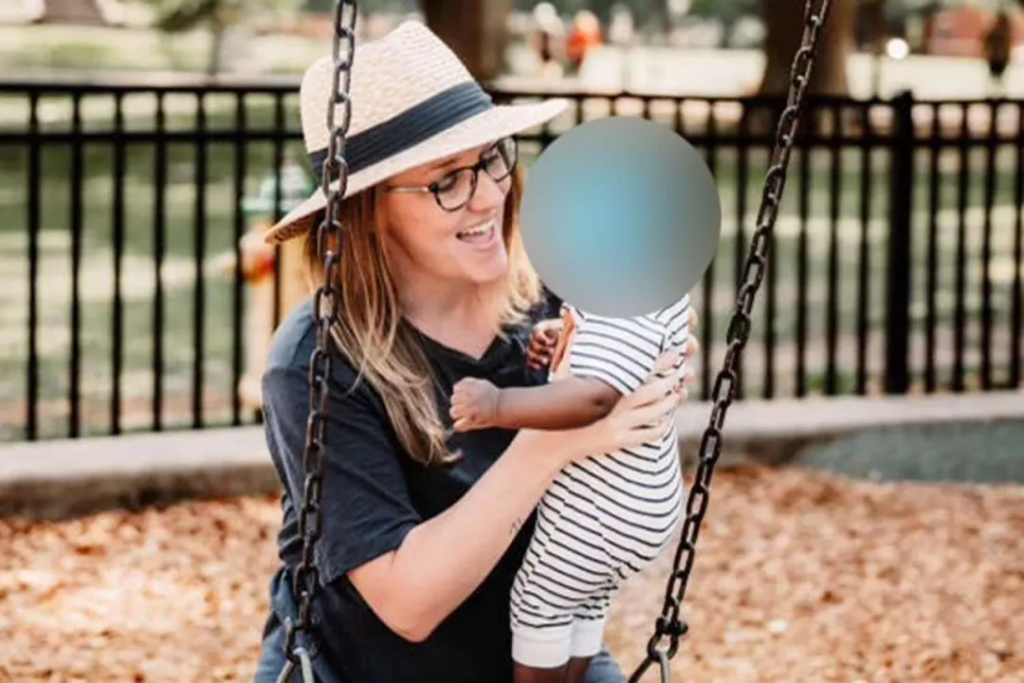
These fears are not hypothetical.
In May twenty twenty three, a woman named Krystena Murray experienced a nearly identical tragedy in the United States.
She became pregnant through donor sperm at Coastal Fertility in Georgia.
After giving birth, she realized her baby was Black, despite her being white.
At first, she kept the situation secret.
She avoided visitors and struggled alone with confusion and fear.
A DNA test later confirmed that the embryo implanted in her body belonged to another couple.
Loving a Child You Are Forced to Lose
Krystena contacted the clinic and eventually located the baby’s biological parents.
By that time, she had already bonded deeply with the child.
She wanted to continue raising him.
The biological parents disagreed.
When the baby was three months old, they filed for custody.
Krystena was advised that she had no legal chance of winning.
She gave up her son.
The child was renamed.
He moved away with his biological parents.
She never saw him again.
Krystena later described the experience as irreversible psychological trauma.
She said that she carried him, loved him, and formed a bond that only pregnancy creates, only to watch him be taken away.
Her own embryo was never found.
She does not know if her biological child exists somewhere else.
In her words, she lost two children and was forced into unintended surrogacy.
Another Family, the Same Nightmare
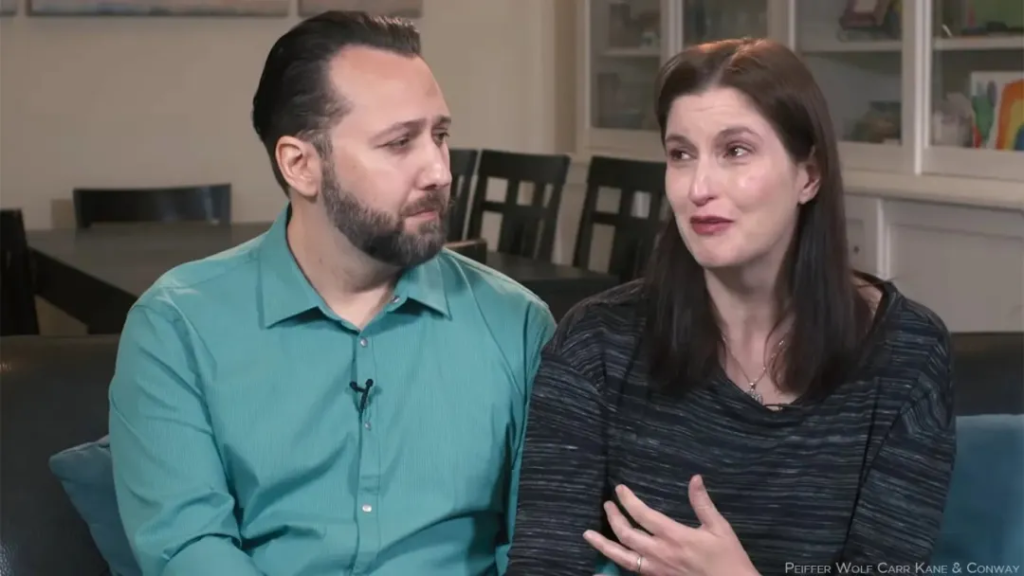
A similar case occurred in California in twenty nineteen.
A couple named Daphna and Alexander also discovered that a fertility clinic mistake had led them to give birth to a child of a different race.
They later learned that their own embryo had been implanted into another woman.
Both families unknowingly raised each other’s children for several months.
Eventually, they agreed to exchange the babies.
The decision was devastating for both sides.
Daphna later explained that she was robbed of the experience of carrying her biological child.
She never felt her movements in the womb.
She never saw her during prenatal checkups.
At the same time, she had to say goodbye to the baby she carried, delivered, and loved as her own.
Years later, the emotional consequences still remain.
What Jane and John Have Decided
With these cases in mind, public concern for Jane and John has only grown.
The couple has stated that they bonded with Daughter A during pregnancy and after birth.
Their love for her is real and unconditional.
They also believe that if the biological parents are capable, willing, and suitable to raise her, then reunion should be considered.
Their response suggests that a custody battle may be avoided.
But the emotional cost remains enormous.
A Tragedy Without Villains, Only Loss
For now, Jane and John are still searching for their missing embryo.
They hope to learn whether their biological child exists and where that child might be.
Until then, they live with uncertainty.
When reproductive technology fails, the consequences do not end at medical error.
They ripple outward into lives, identities, and families.
And for those involved, nothing ever fully returns to normal.