








Still pouring milk into your cat’s bowl or trying garlic as a “natural” flea remedy? You’re not alone. A surprising amount of pet advice floating around today is outdated — passed down through generations or recycled across the internet without question. The problem? Some of these old-school tips aren’t just ineffective… they can actually be harmful.
Thanks to advances in veterinary medicine and animal behavior science, we now know much more about how to properly care for dogs and cats. Evidence-based pet care helps animals live longer, healthier, and happier lives.
Let’s break down 10 outdated pet care myths — and what you should do instead. 
1. Milk Is a Good Treat for Cats
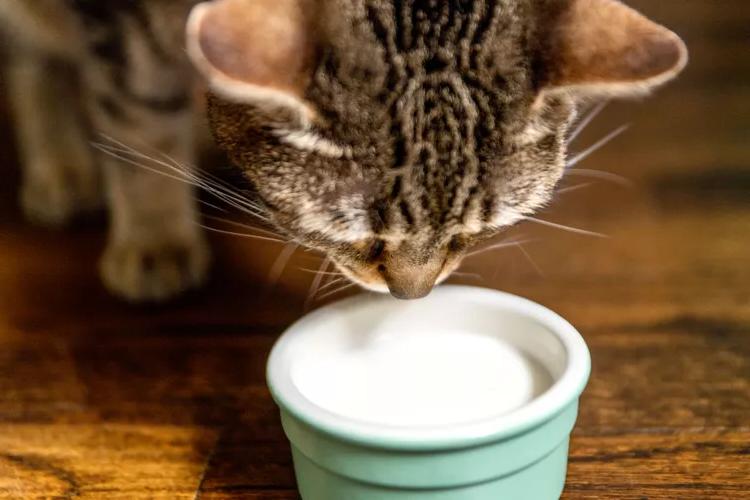
Cartoons made it look cute, but most cats are actually lactose intolerant. Cow’s milk can cause digestive upset like diarrhea and vomiting, and repeated exposure can lead to more serious health problems.
If you want to offer a milk-style treat, look for specially made lactose-free cat milk designed for feline digestion.
2. Harsh Training Methods Work Best for Dogs

Using tools like choke chains, shock collars, or yelling may stop behavior in the moment, but this type of aversive training can damage trust and increase anxiety. Dogs may become fearful, stressed, or even more reactive.
Modern positive reinforcement training focuses on rewarding behaviors you want to see. Treats, toys, and praise build confidence and strengthen your bond while creating lasting behavioral change.
3. Dry Food Cleans Pets’ Teeth

It used to be believed that kibble helped scrape plaque off teeth. In reality, most cats and dogs either swallow kibble whole or crunch it in ways that don’t provide real cleaning benefits.
The exception is dental diets approved by the Veterinary Oral Health Council. These specially designed foods have been tested to help reduce plaque and tartar buildup.
Regular tooth brushing and professional dental cleanings remain the gold standard.
4. Crating a Dog Is Good Punishment

A crate should feel like a safe den, not a “time-out jail.” Using it as punishment creates negative associations and can lead to fear or stress.
Dogs also don’t connect delayed consequences with past behavior. Instead, keep the crate as a calm, secure place for rest or when supervision isn’t possible.
5. Pets Only Need the Vet When They’re Sick
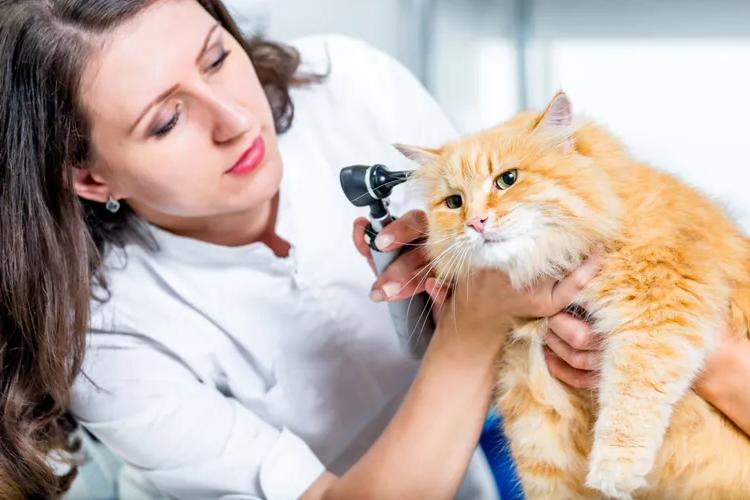
Preventive care is just as important as treating illness. Routine wellness exams help catch health issues early, update vaccinations, and allow discussions about diet, weight, and behavior.
Regular vet visits are a key part of responsible pet ownership.
6. Garlic Repels Fleas in Dogs and Cats

This is a dangerous myth. Garlic contains compounds that are toxic to both dogs and cats and can damage red blood cells.
On top of that, pets don’t sweat like humans, so the idea that garlic makes them “smell bad” to fleas doesn’t even work. Stick with veterinarian-recommended flea prevention instead.
7. Old Dogs Can’t Learn New Tricks

Dogs can learn throughout their lives thanks to neuroplasticity. In fact, continued training is excellent mental enrichment for senior dogs.
Just adapt exercises to match their physical abilities and keep sessions short, positive, and rewarding.
8. Indoor Cats Don’t Need Flea Protection
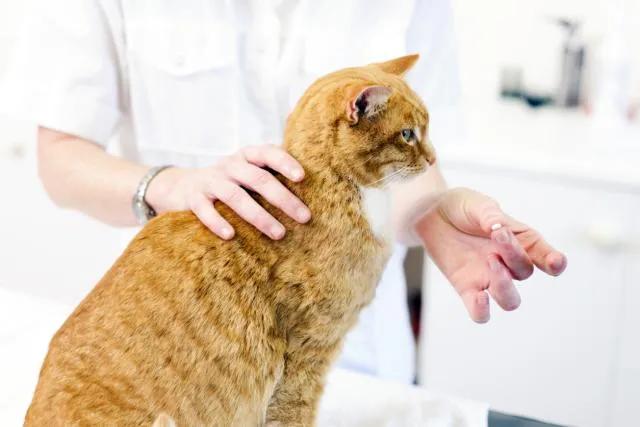
Fleas can hitch a ride indoors on clothing, shoes, or other pets. Once inside, they can live in carpets and furniture for months.
Year-round flea prevention protects even strictly indoor cats from infestations and the diseases fleas can carry.
9. Pets Don’t Need Their Teeth Brushed
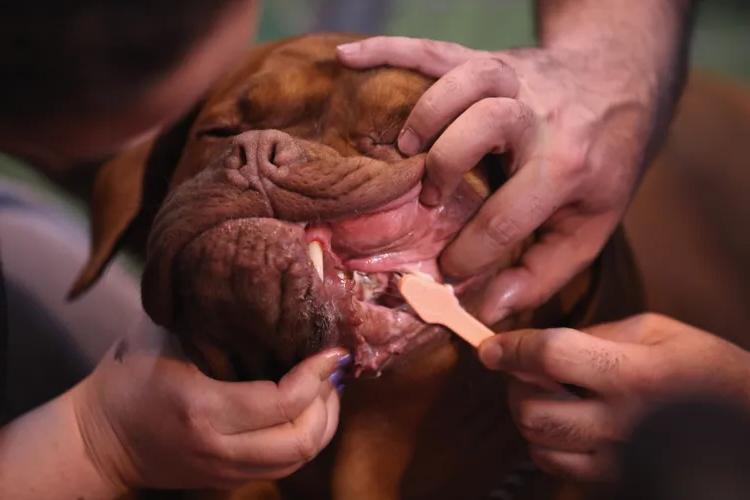
Dental disease is one of the most common health issues in pets. Without care, it can lead to pain, tooth loss, and infections that affect organs like the heart and kidneys.
Daily brushing, dental chews, and professional cleanings play a major role in long-term health.
10. Cats Can’t Be Trained

Cats are absolutely trainable. Using treats and patience, you can teach behaviors like sitting, coming when called, or entering a carrier calmly.
Training provides mental stimulation and strengthens your relationship with your cat.
Why These Myths Stick Around
Outdated pet advice lingers for a few main reasons:
Cultural Traditions
Pet care habits often get passed down through families, making them feel trustworthy even when science has moved on.
Old Training Resources
Books and guides published decades ago may still promote methods that modern professionals no longer support.
Internet Misinformation
Online tips can spread quickly without expert review, giving myths an undeserved sense of credibility.
How to Spot Bad Pet Advice
Watch out for these warning signs:
No Scientific Support
Reliable advice should come from veterinarians, certified trainers, or behavior professionals.
“Quick Fix” Promises
Animal health and behavior are complex. Simple miracle solutions are rarely legitimate.
Fear-Based Methods
Techniques relying on pain, fear, or intimidation are outdated and harmful.
Anecdotes as Proof
Just because something worked for one pet doesn’t make it safe for all.
Sounds Too Good to Be True
If it feels like a miracle cure, it probably isn’t backed by science.
Bringing Pet Care Into the Modern Age
Letting go of outdated beliefs can feel strange at first, especially when they’ve been around for years. But embracing modern, evidence-based care is one of the best gifts you can give your dog or cat.
Today’s knowledge allows us to protect our pets’ health, support their emotional well-being, and build stronger, happier relationships with them — and that’s worth updating a few old habits.