




When the noise of modern life drowns out your inner voice, and your days rush by without meaning, there is a path that gently invites you to slow down. It is a road where every step reconnects you with history—and with yourself.
In the northwest corner of the Iberian Peninsula lies one of the world’s most extraordinary routes: the Camino de Santiago. This ancient pilgrimage has no single beginning, yet it leads to one powerful destination—Santiago de Compostela, a city whose name means “Saint James of the Field of Stars.”
For more than a thousand years, pilgrims have traveled here in search of faith, healing, clarity, or simply adventure. Recognized as a UNESCO World Heritage cultural route, the Camino is more than a walk—it is a life-changing experience. Even the great poet Dante Alighieri once suggested that merely seeing Santiago was itself an act of pilgrimage. 
Among all its routes, one stands above the rest: the legendary French Way.
Why the French Way Is the Most Beloved Camino Route
The Most Popular and Accessible Pilgrimage Path
Known as the Camino Francés, or French Way, this route is considered the “golden path” of the Camino de Santiago. More than 60% of all pilgrims choose this trail, making it the most popular and well-supported option.
Its history stretches back to the Middle Ages, when pilgrims from across Europe crossed mountains and plains to reach Santiago. Along the way, they built churches, monasteries, bridges, and communities that still welcome travelers today.
Unlike more remote or rugged Camino routes, the French Way is beginner-friendly and thoughtfully organized:
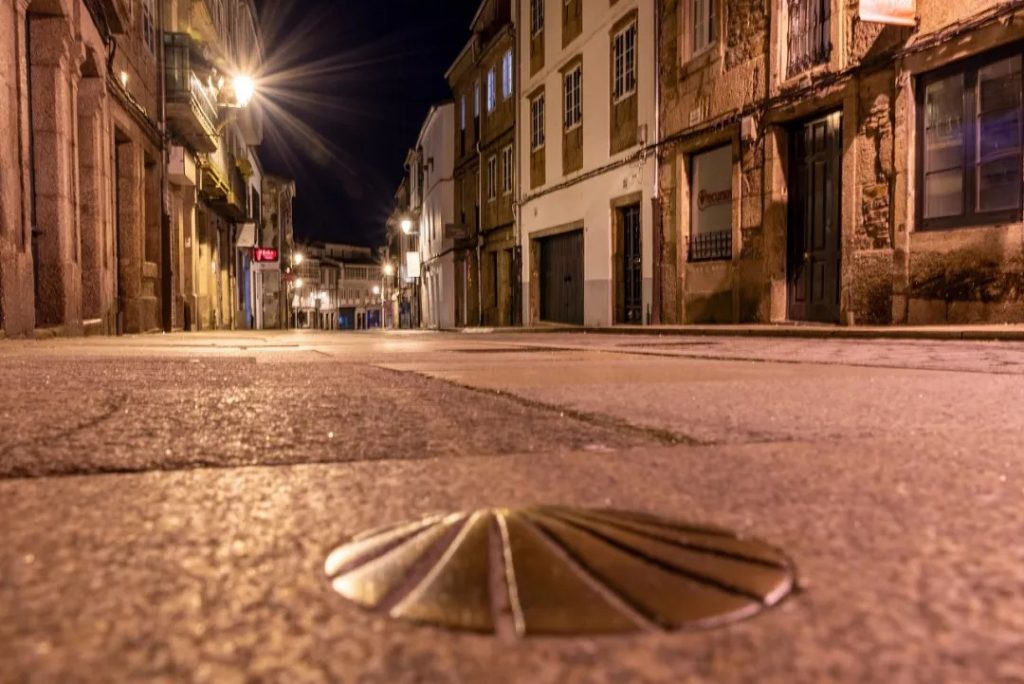
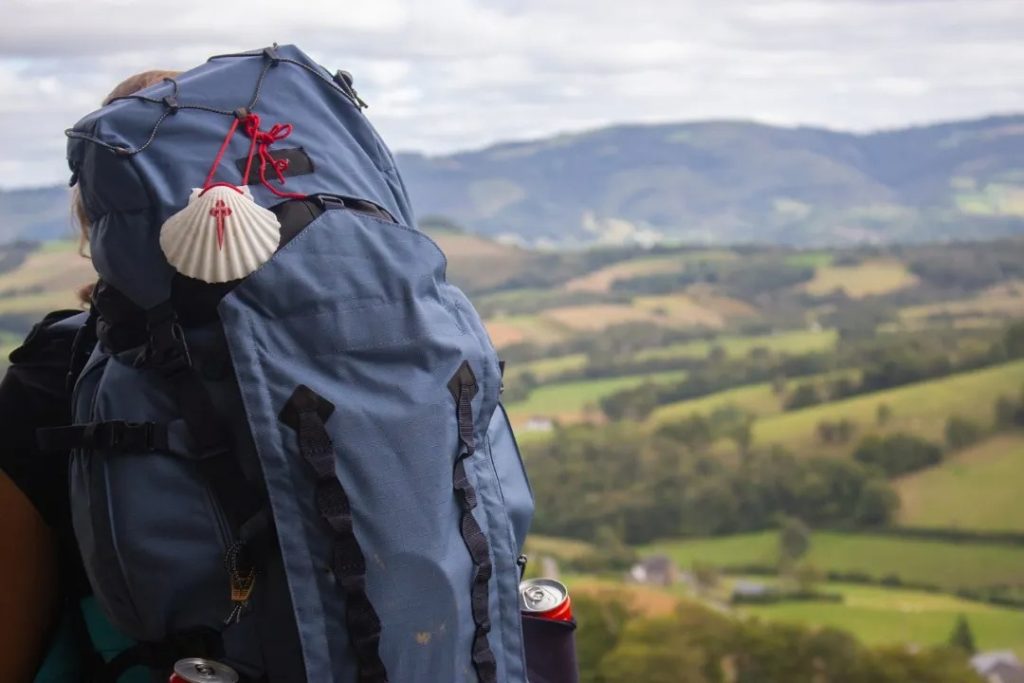
- Clear yellow arrows and shell symbols guide you forward
- Frequent pilgrim hostels and restaurants provide comfort
- Charming villages and historic landmarks appear around every bend
You don’t need to search for meaning here. Simply walking is enough—the meaning reveals itself naturally.
The Symbolism of the Three “Zero Kilometers”
At the end of this pilgrimage, three symbolic destinations mark profound emotional milestones.
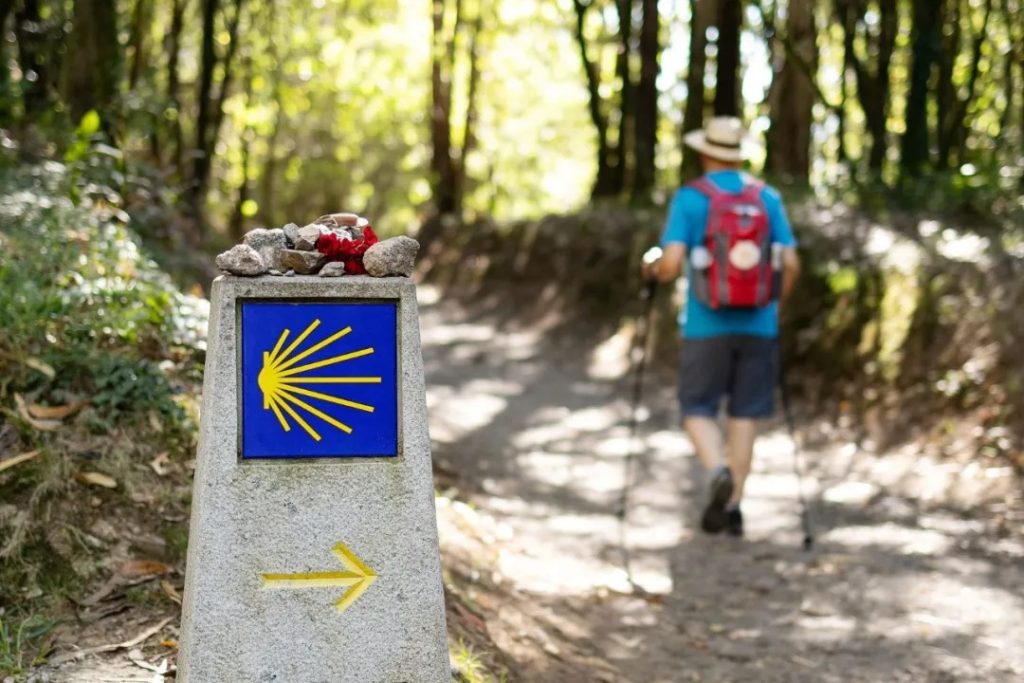
Santiago de Compostela: The Zero Kilometer of Faith
Arriving in Santiago de Compostela is both a physical and spiritual achievement. Your body finishes the journey, but your inner transformation has just begun. The cathedral stones hold the silent stories of millions who walked before you.
Cape Finisterre: The Edge of the Ancient World
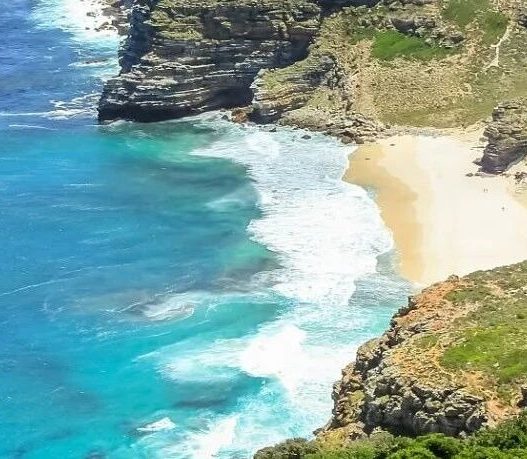
Beyond Santiago lies Cape Finisterre, once believed by the Romans to be the end of the world. Standing above the crashing waves of the Atlantic Ocean, pilgrims reflect on endings—and new beginnings.
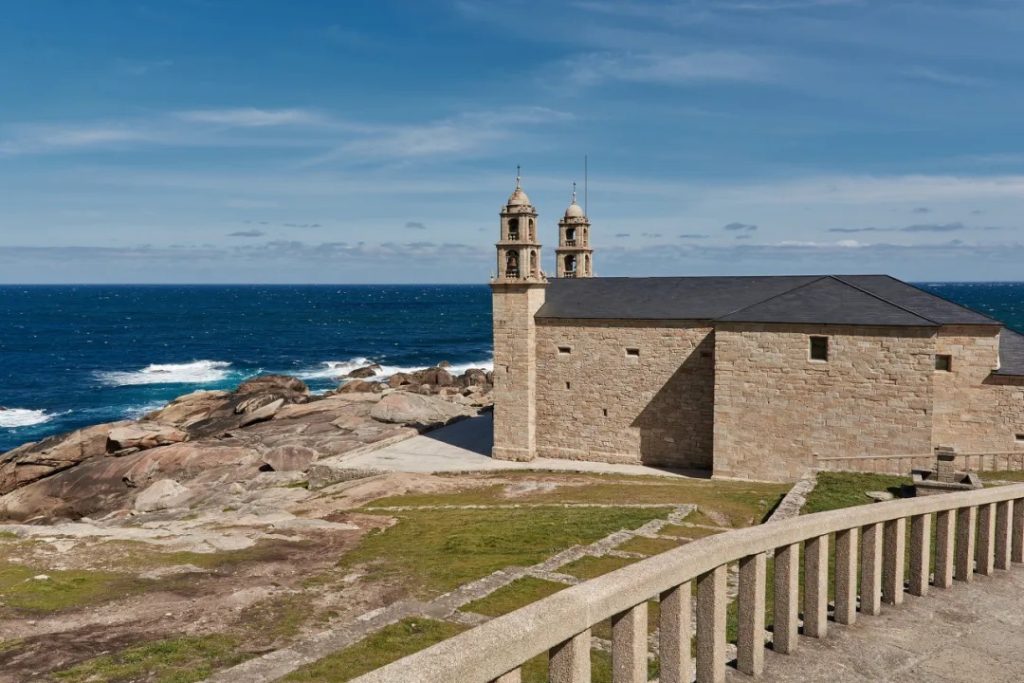
Muxía: A Place of Renewal
The coastal village of Muxía offers a quieter, deeply spiritual finale. According to legend, the Virgin Mary arrived here by stone boat. Today, pilgrims come to release the past and embrace renewal.
The Camino never truly ends. It simply leaves you stronger, clearer, and more alive.
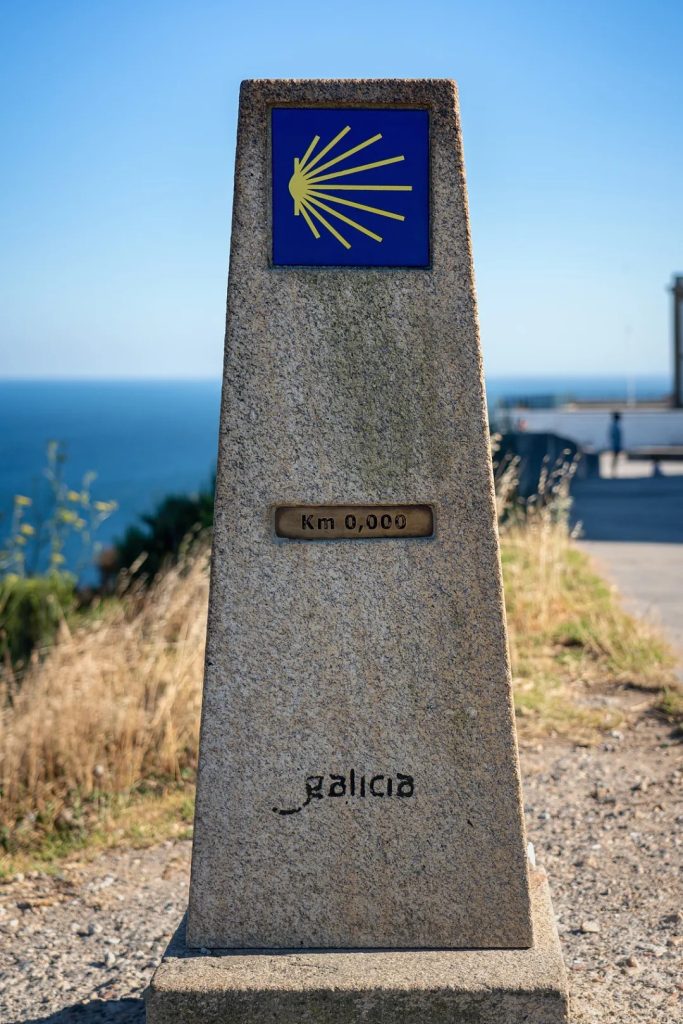
Walking the Final 100 Kilometers: An 11-Day Immersion in Galicia
Beginning in Sarria: The Most Meaningful Starting Point
This 11-day journey begins in Sarria, the most popular starting point for those walking the final 100 km required to earn the Compostela certificate.
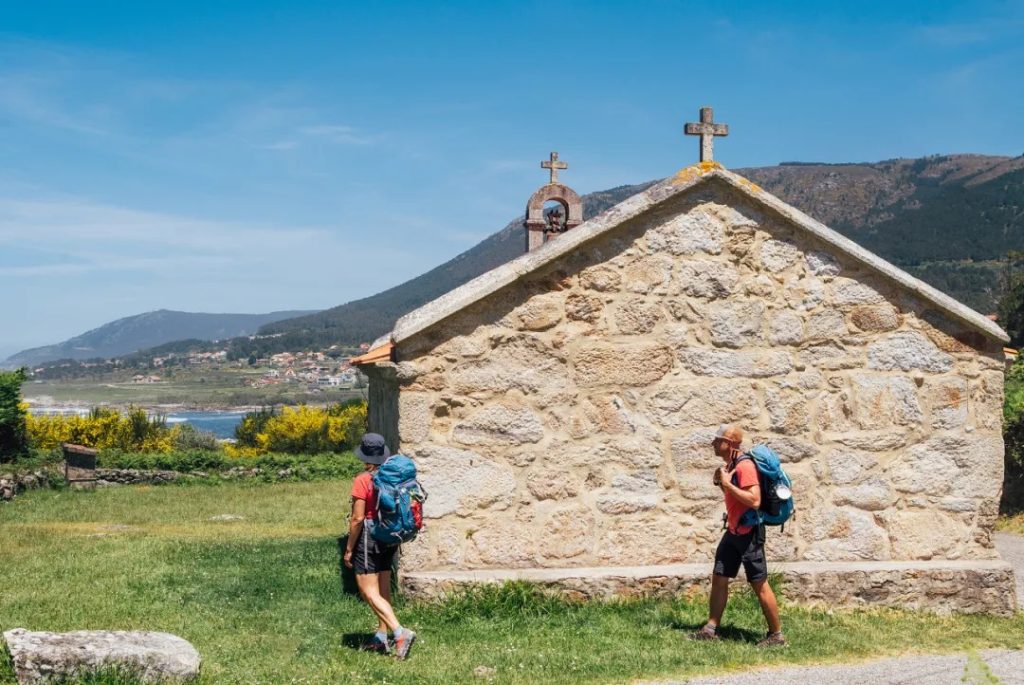
From here, the trail winds through the breathtaking countryside of Galicia, a region known for its green hills, oak forests, vineyards, and timeless villages.
Along the way, you will experience:
- Medieval stone bridges crossing peaceful rivers
- Ancient churches decorated with faded frescoes
- Quiet farm paths lined with wildflowers and grazing animals
- Historic villages where life moves at a slower pace
Each morning begins with birdsong. Each evening ends with stories, shared meals, and reflection.
Highlights Along the French Way
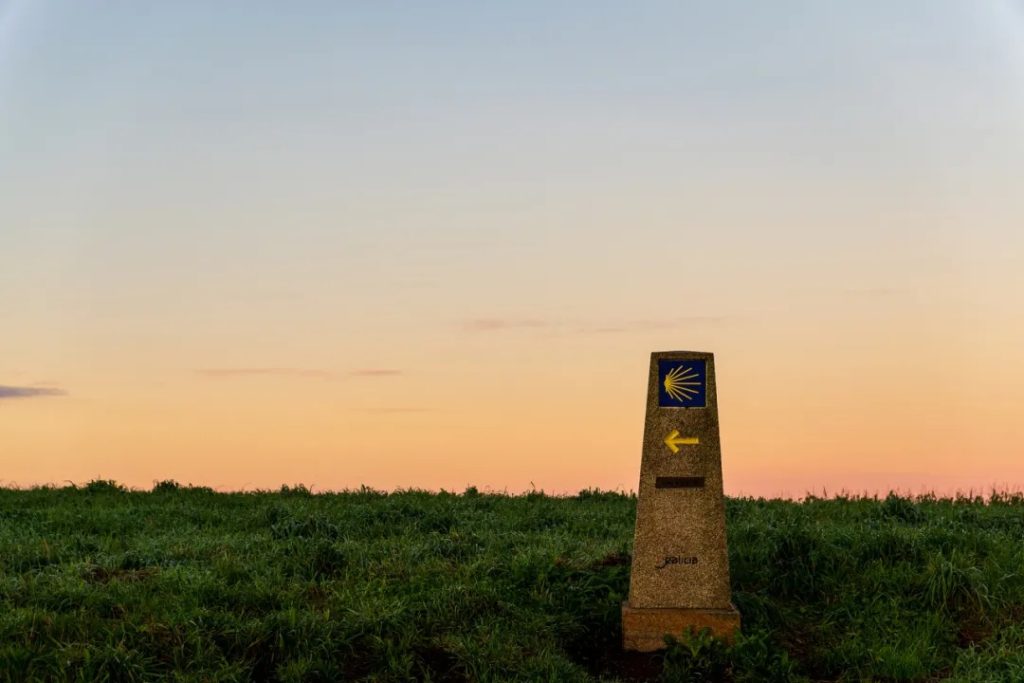
Touch the 100 km Marker at Morgade
Standing beside the iconic stone marker, you join countless pilgrims in marking the final stretch toward Santiago.
Visit Arzúa, Galicia’s Famous Cheese Town
In Arzúa, known for its creamy local cheese, you’ll walk through peaceful countryside filled with rustic charm.
Climb Monte do Gozo: The Hill of Joy
From Monte do Gozo, pilgrims catch their first glimpse of Santiago’s cathedral towers. This emotional moment reminds you how far you’ve come.
Arrive at Obradoiro Square
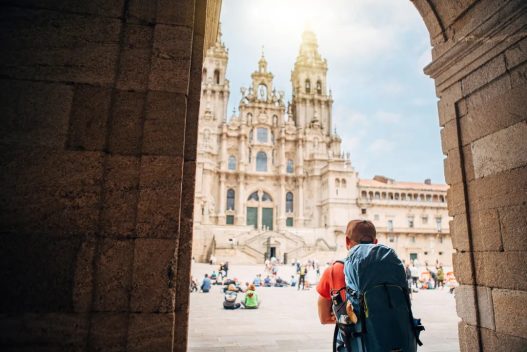
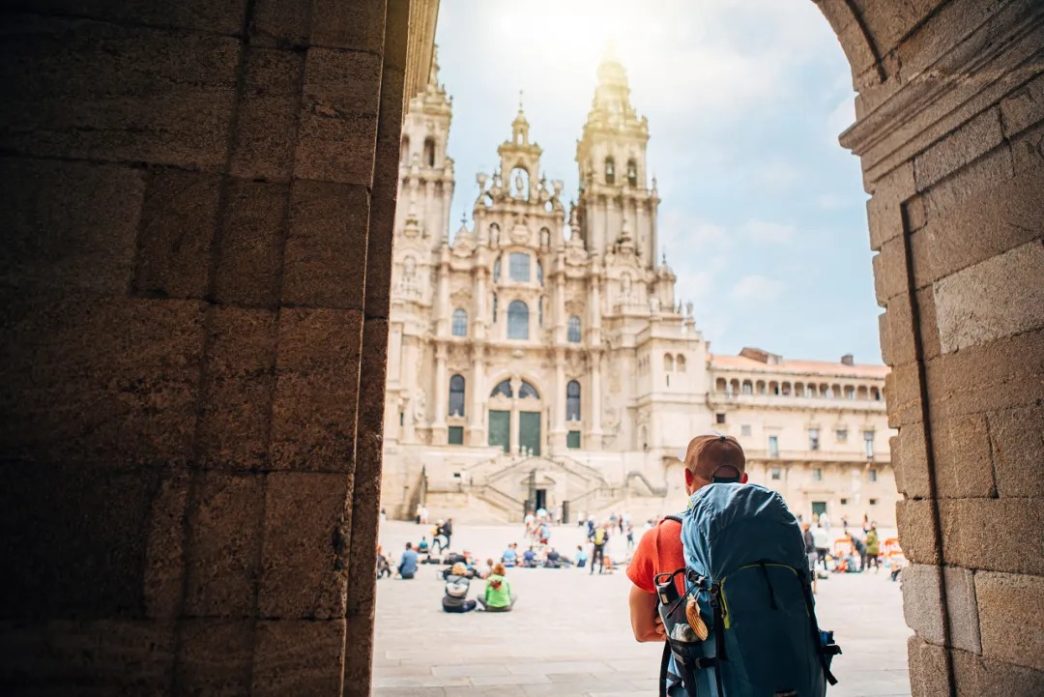
Entering Praza do Obradoiro, you stand face-to-face with the magnificent Santiago de Compostela Cathedral—the spiritual heart of the pilgrimage.
Sacred Experiences That Define the Camino
Attend the Pilgrim Mass at Santiago Cathedral
Inside the cathedral, ancient stone arches echo with sacred music. The air fills with incense, and voices from around the world unite in prayer. This powerful ceremony honors every pilgrim’s journey.
It is not just a religious ritual—it is a moment of emotional completion.
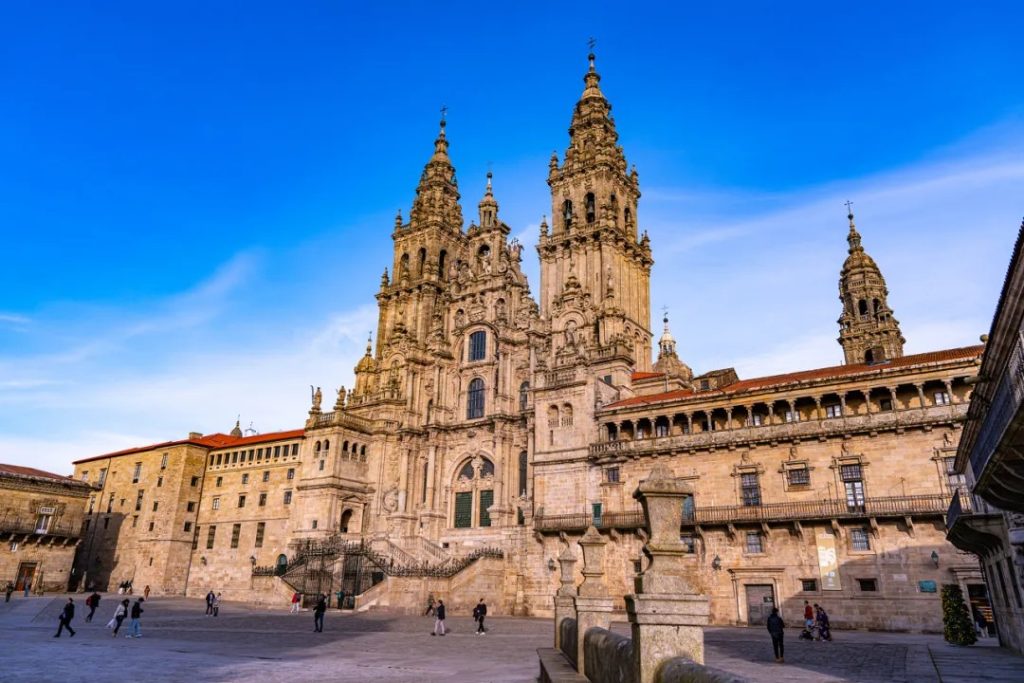
Stay at the World’s Oldest Pilgrim Hotel
Directly beside the cathedral stands the Hostal dos Reis Católicos. Founded in 1492 by Isabella I of Castile and Ferdinand II of Aragon, it originally served as a hospital for exhausted pilgrims.
Today, it is one of the oldest hotels in the world. Staying here connects you directly to centuries of pilgrimage history.
Journey Beyond Santiago: The Atlantic Coast Experience
After reaching Santiago, the journey continues west toward the Atlantic coast.
Visit the sacred sanctuary in Muxía and the dramatic cliffs of Cape Finisterre. Here, waves crash endlessly against ancient rocks, and the vast ocean reminds you of life’s infinite possibilities.
It is the perfect place to reflect, breathe deeply, and let go.
Taste Galicia: A Culinary Reward for Pilgrims
The Camino nourishes not only your spirit—but also your senses.
In Sarria and throughout Galicia, you can enjoy:
- Pulpo a la gallega, Galicia’s famous octopus specialty
- Fresh local bread and artisan cheeses
- Crisp glasses of Albariño, the region’s signature white wine
These simple yet delicious meals become unforgettable parts of your journey.
The Camino Is Not Just a Walk—It Is a Transformation
You do not need to be religious to walk the Camino. You only need curiosity, openness, and the courage to begin.
With every step, you leave behind noise and rediscover clarity. With every mile, you reconnect with something deeper.
The Camino de Santiago is not about reaching a destination.
It is about becoming someone new along the way.