






Juliana pigs, often called teacup pigs, are actually just regular pot-bellied pigs that have been unnaturally small due to malnutrition. Despite their tiny size, they are often advertised as miniature or “mini pigs.” These little four-legged companions are not only found on farms—they’re increasingly becoming household pets.
However, there are many myths surrounding teacup pigs. Misunderstandings can harm both the pig and its owner if not addressed properly. Having a teacup pig comes with serious responsibilities, so thorough research before contacting a breeder is crucial.
01 “Teacup” Pigs Don’t Really Exist
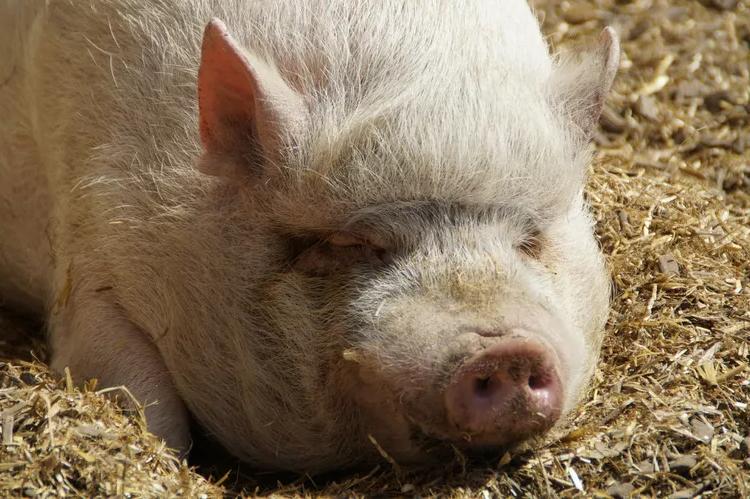
Contrary to popular belief, “teacup” isn’t a breed. It’s a term breeders use for regular pot-bellied pigs that have been starved or stunted to remain small. 
Even though pet pot-bellied pigs are smaller than standard farm pigs—which can weigh about 1,000 pounds—they usually weigh 100–200 pounds. Claims that a teacup pig will remain 10–12 pounds are false. The tiniest pot-bellied pig typically weighs 60–80 pounds, which might be considered underweight depending on their body type, activity, and living conditions.
02 Keeping Pigs Small Can Damage Their Health
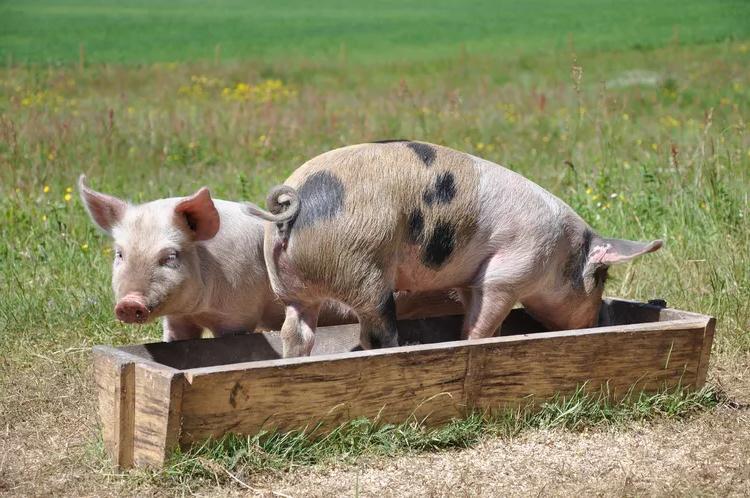
Many breeders resort to cruel practices to maintain a “teacup” size:
- Inbreeding: Repeatedly breeding pot-bellied pigs reduces size but increases genetic health problems.
- Starvation: Some breeders underfeed pigs to stunt growth, often advising owners to do the same. This leaves pigs with small skeletal structures but fully developed organs, causing deformities, frailty, and other severe health issues.
Owners must work with a veterinarian experienced with pigs for annual exams, blood tests, fecal tests, and hoof/tusk care. Pigs raised poorly may require specialized diet plans, medications, and more frequent veterinary visits.
03 Parent Size Doesn’t Predict Piglet Size
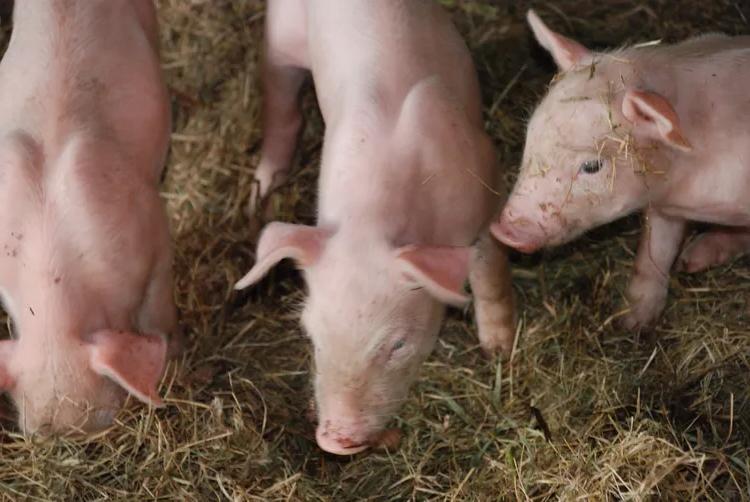
If a breeder shows you the piglet’s parents, be cautious. Pigs can breed as young as three months old, so parents may still be juveniles. This means you cannot accurately predict how large your teacup pig will grow. Unscrupulous breeders may even show infant pigs that will eventually become full-sized adults.
04 Teacup Pigs Are Extremely Expensive
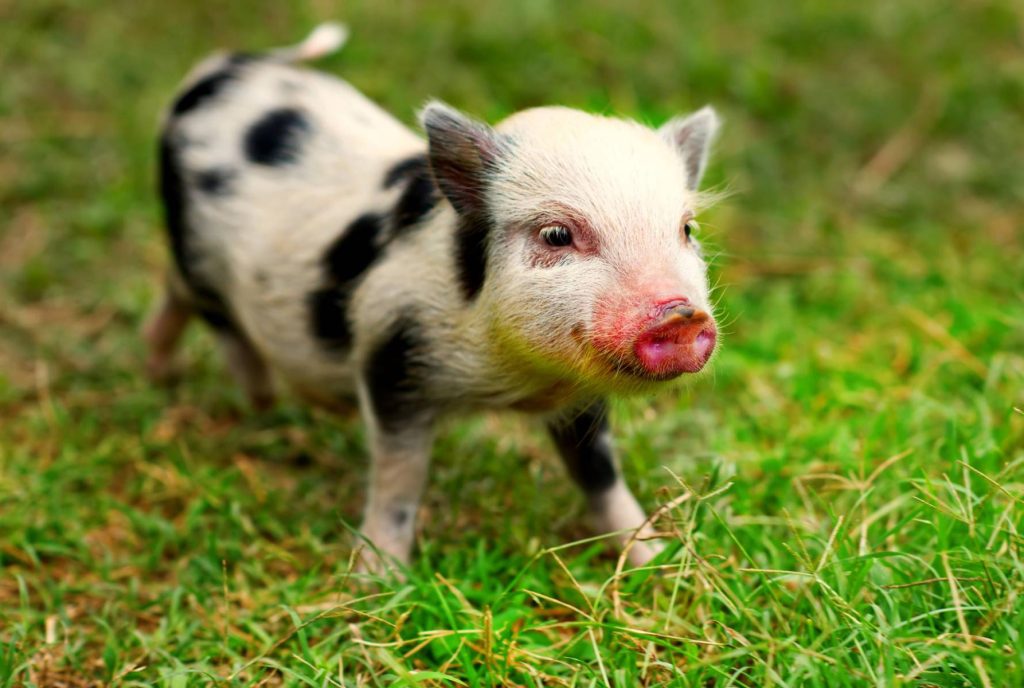
Expect to pay $750–$3,500 for a teacup pig. After purchase, the cost of food, supplies, veterinary care, and vaccinations can quickly rise into thousands of dollars each year.
Spaying or neutering your pig is recommended to prevent behavioral issues and reduce certain cancer risks. Finding a veterinarian experienced in pig surgery can be difficult, adding to the challenge. Many owners underestimate the true cost of caring for a 100+ pound pig.
05 Teacup Pigs Have a Short Lifespan
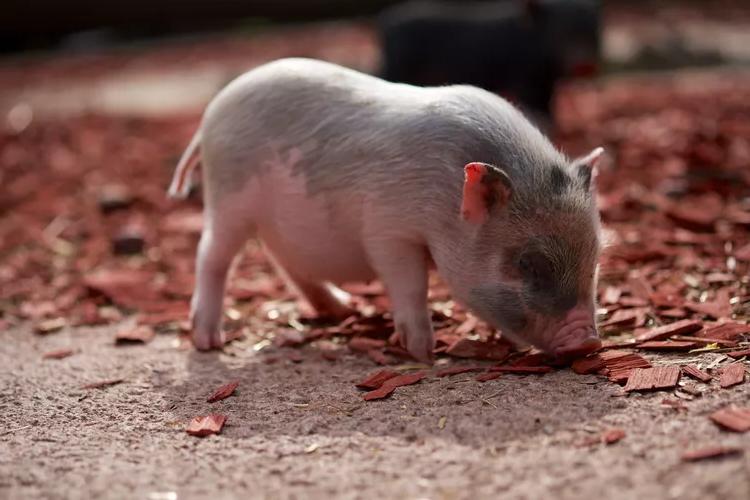
While a healthy pot-bellied pig can live 12–18 years, teacup pigs often live only about five years due to skeletal and immune complications. Genetic disorders caused by inbreeding can further shorten their lifespan.
06 Pigs Need Ample Space
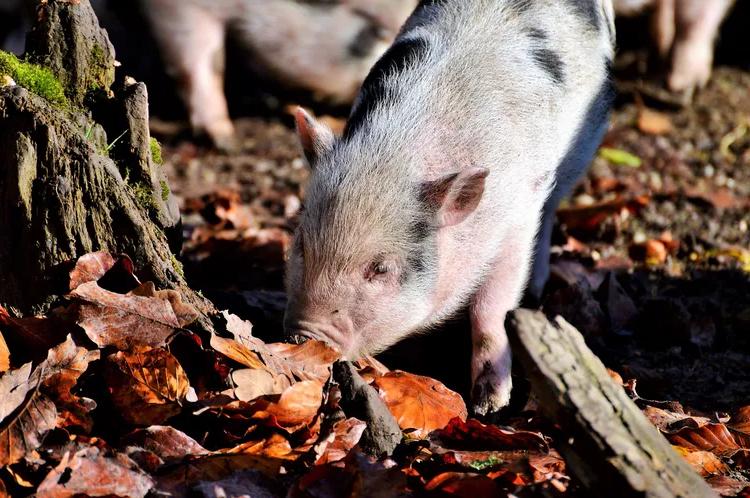
Pigs are not only big—they require room to move and daily exercise. Without proper stimulation, they can become destructive, aggressive, or even pose a danger to humans. Many pigs are abandoned or surrendered simply because their owners lack the space and environment to keep them happy and healthy.
07 Owning Pigs May Be Illegal in Your Area
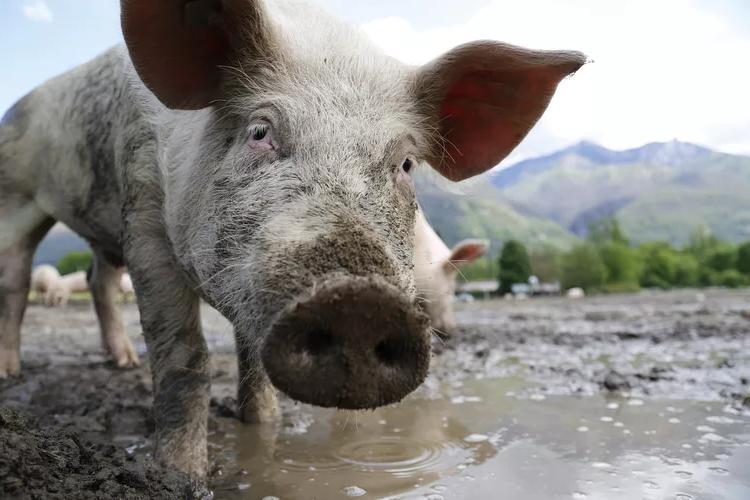
Believe it or not, some local laws prohibit keeping pigs as pets. Zoning laws in several states classify pigs as farm animals, forbidding them in residential or non-agricultural settings. Check your local regulations before getting a pig to prevent legal issues or forced surrender.
08 Pigs Are Social Animals
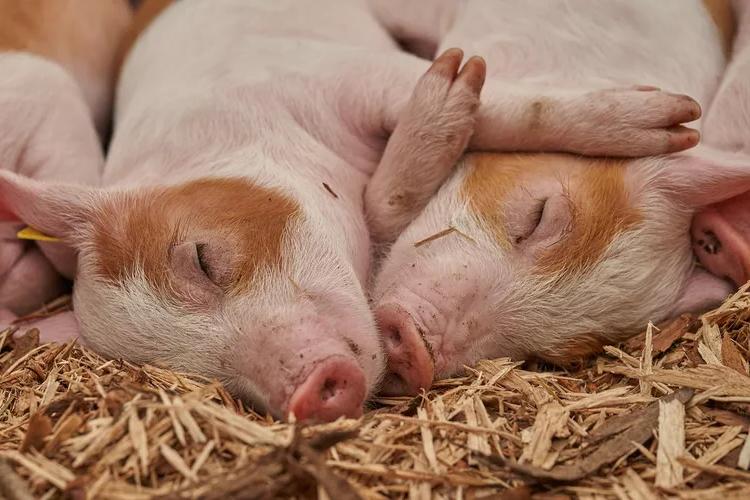
Pigs, like dogs, form social groups or “packs.” They enjoy playing, lounging, and sleeping together. Depriving them of social interaction can lead to boredom, depression, or aggression. Ideally, pigs should be kept in pairs or groups, but this also doubles the cost and effort of feeding, veterinary care, and general management.
09 Owning Pigs Is Different from Cats or Dogs
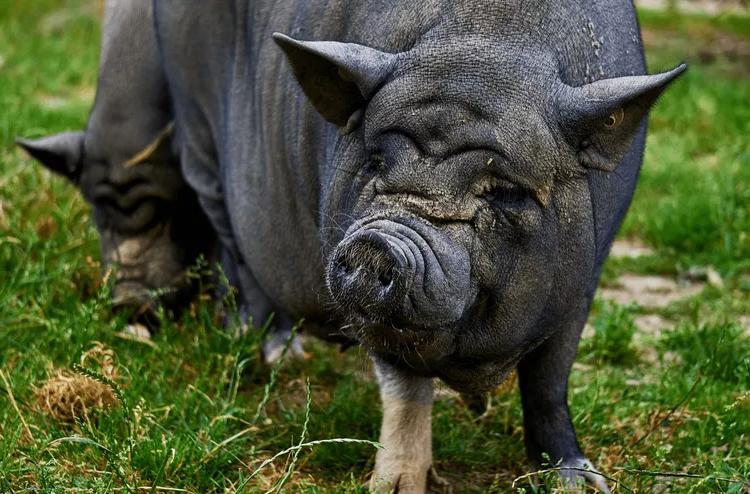
Pigs are highly intelligent and affectionate, capable of forming deep bonds with humans. However, pig care is very different from owning cats or dogs. Many teacup pig owners are unprepared for a pig growing into an adult, which can lead to health issues, destructive behavior, and abandonment.
The bottom line: ensure you have enough space, patience, and a budget to support a pig properly before bringing one home.
10 Teacup Pigs May Not Get Along With Other Pets
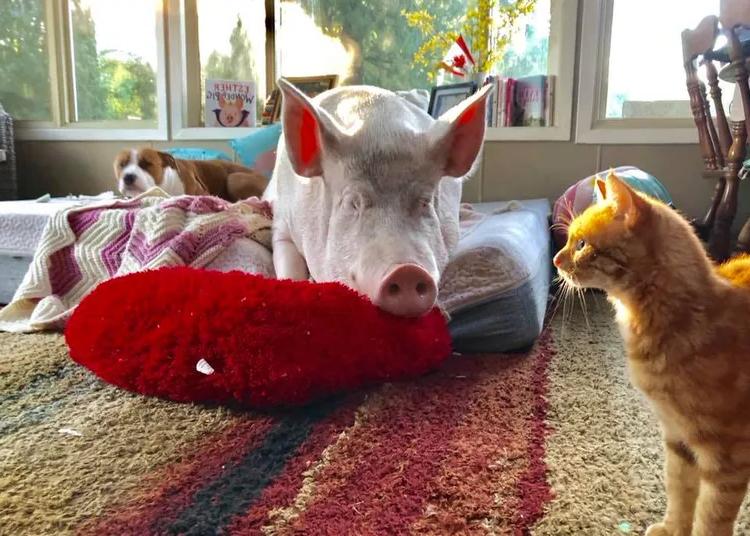
Teacup pigs may have difficulties interacting with other pets, such as dogs or cats. Conflicts can arise over territory or food, and behavior is often unpredictable. While pigs enjoy the company of other pigs, living with different species may not be harmonious.
Pigs and Odor
Pigs don’t have strong body odor if kept clean. They require regular baths, grooming, and waste management. Urine and feces should be disposed of frequently to prevent unpleasant smells in your home and neighborhood.
Rehoming Challenges
Pigs can be difficult to rehome. Many owners cannot meet their complex needs, and shelters often lack resources to care for them long-term. Unwanted pigs may be euthanized, highlighting the importance of careful consideration before ownership.
FAQ
Q1: How big can a teacup pig get?
There’s no true teacup breed. Healthy pot-bellied pigs typically weigh 60–200 pounds and measure up to 3 feet long.
Q2: Are teacup pigs legal?
Ownership laws vary by state and locality. Always check local regulations before acquiring a pig.
Q3: What is their lifespan?
Pot-bellied pigs live 12–18 years on average. Teacup pigs may live only about five years if poorly bred or malnourished.
Q4: What do teacup pigs eat?
They require a diet including high-quality pig pellets, non-starchy vegetables, alfalfa hay, bran, multivitamins, and fresh water.