





“If unexpected journeys are the most meaningful, then Iran may be the most rewarding destination on Earth.” — Lonely Planet
When people think of Iran, headlines often overshadow history. Yet long before modern politics, the Iranian plateau was home to one of humanity’s earliest great civilizations — the magnificent Persian Empire.
Beyond the news narratives lies a land of poetry, geometry, gardens, fire temples, and royal capitals. This is a journey across Iran’s UNESCO World Heritage treasures — a panoramic exploration of a civilization that shaped the ancient world. 
Golestan Palace – Royal Splendor in Tehran
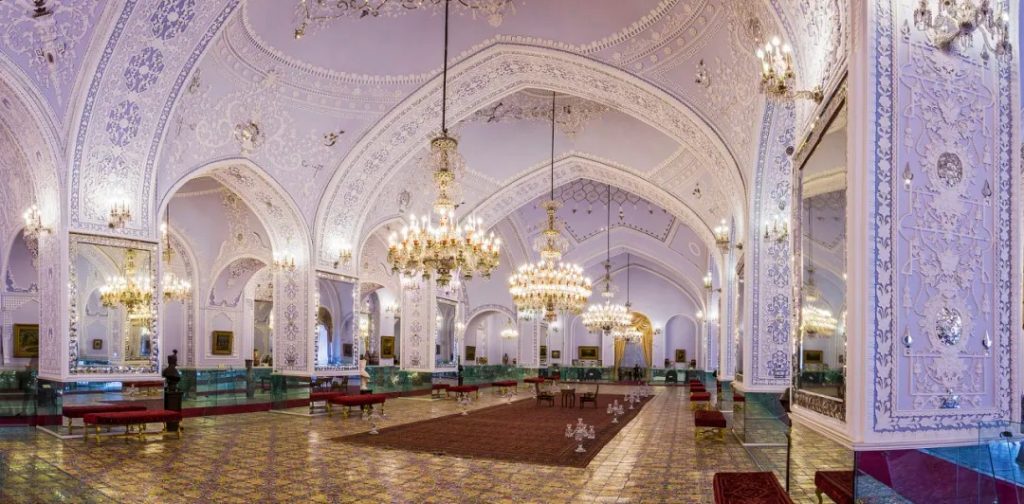
In the heart of Tehran stands the dazzling Golestan Palace, once the royal residence of the Qajar dynasty.
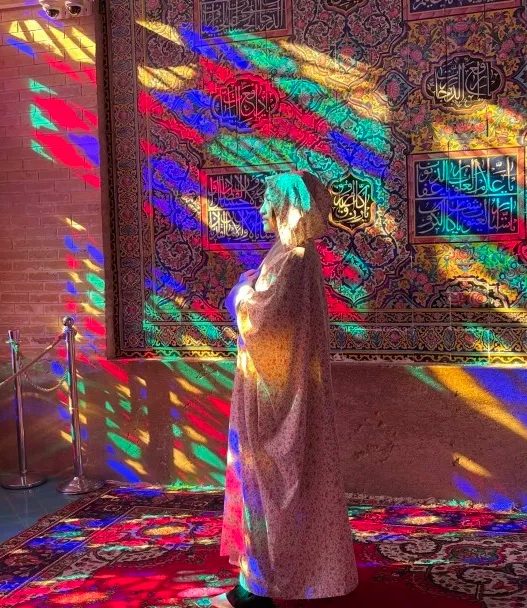
Step inside and you are surrounded by mirrored halls and stained glass reflecting thousands of colors. Intricate Persian miniature paintings and elaborate stucco carvings celebrate an era of imperial refinement. It feels less like a palace and more like a jewel box carved from light.
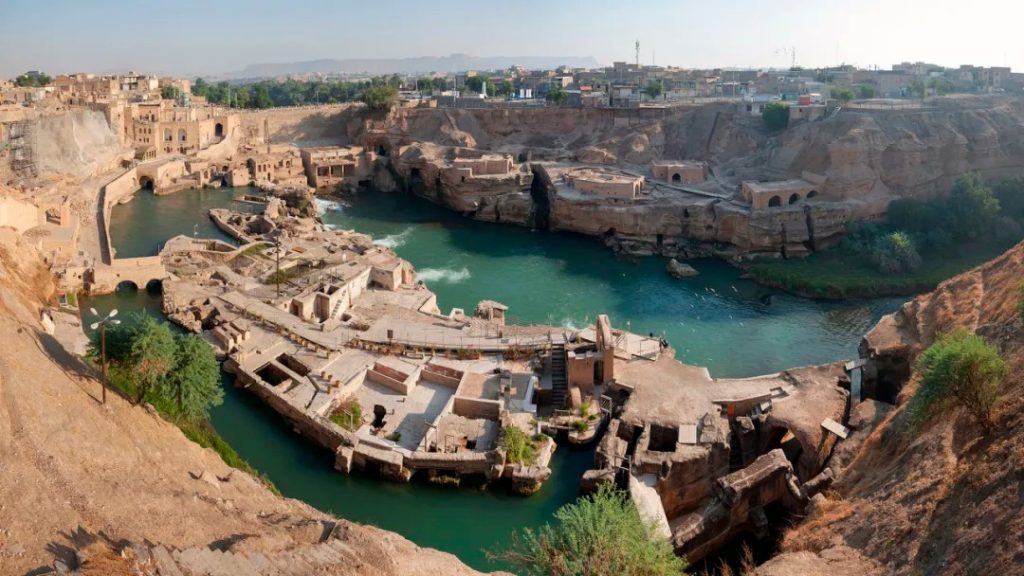
Shushtar Historical Hydraulic System – Ancient Engineering Genius
In Khuzestan Province flows the Karun River, Iran’s longest river. Here stands the remarkable Shushtar Historical Hydraulic System, a masterpiece of water engineering dating back to the 5th century BCE under Darius the Great.
Built for irrigation, milling, defense, and transportation, this vast system demonstrates how ancient Persia mastered both nature and technology — centuries before modern machinery.
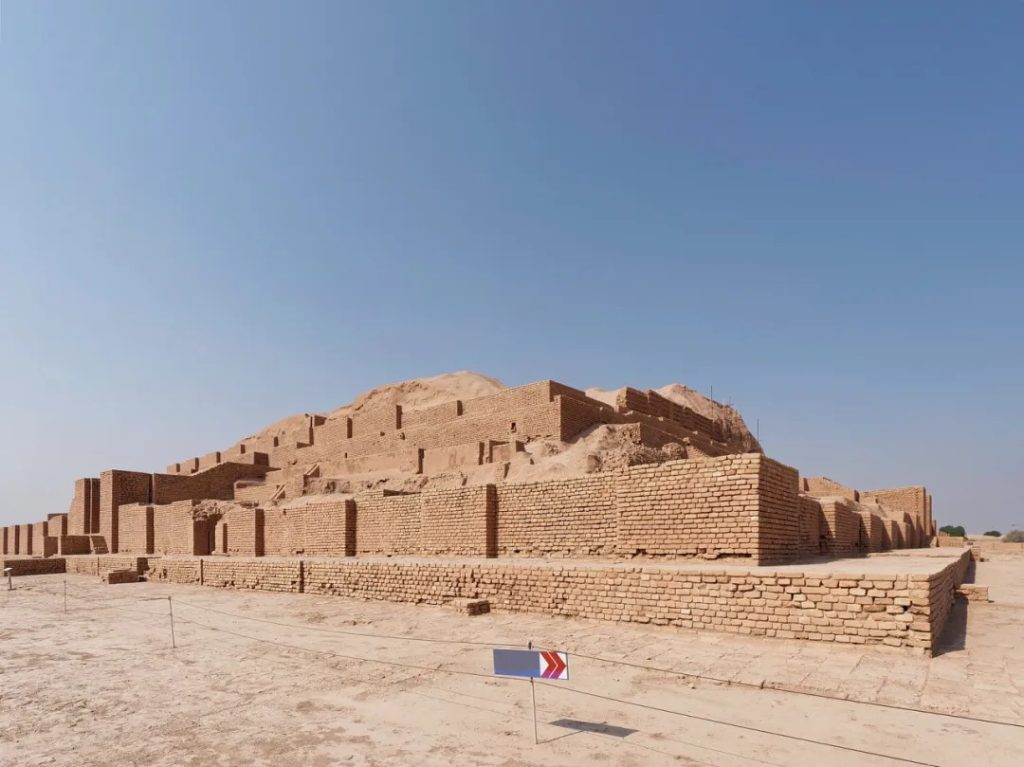
Chogha Zanbil – The Best-Preserved Ziggurat
The ancient ruins of Chogha Zanbil, near Ahvaz, transport visitors to the mysterious Elamite civilization.
This stepped pyramid, one of the world’s best-preserved ziggurats, rises from the desert with quiet authority. Its geometric precision and massive brickwork reveal the ingenuity of a culture that flourished over 3,000 years ago.
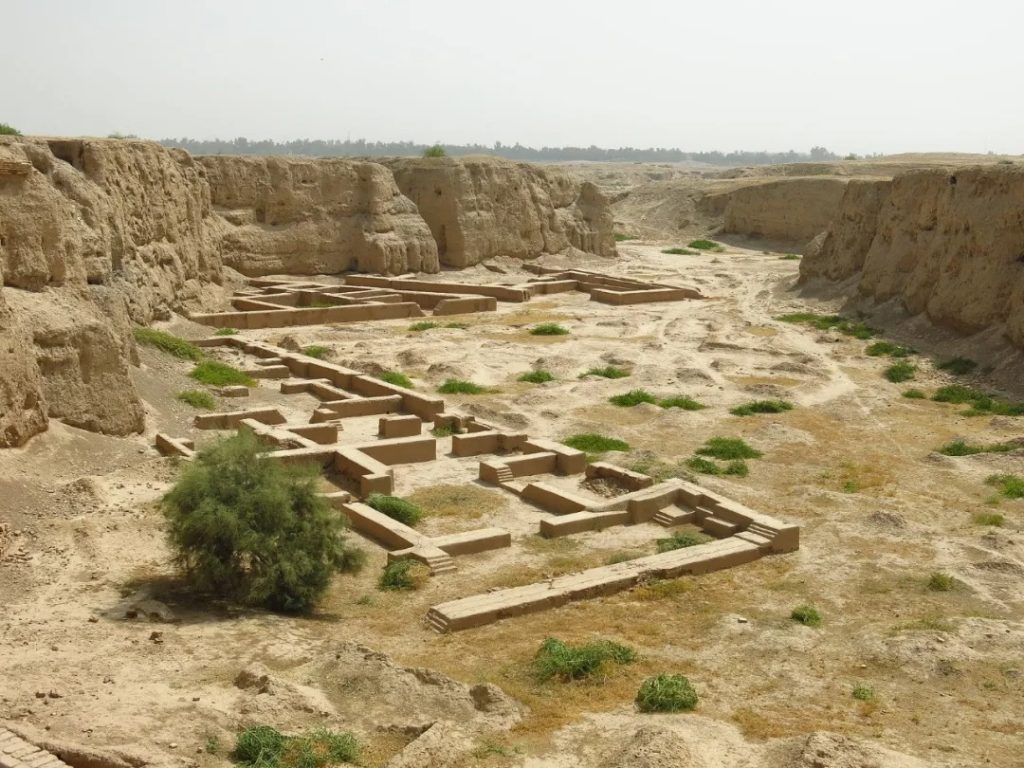
Susa – Where Civilizations Met
The ancient city of Susa is one of the world’s oldest continuously inhabited settlements. It served as a crossroads between Mesopotamia and Elam, later ruled by Assyrians, Achaemenids, Parthians, and Sasanians.
Wander through the ruins of the Apadana Palace and imagine emissaries from across the empire gathering in royal courts. Every stone here whispers history.
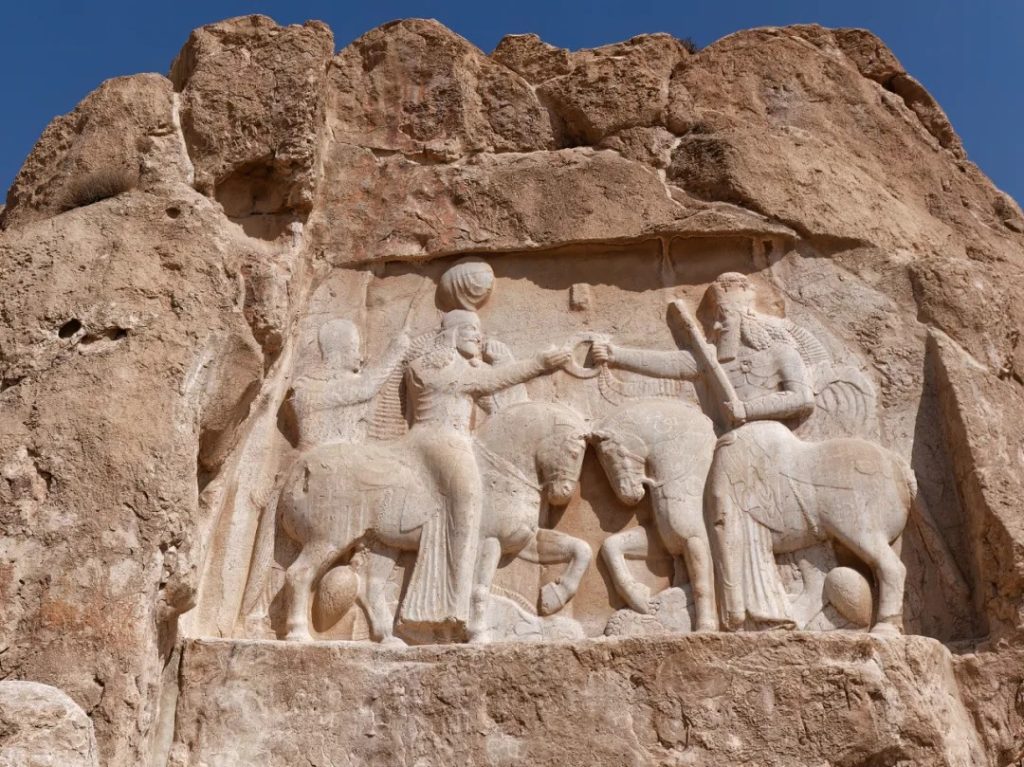
Sassanian Rock Reliefs – Power Carved in Stone
The Sasanian Empire left behind dramatic rock carvings across Iran. Near Nishapur, reliefs depict royal victories and ceremonial scenes with astonishing detail.
These monumental carvings transform cliffs into storytelling canvases, preserving the grandeur of one of antiquity’s most powerful dynasties.
Eram Garden – A Persian Vision of Paradise
In Shiraz, the enchanting Eram Garden embodies the philosophy of Persian gardens — symmetry, flowing water, and harmony with nature.
Recognized as part of UNESCO’s Persian Gardens, it represents the ancient idea of paradise on earth.
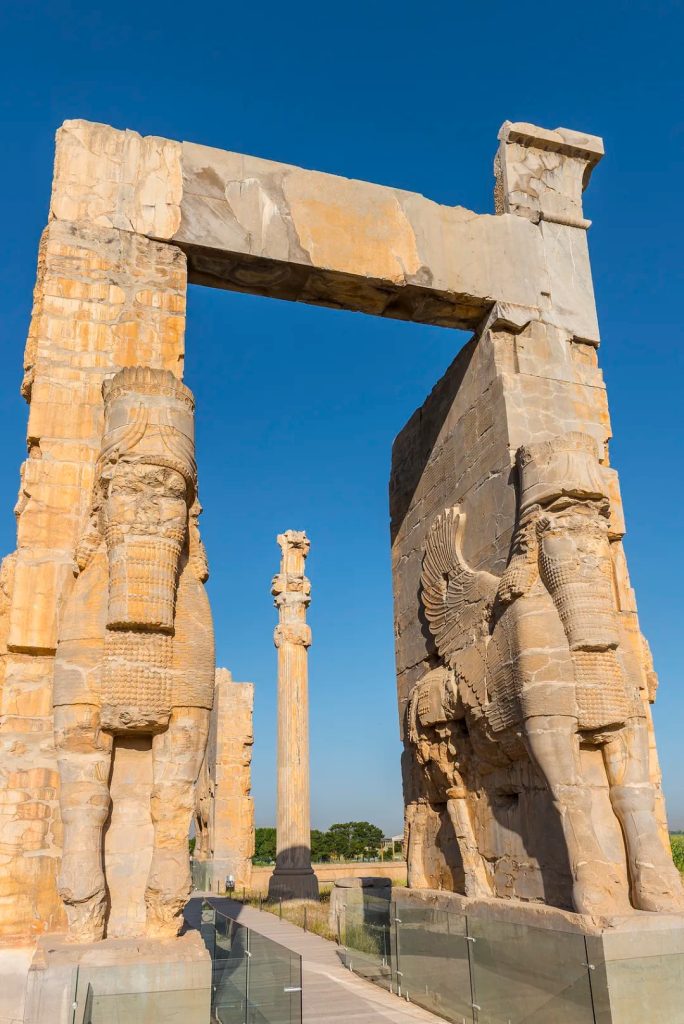
Persepolis – Ceremonial Capital of the Achaemenids
No journey through Iran is complete without Persepolis.
Founded in 515 BCE by Darius I, this ceremonial capital once hosted grand Nowruz celebrations, where envoys from across the empire presented tribute. Though burned by Alexander the Great, its towering columns and detailed bas-reliefs still radiate imperial pride.
Pasargadae – The Legacy of Cyrus the Great
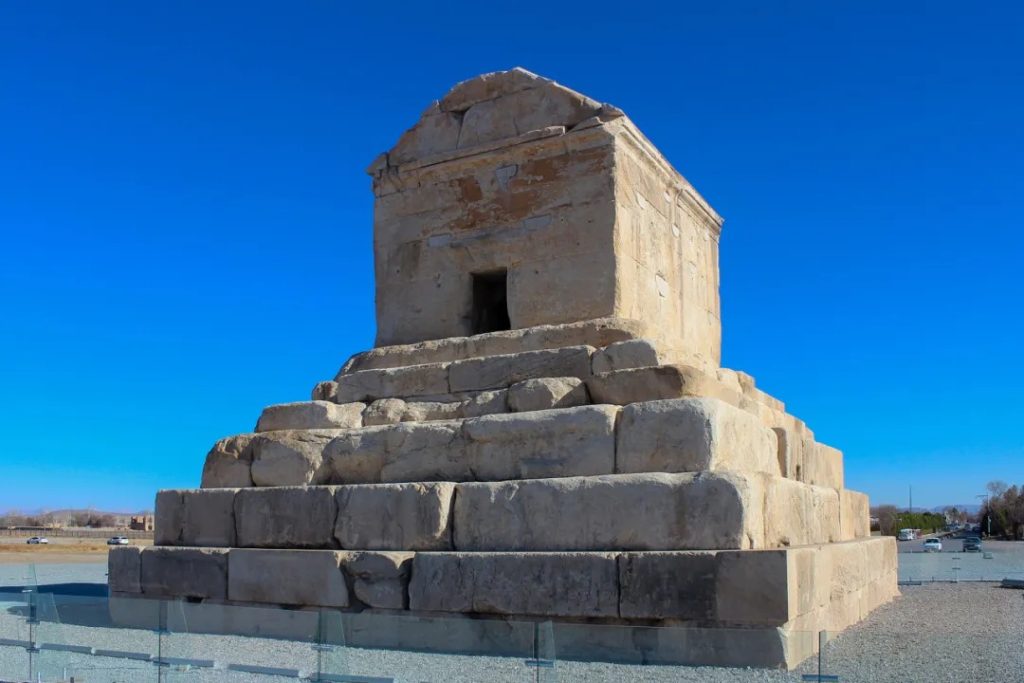
Earlier than Persepolis was Pasargadae, the first capital of the Achaemenid Empire, built by Cyrus the Great.
Here stands his simple yet dignified tomb — a powerful contrast to the later grandeur of Persepolis. Pasargadae symbolizes the origins of imperial Persia and its visionary founder.
Yazd – The Desert City of Windcatchers
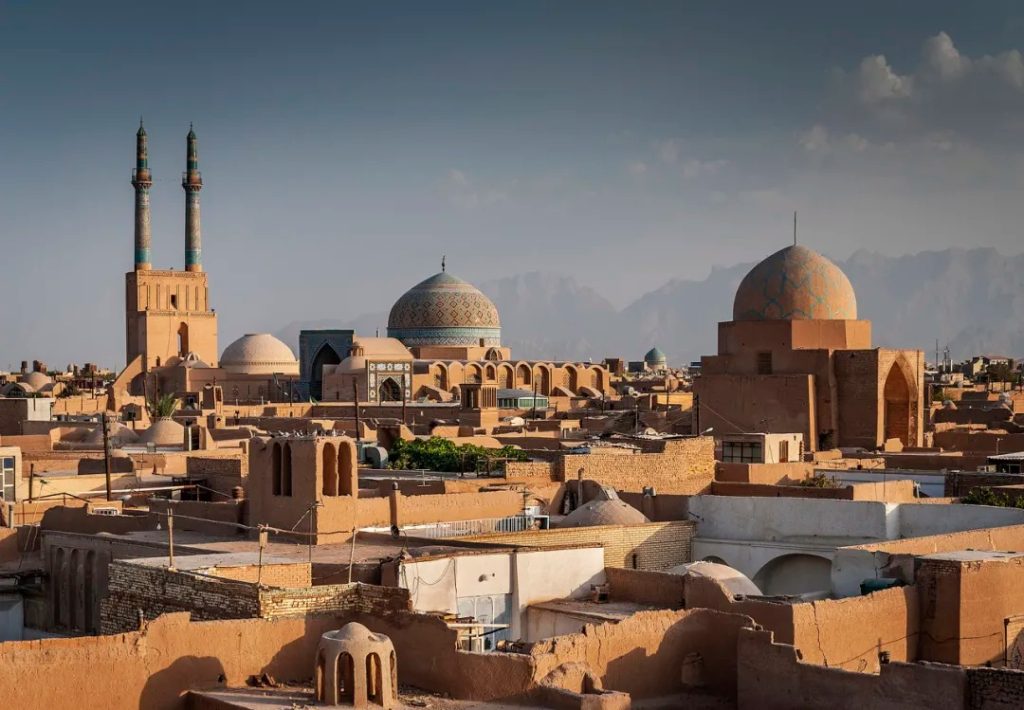
The adobe city of Yazd is one of the world’s largest earthen urban centers.
Wind Towers and Fire Temples
Known as the “City of Windcatchers,” Yazd’s traditional windcatchers cool homes naturally in the desert heat. The city also preserves ancient Zoroastrian traditions that have endured for over a millennium.
Jameh Mosque of Yazd – A Towering Masterpiece
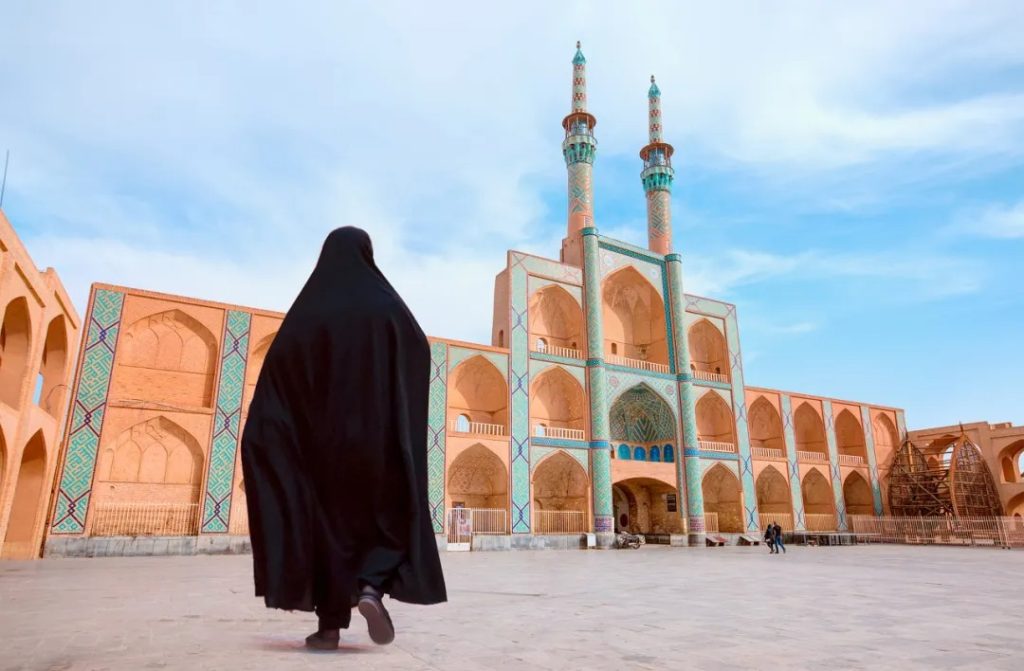
The stunning Jameh Mosque of Yazd boasts Iran’s tallest minarets. Built and expanded between the 12th and 19th centuries, its turquoise tiles shimmer under the desert sun, reflecting centuries of architectural evolution.
Dowlat Abad Garden – Desert Cooling Innovation
The elegant Dowlatabad Garden features a 33-meter wind tower — one of the tallest in Iran. Even in summer heat, the garden’s design creates a refreshing oasis.
Naqsh-e Jahan Square – The Jewel of Isfahan
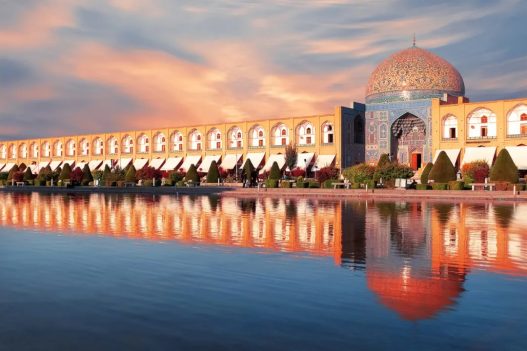
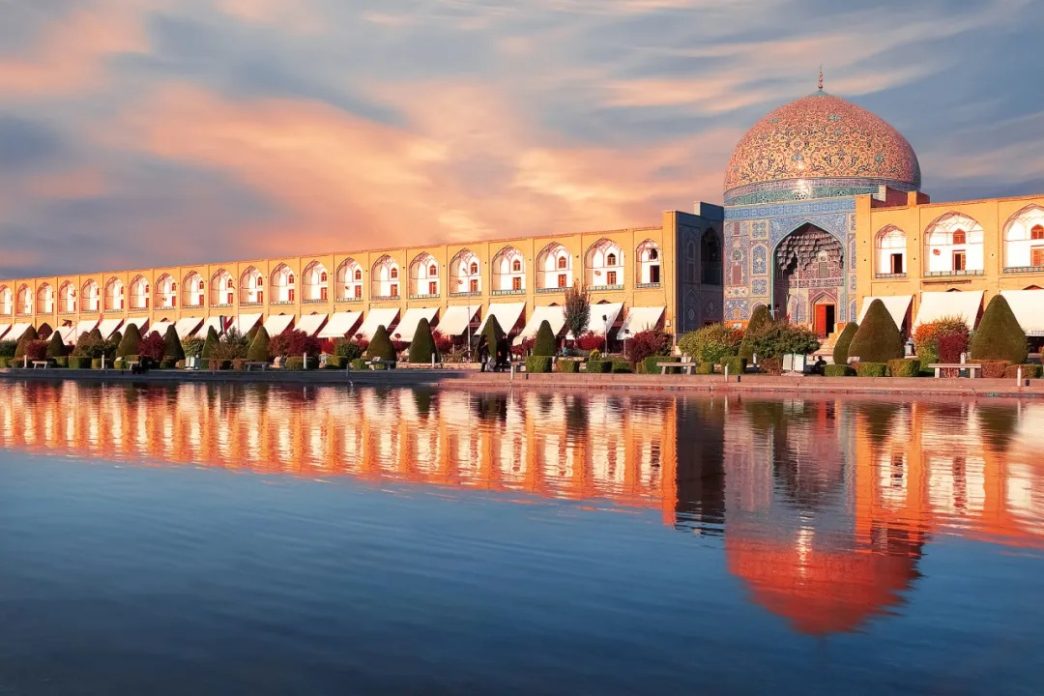
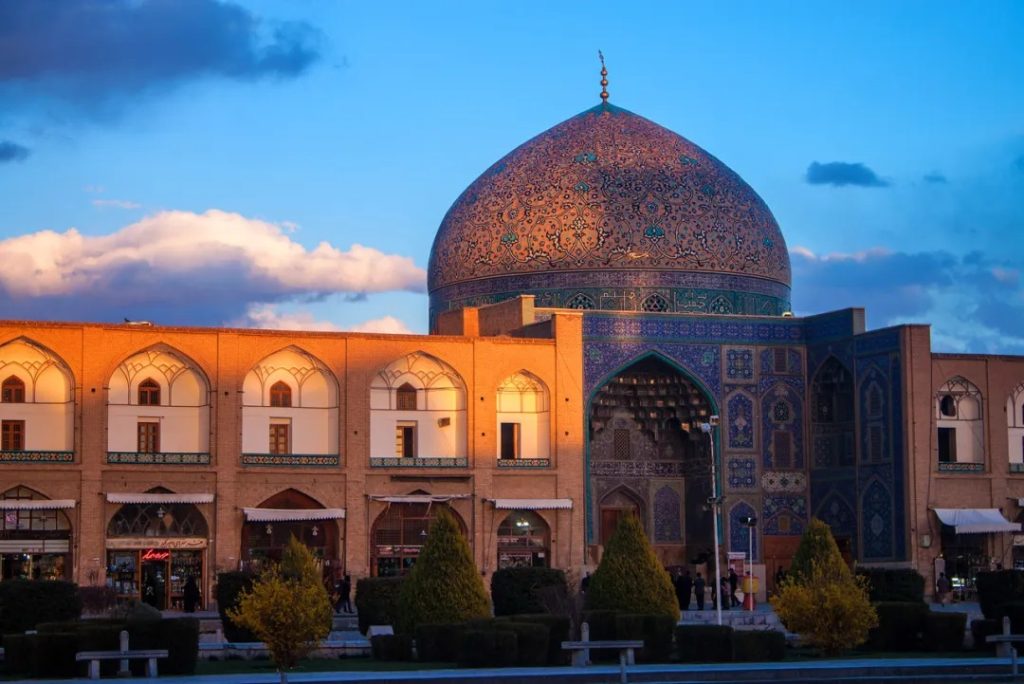
In Isfahan, the vast Naqsh-e Jahan Square stands as one of the largest and most magnificent squares in the world.
Surrounded by architectural masterpieces — the Shah Mosque, Sheikh Lotfollah Mosque, Ali Qapu Palace, and the Qeysarieh Gate — it represents the zenith of Safavid urban design.
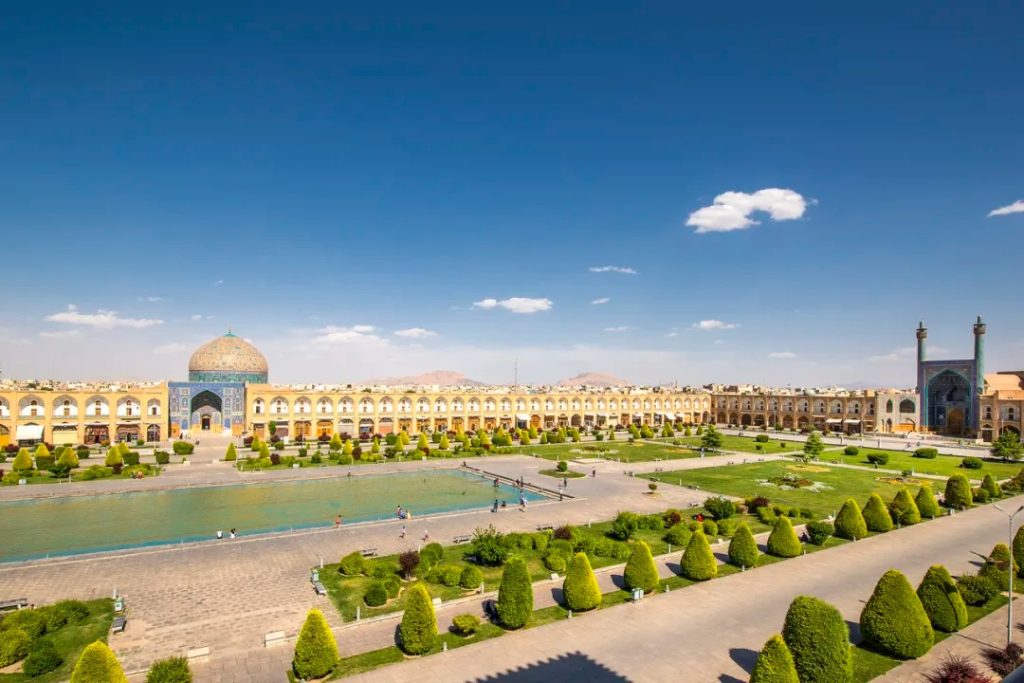
Jameh Mosque of Isfahan – 800 Years of Islamic Architecture
The Jameh Mosque of Isfahan showcases over eight centuries of Islamic architectural innovation, blending Seljuk, Mongol, and Safavid elements into one evolving masterpiece.
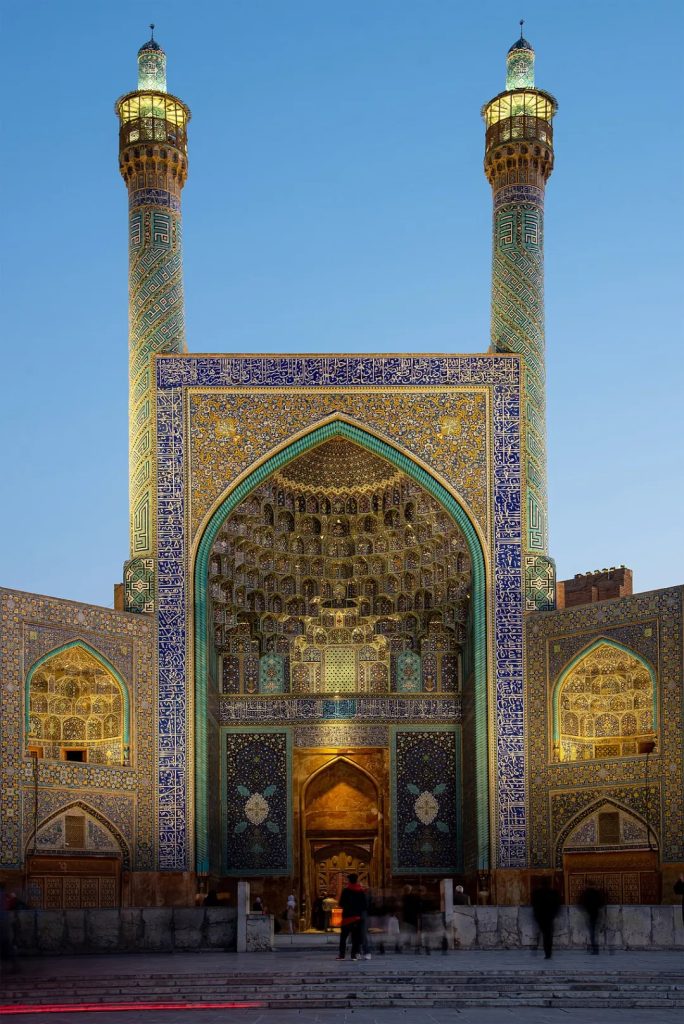
Chehel Sotoun – The Palace of Forty Columns
Built in 1647, Chehel Sotoun reflects its twenty wooden columns in a long pool, creating the illusion of forty — hence its name. Inside, vivid murals depict Safavid victories and royal ceremonies in remarkable detail.
Abyaneh – The Red Village in the Mountains
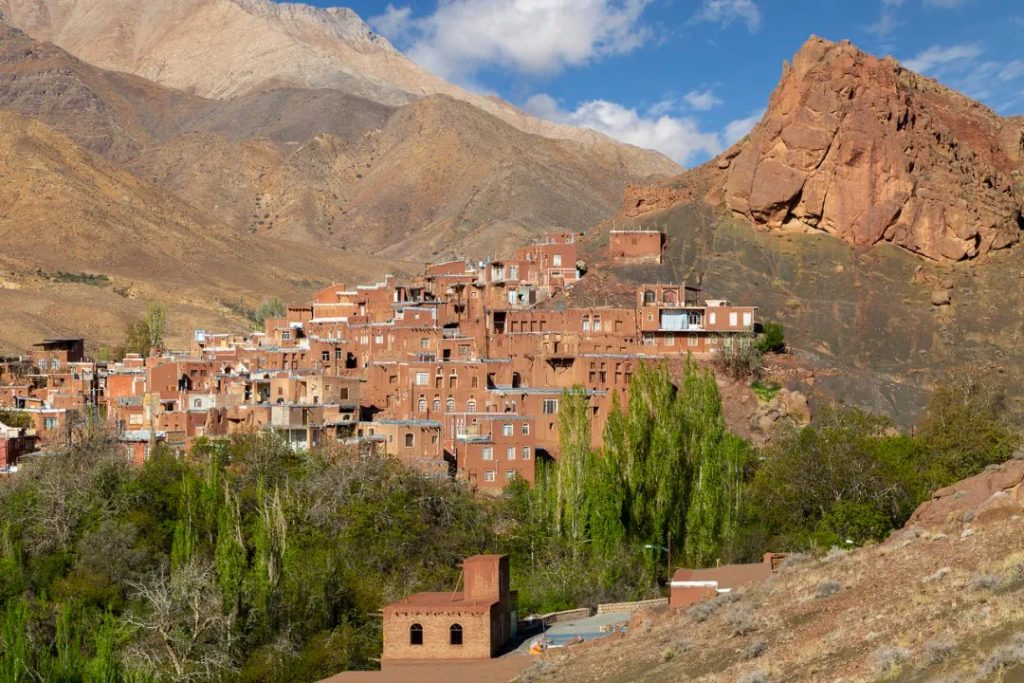
Nestled in the Karkas Mountains, the ancient village of Abyaneh is over 2,000 years old.
Its red clay houses blend seamlessly into the mountainside. Locals still speak a form of Middle Persian, preserving traditions rarely found elsewhere.
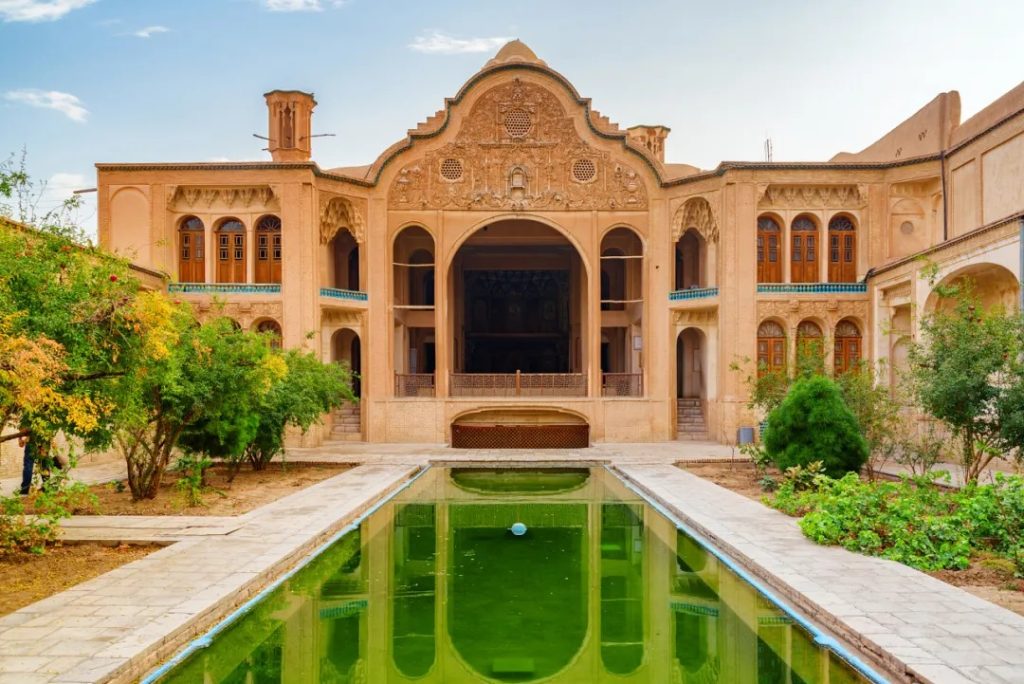
Fin Garden – A Classical Persian Paradise
The historic Fin Garden in Kashan is among the finest surviving examples of Persian garden design. Natural fountains flow without pumps, and its layout reflects the ancient concept of a balanced, heavenly paradise.
A Civilization Beyond Headlines
Iran is not a single story. It is poetry in Shiraz, geometry in Isfahan, fire temples in Yazd, and imperial echoes in Persepolis.
To travel across Iran’s World Heritage sites is to move through 5,000 years of human creativity — where architecture, engineering, philosophy, and art converge into one extraordinary journey.