




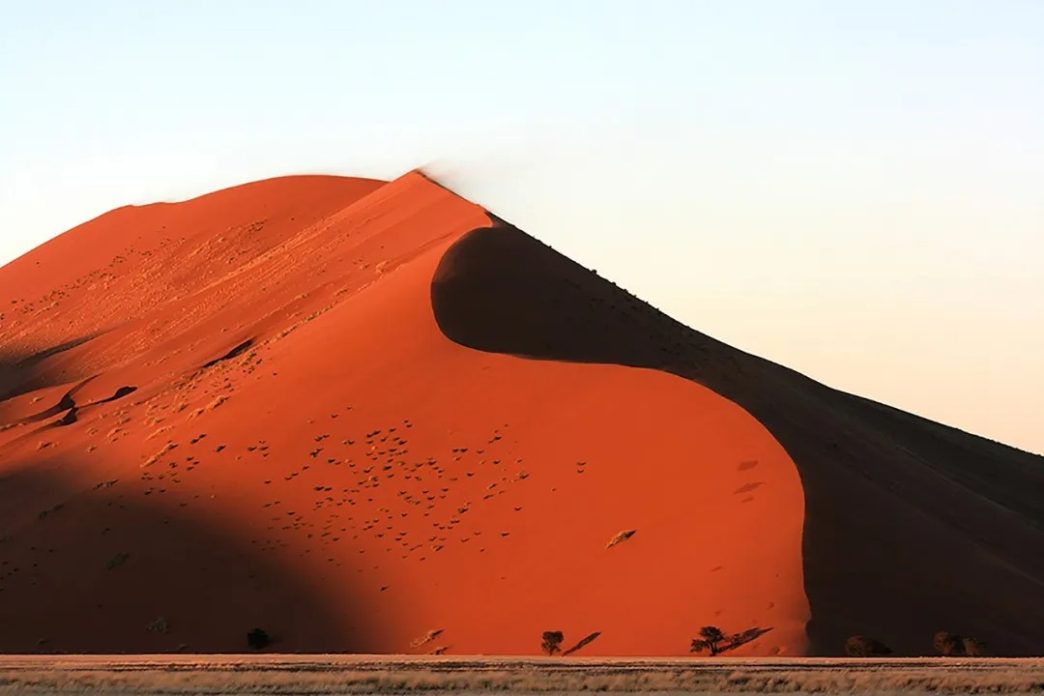
Why Namibia Feels Like Another Planet
On the vast map of southern Africa lies a country that seems almost unreal—Namibia. Celebrated by Lonely Planet as one of the best-value destinations and praised by CNN as a once-in-a-lifetime journey, Namibia is not just a trip—it’s an awakening.
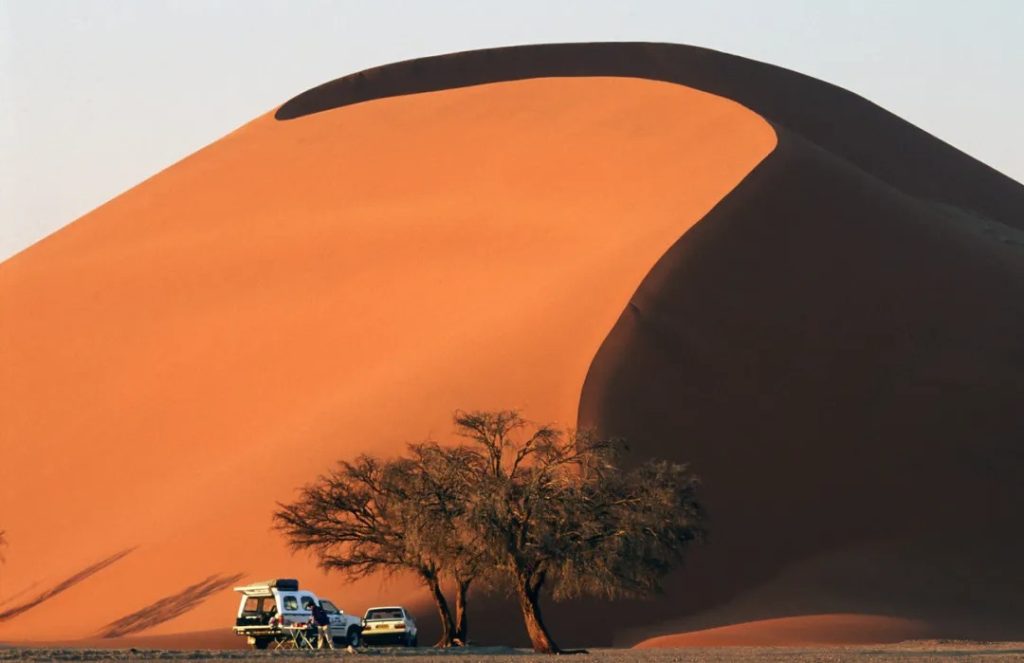
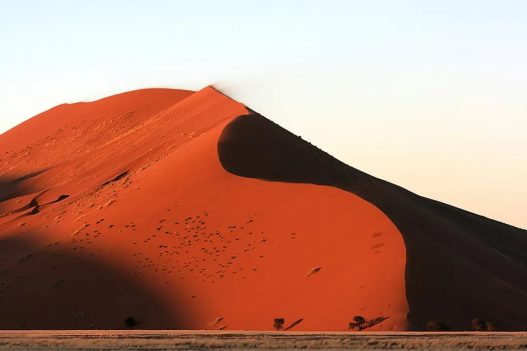
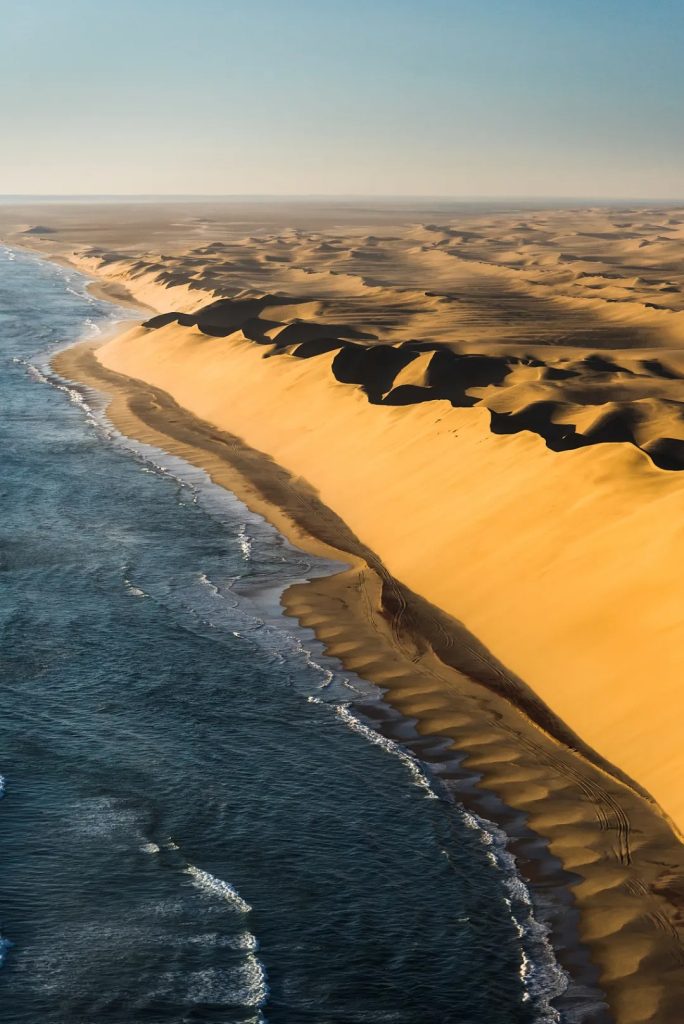
Step onto its soil and you’ll feel as if you’ve crossed into another dimension. Here, the world’s oldest red desert meets the roaring Atlantic Ocean. Towering dunes roll dramatically into the sea, creating the rare and surreal spectacle known as “sand meets ocean.”
At night, the sky becomes a masterpiece. With 42 southern constellations glittering overhead, the silence of the desert transforms into a cosmic theater unlike anywhere else on Earth. 
Nature and history intertwine seamlessly in Namibia. It’s a sanctuary for wildlife, a living museum of ancient cultures, and a land of raw, untamed beauty that will challenge everything you thought you knew about Africa.
Sossusvlei: Where the Desert Turns Red
Located within the legendary Namib Desert, Sossusvlei is home to some of the tallest dunes on Earth. Under golden sunlight, the dunes ripple like silk waves frozen in time.
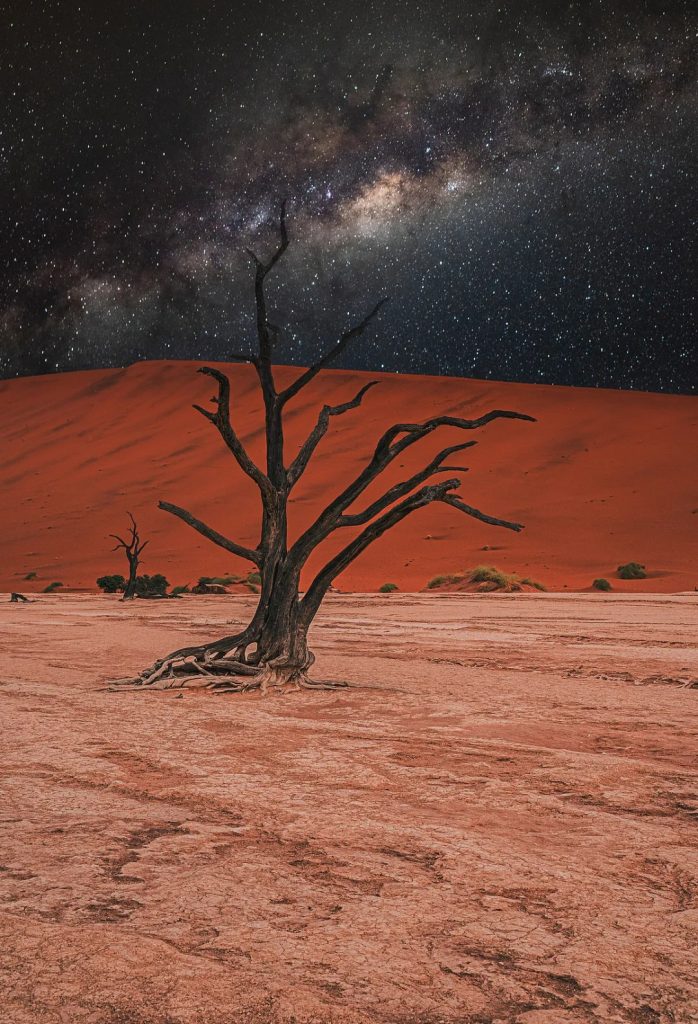
Nearby lies the hauntingly beautiful Deadvlei—once a wetland, now a white clay pan dotted with 900-year-old skeletal camel thorn trees. Shielded by towering dunes, these ancient trees stand preserved in eerie perfection, forming one of the most photographed landscapes in Africa.
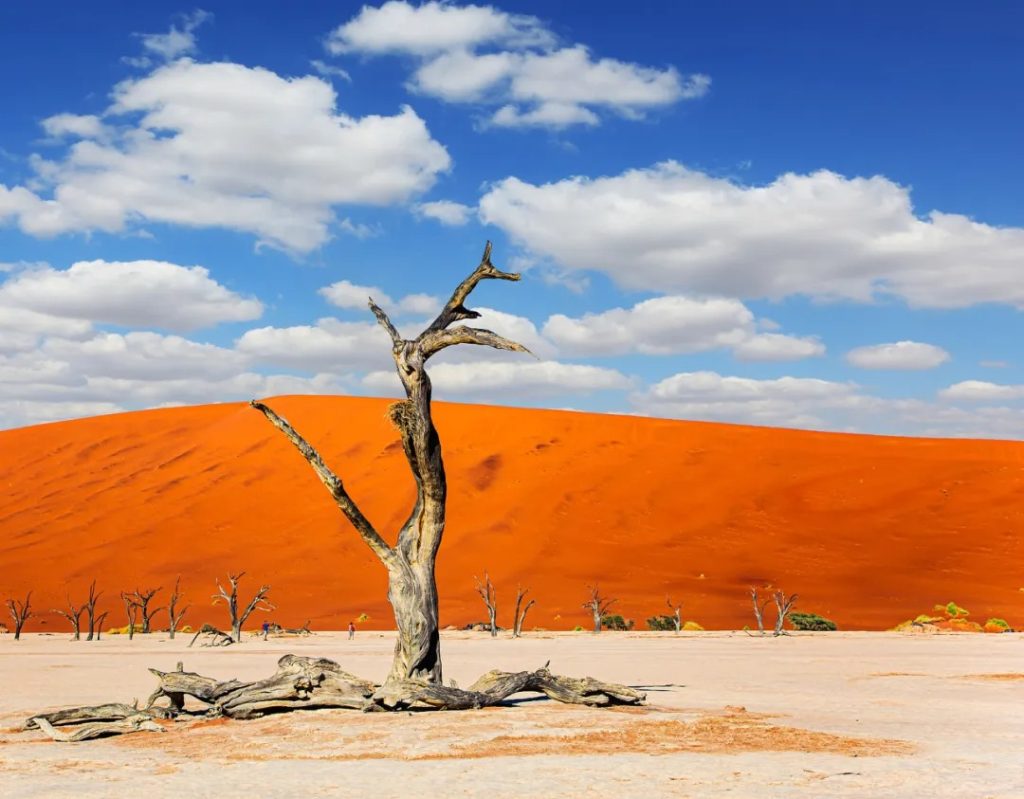
Despite the harsh environment, life thrives here. Hardy desert plants and wildlife have adapted in extraordinary ways, proving that even the most unforgiving places can pulse with vitality.
Walvis Bay: A Marine Playground
Founded in 1793, Walvis Bay is Namibia’s largest harbor and a paradise for ocean lovers.
Hop on a boat tour and you might be greeted by playful seals and sea lions. Pelicans glide across the waves while flamingos paint the shoreline pink. The combination of sea breeze, sunshine, and abundant wildlife makes this coastal escape both relaxing and exhilarating.
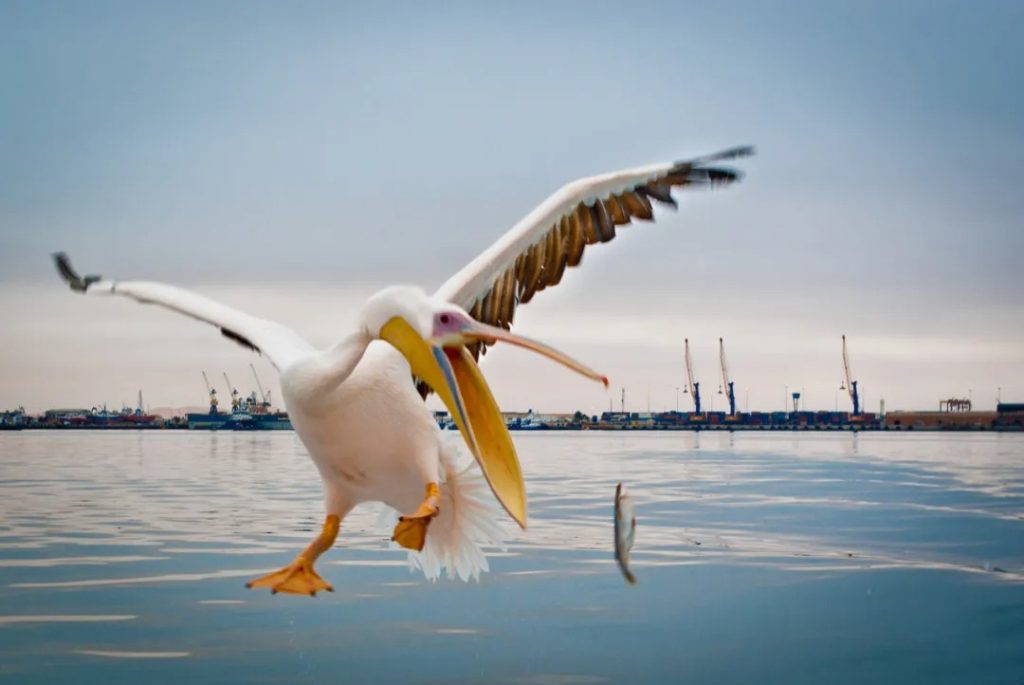
Sandwich Harbour: Where Dunes Dive into the Sea
Just 48 kilometers south of Walvis Bay lies the breathtaking Sandwich Harbour, part of the vast Namib-Naukluft National Park.
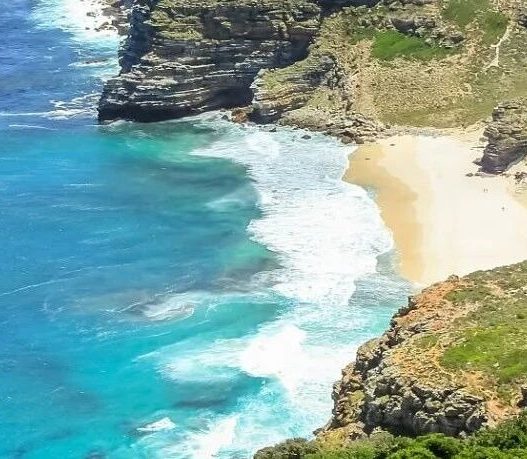
Here, towering dunes dramatically slope straight into the Atlantic Ocean—a rare geographical phenomenon. Desert and ocean collide in an epic landscape that feels almost mythical. Few places on Earth offer such a striking visual contrast.
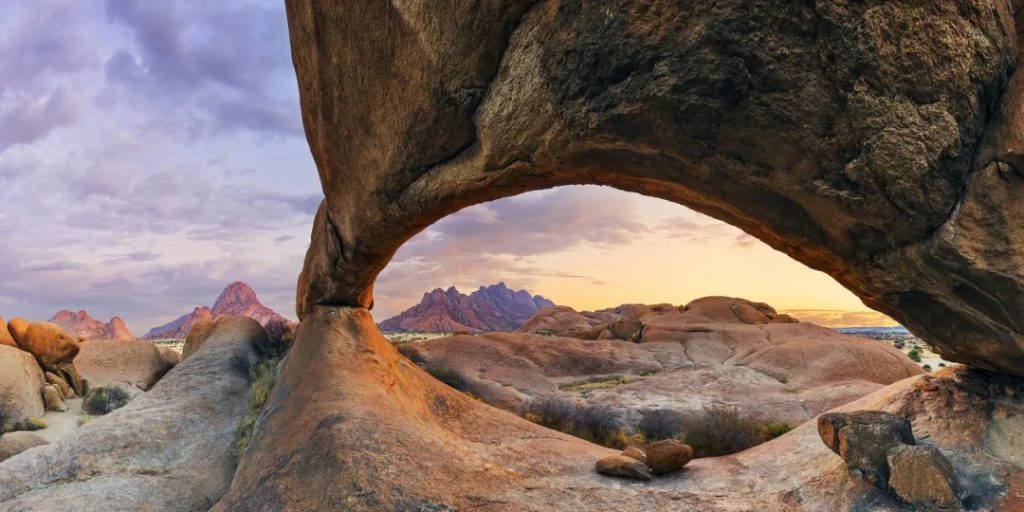
Spitzkoppe: Namibia’s “Matterhorn”
Often called the “Matterhorn of Namibia,” Spitzkoppe rises sharply from the desert floor. Formed around 130 million years ago during the breakup of Gondwana, this granite giant reaches 1,784 meters above sea level.
At sunset, its famous natural rock arch glows in fiery orange tones, making it a dream location for photographers and adventurers alike.
Quiver Tree Forest: Guardians Under the Stars
The iconic Quiver Tree—actually a type of aloe—has earned the nickname “the desert’s survival artist.”
In southern Namibia, clusters of these sculptural trees create a surreal landscape, especially after dark. The region is famous for its pristine night skies. Under a blanket of stars, the quiver trees appear like ancient sentinels guarding the desert. For astrophotographers, this is pure magic.
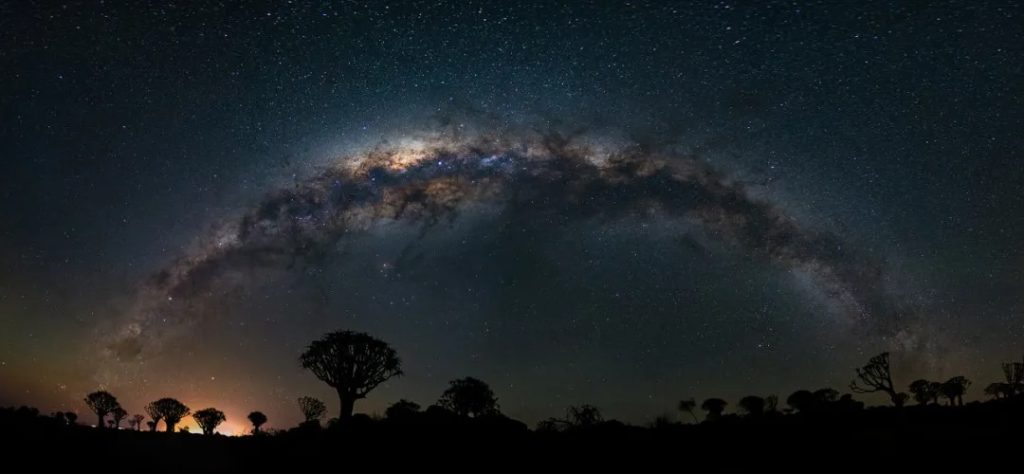
Twyfelfontein: 6,000 Years of Human Stories
In 2007, Twyfelfontein was inscribed as Namibia’s first UNESCO World Heritage Site.
This remarkable site preserves over 2,000 rock engravings created by hunter-gatherers of the Wilton Stone Age culture some 6,000 years ago. It is one of Africa’s largest and most significant collections of ancient rock art—an open-air gallery that tells the story of early human life.
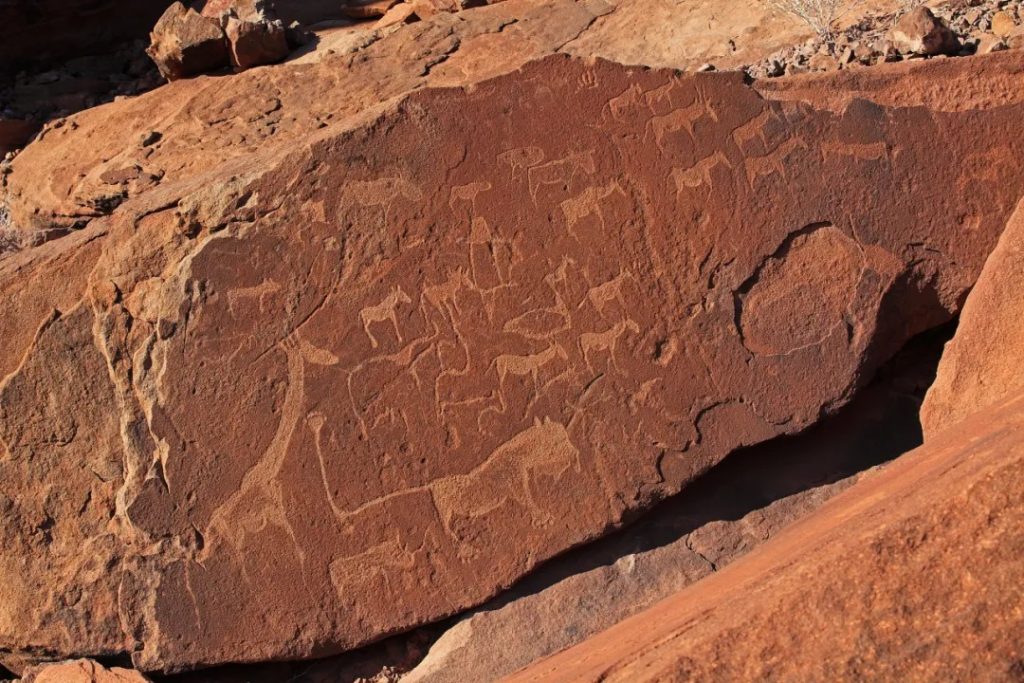
The Himba: A Living Cultural Treasure
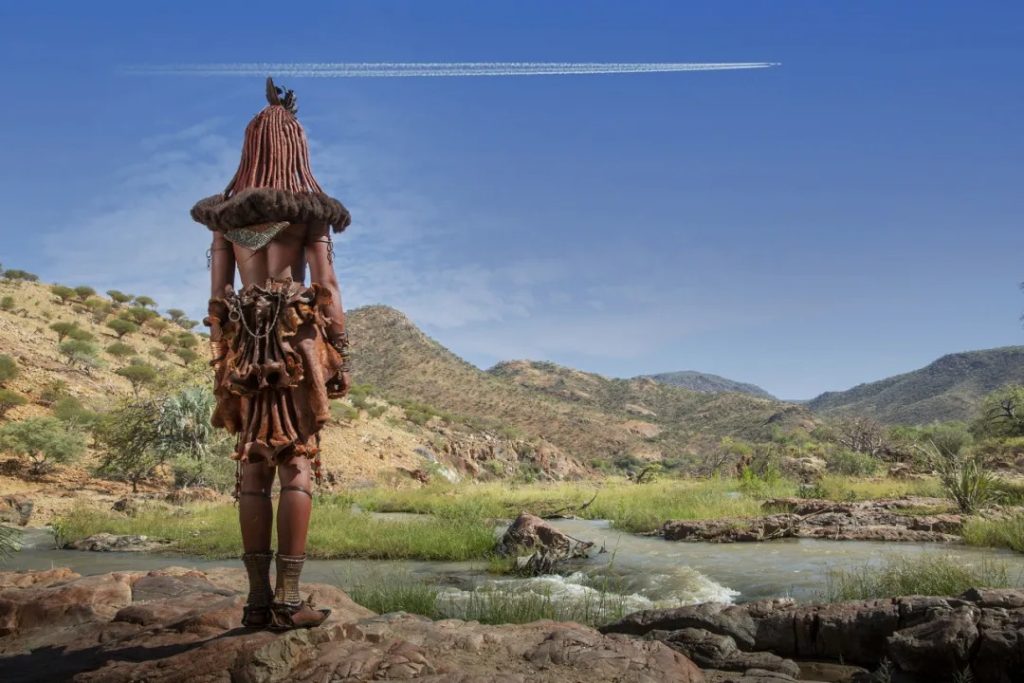
The Himba people are one of Namibia’s most fascinating indigenous communities.
Known for covering their skin and hair with a mixture of red ochre and butterfat, Himba women create a natural sunblock that protects against the harsh desert climate. Their intricate hairstyles and rhythmic dances reflect a cultural identity that has endured for centuries. Visiting a Himba village offers a rare opportunity to witness traditions that remain deeply rooted in ancestral heritage.
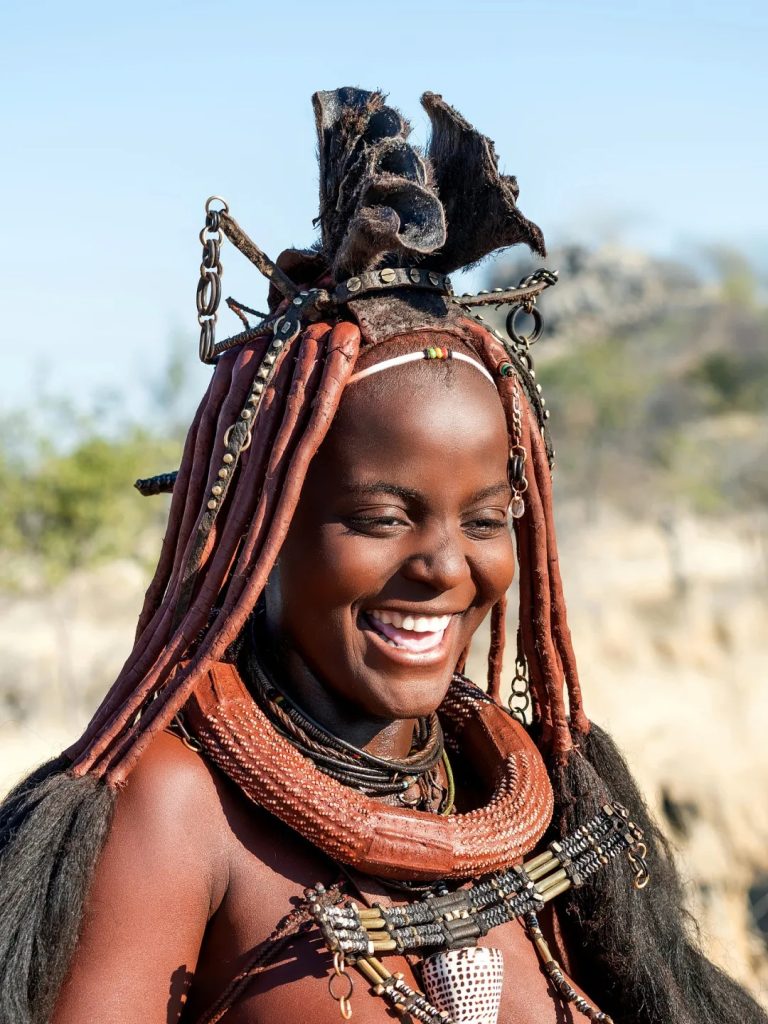
Etosha National Park: Africa’s Wildlife Symphony
Meaning “Great White Place,” Etosha National Park is one of Africa’s premier wildlife reserves.
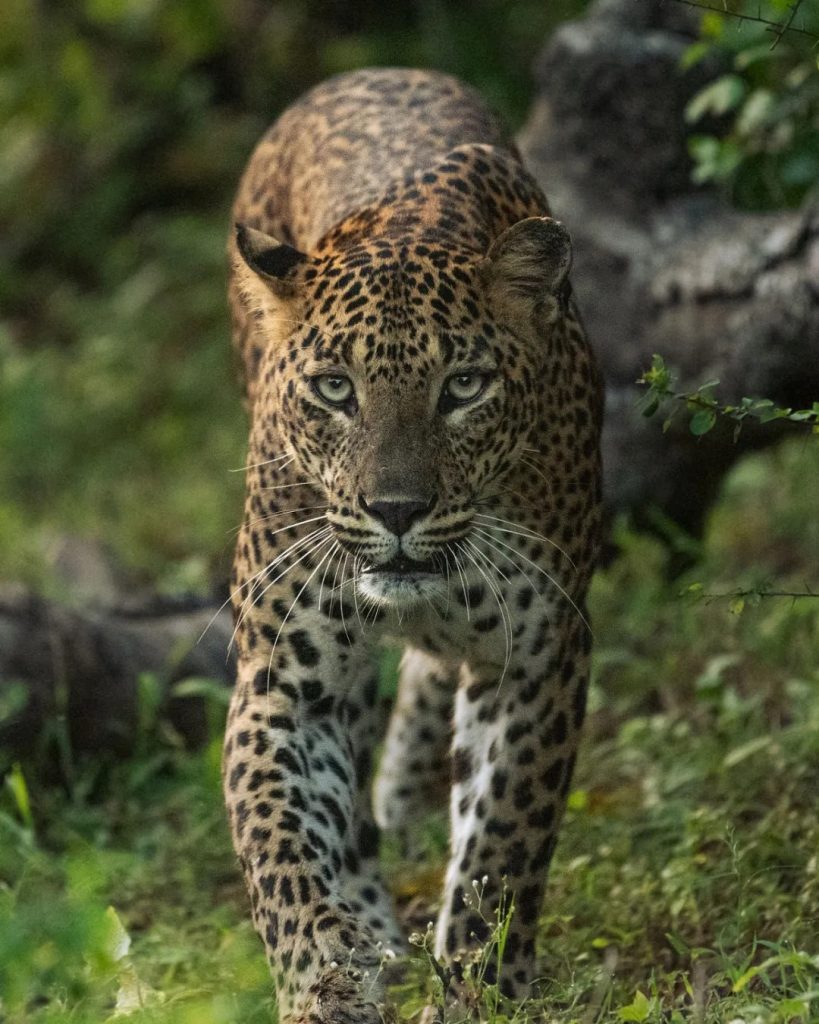
Covering roughly 22,000 square kilometers, the park surrounds the vast Etosha Pan, a shimmering salt flat visible even from space.
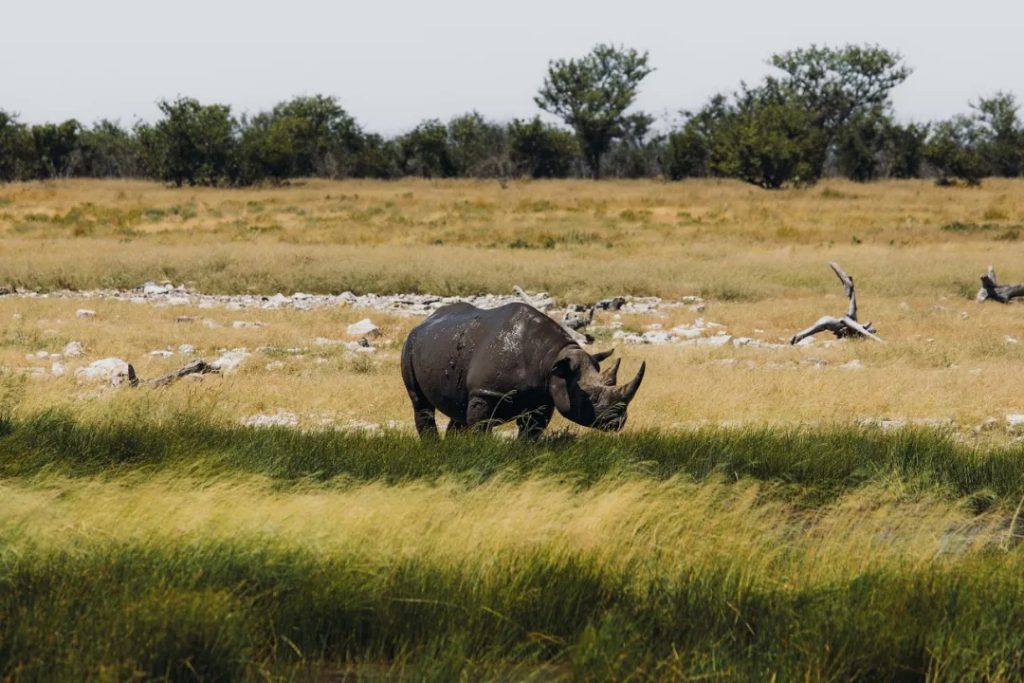
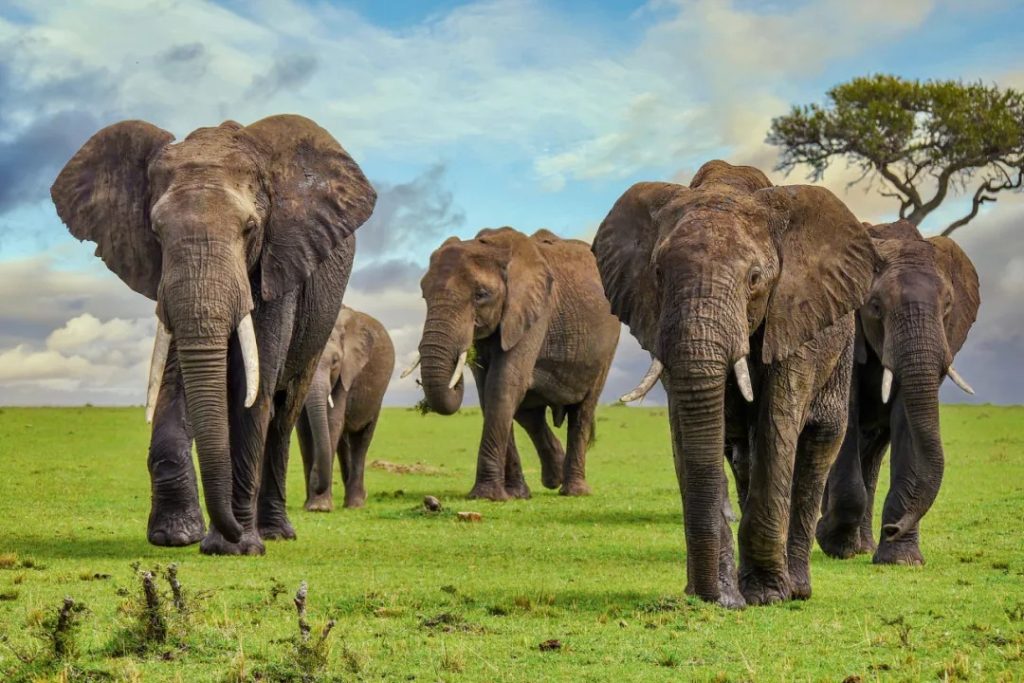
Home to more than 340 bird species and 100+ mammals, including lions, leopards, elephants, and rhinos, Etosha offers unforgettable safari experiences. At waterholes, dramatic scenes unfold daily—peaceful grazing one moment, thrilling predator hunts the next. It’s nature at its most authentic and unscripted.
Okonjima: Where Cheetah Conservation Comes Alive
At Okonjima Nature Reserve, visitors can learn about cheetah conservation while observing these elegant predators up close.
Watching a cheetah sprint across open grassland is a breathtaking reminder of both nature’s beauty and the importance of wildlife protection. The reserve plays a vital role in preserving Namibia’s big cats for future generations.
A Journey You’ll Never Forget
Namibia is not just a destination—it’s a revelation. From ancient deserts and wildlife spectacles to living tribal cultures and endless starry skies, this extraordinary country invites you to explore, discover, and be forever changed.