






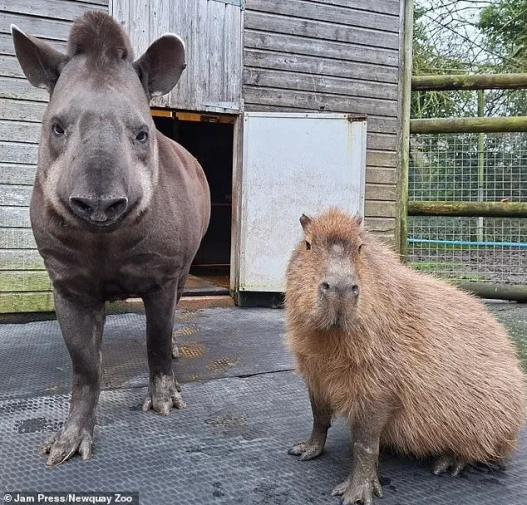
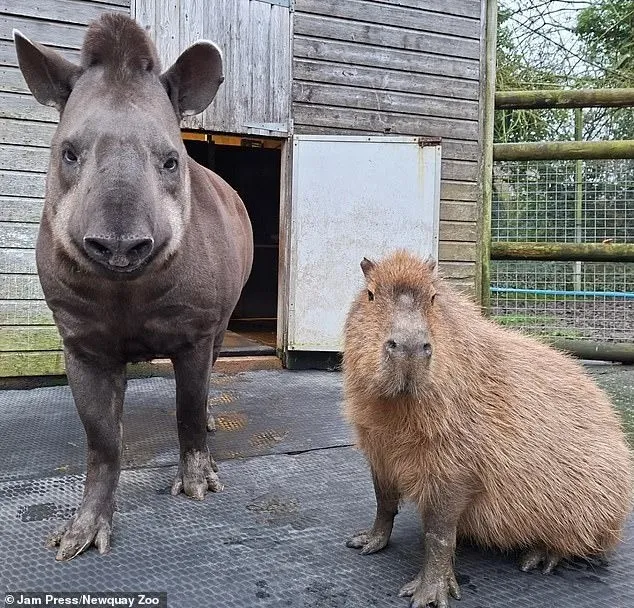
A recent announcement from a zoo in Cornwall, England has sparked strong reactions online. The zoo revealed that it has euthanized two long‑time residents of its South American section: a capybara named Johnson and a South American tapir named Aire.
The decision was made because both animals were struggling with age‑related health issues that were significantly affecting their quality of life. What drew the most attention was the zoo’s reasoning. The staff said the pair shared a rare and deep friendship across species. By making the decision to end their lives at the same time, the zoo claimed the animals would not have to face life without each other.
Life of Two Unlikely Friends
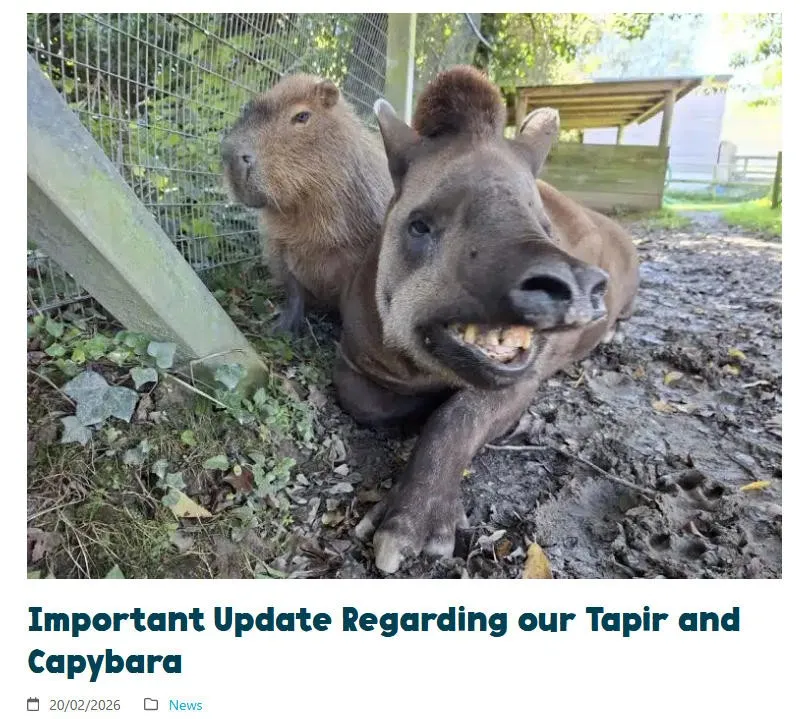
Johnson the capybara was born in 2016 and came to the zoo in 2017. Capybaras belong to a group of social rodents known for their calm and gentle nature, and they often become favorites in animal exhibits. 
Aire, the South American tapir, arrived at the zoo in 2014 and had even raised a calf. Tapirs are large browsing mammals native to South America, and Aire was frequently featured in the zoo’s promotional materials.
Because both capybaras and tapirs normally exhibit peaceful temperaments, the zoo placed them together. To the caretakers’ pleasant surprise, the pair developed an easygoing harmony. They behaved like two patient old friends who neither rushed each other nor caused harm. They simply enjoyed each other’s company in quiet companionship.
Also living nearby was another South American tapir named Sean. Sean was Aire’s offspring. Sadly, Sean’s health declined last August, and he was euthanized. That left Aire and Johnson to rely on one another.
Declining Health and a Difficult Choice
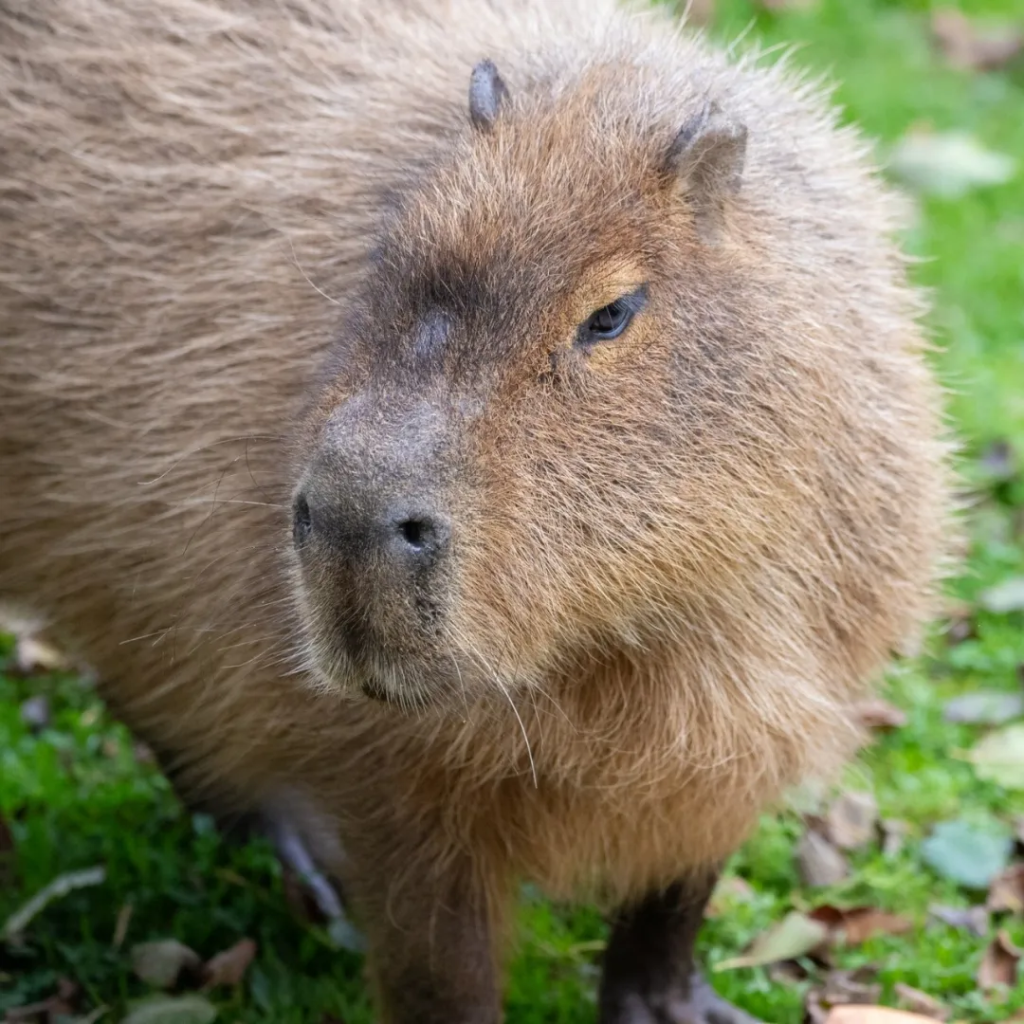
In captivity, capybaras can typically live twelve to fourteen years, while South American tapirs may reach twenty‑five to thirty years of age. By 2026, both Johnson and Aire were well into their senior years.
The zoo shared that in recent months, both animals had suffered multiple health issues that significantly impacted their daily lives. After careful evaluations by veterinarians and animal care staff, the zoo decided that euthanasia was the kindest option. The staff expressed deep sorrow in their public statement, saying goodbye to the nine‑year‑old Johnson and the twenty‑year‑old Aire.
Public Reactions Sympathy and Skepticism
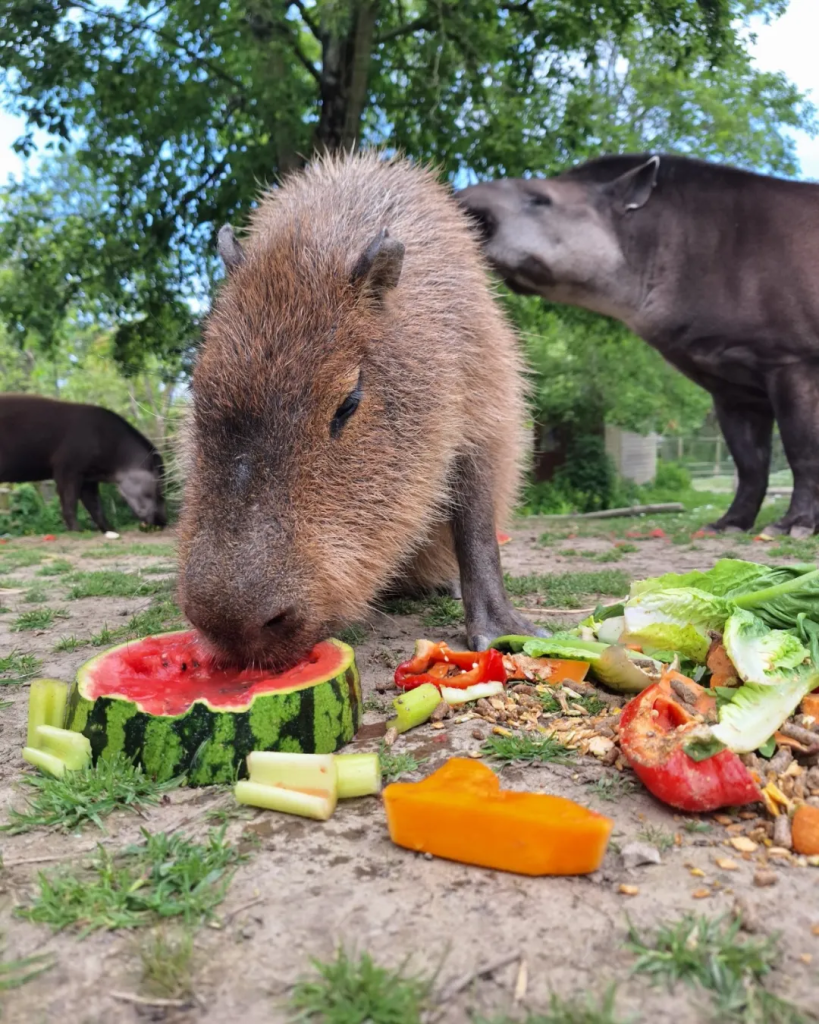
Many online commenters expressed empathy and sadness for the animals. Some understood the zoo’s position and felt sorrow for the loss of the old friends. They acknowledged that if the animals had not been facing serious health problems, the euthanasia would not have taken place.
However, other observers took a more critical view.
They pointed out that the zoo has long faced financial struggles, with rising operating costs and a reported offer for sale status. Late last year, a Dutch company acquired the zoo. This fueled speculation that cost‑saving may have influenced the euthanasia decision.
Critics mocked the zoo’s justification, suggesting that headlines could easily read that the zoo euthanized two rare animal friends simply to save money.
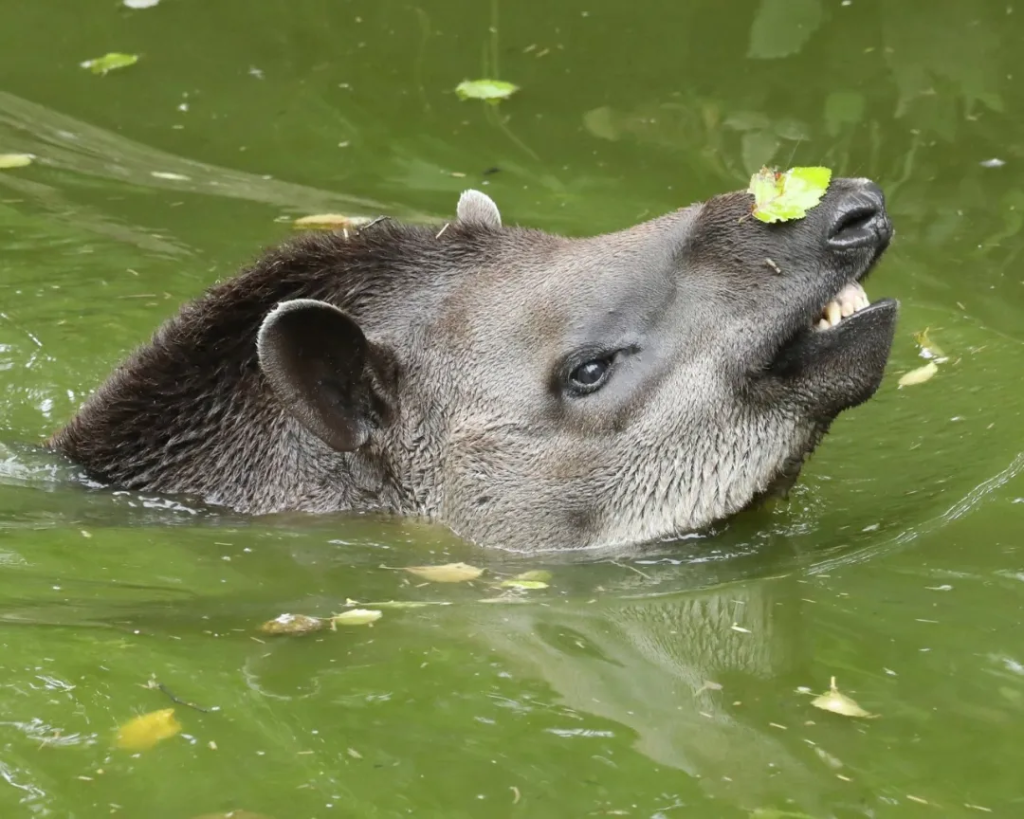
Some commentators also challenged the idea that age‑related decline equals no hope. They argued that the condition was not a terminal disease and could have been managed or treated. They questioned whether euthanasia was truly the only option.
Others questioned the logic of euthanizing an otherwise healthy animal simply to prevent loneliness. They felt that the zoo should have tried introducing a new companion, even if it meant another species. They argued that offering Aire a chance for a different friend would have honored the animal’s desire for social connection.
Plenty of online voices lamented the decision and hoped that it was not driven by financial motives or a misunderstanding of animal needs.
On Compassion and Human Interpretation
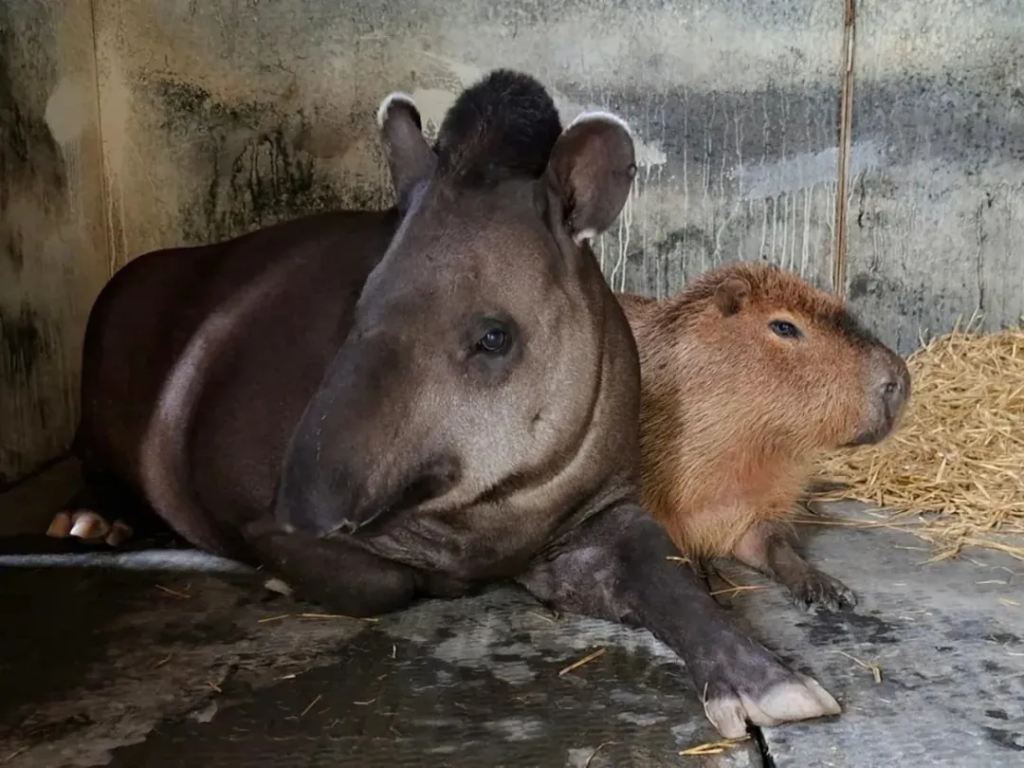
At the end of the day, the hope shared by many is that the veterinarians and animal care team acted in the animals’ best interests. Perhaps Johnson and Aire were truly suffering, and perhaps their health had degraded beyond meaningful recovery.
Yet framing their bond as a reason for them to die together struck some as overly sentimental. Humans may wish to see emotional motives in animal behavior, but the true thoughts of these creatures are beyond our reach.
For those who watched Johnson and Aire’s gentle companionship, the hope remains that their final moments were peaceful and free from suffering.
Capybaras are the world’s largest rodents and are known for their sociable and gentle nature Capybara. South American tapirs are large browsing mammals native to South America South American tapir.