




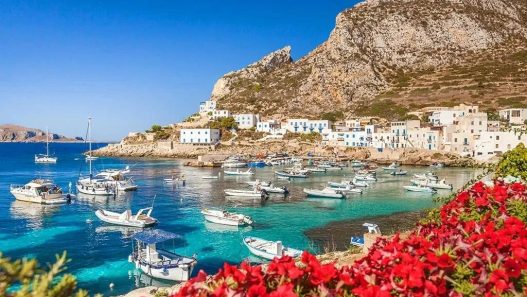


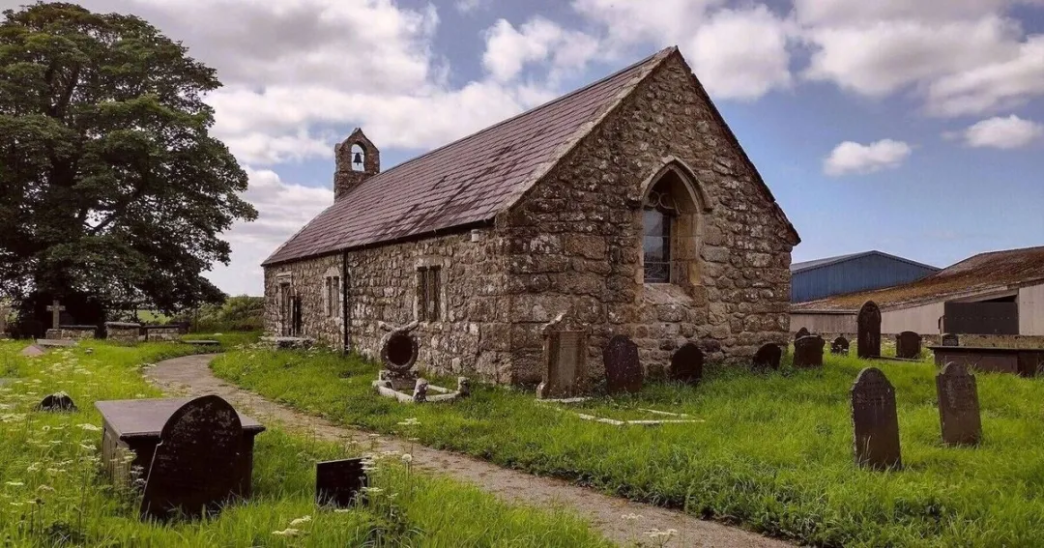
In northwest Wales, on a small island called Anglesey, there once lived a quiet village, peaceful for generations.
The village seemed ordinary, yet its graveyard held a remarkable figure.
The Joyful Farmer of Anglesey
This “remarkable figure” was actually an ordinary yet extraordinary farmer named William Ap Howell. He lived a leisurely life, enjoying fishing and tending his garden, fully savoring the simple pleasures of life. 
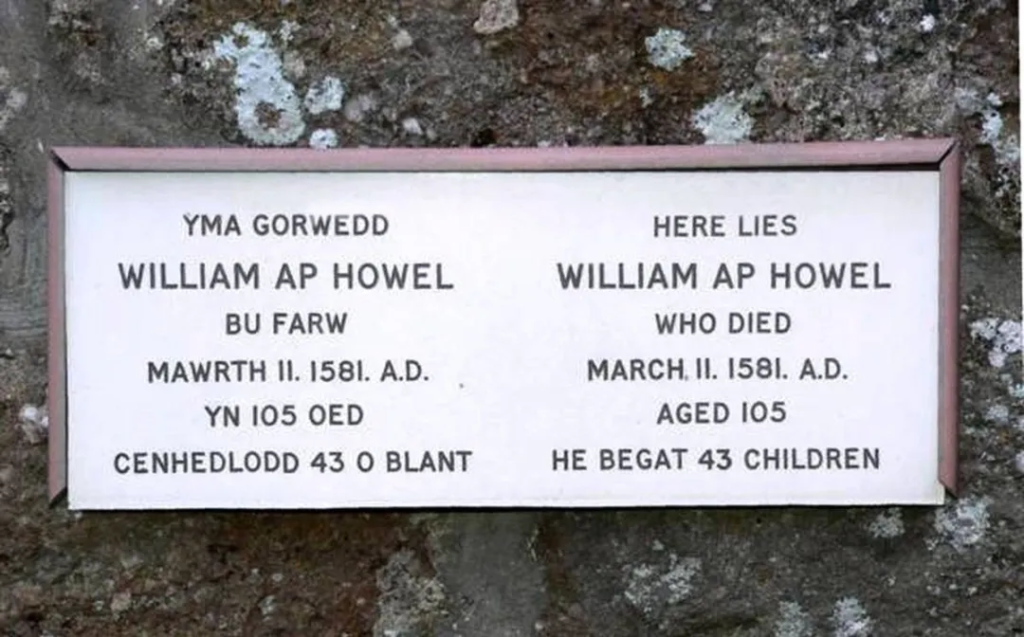
What astonished people most was not only his longevity but his fertility. Howell lived to 105, with sharp memory and agile thinking throughout his life. But more astonishingly, he fathered 43 children with five women—a number enough to fill nearly four football teams.
Life in the 16th Century Village
In the late 18th century, travel writer Thomas Pennant visited Anglesey and chronicled the local copper mining in Parys Mountain. During his travels, he recorded Howell’s story.
Surprisingly, this “great patriarch” was not a giant with a huge appetite. He was small, cheerful, and friendly, living a simple life centered around farming, milk-based diet, fishing, and bird hunting.
Howell died in March 1581. At a time when entertainment was scarce and large families were common, Howell’s progeny were exceptional. While the average household in 16th-century Wales had 4.75 members, Howell alone fathered 43 children.
Starting at age 21, he averaged a child every two years until late in life. At his death, the youngest child was only two and a half years old, though the exact parentage was sometimes uncertain.
Marriages and Progeny
To achieve this, Howell married five wives.
- His first wife, Ellen Williams, bore 22 children.
- The second, Catherine Richards, added 10 more.
- The third wife had four children, totaling 36 from the first three marriages.
- He also had two concubines, one bearing 2 children and the other 5.
Under Howell’s prolific life, the small village population surged dramatically. At the time, even the largest nearby town had only about 80 residents. Howell essentially created half a small town by himself.
Records show that by the time of his death, Howell’s descendants spanned four generations, numbering around 300, with roughly 80 living on Anglesey.
Remarkable Survival and Skills
To support his enormous family, Howell developed excellent hunting skills. He often relied on poaching to feed his household. Parish records indicate that he enjoyed robust health throughout his life.
He was of medium build, had a ruddy complexion, and never suffered from gallstones, gout, or severe illness. His diet was moderate, he worked the land, fished, and hunted until his final days.
Comparison with Historical Fertility Records
Though Howell’s fertility was extraordinary, history knows even more prolific figures.
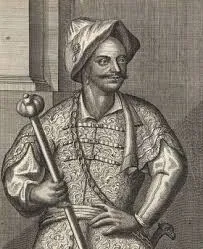
- Moulay Ismaïl ibn Sharif of 18th-century Morocco reportedly had 500 wives and fathered 525 sons and 342 daughters, totaling 1,042 descendants according to Guinness World Records.
- Other royal examples include Augustus II of Poland with 370 children and Sobhuza II of Swaziland with 70 wives and 210 children.
- Ibrahim Njoya, king of the Bamum people in Cameroon, had over 600 wives and 117 children.
- Nguyen Phuc Minh Mạng of Vietnam fathered 78 sons and 64 daughters.
- King Saud of Saudi Arabia reportedly had 110 children.
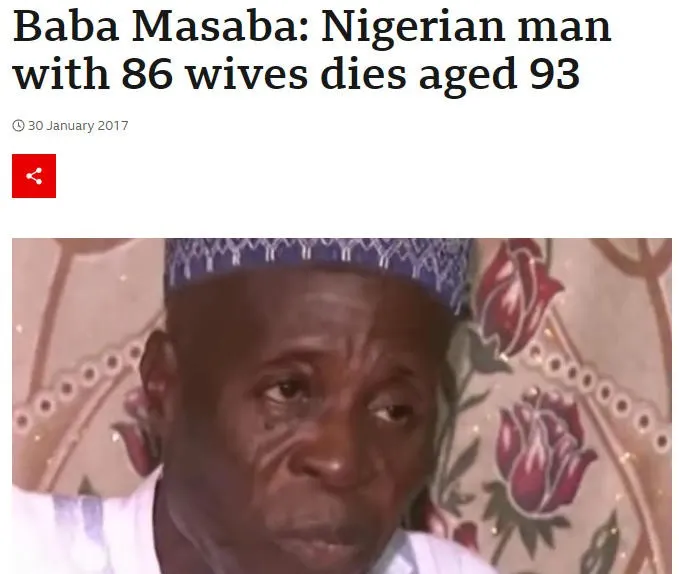
Even closer in time, Nigerian man Mohammed Bello Abubakar had 86 wives and 170 children, surpassing legal limits and serving time in prison for polygamy before dying at 93.
Legacy of Fertility
Throughout history, these individuals have significantly contributed to population growth, though their lives were extreme examples of human fertility. William Ap Howell, a farmer from Anglesey, may have been modest in fame, but in sheer reproductive impact, he nearly single-handedly populated a small village.
His story illustrates how a simple life, extraordinary health, and remarkable fertility can leave a lasting mark on human history.