





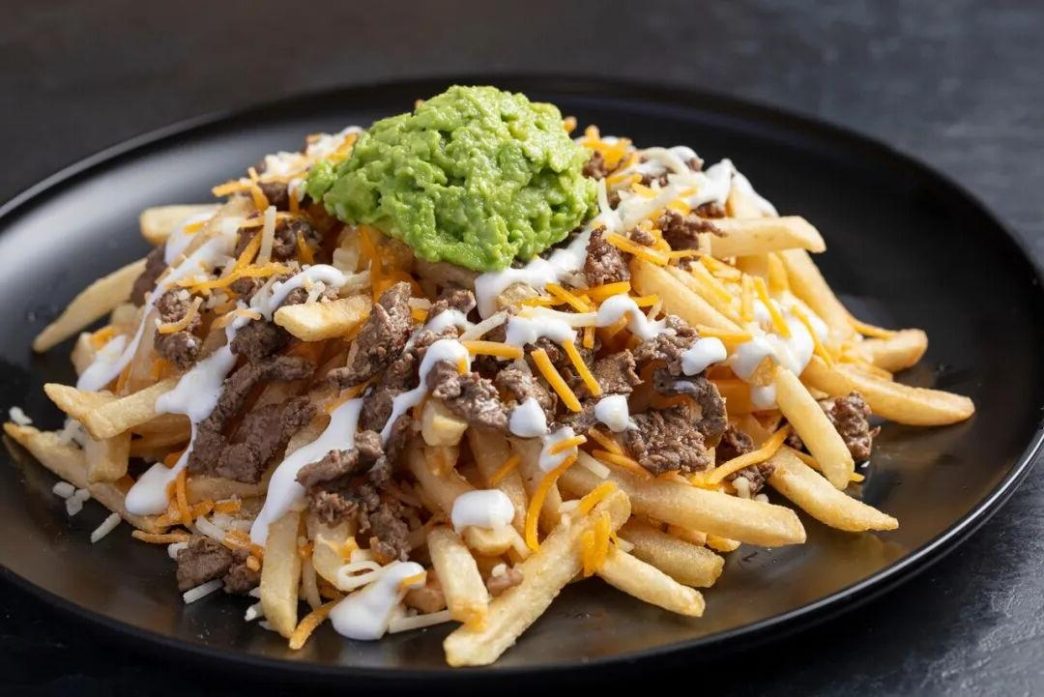
What’s the one snack that unites humanity? It crosses every ocean, slips past every cultural barrier, and lands on plates from Beijing to Buenos Aires. No translation needed. No introduction required. It’s the humble French fry—crispy, golden, and universally adored.
For most of us, our first fry memory comes in a red cardboard sleeve from a certain golden-arched restaurant. Ketchup packet torn open with teeth, that first perfect dip, the satisfying crunch. Pure, uncomplicated joy.
But here’s the thing: French fries are far more versatile than fast food chains let on. From their shapes to their sauces, cultures around the world have reinvented the fry in ways that might surprise you. Let’s take a global tour of potato perfection. 
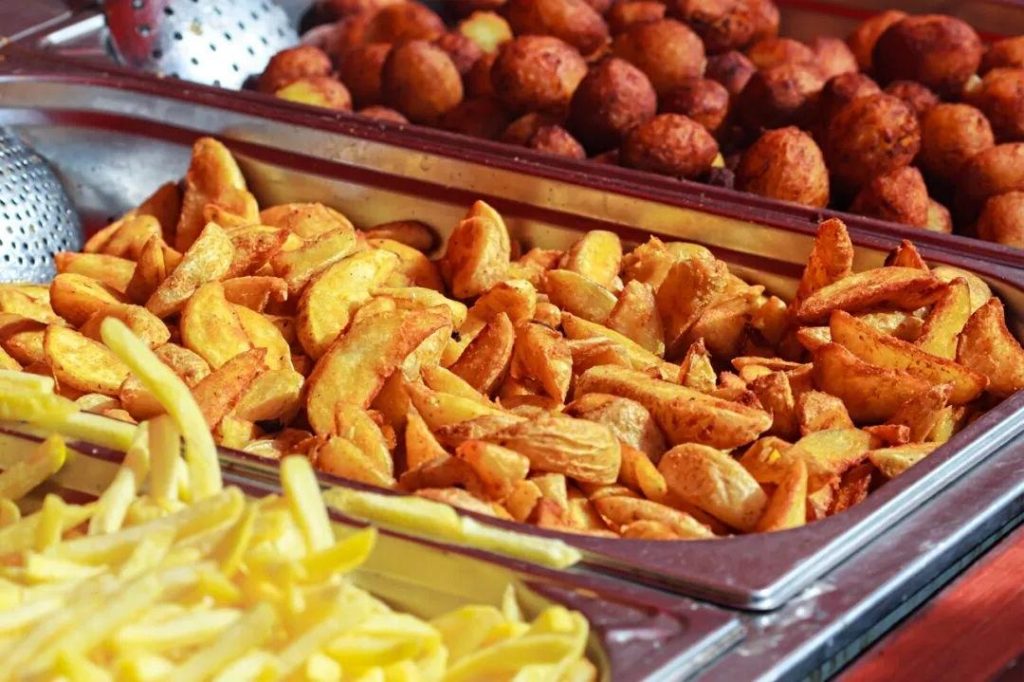
The Science Behind the Perfect Fast Food Fry
Before we explore wild variations, let’s appreciate the engineering behind that standard fry you know by heart.
During my university years, I worked at KFC and learned the surprisingly complex process behind those seemingly simple sticks. Those fries don’t just happen—they’re the result of industrial precision. Suppliers wash, cut, pre-treat, and flash-freeze potatoes to exact specifications. Length, thickness, moisture content—all controlled.
At the store, oil temperature and frying time follow strict rules. Even the salt has standards. At KFC, we’d spread the fries evenly and sprinkle two “M” shapes across them for uniform coverage.
Small, medium, large—each portion measured. And here’s the kicker: cooked fries have a shelf life of exactly seven minutes. After that, they’re downgraded. Too hot? No. Too cold? No. Just right, every time.
That’s why your fries always arrive golden, crispy outside, fluffy inside—a small miracle of global standardization.
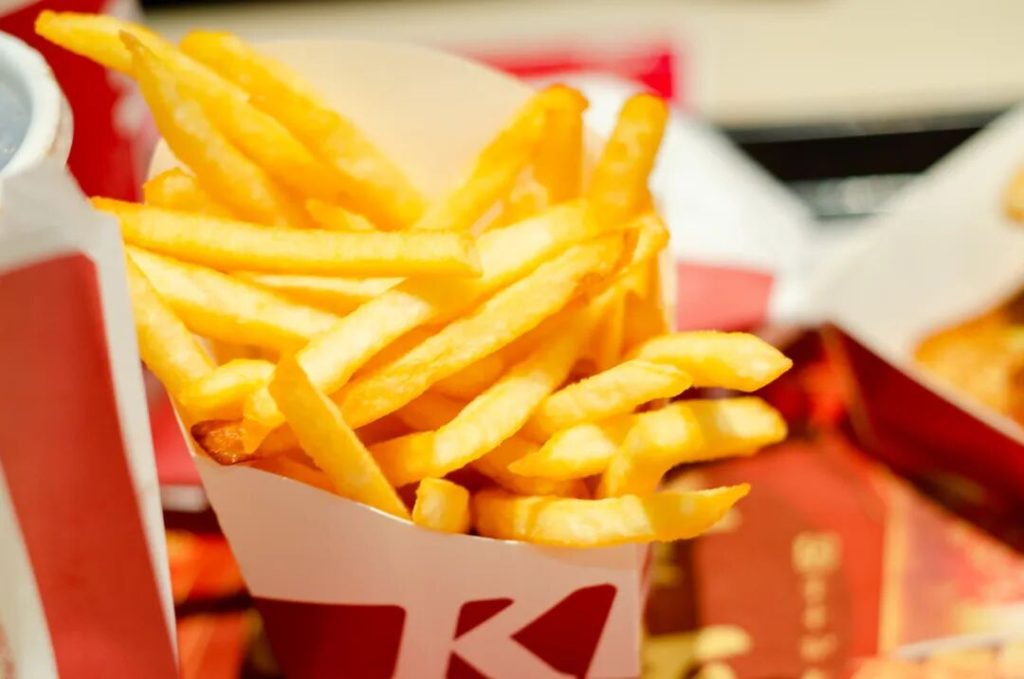
Fries, Reimagined: Shapes Around the World
Not all French fries are created equal. Here are the most delightful variations on fry geometry.
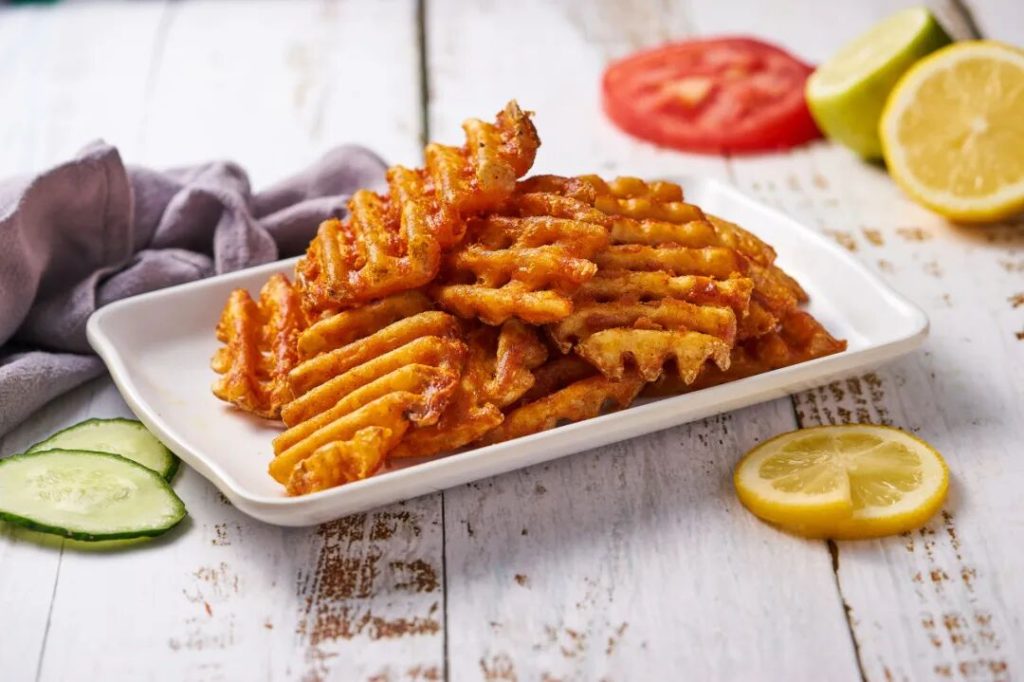
Waffle Fries (Lattice Fries)
Imagine a potato sliced into pattern, thin enough to see through in spots, then fried until each edge crisps. These are waffle fries. Their genius lies in surface area. More edges mean more crunch. And when you dip? Sauce nestles perfectly into every little square. Ketchup, mayo, cheese—it all stays put. First bite shatters the crispy grid, then gives way to tender potato. Pure geometry in action.
Hash Browns
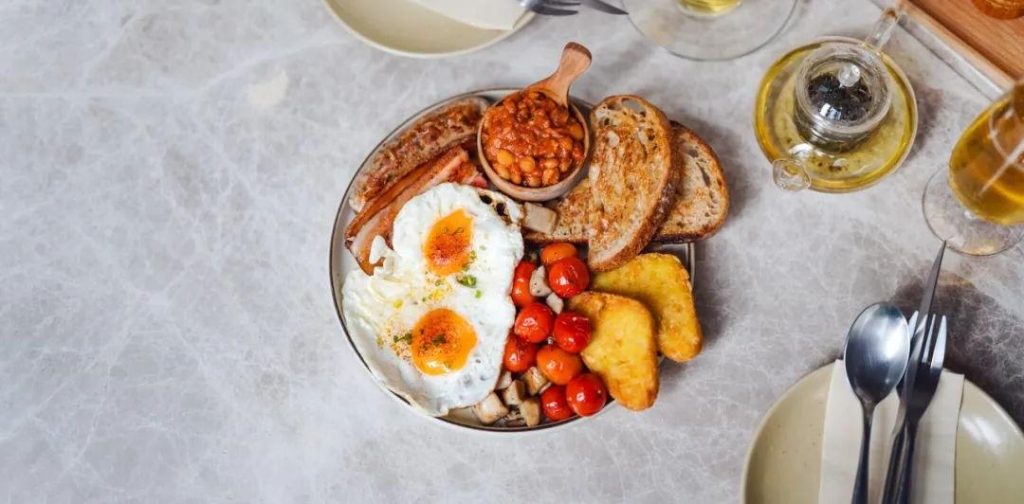
Technically a breakfast item, but I’ll eat them anytime. Shredded potato pressed into a flat patty, fried until the outside crackles and the inside stays soft. That first bite delivers a satisfying density that regular fries can’t match. More potato per square inch. More to love.
Potato Wedges
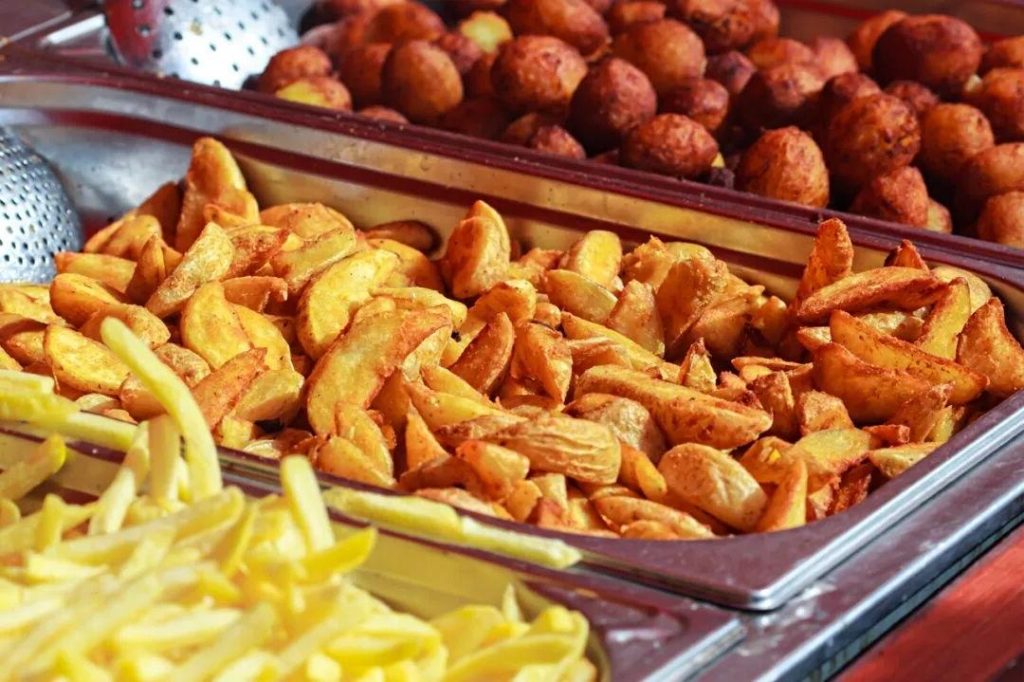
Thick, hearty, rustic. Wedges keep their skins on, adding texture and earthiness. Baked or fried, seasoned with paprika, garlic, or herbs—they’re the no-fuss, substantial cousin of the fry family. Each bite has more chew, more potato presence.
Twist Fries (Spiral Fries)
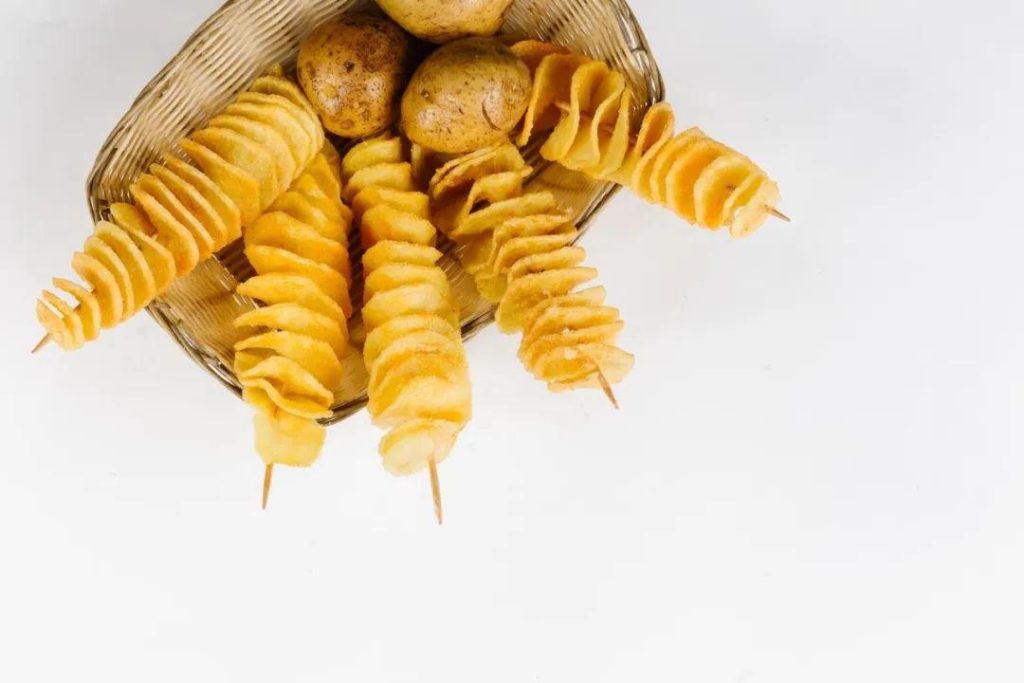
Here’s where things get fun. A whole potato sliced into a continuous spiral, then stretched onto a skewer and fried. The result looks like a spring or a tiny tornado—hence the name. Kids adore them. Adults secretly do too. Every ridge crisps up, creating maximum crunch in a single, twisted format. Legend has it these first appeared on Korean streets in the mid-2000s, quickly spreading across Asia as night market royalty.
Shoestring Fries (Matchstick Fries)
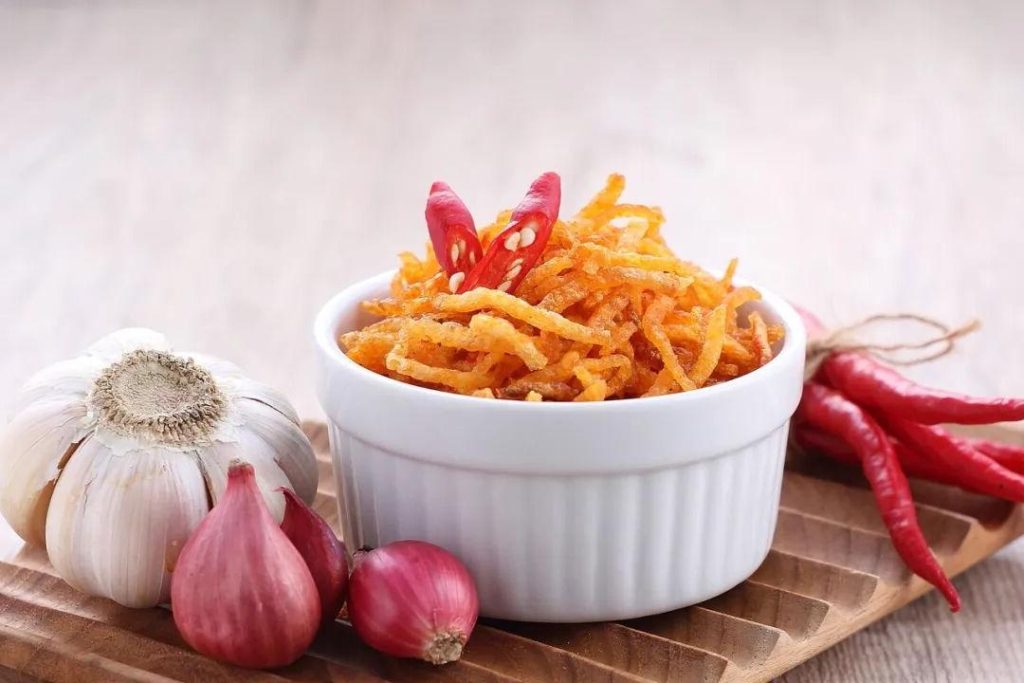
Thinner than standard fries—like, really thin. Just millimeters wide. These fry up into delicate, crispy strands that practically dissolve on your tongue. No heavy potato interior, just pure, shattering crunch. Perfect for those who want maximum crisp with minimal chew.
The Sauce Universe: What the World Dips in Fries
A fry is just a fry until it meets its soulmate: sauce. And around the world, those pairings get wonderfully weird.
Classic Ketchup
The old reliable. Sweet, tangy, familiar. It’s everyone’s first love.
Mayo (Especially in Europe)
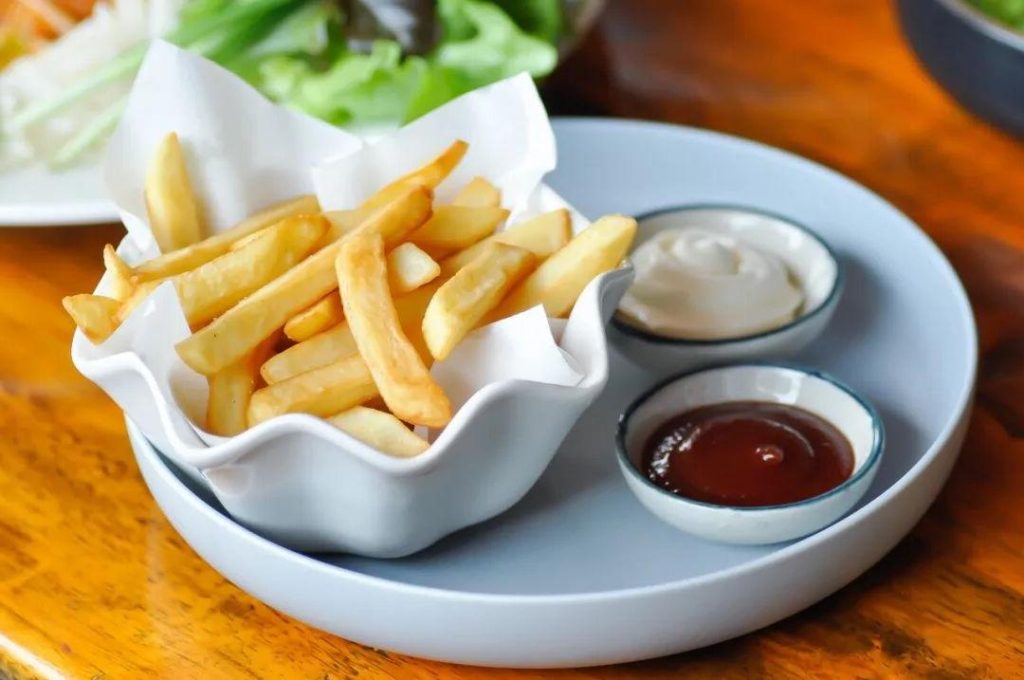
Walk into a Belgian fry shop (where they take fries seriously enough to call it a national dish), and your fries will arrive with mayo. Not American mayo—richer, tangier, more eggy. Dip a hot fry into cold, creamy mayo, and you’ll understand why Europeans look confused when we reach for ketchup.
Fries + Ice Cream
If you’ve never done this, you’re missing out. Hot, salty fries dipped into cold, sweet soft-serve. The temperature contrast, the salt-sweet dance—it works. Kids discovered this accidentally and refused to go back. Adults pretend to be shocked while secretly sneaking fries into their sundae. It’s the most naturally occurring food couple since peanut butter met jelly.
Fries + Yogurt
For those seeking a health-ish compromise, yogurt steps in. The cool tang cuts through fry grease, adding brightness without guilt. It’s like ketchup’s sophisticated European cousin who does yoga.
Curry Yogurt Meat Sauce Fries
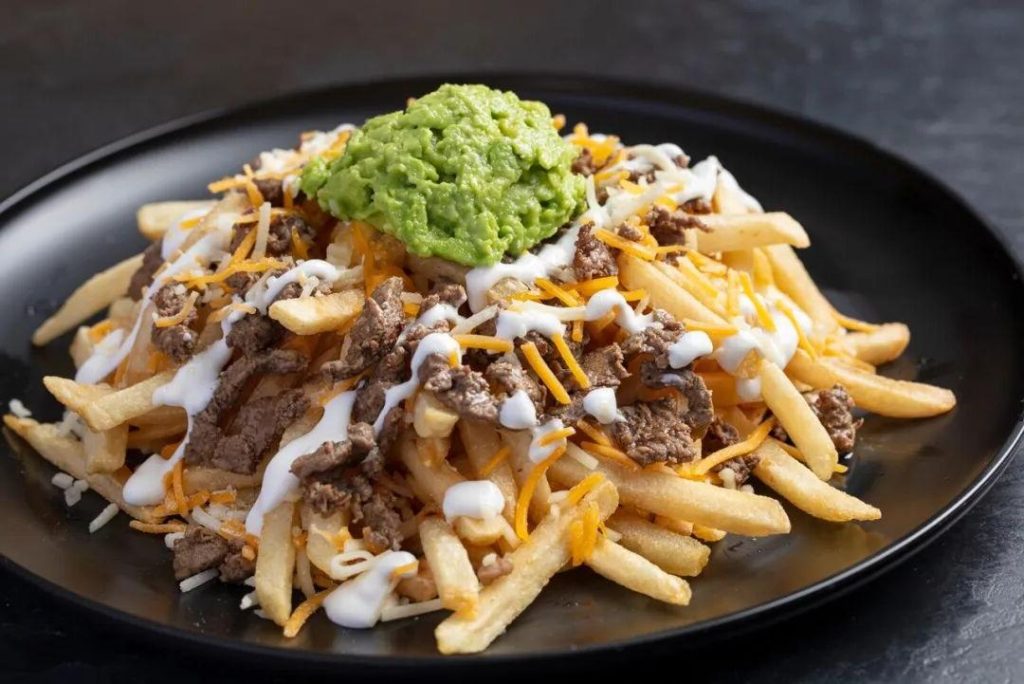
This is where things get serious. Imagine a bowl of crispy fries buried under thick, spiced ground meat sauce, enriched with curry powder, then crowned with a generous dollop of cool yogurt. Every bite cycles through textures and temperatures: crunch, heat, cool, spice, savor. It’s no longer a snack—it’s a meal. A whole meal. And it’s glorious.
The name tells you everything: curry, yogurt, meat sauce, fries. Four components, one bowl, infinite satisfaction.
Fries Without Borders
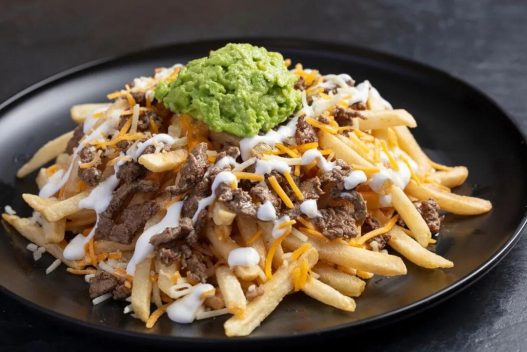
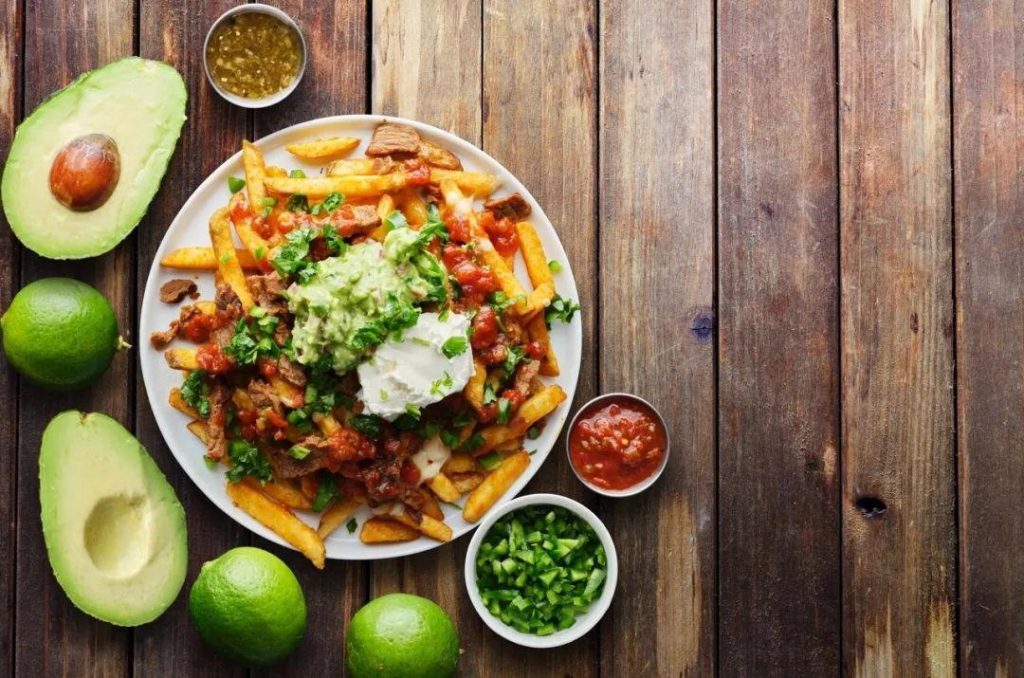
What makes French fries truly special isn’t just the potato or the oil—it’s their ability to become local anywhere they land. In Belgium, they’re served in paper cones with mayo. In Canada, they’re the base for poutine—cheese curds and gravy over fries. In the UK, they accompany fried fish. In the US, they’re a blank canvas for everything from chili to cheese sauce.
Fries adapt. Fries absorb. Fries welcome every flavor the world throws at them.
So next time you grab a handful, think about that journey: from industrial precision to global creativity, from simple snack to canvas for culinary imagination. Dip them in something new. Try a shape you’ve never seen. Because French fries aren’t just food—they’re a world tour in every bite.