






Shocking Correction from a Leading Journal
On February 23, 2026, Canada’s top pediatric journal, Paediatrics & Child Health, issued a startling correction. It revealed that over the past 25 years, 138 published papers contained entirely fabricated clinical cases.
These included dramatic scenarios once cited globally: infants suffering from milk toxicity, children with congenital syphilis, teenagers injured by all-terrain vehicles—none of these cases were real.
The Popular “Case Report” Column
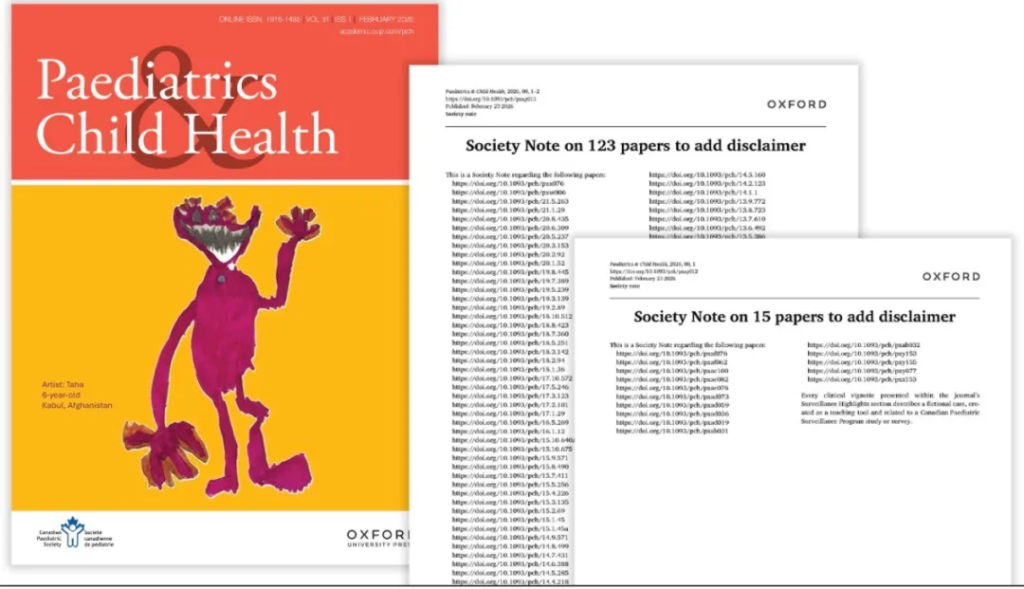
Since 2000, the journal featured a recurring column presenting brief clinical case reports. Each report described a patient, symptoms, diagnostic tests, and final outcomes, followed by learning points, statistics, and clinical observations. 
While the column was widely read and praised for its educational value, many cases were completely fictional.
The journal’s editor explained that the cases were fabricated to protect patient privacy and serve as teaching tools. The intention was to convey medical knowledge while keeping real patient data confidential.
However, the issue was that the journal never clearly marked these cases as fictional in the papers. Early author guidelines lacked any mention of this, and only in 2015 was there partial acknowledgment. A formal correction was only issued in March 2026 after the scandal came to light.
The Fallout
Doctors, researchers, and students worldwide had assumed these fictional cases were real. Of the 138 fabricated reports, 61 were cited 218 times, already embedded in the broader medical literature.
Former editor of the Journal of the American Medical Association criticized the journal: “Readers have an absolute right to trust that peer-reviewed medical papers are accurate, original, and factual. Alternative facts have no place in science or medicine.”
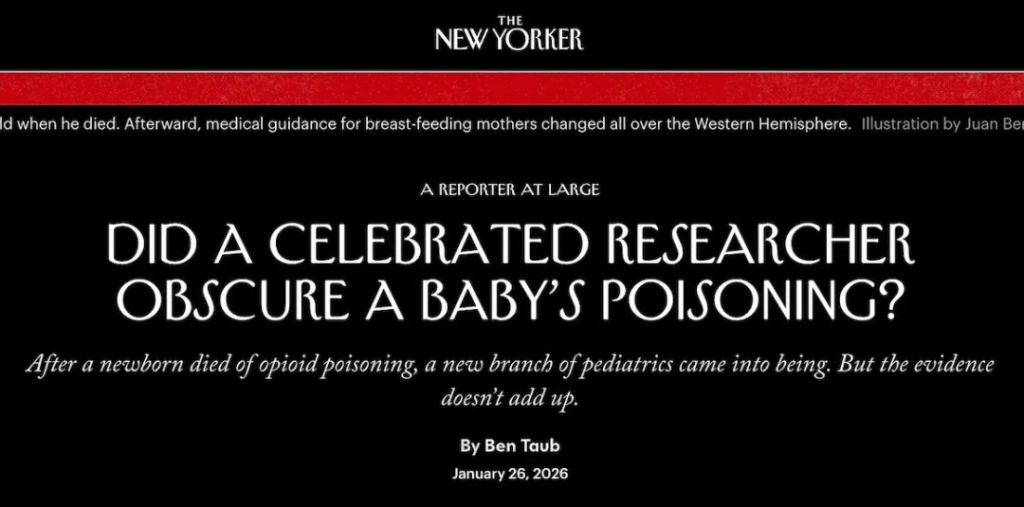
This scandal might have gone unnoticed if not for a January 2026 New Yorker investigative report on the death of newborn Tariq Jamieson.
The Case of Tariq Jamieson
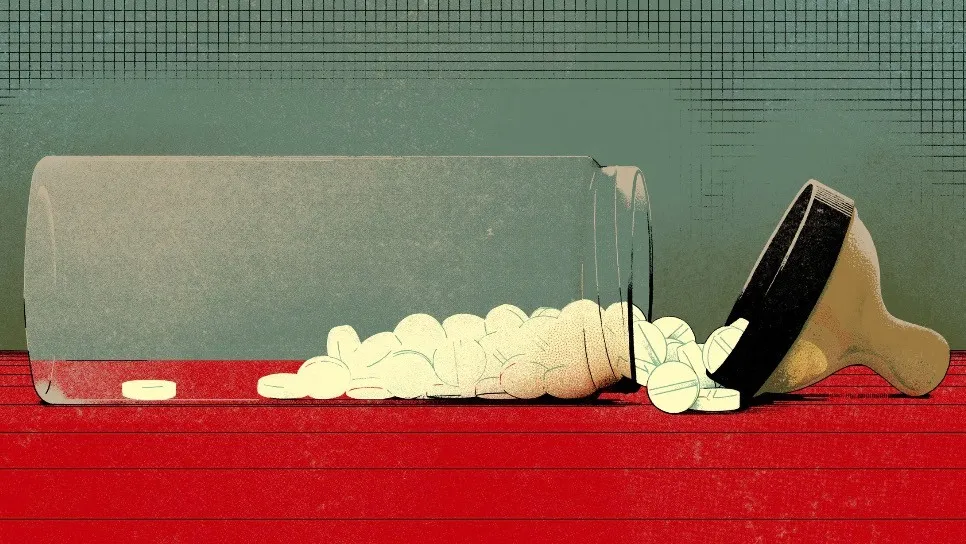
Tariq Jamieson was a newborn in a Canadian hospital. Born on April 18, 2005, he initially appeared healthy but began having intermittent feeding difficulties and lethargy by day seven. By day twelve, his skin turned gray, and his milk intake dropped sharply. On day thirteen, he was found dead.
Autopsy revealed high levels of morphine and cocaine in his blood, and codeine in his stomach. Initial interpretation suggested opioid toxicity, but the source was unclear.
Koren’s Controversial Theory

Dr. Gideon Koren concluded that the mother, following medical advice, took codeine-containing painkillers (Tylenol 3) postpartum. She carried a genetic variant (CYP2D6 ultrarapid metabolizer), which converted codeine into high levels of morphine that passed into breast milk, unintentionally poisoning the infant.
Koren published this as the first case of morphine toxicity in a newborn transmitted via breastfeeding in The Lancet.
Widespread Influence and Doubts

Many pharmacologists questioned Koren’s claim, arguing that such “milk-borne poisoning” was nearly impossible pharmacologically. Nonetheless, the paper was hailed as a major medical breakthrough and influenced clinical guidelines.
In 2009, a similar case, “Blue Baby,” was published in Paediatrics & Child Health describing a newborn poisoned by morphine through breast milk, directly mirroring Koren’s Lancet case. Koren himself was among the authors.
Over the next two decades, pediatric and obstetric care guidelines were heavily influenced. Canadian postpartum pain management protocols changed in 2008, and in 2017, the FDA issued warnings against codeine and tramadol use during breastfeeding.
This forced new mothers into a difficult choice: endure severe pain without opioids or stop breastfeeding. Some hospitals even substituted more addictive opioids like oxycodone, causing further harm.
Uncovering the Truth
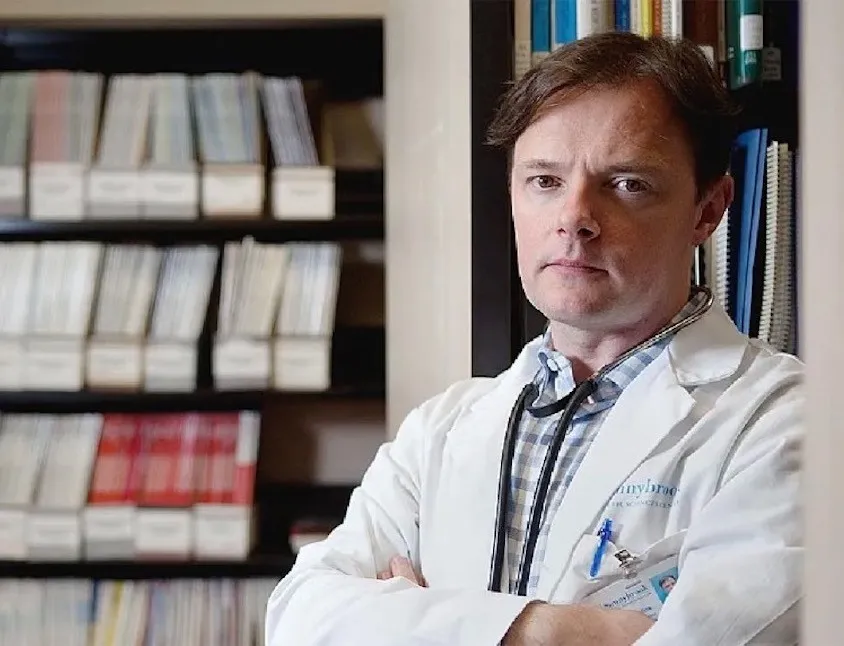
Dr. David Juurlink, a pharmacologist at University of Toronto, initially accepted Koren’s explanation. Over time, he noted inconsistencies:
- Jamieson’s morphine blood level was 70 ng/mL; breastfeeding normally transfers 0–2.2 ng/mL.
- Even with ultrarapid metabolism, breast milk delivers only ~87 ng/mL.
- The infant’s ingested dose would have been far below toxic levels.
- Tylenol (acetaminophen) concentrations in the infant were also dangerously high, inconsistent with breastfeeding exposure.
A 2020 systematic review by Juurlink confirmed that opioid poisoning via breast milk is pharmacologically nearly impossible.

The Murder Hypothesis
The New Yorker investigation revealed white curd-like material in the infant’s stomach containing codeine but no morphine. This suggests the baby may have been directly administered drugs, implying a possible murder, not a genetic breastfeeding accident.
Koren’s Lancet paper could have been a crafted “scientific narrative” covering up a fatal act. Juurlink noted that some infant deaths might have been misattributed to breast milk toxicity, allowing perpetrators to evade justice.
Exposing Koren’s Fabrications

A former student of Koren revealed that his Lancet study on Jamieson contained falsified pharmacological data. Subsequent scrutiny found that Koren’s 2009 “Blue Baby” case in Paediatrics & Child Health was also fabricated.
This led to a broader review, uncovering 138 fabricated case reports in the journal over 25 years.
Koren’s Other Misconduct
Born in Tel Aviv in 1947, Koren moved to Canada in 1982. In the 1990s, he engaged in anonymous threats against a doctor disputing a drug’s safety, later proven via DNA.
In 2014, he founded the Motherisk project, which used hair analysis to detect drug exposure during pregnancy and breastfeeding. These results influenced child custody cases, despite Koren lacking formal forensic toxicology training. Over 16,000 cases relied on his lab results.
Investigations revealed unreliable testing, conflict of interest, and flawed methodology. By 2018, over 400 of Koren’s papers faced scrutiny. His lab was closed, six papers retracted, but he had already relocated to Ariel University in Israel.
Two Layers of Scandal

This story exposes both systemic and personal failures:
- A prestigious journal allowed fictional cases under the guise of “privacy protection,” misleading readers for 25 years.
- Koren exploited a single infant death to fabricate a false scientific narrative, falsifying data and altering global medical guidelines, affecting countless mothers’ lives.
The publication of the “Blue Baby” case in 2009 exemplified how institutional loopholes enabled personal fraud.
Hopefully, the full truth about the Jamieson case will emerge, and the fabricated papers will be corrected and clarified.