





If you zoom in on Google Maps, you’ll see it—the line where America’s heartland gives way to something else entirely. Deep green forests and shrublands suddenly transform into endless red rock desert. It’s abrupt. It’s dramatic. And when you actually drive across the Colorado Plateau, the view steals your breath.
This is where the Colorado, Green, and San Juan rivers have spent millions of years carving labyrinths into stone. Meteor craters scar the earth. Ancient lava flows lie frozen in time. Petrified forests stand silent. Hidden cliff dwellings hold secrets of people long gone. For hours, you’ll see more coyotes, mule deer, and rattlesnakes than humans.
Bob Dylan sang, “When you ain’t got nothing, you got nothing to lose.” Until you’ve been here, you can’t understand what that means. 
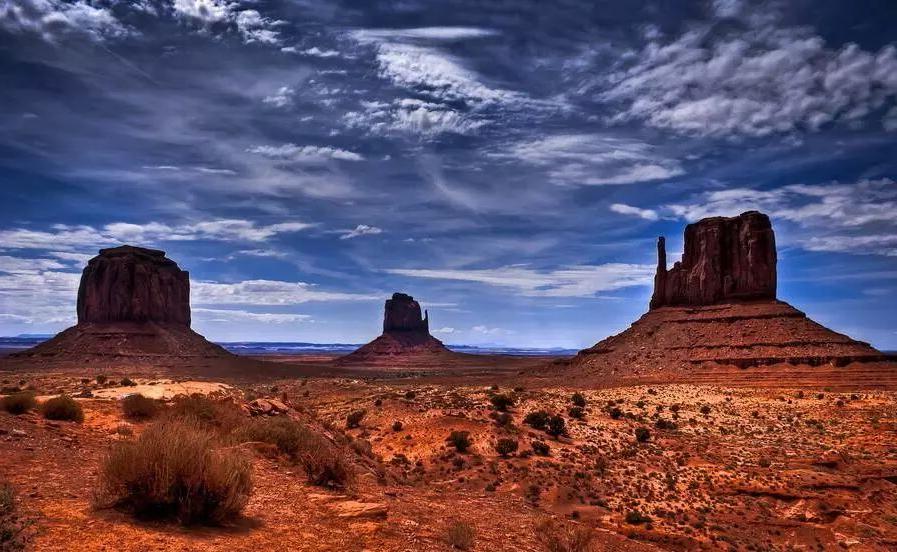
In the heart of this vast wilderness sits Page, Arizona—an oasis of civilization surrounded by natural wonders.
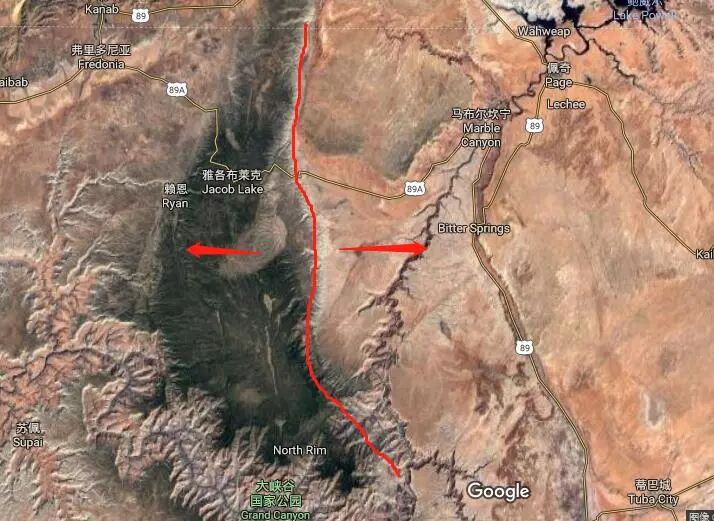
Page: Gateway to the Southwest
Page is famous for one thing: location. It sits at the crossroads of four world-class destinations: Horseshoe Bend, Antelope Canyon, Monument Valley, and Lake Powell. Within a two-hour drive, you’ll find more than a dozen national parks—the Grand Canyon, Bryce, Zion, Canyonlands, Arches, Petrified Forest. It’s the ultimate basecamp for exploring the American Southwest.
Nearly every visitor to this region stops in Page for at least one night. But unlike Las Vegas, which markets itself as a playground, Page became a tourist hub by accident.
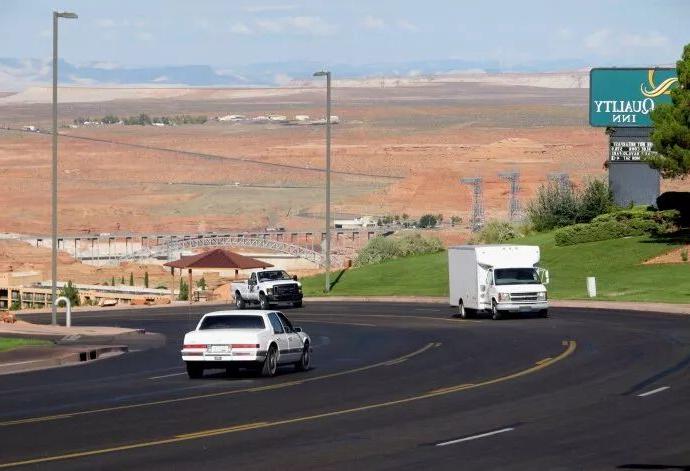
Life in Page: The Unpretentious Oasis
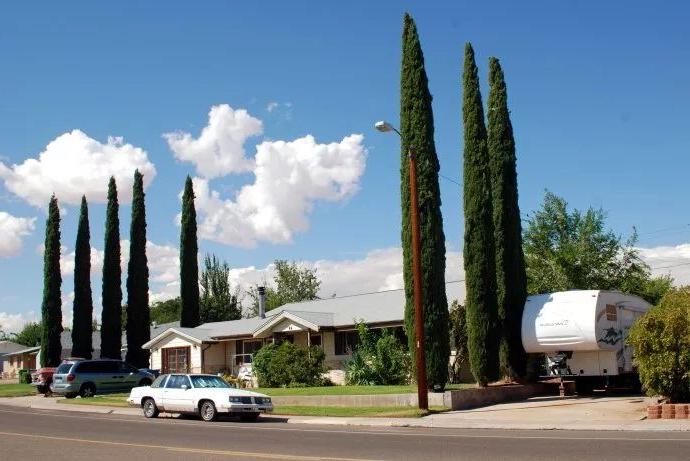
The town wears its popularity lightly. Locals dress for comfort—tank tops, shorts, flip-flops. Shops close early; by mid-afternoon, everyone’s home with family. Pickup trucks towing RVs and boats cruise through town, because here, vacation comes first.
We arrived at 3 PM. Our host was already gone. The door was unlocked. On the table, a handwritten note welcomed us, explained where to find everything, and assured us we could use the kitchen, the grill, anything we needed. The house key was attached.
Try not to marvel at that kind of trust. In a town this happy, who has time for crime?
The Art of American BBQ
With Antelope Canyon out of season, we decided to skip the tourist crowds and do something better: embrace the local lifestyle. Our rental came with a sprawling yard and a massive smoker grill—the perfect setup for American BBQ.
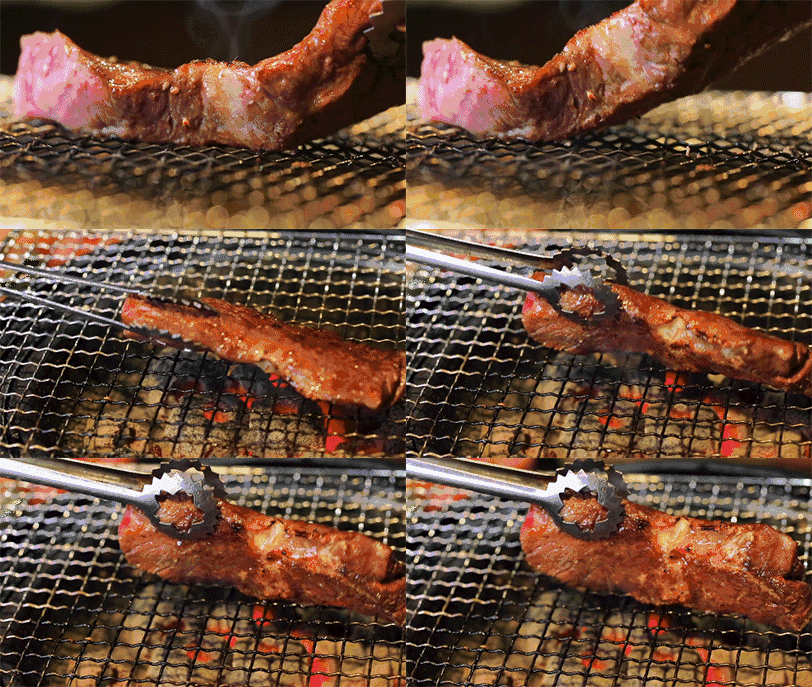
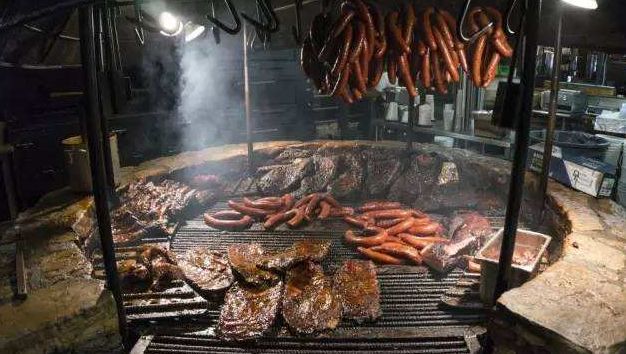
American BBQ splits into two main schools. In Texas, they do open pit barbecue—direct heat, flames licking the meat. Cowboys invented this style, cooking over holes dug in the ground. Texas BBQ joints still feature massive open grills where you can watch meat char over fire.
But here in the Southwest, from California to Utah, the tradition is different. This is low-and-slow country. Meat cooks indirectly, surrounded by fragrant wood smoke, never touching flame. The result? Juicy, fall-apart tender meat with a texture like layered crab—what Americans call “succlents,” as succulent as a desert plant after rain.
The Meats: Choosing Your Protein
Beef is king. American beef is abundant and affordable—at Walmart, you can grab a massive steak for two or three dollars. Beef brisket beats short ribs every time. Good brisket needs no marinade. The fat cap renders slowly, basting the meat, then caramelizes over fire to form a natural seal that locks in juices. The result? Buttery, melt-in-your-mouth perfection.
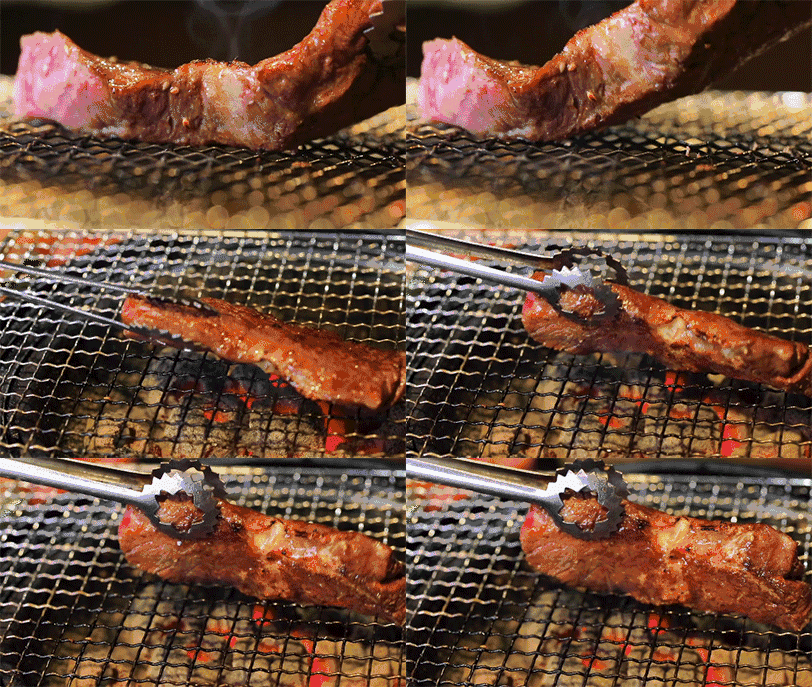
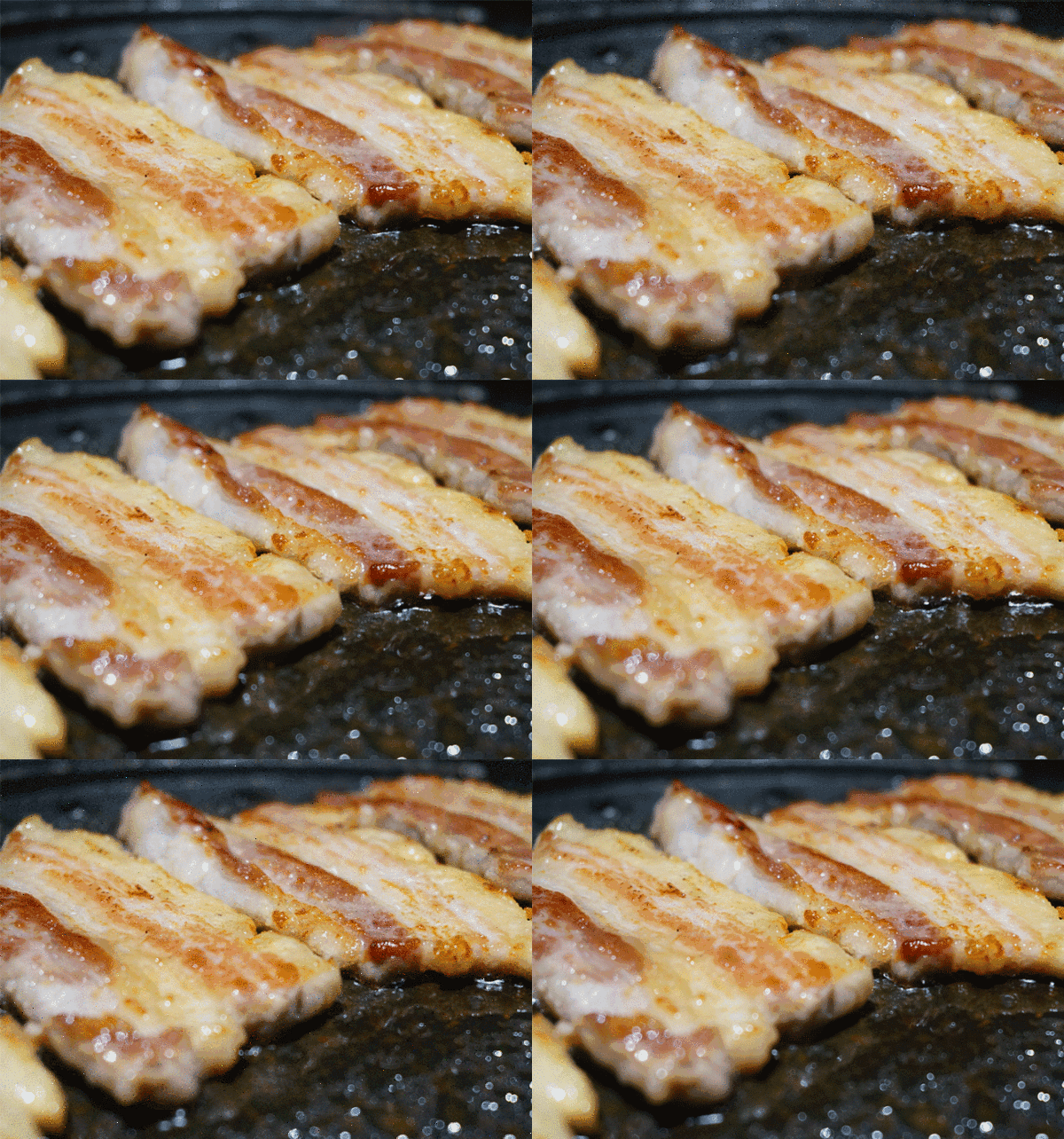
Pork costs more here—sometimes premium cuts exceed beef prices. But pork’s tenderness makes it essential for American BBQ. Under low, slow heat, pork develops a pink “smoke ring” just beneath the surface. Push a plastic fork into properly smoked pork, and it falls apart. That ring comes from carbon molecules in the smoke reacting with hydrogen on the meat’s surface—the same Maillard reaction that gives Cantonese wok hei its magic.
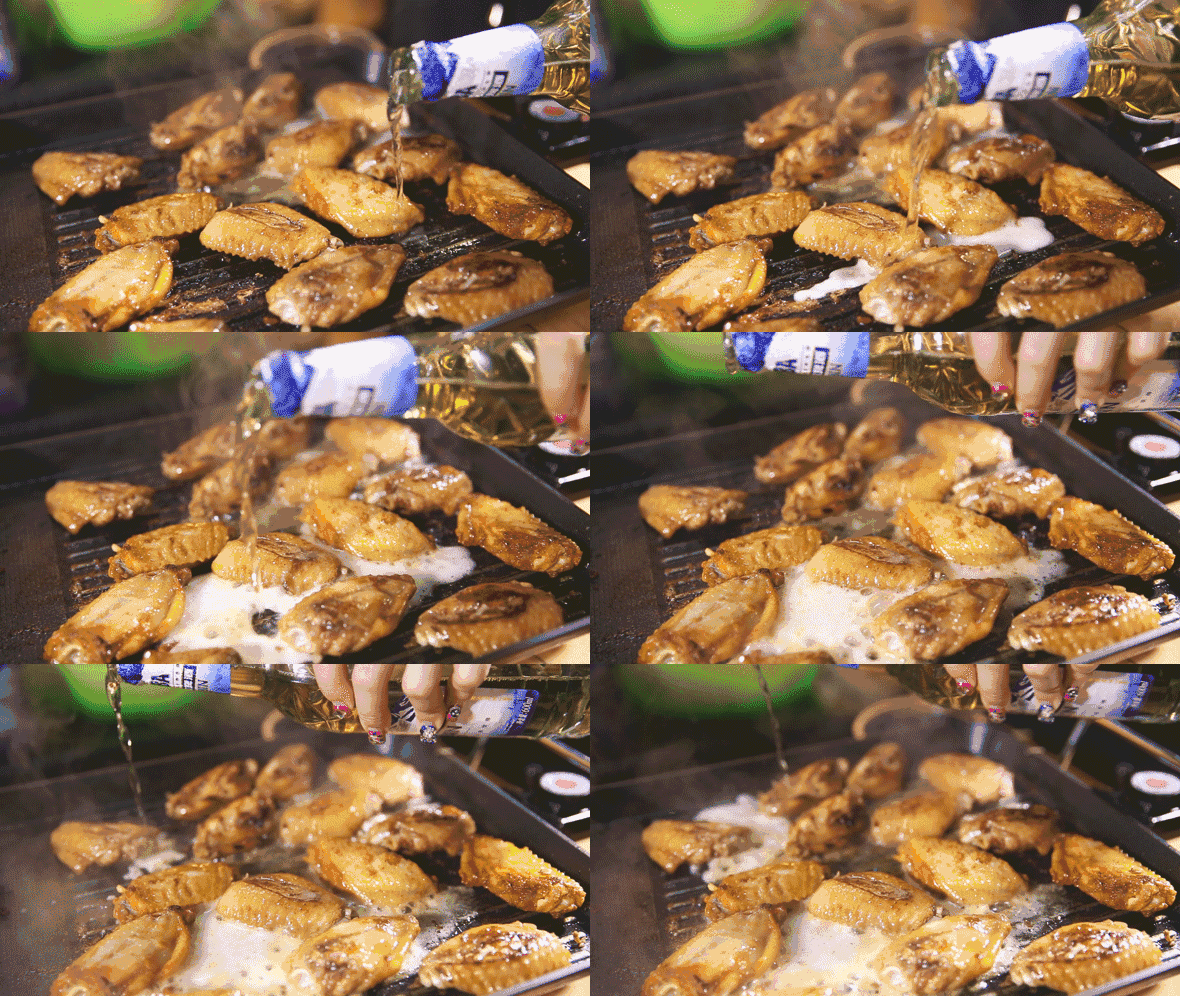
Chicken is everywhere and cheap. Five dollars buys a massive bag of frozen wings. Score them, marinate them, then layer them with onions, mushrooms, and those enormous American eggplants on the bottom rack. They soak up drippings from above and become the most coveted bites of all.
The Sauces: Secrets of Flavor
American BBQ sauces matter. Beyond oil, salt, chili, and cumin, two things are non-negotiable: garlic water and butter.
Garlic water—available in every grocery store—is pure garlic, salt, and water, but homemade never tastes as strong. Maybe it needs months to develop. Either way, it’s essential. Brush it on meat during cooking for moisture, or use it as a dipping sauce afterward to cut richness.
Butter is expensive, so use it sparingly—a final glaze before serving. Beef, mushrooms, anything with heft—butter makes them sing.
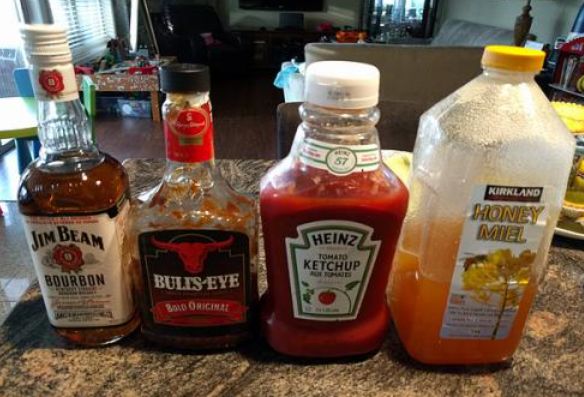
Then there’s BBQ sauce. Page’s supermarkets stock three varieties: honey, mustard, and original. We bought all three. The difference? Sweet versus spicy ratios. Original hits the sweet spot: 70% sweet, 30% spicy. Dip lamb chops in it at medium-well, and you’ll understand.
Ketchup does double duty. Its acid brightens, its sugar caramelizes. Brush it on for color and crunch.
We’d hoped for seafood, but Page is landlocked. Fresh fish costs a fortune. So we made do with what we had.
Beyond the Food: BBQ as Culture
Gao Xiaosong once observed that even Ang Lee—the most successful Chinese filmmaker in America—hosts backyard BBQs where 90% of guests are Chinese. White colleagues? Black colleagues? They’re invited, sure. But they don’t show up.
American BBQ isn’t just cooking. It’s culture. It’s social currency. It’s the thing that defines your circle. Every American family, rich or poor, has its own BBQ tradition.
So how authentically American was our BBQ on the Colorado Plateau? Who knows. Who cares? In House of Cards, Frank Underwood’s favorite BBQ joint is just a few tables in an alley.
The Final Verdict
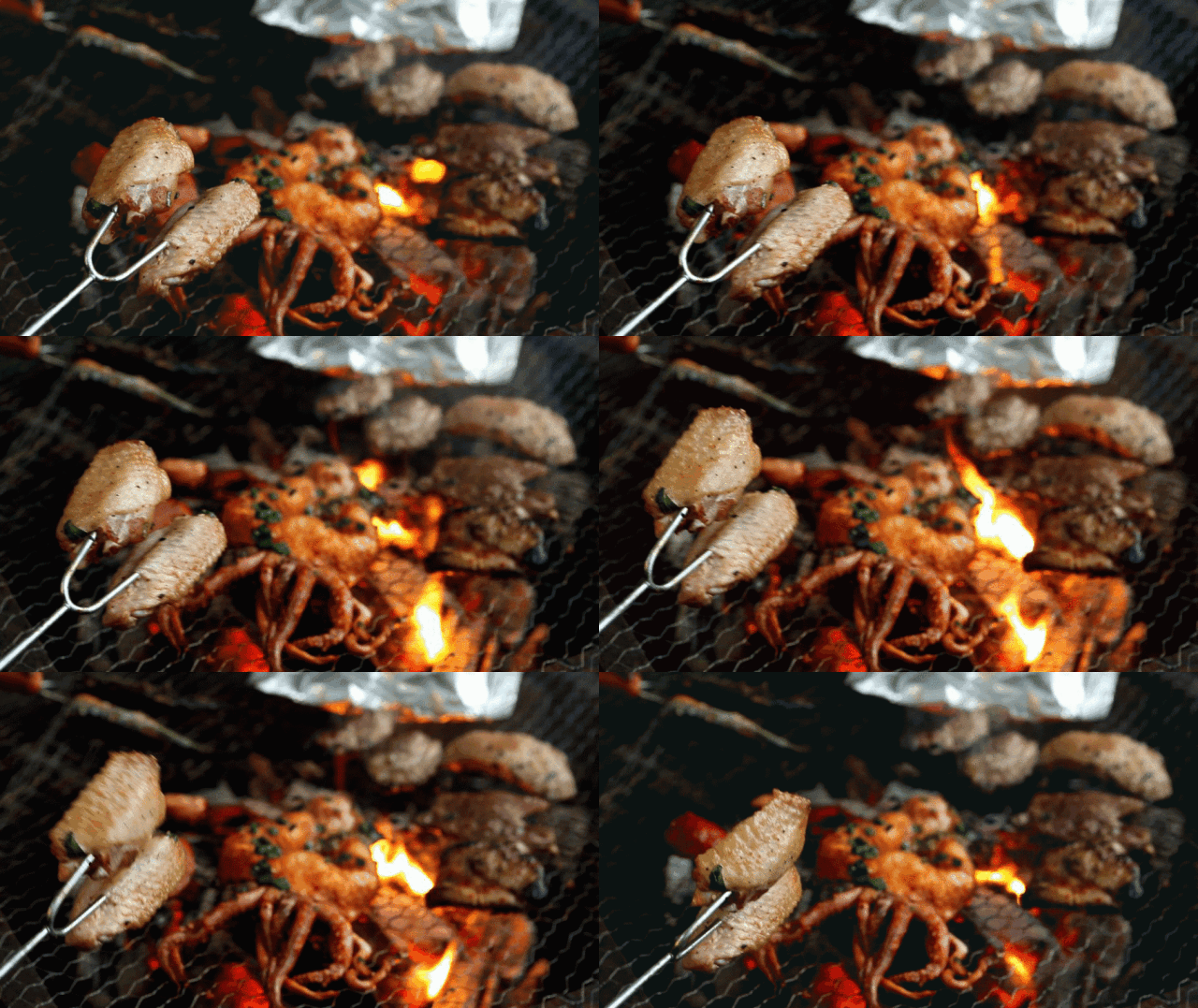
We grilled a mountain of meat. We drank beer. We feasted under the vast desert sky. Sometimes, that’s enough.
So forget the ratings. Ignore the hype. The secret to great American BBQ isn’t technique or tradition.
It’s eating a lot.