





A mom recently shared a story that will sound familiar to many parents.
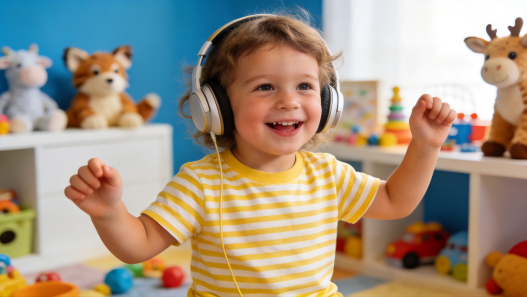
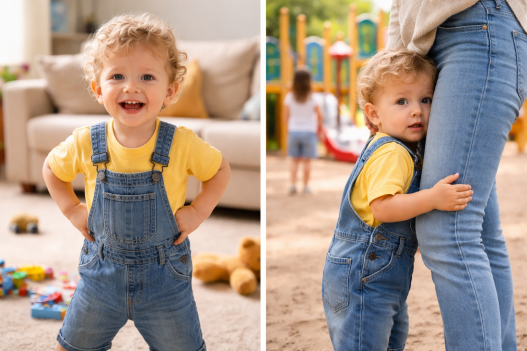
Her 2-year-old? Absolutely in charge at home. Ordering grandparents around, taking toys from siblings, yelling like he owns the place.
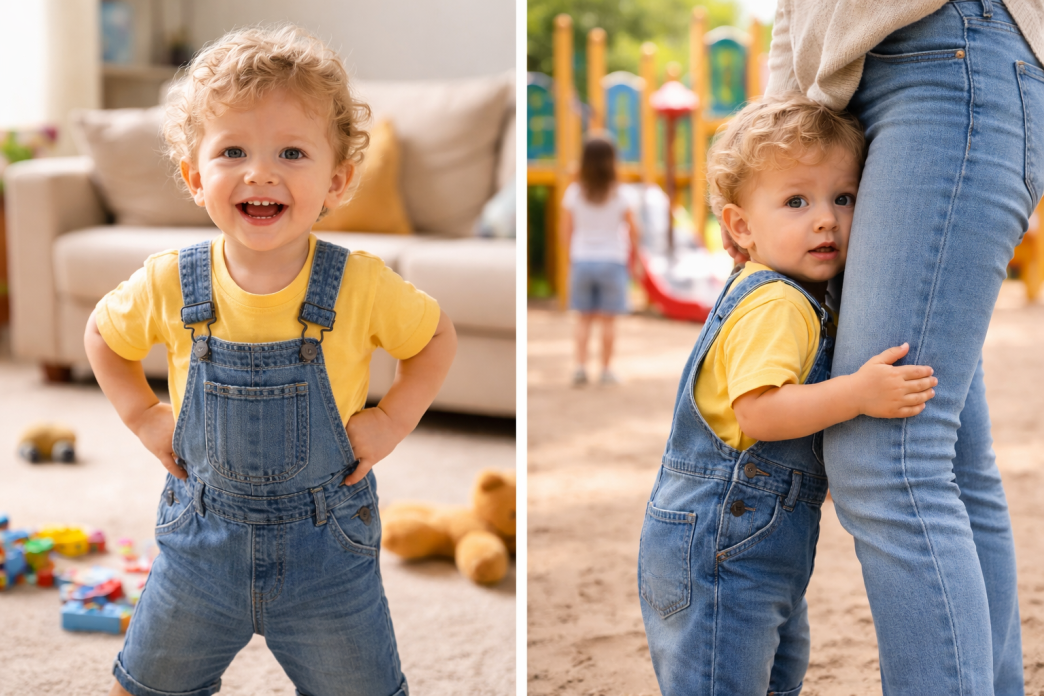
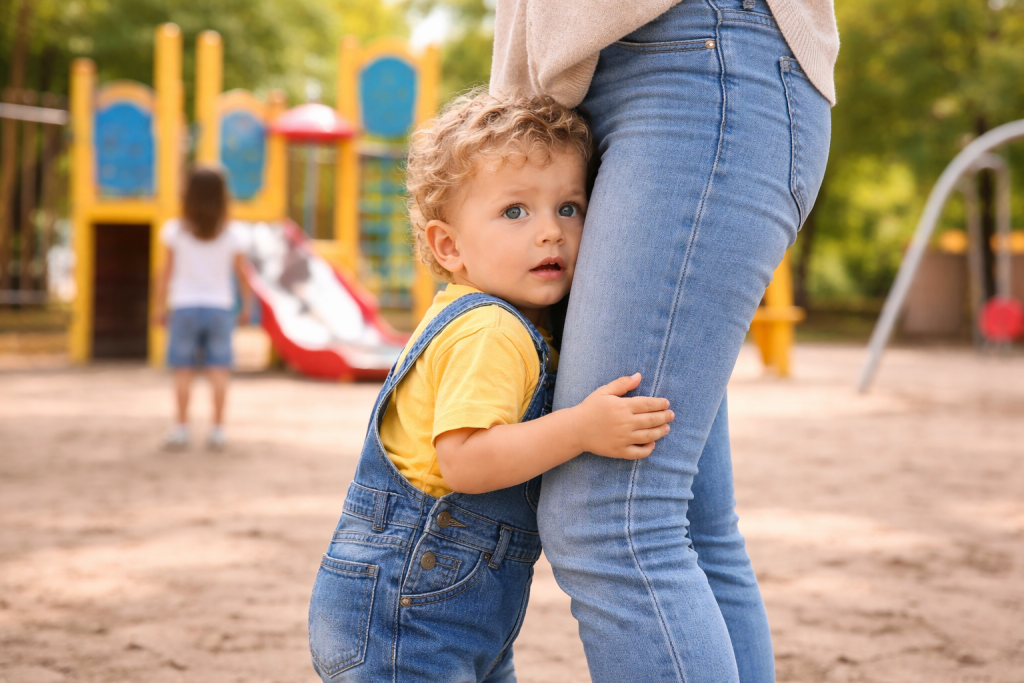
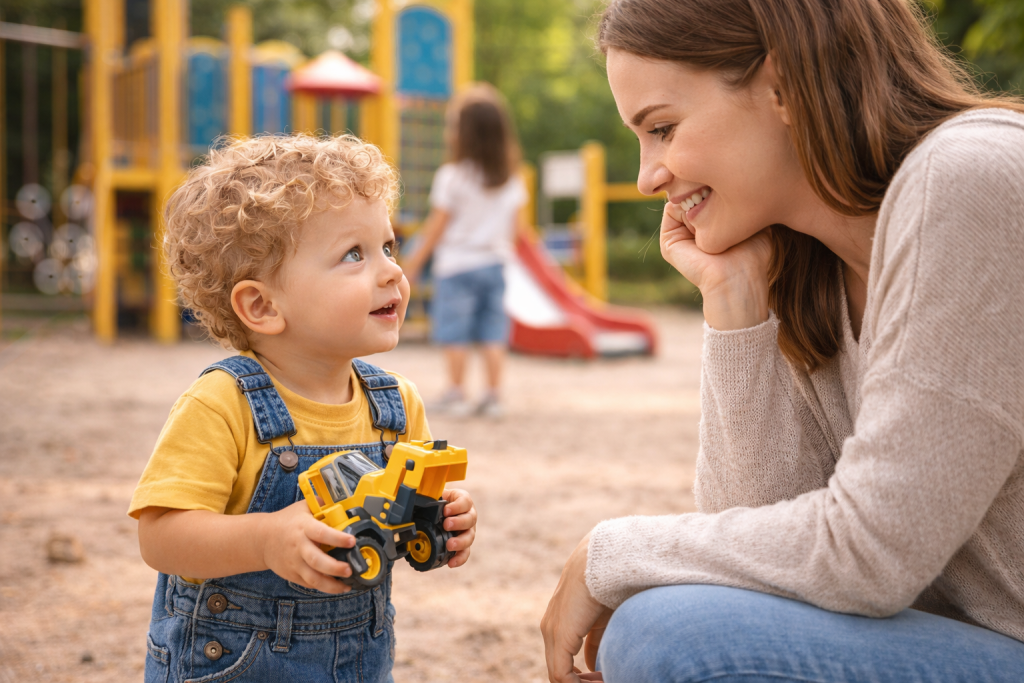
But then they went to the playground. A smaller child approached to touch his toy car… and he froze. Burst into tears. Ran straight behind his mom, leaving the toy behind. 
Psychologists call this phenomenon “brave at home, timid outside.”
Most parents assume it means the child is spoiled or naturally shy—but the truth is more interesting:
This is actually a normal stage of building toddler security, and the key lies in how parents show up and the correct way to apply unconditional love.
What’s Happening in a 2-Year-Old’s Brain
At age two, the amygdala—the brain region that handles emotional reactions—is developing rapidly.
At the same time, the prefrontal cortex—responsible for reasoning and impulse control—is still immature.
Think of it like a car with a super sensitive gas pedal and almost no brakes.
At home, everything feels safe. Familiar faces. Predictable environment. Love is unconditional.
So they release emotions freely—not because they’re spoiled, but because they trust you.
Outside, unfamiliar faces and surroundings create high-alert conditions. Without the safety of home, their instinct is simple: freeze, withdraw, or hide.
That’s why you see them suddenly become shy.
Quality of Presence Matters More Than Quantity
Parents often say: “I’m with my child all day—how could they feel insecure?”
Here’s the truth: presence ≠ connection.
Low-quality presence is when you sit next to your child, scrolling your phone, responding with distracted “uh-huh”s. Children notice immediately.
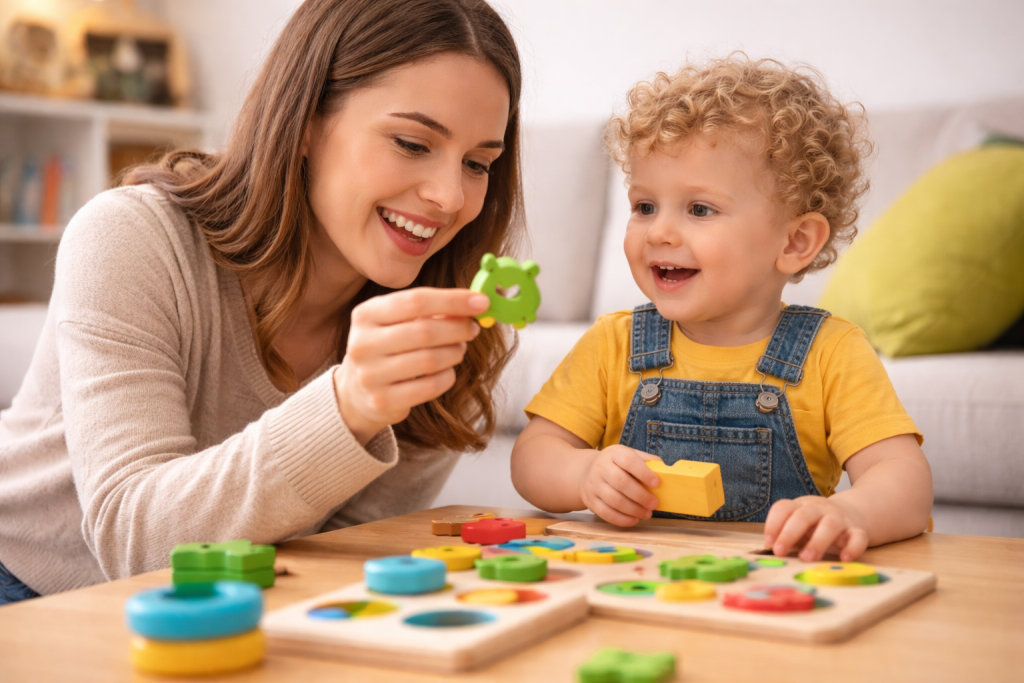
Real security comes from deep, engaged interaction, even if it’s just 20 minutes a day:
- Eye contact
- Following their lead in play
- Responding consistently
This builds the inner belief: “When I need you, you’re truly here.”
Unconditional Love Doesn’t Mean No Rules
“Unconditional love” is often misunderstood.
It does not mean giving in to tantrums or giving everything the child wants.
True unconditional love means: accept the emotion, guide the behavior.
This is the core principle of emotion coaching, introduced by John Gottman.
Example:
Your child is crying on the playground.
You say: “I see you’re upset. You don’t want to leave yet.” (emotion acceptance)
Then: “But we need to go home now. We can come back tomorrow.” (behavior boundary)
This teaches them:
- Feelings are valid
- I am loved
- The world has rules
Clear boundaries actually increase security, rather than reduce it.
Practical Tips for Building Toddler Security
1. Create an “Emotional Signal” at Home
When your child starts acting out at home, use a consistent phrase to help them recognize and manage their emotions:
- “I see you’re frustrated. Do you want a hug?”
- “Your emotions are like a little dragon—need me to help calm it?”
This separates feelings from behavior and shows your child you’re available even when they act out.
2. Prep Them Before New Situations
Before entering a new environment:
- “We’re going to a playground with lots of kids. It might be loud. You can explore, or stay close to me—your choice.”
This gives them:
- a sense of control
- reduced uncertainty
- permission to adjust at their own pace
Don’t force them to jump in right away.
Confidence grows from feeling safe—not from being pushed.
3. Debrief After the Experience
After returning home, take a moment to reconnect:
- “Today that little girl came near your toy, and you felt a bit scared, right? But you came to me—and I kept you safe.”
This reinforces: “I am safe, and my caregiver is reliable.”
Over time, instead of freezing or crying, your child will start looking to you for reassurance—and then gradually face challenges more confidently.

The Real Meaning Behind This Behavior
A toddler who acts “bossy” at home is not a problem—they are releasing energy in a safe environment.
A toddler who acts “shy” outside is not weak—they need more security in unfamiliar settings.
Your role: be the stable, reliable base—their emotional charging station.
Think of yourself as their emotional charging station:
- At home, they recharge
- Outside, they explore
- When overwhelmed, they come back to you
So instead of labeling your child as “difficult” or “timid,” try this mindset:
“When you’re loud, I still love you.
When you’re scared, I still love you.”
With that kind of consistency, your child will slowly grow from “brave at home” into a confident child who can stand tall anywhere.