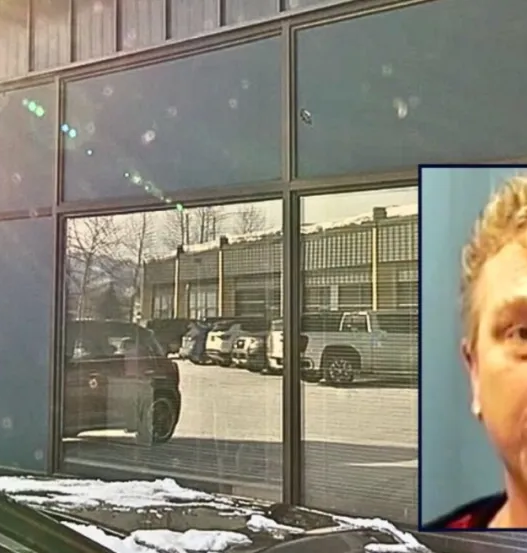








A Death Sentence Just Hours Away
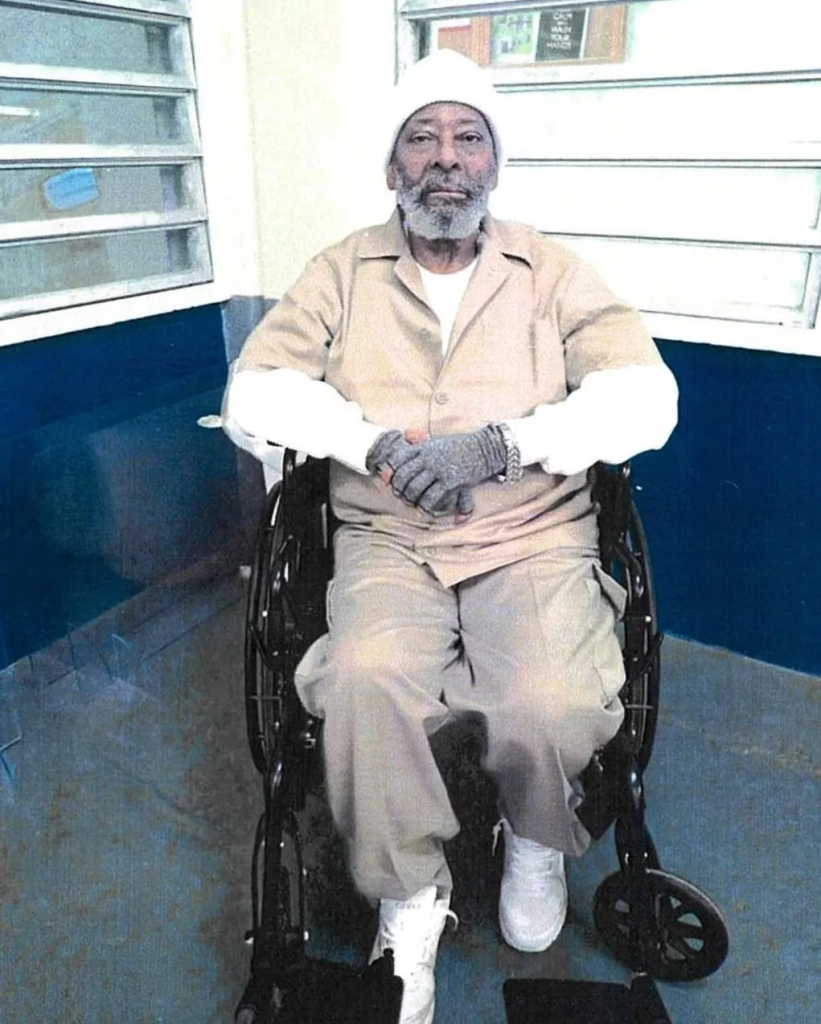
Death Row inmate spared 48 hours before execution after 33 years, as victim’s daughter calls for mercy and justice.On the evening of March 12, 2026, an execution was scheduled at the Holman Correctional Facility in Alabama. The man awaiting death was Charles Lee Burton, now 75 years old. Frail and confined to a wheelchair, he no longer resembled a threat to anyone.
Burton had spent more than three decades on death row. With just 48 hours remaining, he prepared for the end. He submitted his final meal request. He began writing his will. He divided what little he owned among family members.
Then, everything changed. 
On March 10, Alabama Governor Kay Ivey signed a clemency order. Burton’s death sentence was commuted to life imprisonment without parole.
A Crime That Changed Multiple Lives
To understand how Burton ended up here, we must go back to 1991.
That August, Burton and five others drove from Birmingham to Talladega, Alabama. Their target was an auto parts store. After parking nearby, they entered the shop pretending to be regular customers.
Inside, Burton acted normally at first. He made a small purchase and used the restroom. Then, suddenly, his accomplice Derrick DeBruce pulled out a gun and ordered everyone to the floor.
Burton held a store employee at gunpoint and forced him to open the safe. Meanwhile, the others robbed customers at the front.
Then, something unexpected happened.
A man named Doug Battle walked into the store. A military veteran, he did not back down. Instead, he confronted DeBruce.
Tensions escalated quickly. DeBruce, already on edge, saw the confrontation as a threat. He struck Battle and then shot him in the back. Battle died on the spot, leaving behind a nine-year-old daughter.
The Moment That Defined Burton’s Fate

At the time of the shooting, Burton was no longer inside the store.
He and another accomplice had already left, believing the robbery was complete. As they fled, they heard the gunshot. Only then did Burton realize someone had been killed.
He later said they never intended to hurt anyone. The plan was to steal money and leave.
But the law saw it differently.
The “Felony Murder Rule”

In 1992, Burton was convicted and sentenced to death. The jury unanimously recommended execution.
A key factor was the felony murder rule. Under this legal principle, if a death occurs during the commission of a serious crime such as robbery, all participants can be charged with murder—even if they did not pull the trigger.
Prosecutors argued that Burton organized the robbery. Without him, the crime would not have happened. Therefore, he bore equal responsibility for the killing.
The jury agreed.
Burton was 41 years old when he entered death row.
A Twisted Outcome
The six men involved in the robbery faced very different outcomes.
Four reached plea deals and avoided the death penalty. DeBruce, the actual shooter, was also sentenced to death.
At first glance, it seemed justice was consistent.
But years later, everything shifted.
In 2014, a federal appeals court overturned DeBruce’s death sentence. The reason was ineffective legal counsel. His defense attorney had failed to present crucial evidence about his background and mental health.
DeBruce had dropped out of school at 16. He had a history of brain damage and epilepsy. None of this was properly presented in court.
The court ruled that the jury might have chosen life imprisonment if they had known the full picture.
DeBruce’s sentence was reduced to life without parole. He died in prison in 2020.
Burton Left Behind
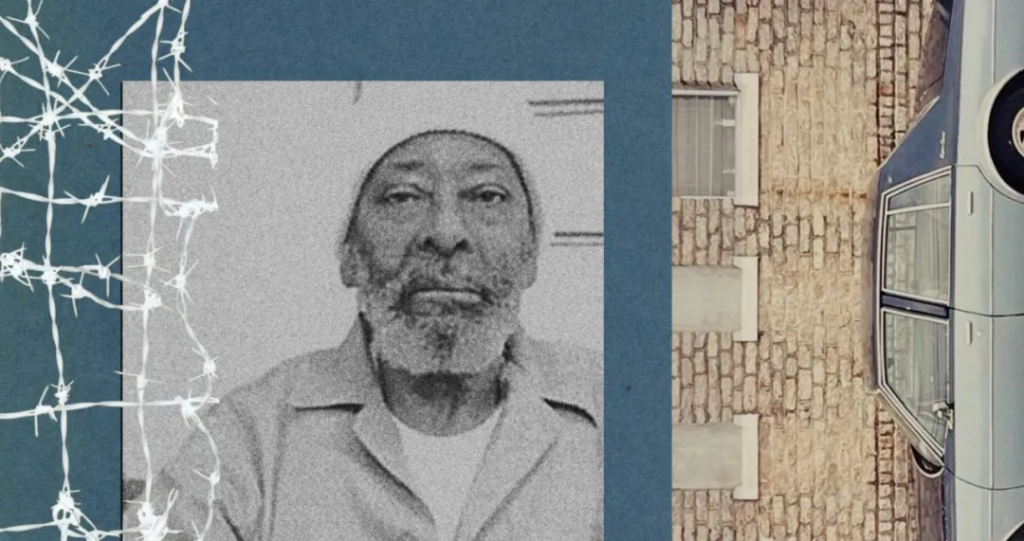
Burton, however, remained on death row.
He appealed multiple times over the years. None succeeded. His legal team argued that he had no intent to kill, which should matter under Alabama law.
But courts rejected the argument.
The state maintained a consistent position. DeBruce’s reduced sentence was due to his lawyer’s failure, not because of any broader injustice. Burton’s case, they argued, had been properly handled.
Legally, the logic held.
Morally, the outcome raised questions.
Of the six men involved, only Burton—who did not fire the gun—remained under a death sentence.
A Voice No One Expected
The turning point came from an unlikely source.
Tori Battle, the daughter of the victim, stepped forward.
She was nine years old when her father died. Now in her forties, she wrote a public letter in December 2025 urging the governor to grant clemency.
She questioned why the state insisted on executing someone who had not killed her father.
Tori said her father believed in peace, not revenge. She felt the same.
Her words were powerful
She wrote that her love for her father did not require another death. She said executing Burton would not heal her pain.
Public Support Grows
Her letter sparked widespread attention.
Former jurors were contacted. Of the eight still alive, six supported reducing Burton’s sentence. Three wrote directly to the governor.
One juror admitted she had been influenced by how prosecutors portrayed Burton as the mastermind. She no longer believed that narrative.
Another said it felt unjust that the shooter had received a lesser punishment.
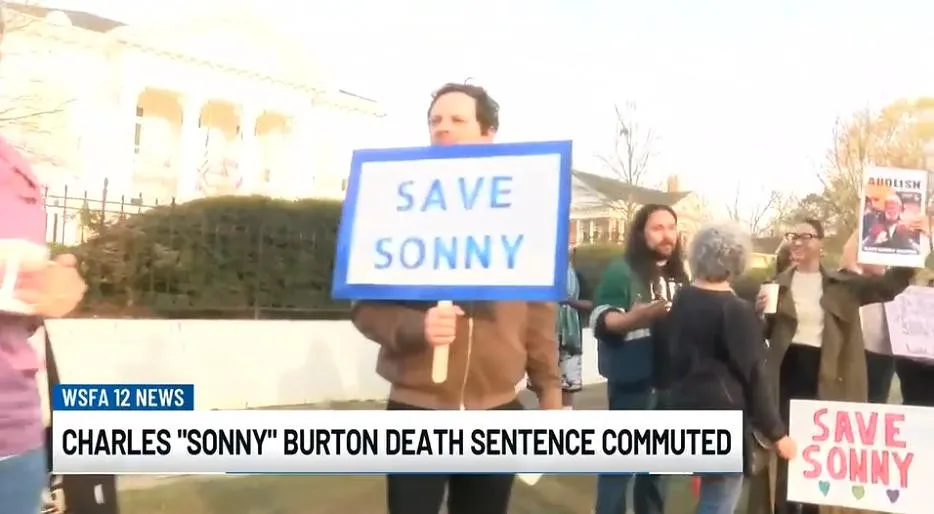
Days before the execution, thousands marched in protest. A petition with 67,000 signatures was delivered to the governor.
The Governor’s Decision
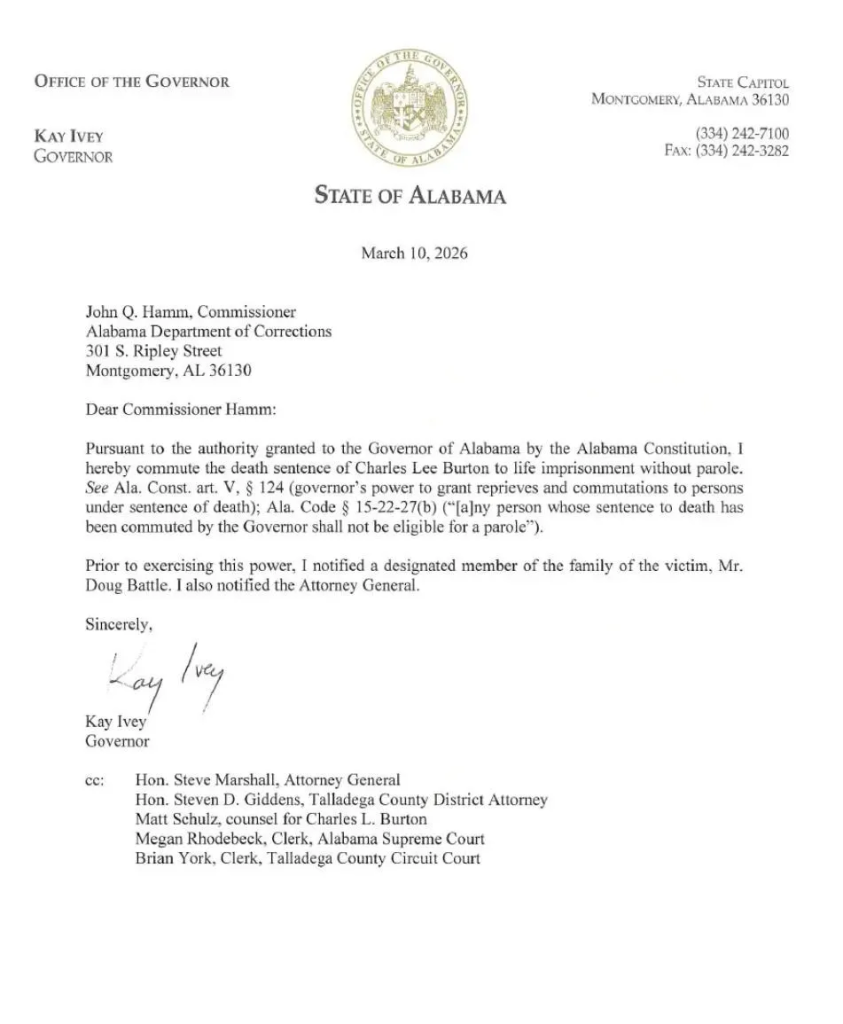
Governor Kay Ivey had long supported capital punishment. Since taking office in 2017, she had overseen numerous executions.
Initially, her office stated there were no plans for clemency.
Then, just two days before the execution, she changed course.
In her statement, she reaffirmed her support for the death penalty. However, she emphasized that it must be applied fairly.
She wrote that it would be unjust for the man who did not pull the trigger to be executed when the one who did was not.
A Life Spared, But Not Freed
Burton’s sentence was commuted to life without parole.
His lawyer personally delivered the news. Burton responded with a simple message of gratitude.
His daughter broke down in tears during a phone call. She said it felt like a heavy weight had finally been lifted.
Burton also expressed deep appreciation for Tori Battle’s forgiveness. Her words, he said, helped ease a burden he had carried for decades.
A Story Without a Perfect Ending
Burton will not be executed.
But he will never walk free.
At 75, he will spend the rest of his life behind bars. The physical reality remains unchanged. Yet mentally, everything is different.
After 35 years of waiting, the shadow of death has lifted.
This case raises difficult questions about justice, responsibility, and fairness. In the end, it was not the legal system that corrected itself.
It was compassion—from the victim’s own family—that brought a measure of balance to a deeply flawed outcome.