





Ask anyone about British Food, and you’ll likely hear the same tired jokes: bland, boiled, boring. Fish and chips wrapped in yesterday’s newspaper. Gray meat with boiled vegetables. A culinary wasteland.
I used to believe it myself. Then I actually went to Britain.
Walking through London’s Michelin-starred dining rooms, Manchester’s bustling street markets, and Edinburgh’s misty traditional pubs, that old stereotype dissolved like morning fog. What I found instead was a cuisine rooted in the genuine bounty of land and sea, battered by industrialization, and now undergoing a remarkable renaissance of creativity and confidence. 

British Food isn’t just surviving. It’s thriving.
A Bite of History: How Britain Lost Its Way (and Found It Again)
Before factory chimneys darkened the sky, Britain had a rich, robust food tradition. Medieval feasts featured roasted peacock and swan, dripping with honey and exotic spices. Common folk made do with oat porridge, rye bread, root vegetables, and home-cured bacon—simple, nourishing, honest.
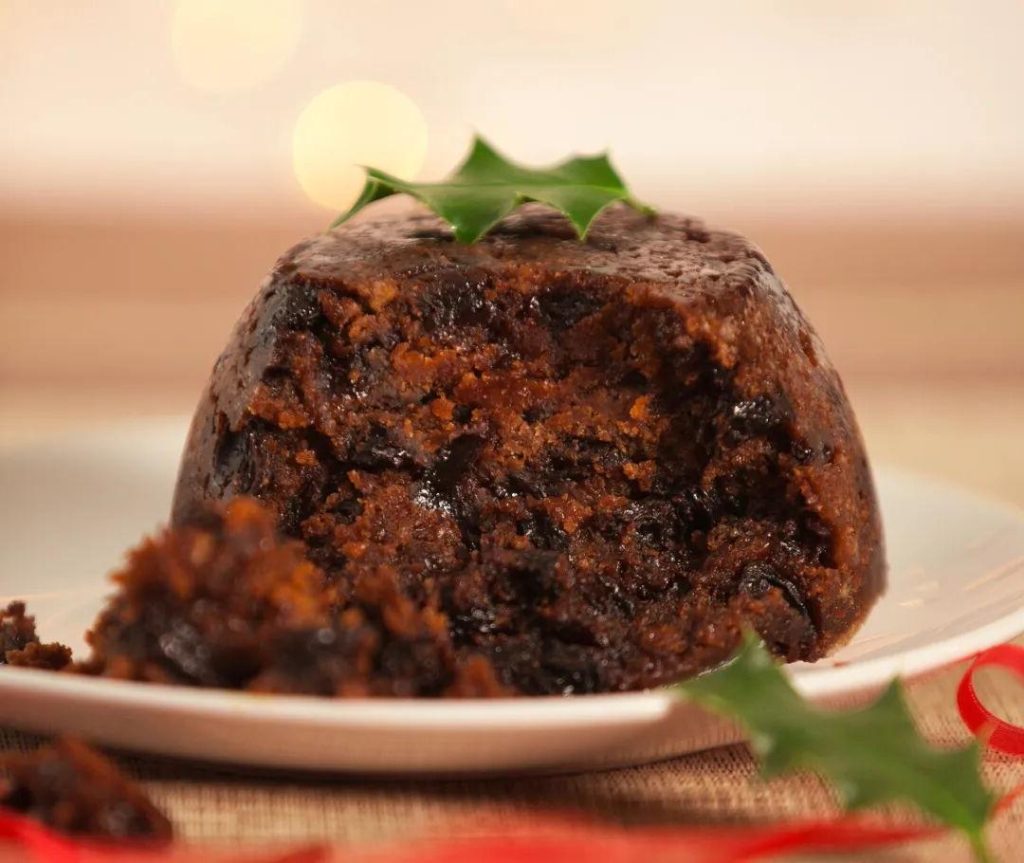
The Tudors opened trade routes, flooding British kitchens with sugar, raisins, almonds, and spices from the East. Christmas puddings and mince pies were born from this sweet revolution.
Then came the Industrial Revolution—and everything changed.
Workers flooded into cities, crammed into tiny houses with tiny kitchens. Time became a luxury no one could afford. Cheap, fast, filling food became the only option. Tea with sugar offered quick calories. Sunday roasts were cooked once and eaten cold the next day. Canned food promised convenience but killed the taste for fresh.
For generations, convenience trumped flavor. And British Food‘s reputation sank into the gray mush of overcooked peas and watery stews.
The Classics That Survived
But some dishes refused to die. They’re the cornerstones of British Food today—proof that good taste outlasts bad trends.
Fish and Chips
This isn’t fast food. It’s alchemy.
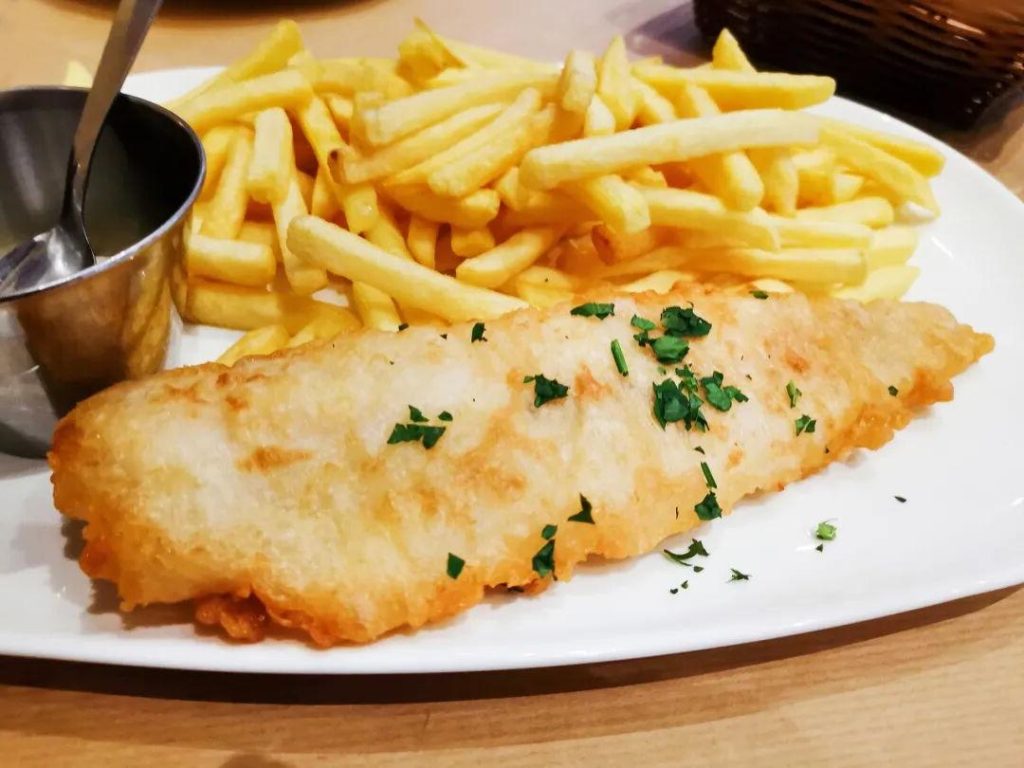
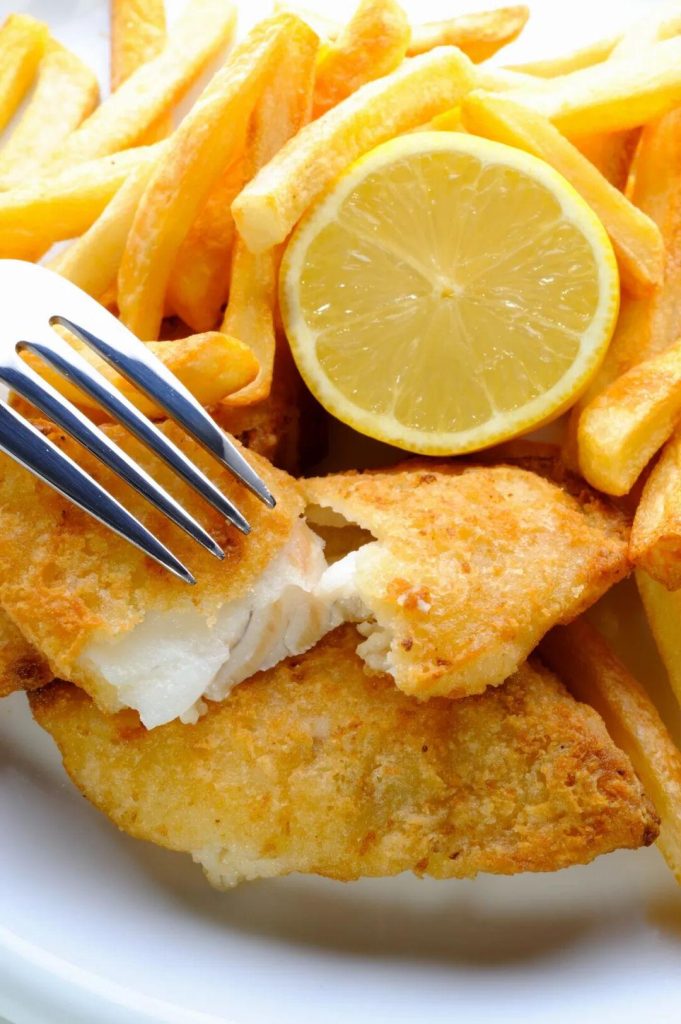
Fresh cod or haddock, boned and filleted, dipped in a batter light as air, then plunged into bubbling fat until the crust turns golden and shatteringly crisp. Inside, the fish steams to perfection, flaking at the touch of a fork. The chips are thick, fluffy-centered, and properly crunchy.
Salt first. Then malt vinegar—sharp enough to wake up every taste bud. The vinegar’s acid cuts through the richness, lifting the fish’s natural sweetness.
Eat them by the sea in Brighton or Whitby, wrapped in paper, steam rising into the cold air. That’s not just a meal. That’s memory.
The Full English Breakfast
In Britain, breakfast is a ceremony.
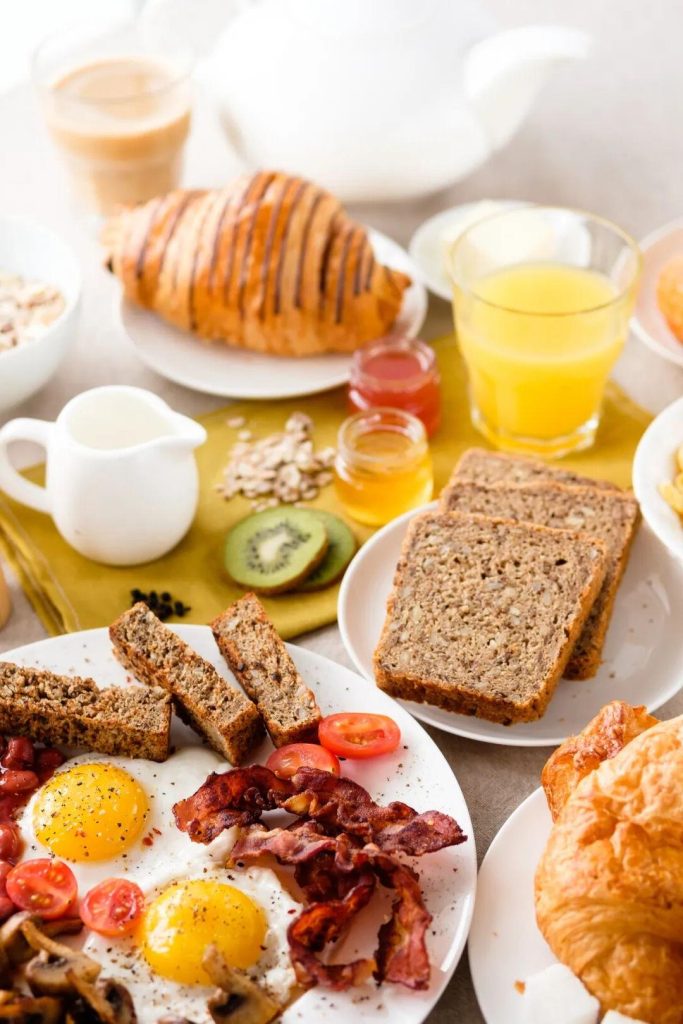
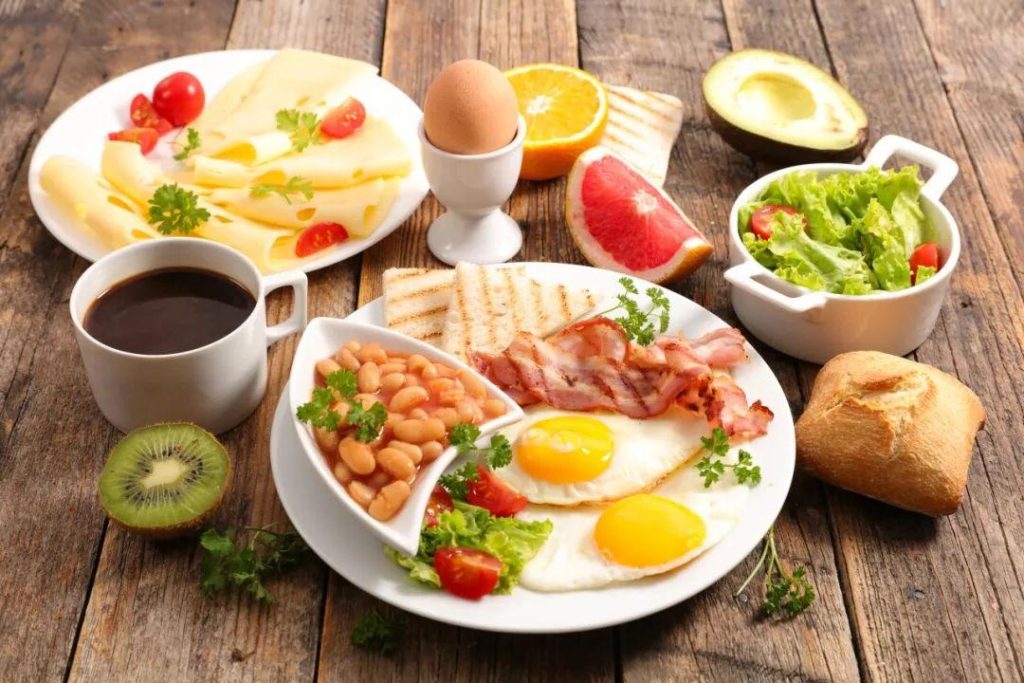
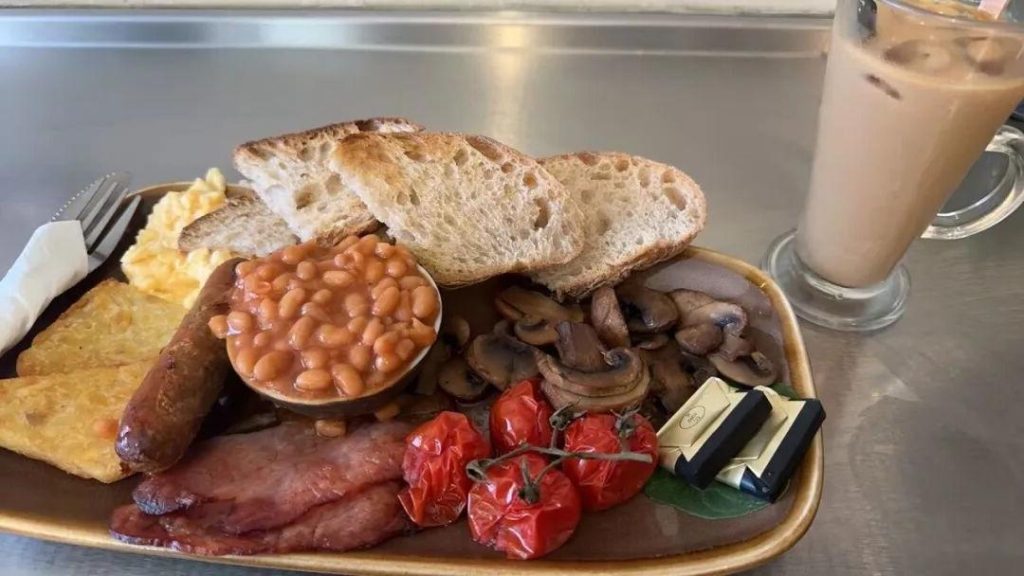
Crispy bacon, edges curled and dark. Plump sausages, bursting with juice. A fried egg, yolk like liquid gold. Grilled tomato, sweet and blistered. Mushrooms sautéed in butter until they gleam. Baked beans in tomato sauce, thick and comforting. Fried bread or hash browns, maybe even black pudding—rich, spicy blood sausage.
All on one plate. All before 9 AM.
The Full English Breakfast isn’t for the faint of heart or the moderately hungry. It’s fuel for the day, a ritual of generosity, and the best hangover cure ever invented.
Sunday Roast
Sunday isn’t Sunday without a roast.
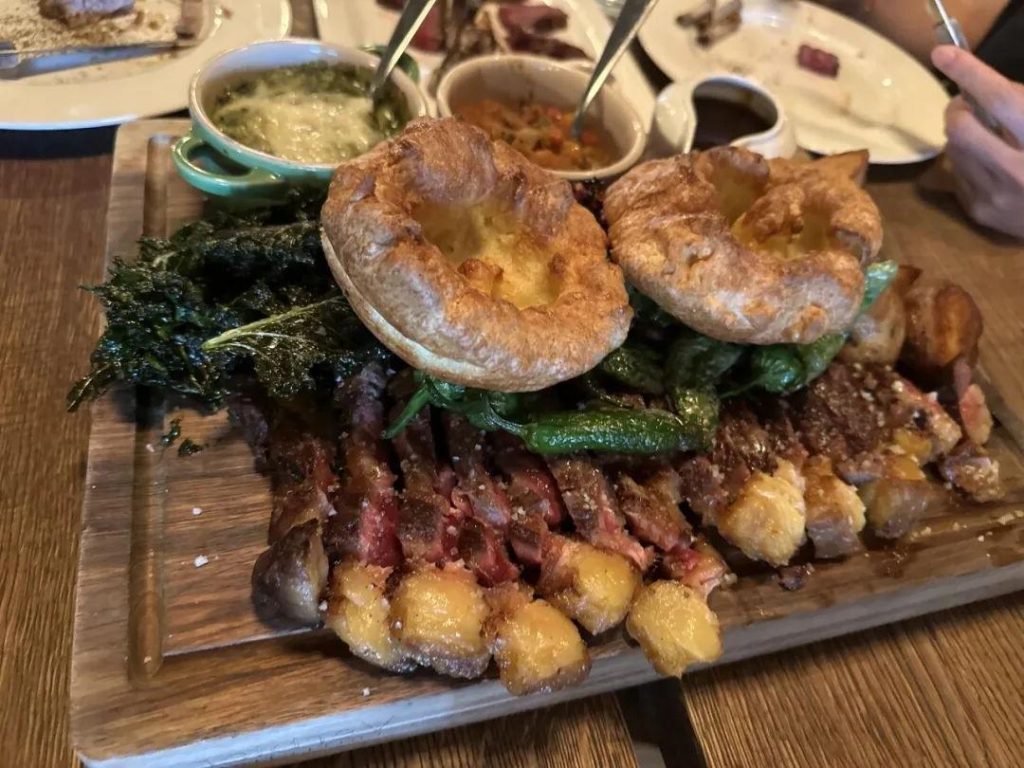
A joint of beef (ribeye or sirloin), a whole chicken, a leg of lamb, or a slab of pork belly goes into the oven, slow-roasted until the meat surrenders and the skin crackles. Out comes magic. The pan juices become gravy—dark, intense, poured over everything.
But the roast isn’t alone. It arrives with an army:
- Yorkshire pudding—puffy, golden bowls of baked batter, crisp outside, soft within, made for soaking up gravy.
- Roast potatoes, crunchy and fluffy, sometimes cooked in goose fat for extra decadence.
- Carrots and parsnips, sweet from roasting.
- Peas or cabbage, for color.
- Horseradish sauce for beef, mint sauce for lamb, apple sauce for pork.
Gather everyone around the table. Pull the cracker. Pour the wine. This is British Food at its most communal, most comforting, most true.
Haggis: Scotland’s Great Leap of Faith
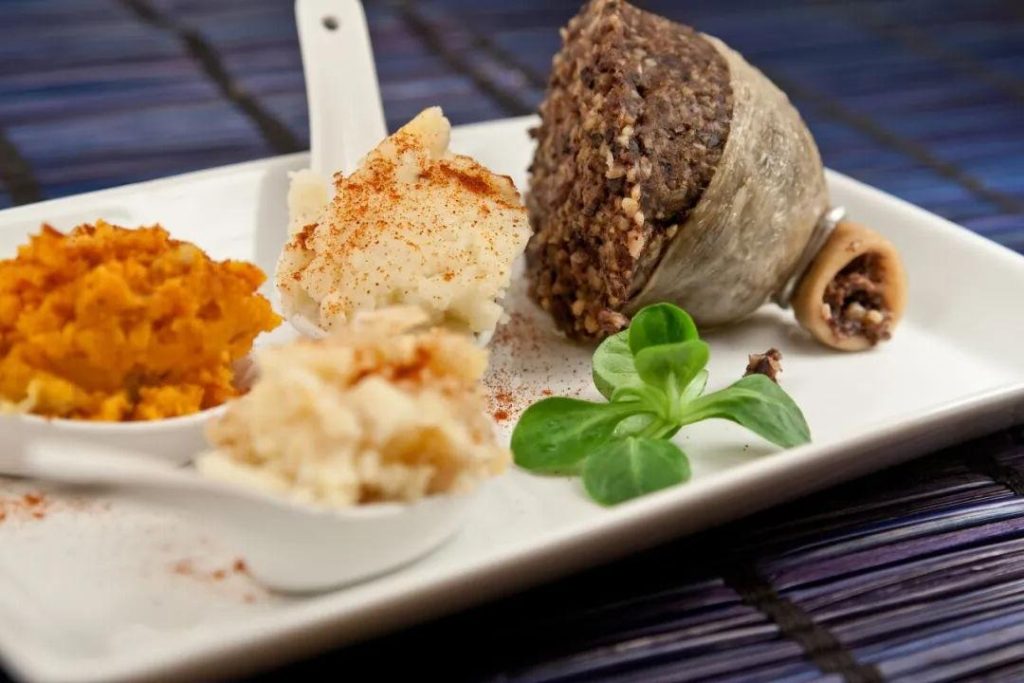
Let’s address the elephant in the room. Haggis sounds terrifying: sheep’s heart, liver, and lungs, minced with oatmeal, onions, suet, and spices, then simmered in a stomach bag for hours.
But here’s the secret: it’s delicious.
Rich and savory, with the nutty texture of oats and the warmth of pepper and nutmeg. Served with “neeps and tatties” (mashed turnips and potatoes) and a glass of single-malt Scotch whisky, haggis tastes like the Highlands feel—wild, honest, and deeply satisfying.
Robert Burns wrote an ode to it. You should at least try it.
Afternoon Tea
At 4 PM, the world stops. Tea is served.
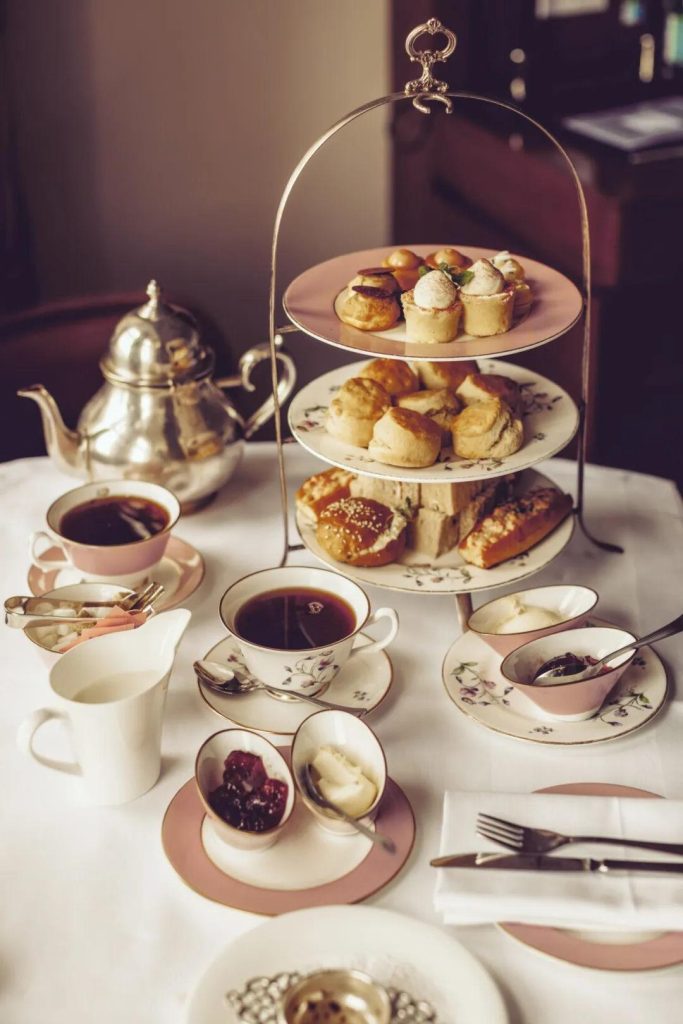
This isn’t just drinking. This is ritual. Tiered stands arrive at the table:
- Bottom tier: Finger sandwiches—cucumber (thin, crustless, perfect), smoked salmon with cream cheese, egg mayonnaise with cress.
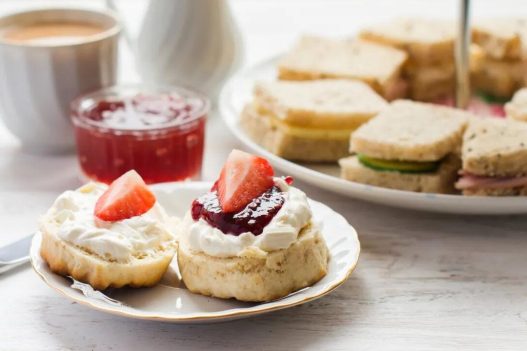
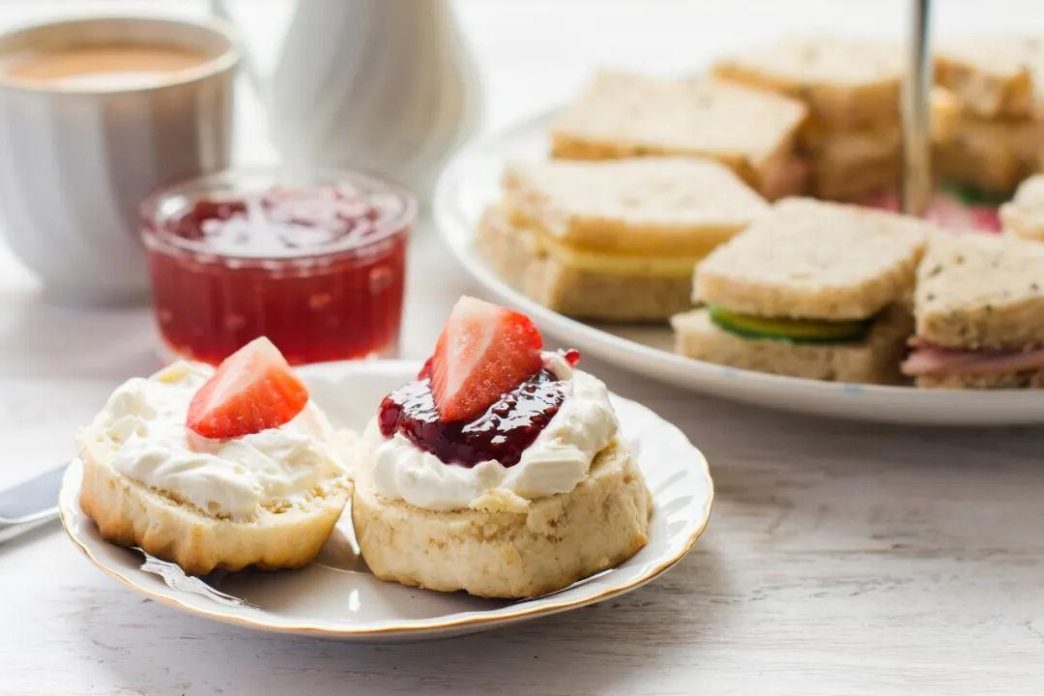
- Middle tier: Warm scones, split open, slathered with clotted cream (thick as butter) and strawberry jam. In Cornwall, cream goes first. In Devon, jam goes first. Choose your side. Fight for it.
- Top tier: Cakes. Miniature. Beautiful. Fruit tarts, chocolate éclairs, macarons, Victoria sponge.
All accompanied by a pot of Earl Grey, Darjeeling, or Assam, with milk and sugar on the side.
From the Ritz to a countryside tearoom, afternoon tea is Britain’s most elegant invention.
A Taste of the Regions
British Food isn’t one thing. It’s many.
England
- Cornwall: The Cornish pasty—golden pastry wrapped around beef, potato, swede, and onion. Miners carried them underground, holding the thick crust with dirty hands and eating the clean filling.
- Devon & Cornwall: Feuding over clotted cream—which county invented it, and whether cream or jam goes first on a scone.
- Lancashire: Lancashire hotpot—layers of lamb, onions, and potatoes, slow-cooked until the meat falls apart.
- Yorkshire: Yorkshire puddings, big enough to hold a meal.
- London: The world on a plate, but also traditional pie and mash shops serving eels in parsley liquor.
Northern Ireland
- Ulster Fry: The Full English’s Northern cousin, always including soda bread (farls) and potato bread, fried until golden.
Scotland
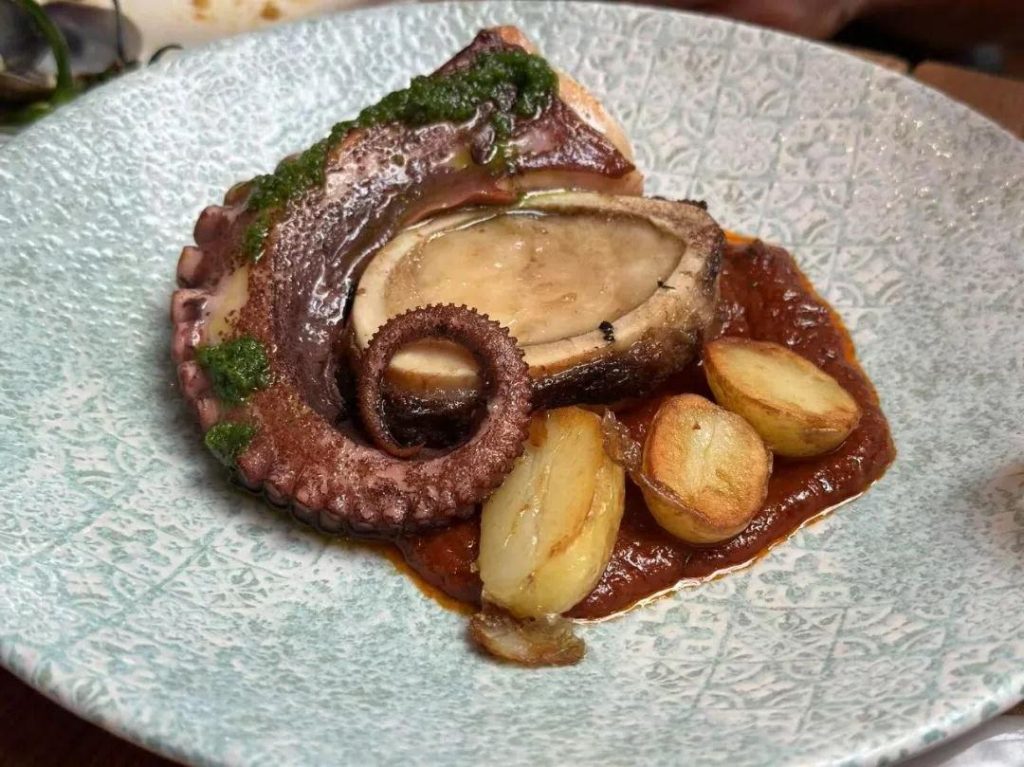
- Seafood: The cold North Sea produces some of the world’s best oysters, salmon, and white fish.
- Tattie scones: Potato scones, fried for breakfast or served with butter.
- Whisky: From the peaty Islay malts to the smoother Speysides—each sip tells a story of glens and coastlines.
Wales
- Lamb: From the green Welsh hills, sweet and tender.
- Welsh rarebit: Not rabbit, but a glorious mess of melted Cheddar, beer, and mustard, poured over toast and grilled until bubbling.
- Anglesey eggs: Layered potatoes, leeks, and cheese, baked into comforting gratin.
The Revival
Today, British Food is having a moment. Young chefs are digging up old recipes and giving them new life. Farmers’ markets overflow with local cheeses, cured meats, and organic vegetables. The old jokes about bland food feel increasingly dated.
Because British Food was never really bland. It was just waiting for someone to remember.
So next time you’re in the UK, skip the familiar chains. Order the roast. Try the haggis. Find a proper fry-up. Sit down with a pot of tea and a scone.
Taste the history. Taste the revival. Taste what Britain actually eats.