





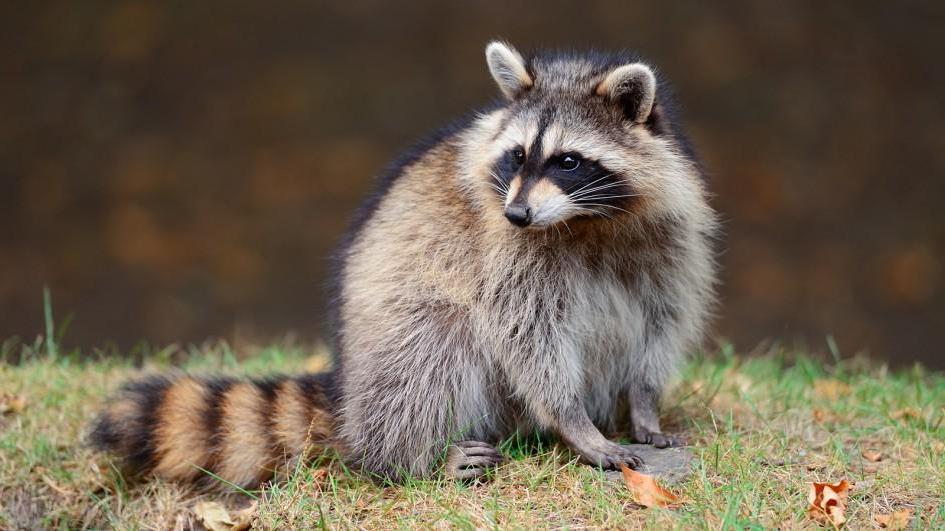
Keeping wild animals as pets might sound exciting—but in reality, it’s often dangerous, unethical, and harmful to both humans and animals.
Many wild species retain their natural instincts no matter how they are raised. Even if they grow up in a home, they can become unpredictable, aggressive, or simply unable to adapt to domestic life.
Some pose serious safety risks, while others suffer physically and mentally when removed from their natural environments. 
💡 Important Tip:
If you find an injured or abandoned wild animal, do not try to raise it yourself. Instead, contact a licensed wildlife rehabilitator to ensure it receives proper care.
1. Primates: Intelligent but Uncontrollable
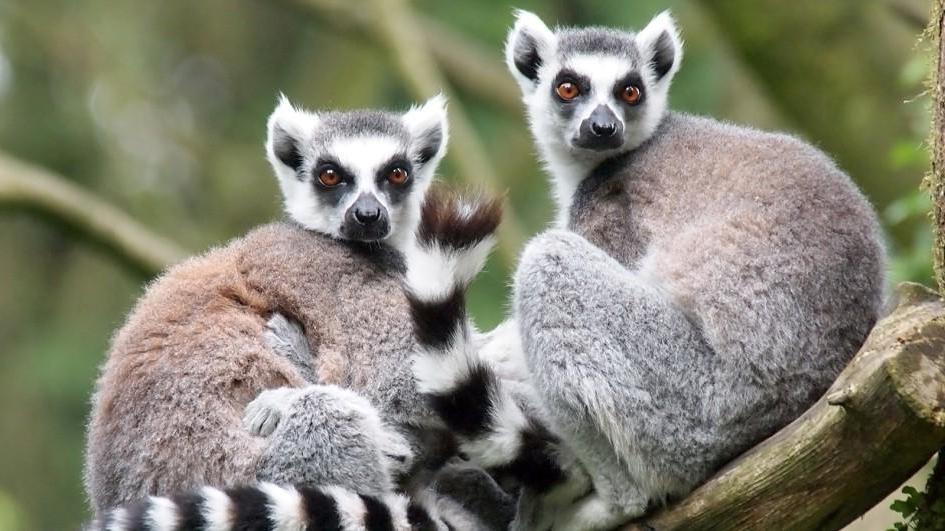
Primates such as Lemur, Capuchin monkey, Chimpanzee, and Baboon may look adorable and human-like—but that’s exactly what makes them so difficult.
They behave like permanent toddlers—messy, loud, emotional, and demanding. However, unlike human children, they grow stronger and more unpredictable with age.
Sudden aggression is common, and their strength can easily overpower humans. Even worse, they can transmit serious diseases like Hepatitis A and HIV.
2. Big Cats: Powerful Predators, Not Pets
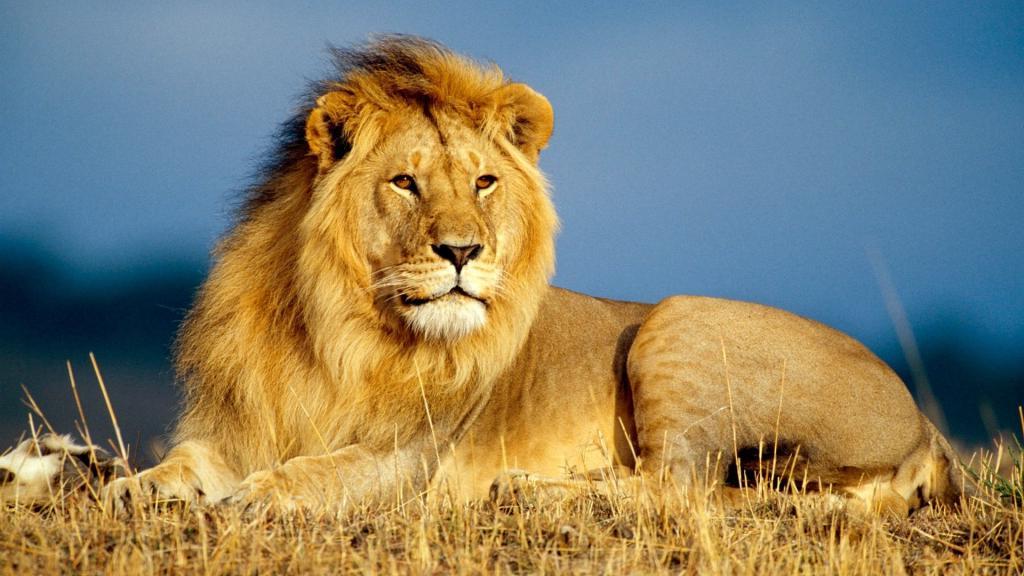
Large felines such as Lion, Tiger, Leopard, and Cougar are sometimes kept as exotic pets—but this is extremely dangerous.
Declawing does not make them safe—it actually causes severe pain and long-term damage.
These animals are natural hunters. They kill by targeting the throat, and their jaw strength alone can be fatal. No amount of training can override millions of years of instinct.
3. Venomous Snakes: A Deadly Risk
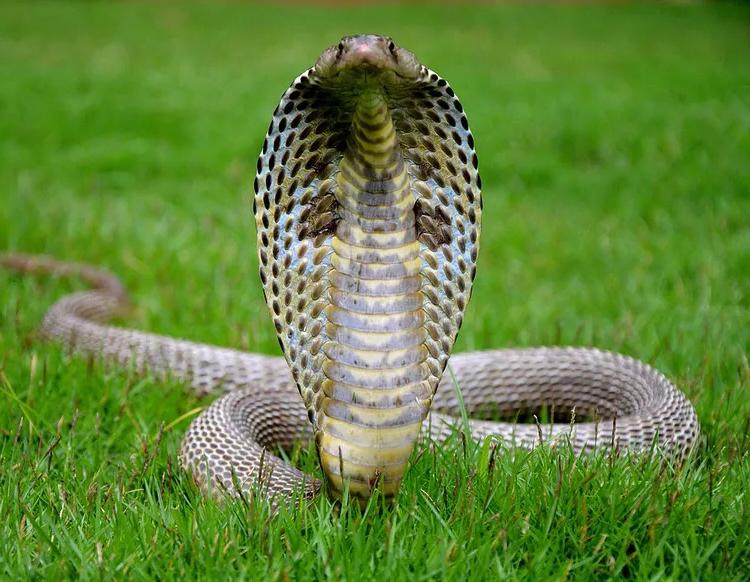
Keeping Venomous snake is a serious hazard. One bite can be fatal, and access to antivenom is not always guaranteed.
Some species like Cobra can even spit venom, causing extreme pain or blindness if it reaches the eyes.
If such a snake escapes, it puts not only your household but your entire neighborhood at risk.
👉 Safer, non-venomous snake species are always a better choice.
4. Bears: Cute Cubs Turn Into Giants
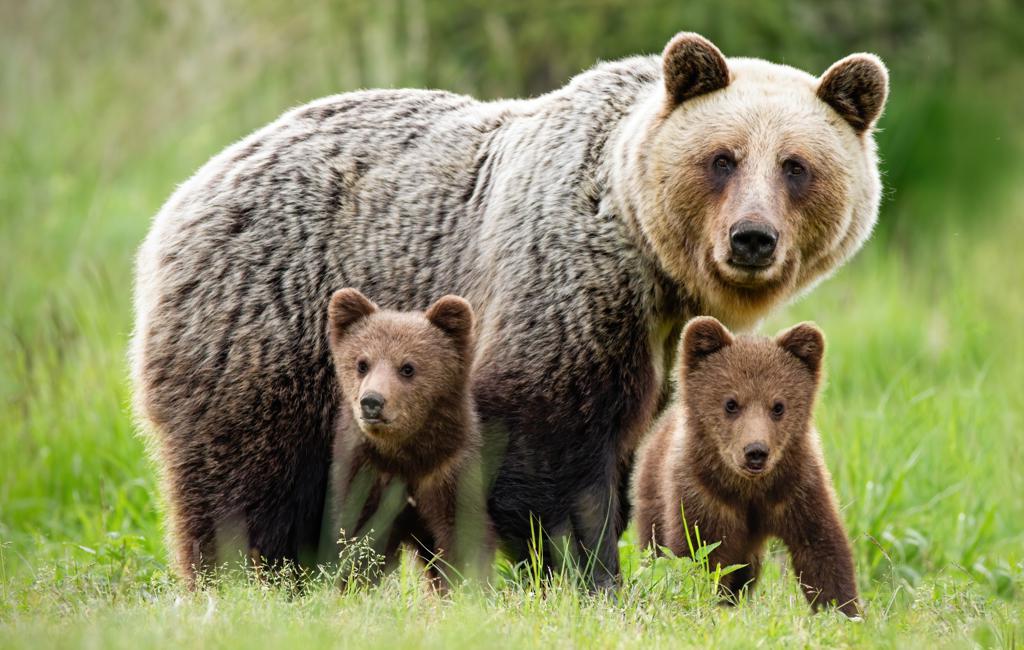
It’s easy to fall in love with a baby Bear—they look like living teddy bears. But they grow fast.
Adult bears can weigh over 1,500 pounds and stand taller than most humans. A single swipe of their paw can seriously injure—or kill.
No home environment can safely contain such power.
5. Coatis: Energetic and Hard to Handle
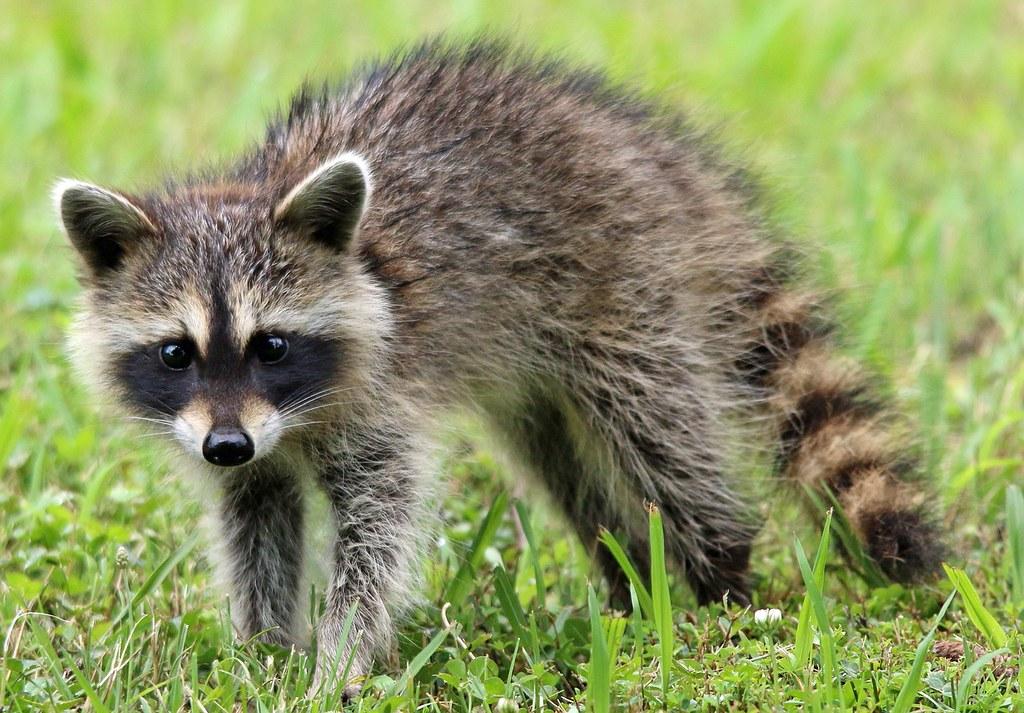
The Coati is a curious and active animal from South America.
They require large spaces, constant stimulation, and specialized care. Even then, they are extremely difficult to train.
With 38–40 sharp teeth and a strong bite, they can quickly become dangerous despite their playful appearance.
6. Bats: Fascinating but Not Domestic
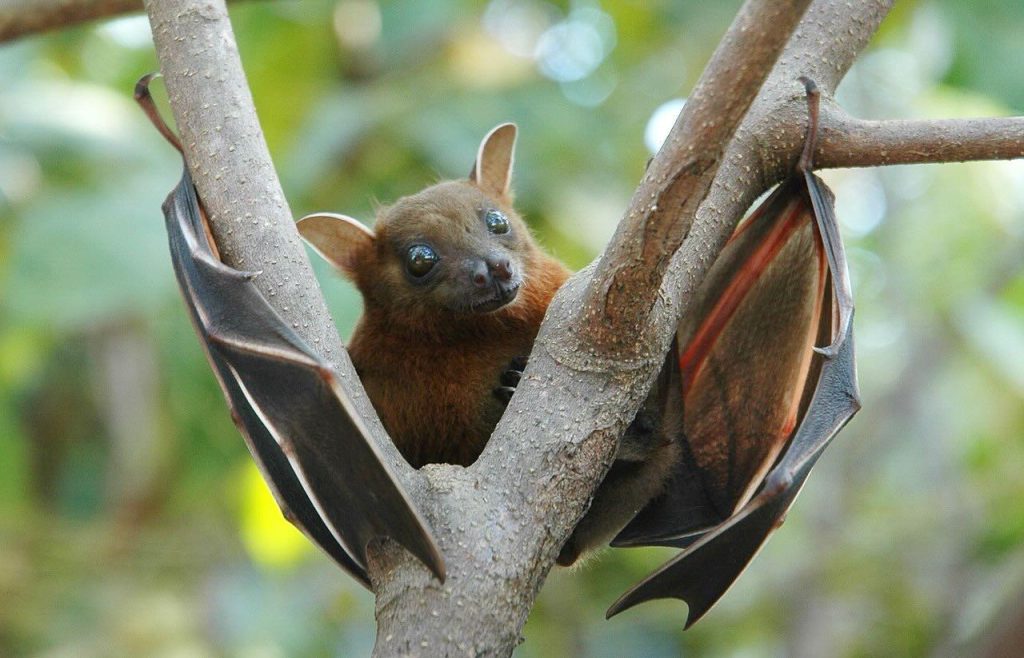
Bats are incredible creatures—but terrible pets.
They are known carriers of diseases like Rabies and SARS.
They are nocturnal, meaning they are active at night and sleep during the day—making them hard to care for in a home setting.
Their diets (insects, fruit, or blood depending on species) are also difficult to replicate in captivity.
7. Wolves and Coyotes: Not Just Wild Dogs
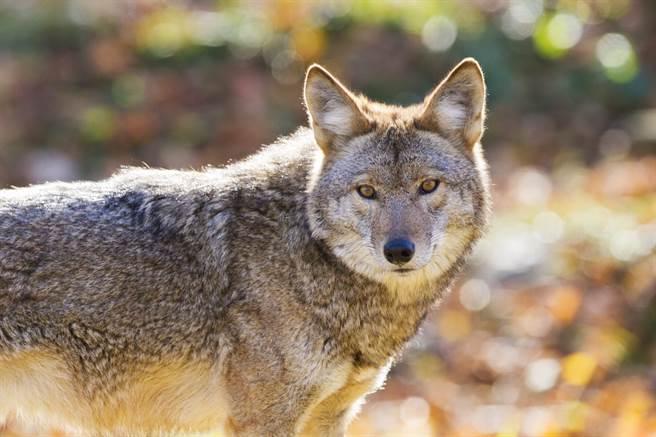
Wolfs and Coyotes are often mistaken for domesticated dogs—but they are fundamentally different.
They follow instinct, not commands. They hunt when hungry and can become aggressive when threatened.
Even wolf-dog hybrids retain strong wild traits and should not be kept as pets.
8. Kinkajous: Small but Aggressive
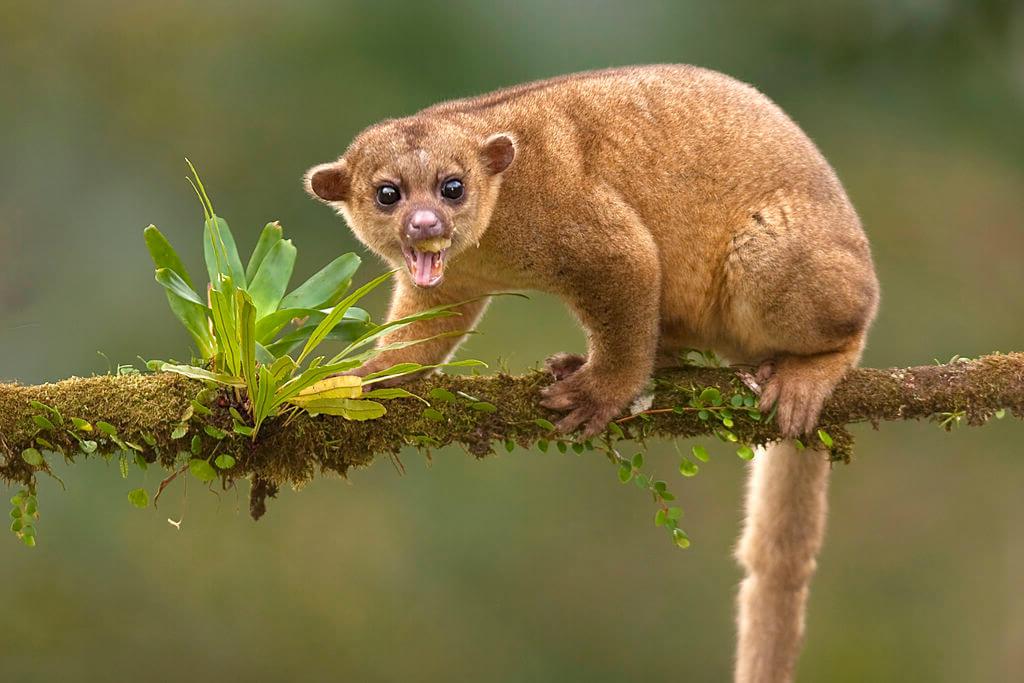
The Kinkajou may look cute, but don’t be fooled.
They are nocturnal, highly active, and easily irritated—especially if disturbed during the day.
They have sharp teeth and claws and are known to bite and scratch their owners. Despite their size, they can cause serious injuries.
9. Alligators and Crocodiles: Living Dinosaurs
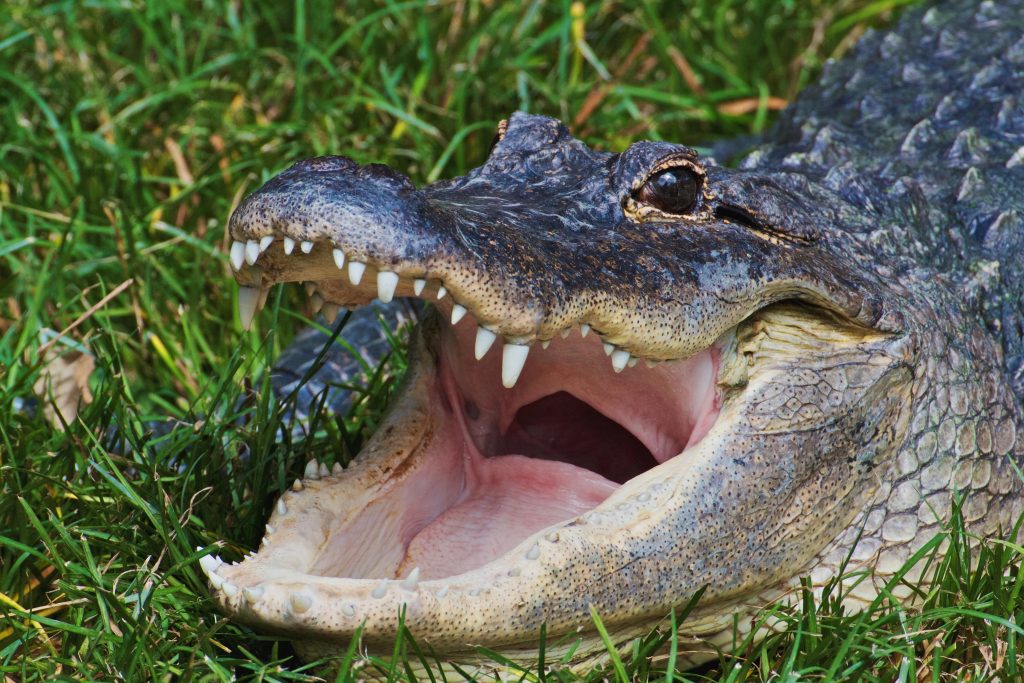
Large reptiles like the American alligator and Crocodile are among the most dangerous animals on Earth.
They can grow over 14 feet long and possess a bite force of around 2,000 pounds.
They can easily overpower humans, cause severe injuries, and even kill large prey.
Keeping one at home is not just impractical—it’s life-threatening.
10. Foxes: Beautiful but Unpredictable
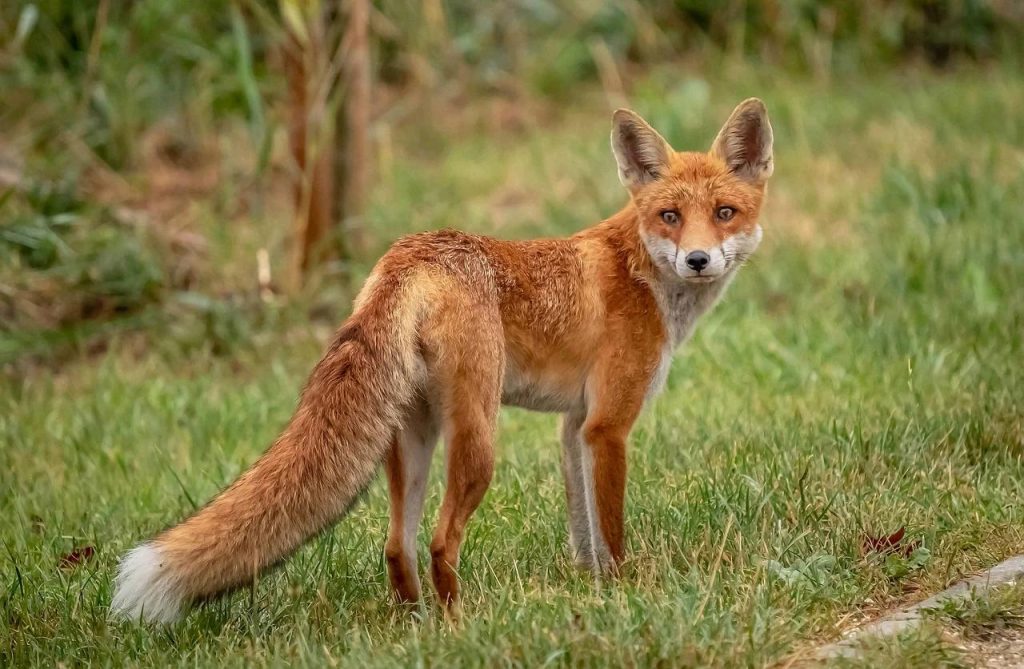
While the Fennec fox is sometimes kept as a pet, most fox species—including the Red fox—are not suitable for domestic life.
They may become somewhat tame, but they are never fully trustworthy.
They can bite when stressed and have a strong musky odor. In many places, if a fox bites someone, it may be euthanized due to lack of approved vaccines.
Final Thoughts: Respect Wildlife from a Distance
Wild animals belong in the wild—not in our homes.
Trying to domesticate them often leads to stress, danger, and suffering on both sides.
Instead of keeping exotic animals as pets, support wildlife conservation and appreciate these incredible creatures where they truly belong.