




For food lovers, the question isn’t whether to visit France—it’s what to eat when you get there. And there’s a lot to choose from. As one of the world’s three great cuisines, French Food has earned its reputation for elegance, artistry, and innovation. Rich stocks, complex sauces, and luxurious ingredients set it apart from other European cooking. But beyond the techniques and presentations lies something more fundamental: a deep respect for quality ingredients and the pleasure of sharing a meal.
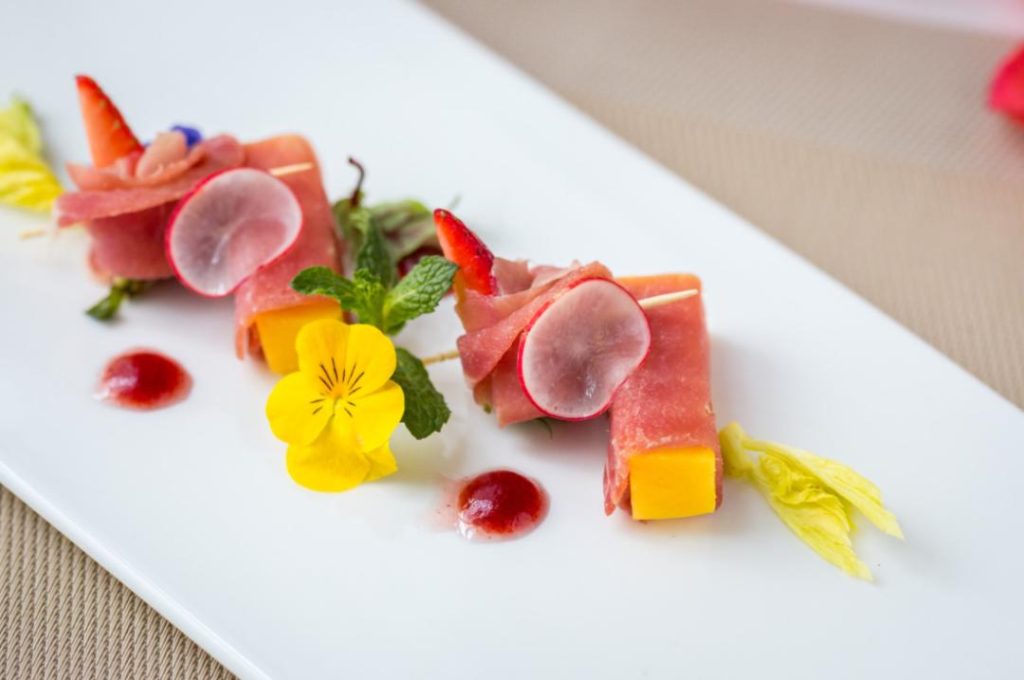
After the French Revolution, chefs who once served the aristocracy opened restaurants for the rising middle class. Generations of cooks refined their craft, making French Food increasingly sophisticated and diverse. Today’s “new French cuisine” has moved away from the heavy, butter-laden dishes of the past toward fresher, lighter preparations that highlight natural flavors. The slim figures on Parisian streets suggest this approach works—a rarity in Europe.
Because freshness matters so much, French cooking emphasizes local ingredients. Regional specialties often carry protected status, and the variety is staggering. 
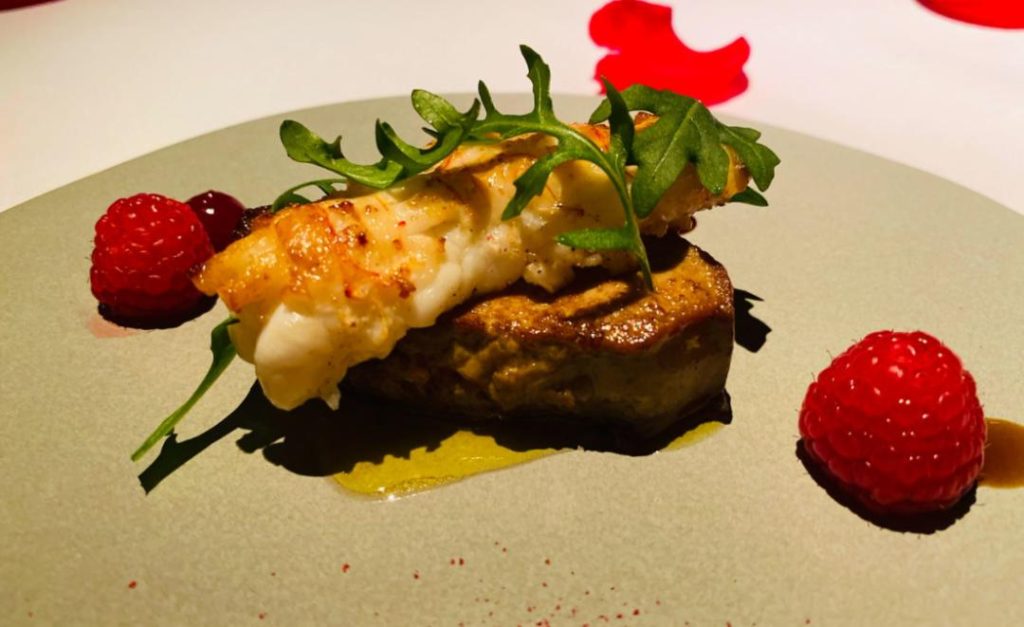
Duck: A French Obsession
Like Beijing’s love affair with duck, the French have their own passion for this bird. Most duck dishes come from mule ducks—a cross between Pekin and Muscovy breeds that grow quickly, reach impressive sizes, and produce excellent meat.
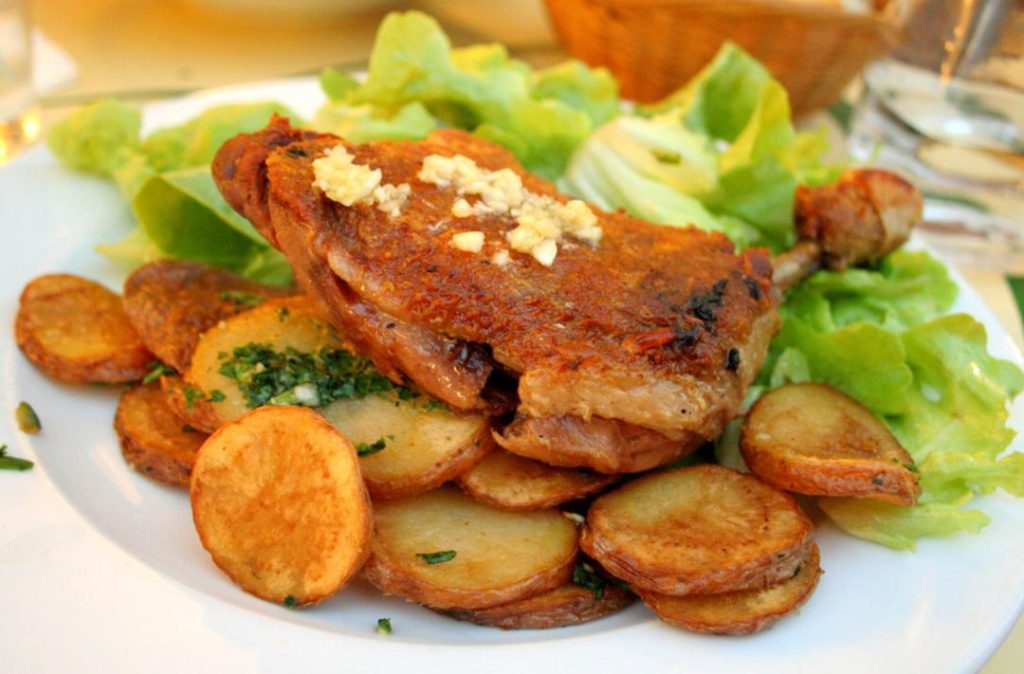
Confit de Canard (duck confit) began as a preservation method. Chefs would cook duck slowly in its own fat, then seal it away, extending its life for months. Someone eventually discovered that the slow-cooked meat emerged impossibly tender, with golden-crisp skin and a rich, savory depth that wasn’t greasy at all. Today, it’s a holiday centerpiece, often served with sautéed potatoes, cabbage soup, and red wine.
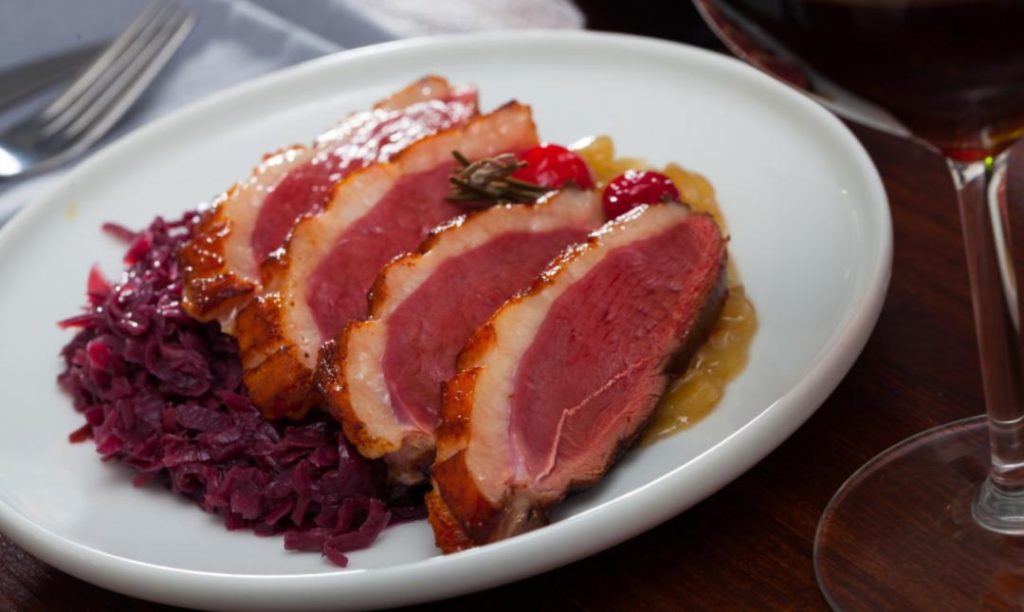
Magret de Canard (duck breast) appears regularly on French tables. Pan-seared until the skin crisps, then finished with orange sauce, the meat stays pink and tender. The bright, citrusy glaze cuts through the richness—think Peking duck with plum sauce, and you’re close.
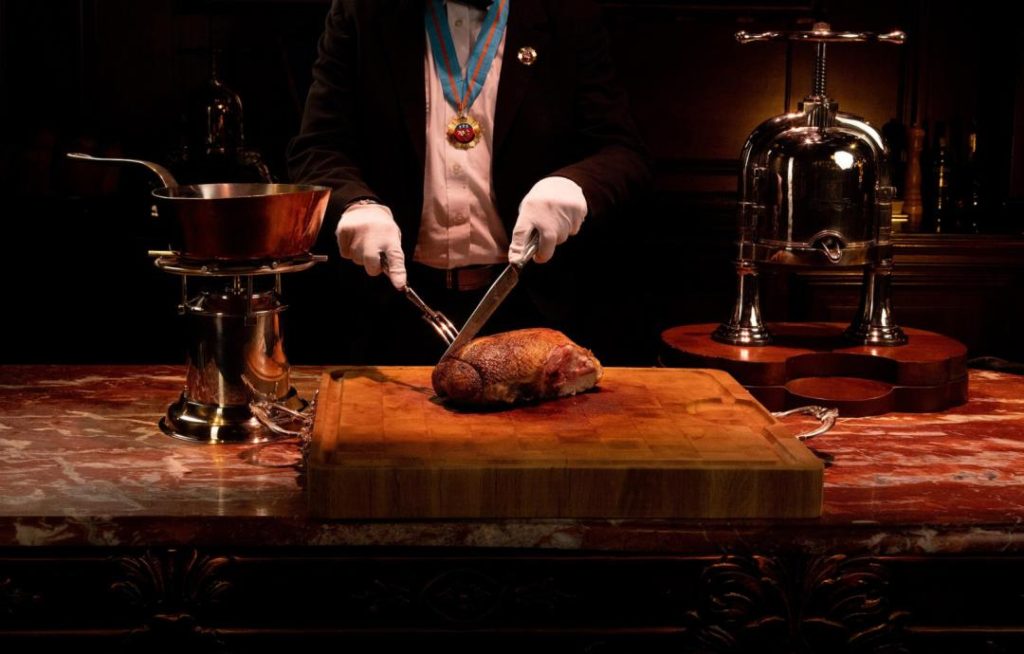
Then there’s Canard à la Presse (pressed duck), a theatrical specialty from Rouen. The duck is killed without bleeding, roasted rare, and only the breast and legs are served. The rest—bones, skin, organs—goes into a special press that extracts every drop of essence, which becomes the sauce. Despite containing blood, it reportedly has no gamey taste. It sounds like something from another world, but adventurous eaters swear by it.
Beef: Slow-Cooked to Perfection
France loves its braised beef. Red wine, beer, cream sauce, clear broth—every region has its version, often made with local alcohol. If you’re unsure what to order in France, beef stew is a safe, satisfying choice.
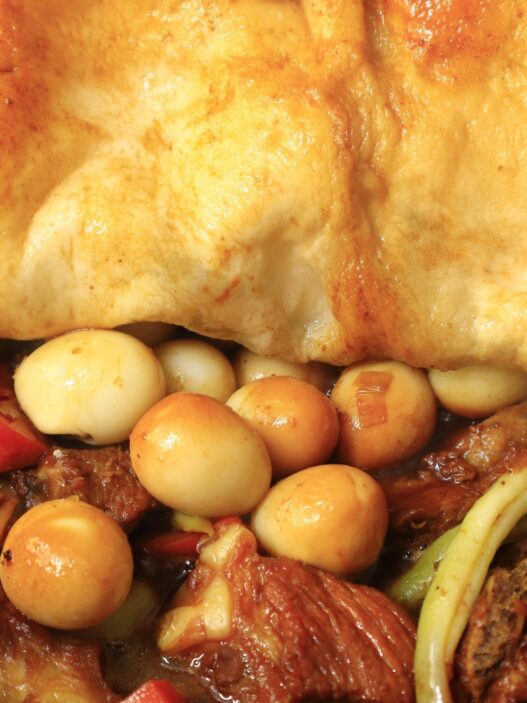
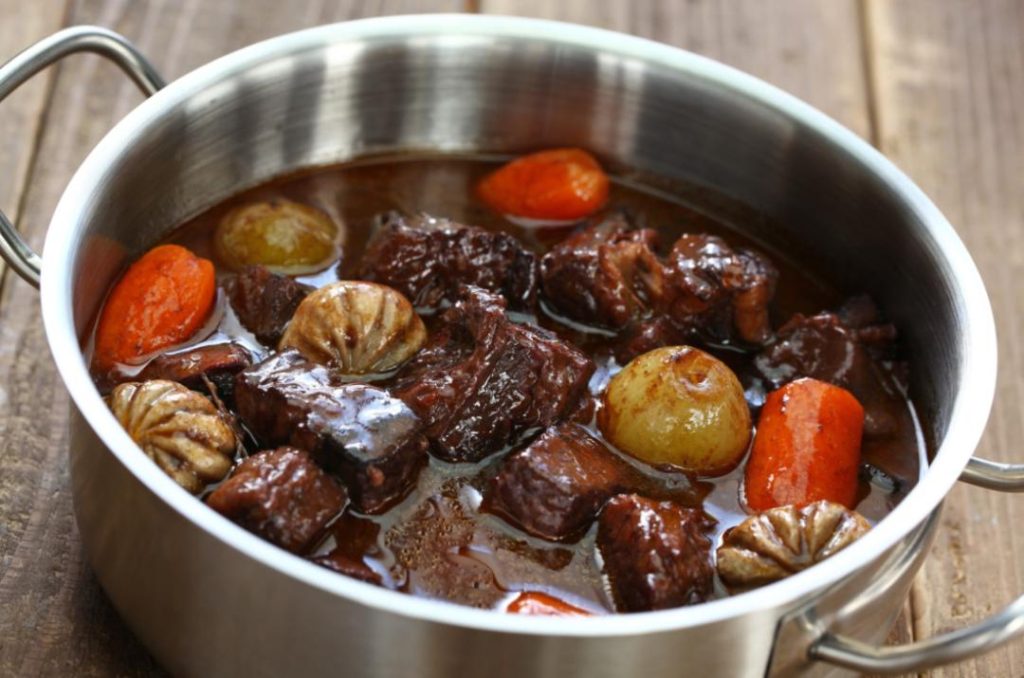
The most famous is Bœuf Bourguignon (beef stewed in red wine). The key is using wine from Burgundy—fruity, complex, and capable of transforming tough beef into something sublime. The meat marinates overnight, then simmers until fork-tender. Some restaurants add sugar or dark chocolate to balance the wine’s acidity and deepen the flavor. (The same technique works for chicken, called coq au vin.)
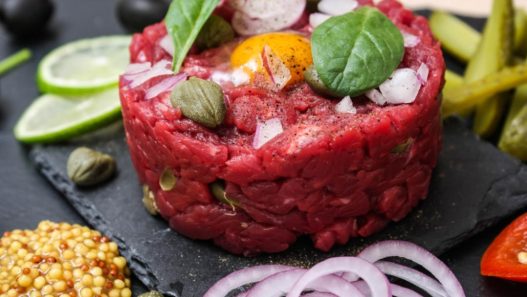
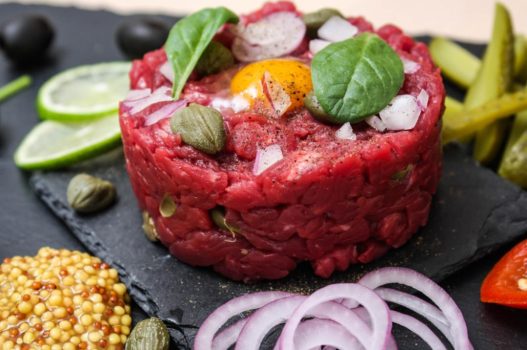
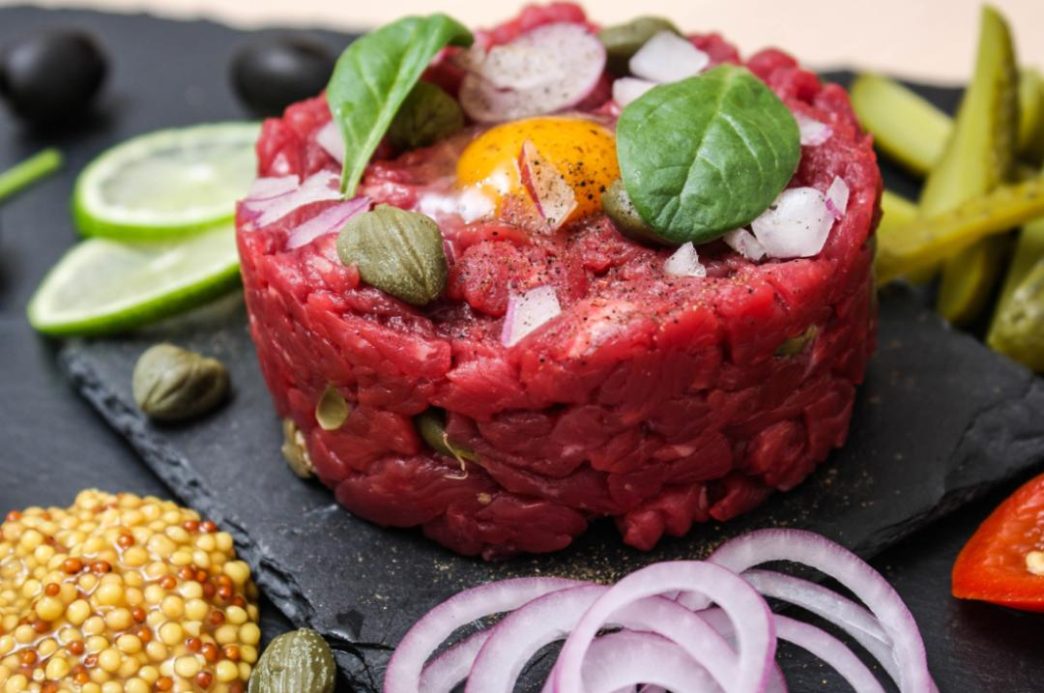
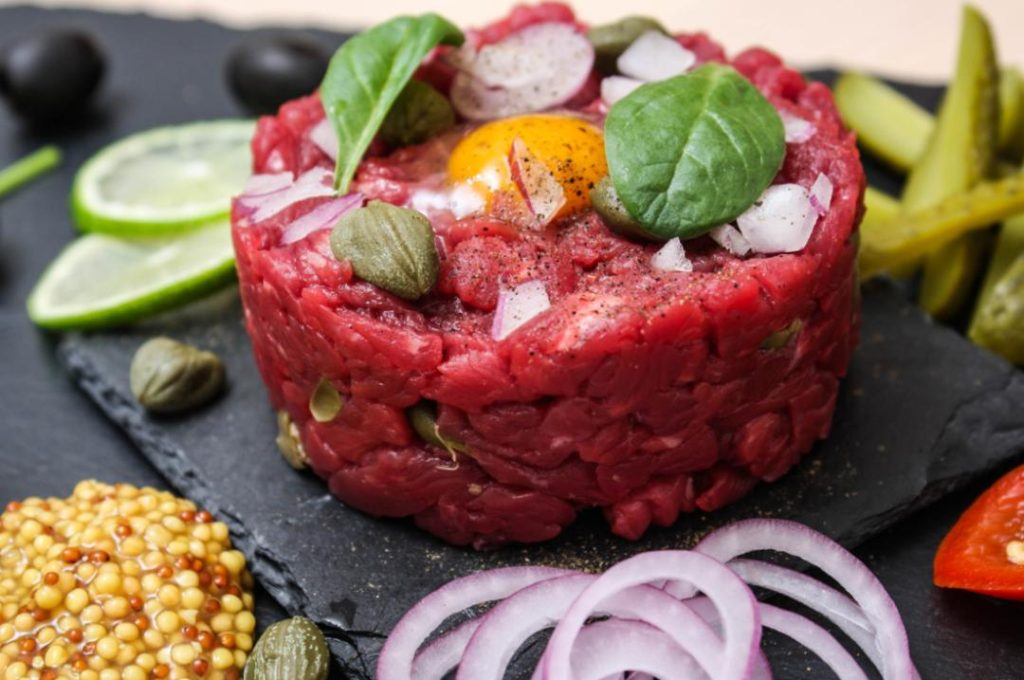
For the truly adventurous, there’s Steak Tartare. Raw beef tenderloin, chopped fine, mixed with herbs, capers, onions, and a raw egg yolk. Some love its silky texture and clean flavor. Others fear bacteria and parasites. The choice is personal—just know that pregnant women should avoid it entirely. The best versions use high-quality beef and simple seasonings: herb salt, pepper, onion, olive oil. I once had it with peanut oil, which added an unexpectedly familiar nuttiness that made this French classic feel almost like home.
Pork: Beyond the Usual Cuts
Like much of Europe, France turns its pork into hams, sausages, and roasted knuckles. But French charcuterie has its own distinctive character.
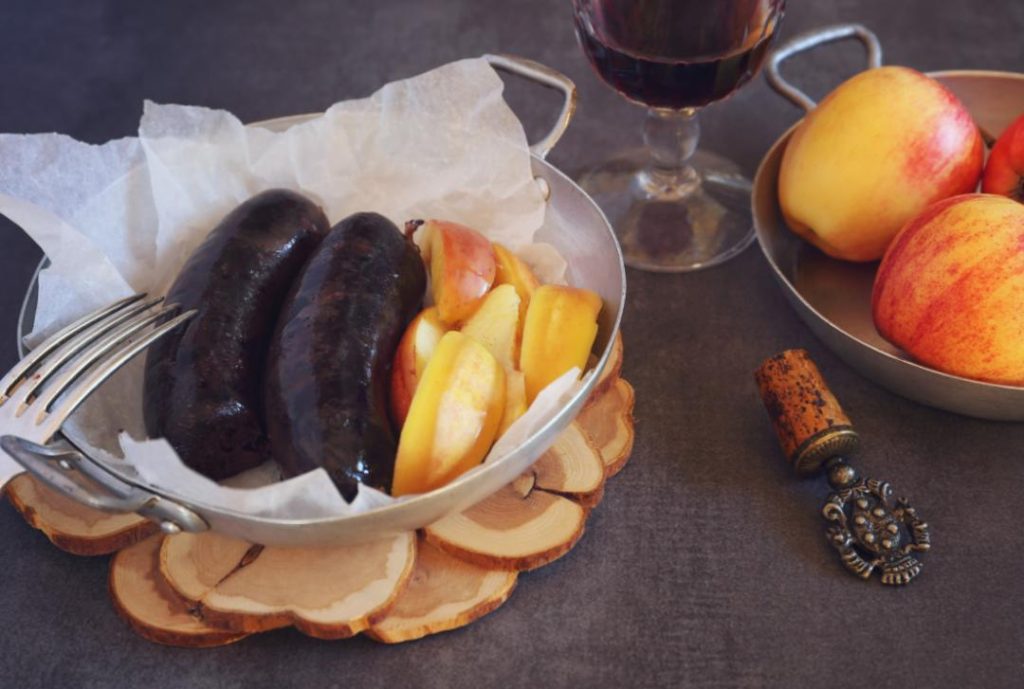
Boudin Noir (blood sausage) mixes pig’s blood with fat, spices, and seasonings until dark and rich. It’s often served with sautéed apples—a combination that echoes Northeast China’s blood sausage with pickled cabbage.
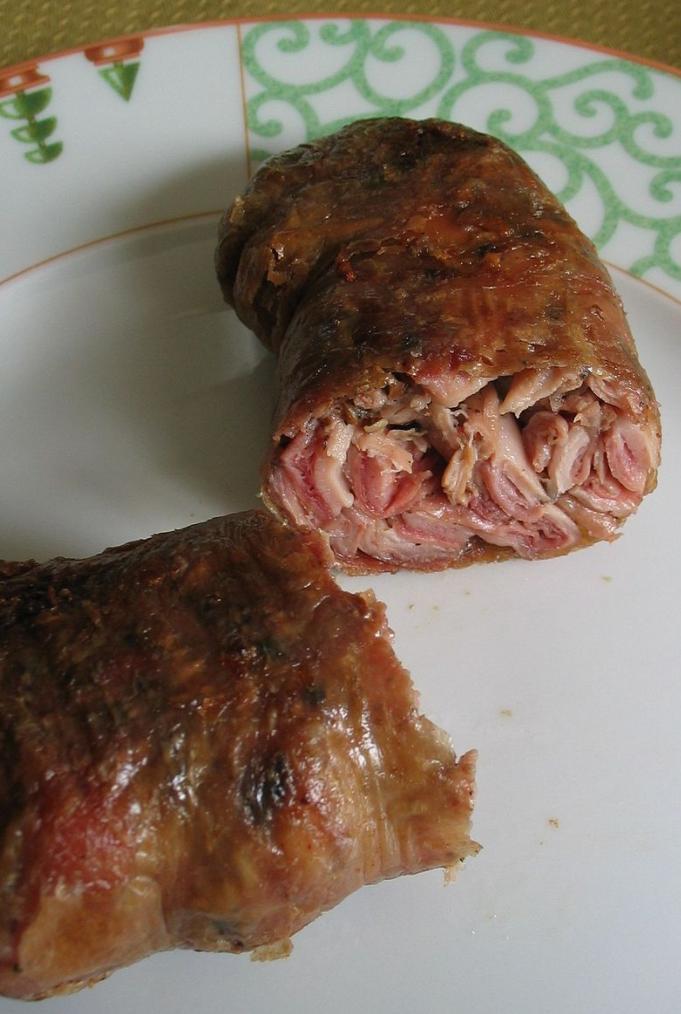
Andouillette is not for the faint of heart. Made from pork intestines, stomach, and sometimes chitterlings, flavored with onions, white wine, and spices, then stuffed into—yes—actual intestine casings. Most are smoked, giving them an intense, unmistakable aroma. Offal lovers consider it divine. Others run the other way. The French also grind chitterlings into fillings for breads and pies, sometimes mixing them with equally pungent cheese. It takes courage, but also yields rewards.
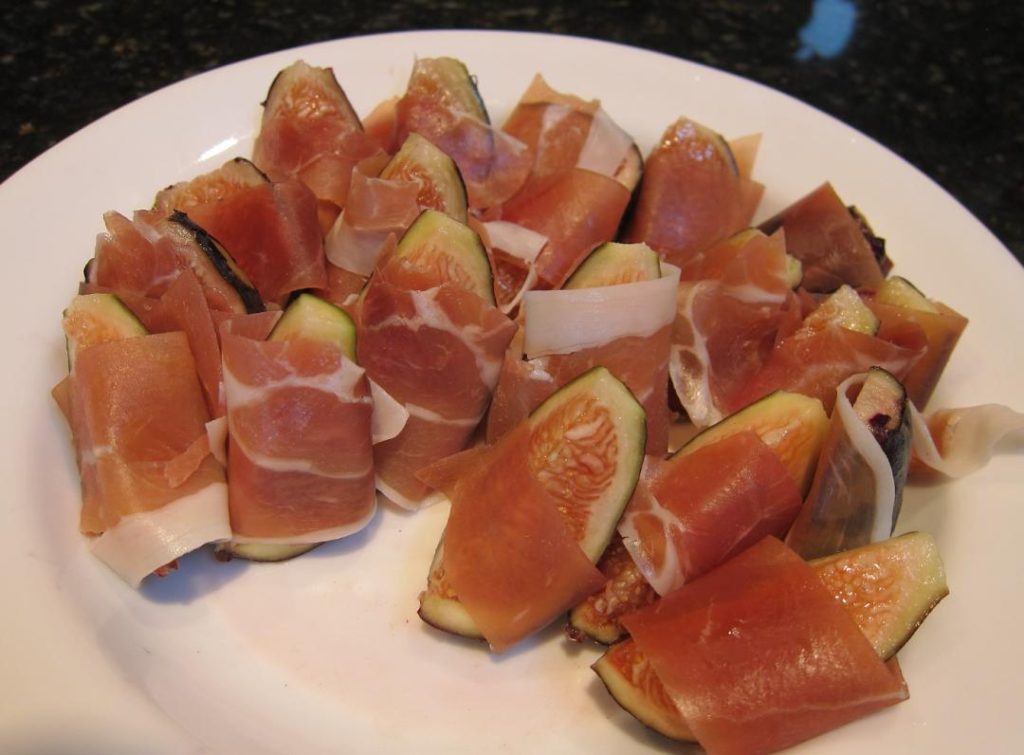
France also produces world-class hams. Jambon de Bayonne, from the Basque region in the southwest, is aged and air-dried to silky perfection. As an appetizer with cheese and wine, it’s hard to beat.
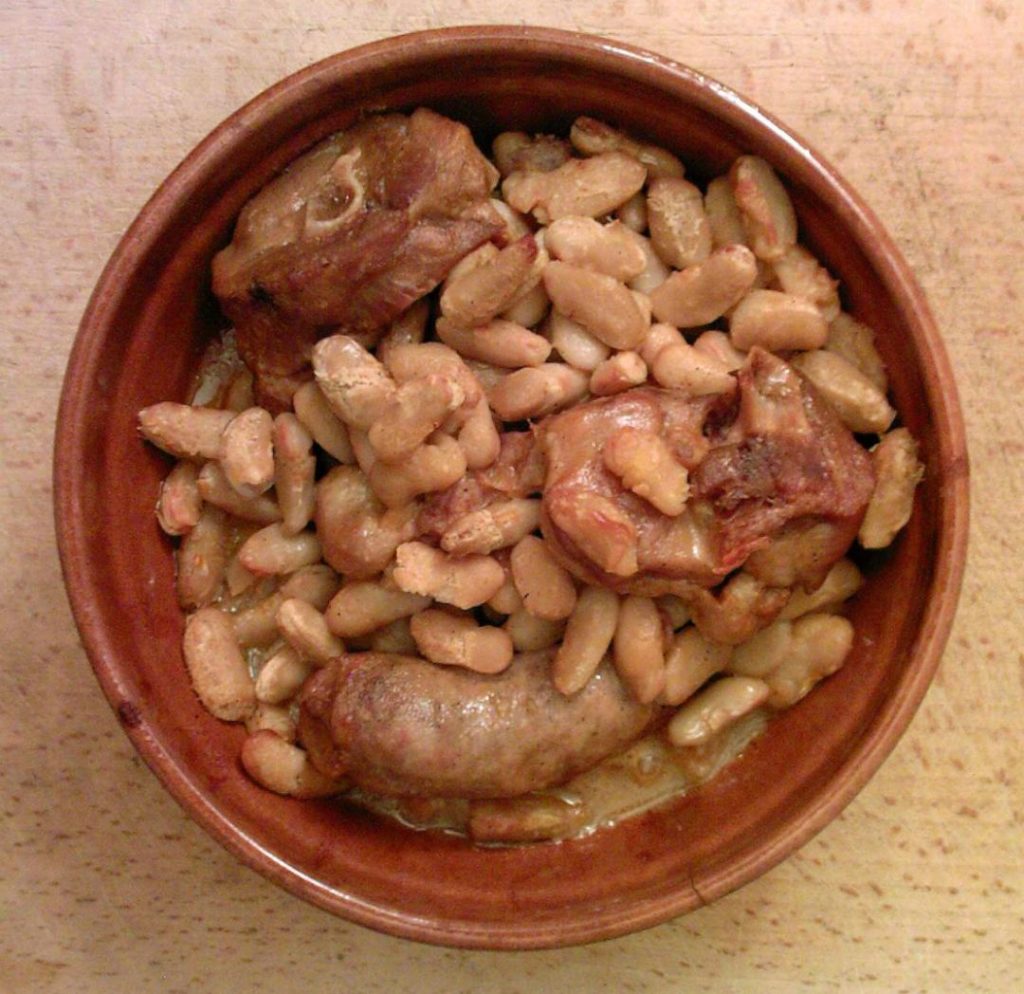
For a true taste of French home cooking, try Cassoulet. This hearty bean stew from the southwest layers thick-cut bacon (or pork shoulder), sausages, and white beans with vegetables, all simmered slowly in pork stock until the broth thickens and the meat falls apart. It’s cold-weather comfort at its finest.
Seafood: From Ocean to Plate
France’s long coastline means seafood lovers are spoiled for choice. And thanks to a certain uncle in a famous French story, even foreigners know to order oysters.
The French obsession with oysters runs deep. In Brittany, where most oyster farms are, families pack hammers, knives, and lemons for seaside picnics. The best oysters rush to Paris restaurants within days of reaching maturity.
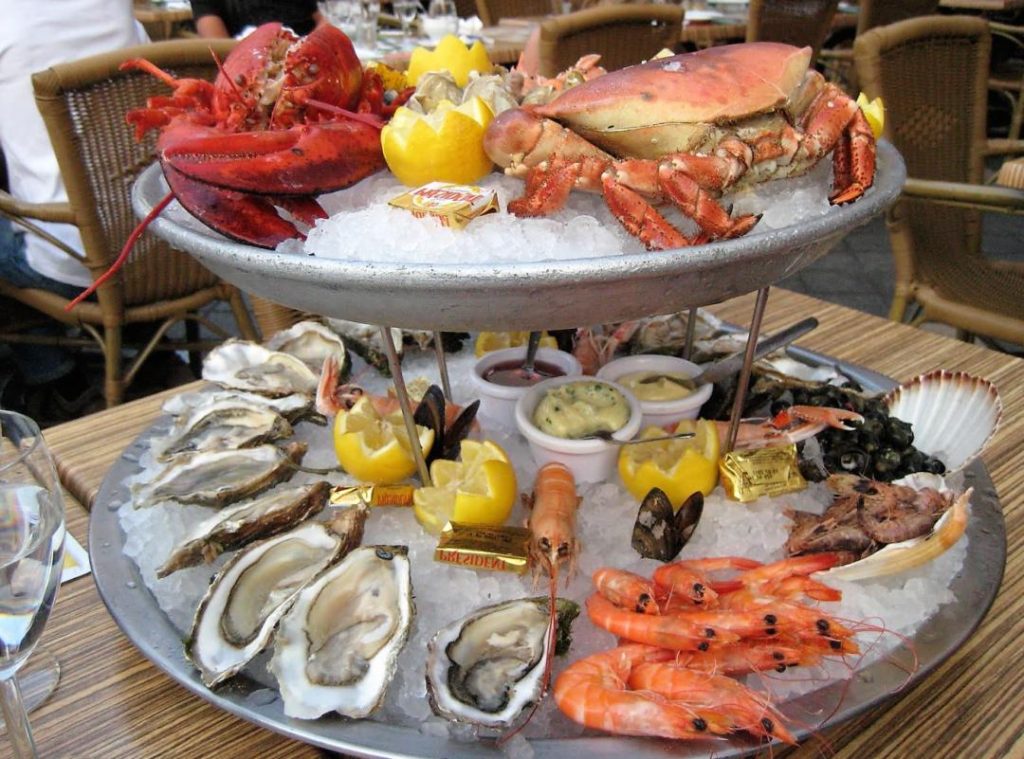
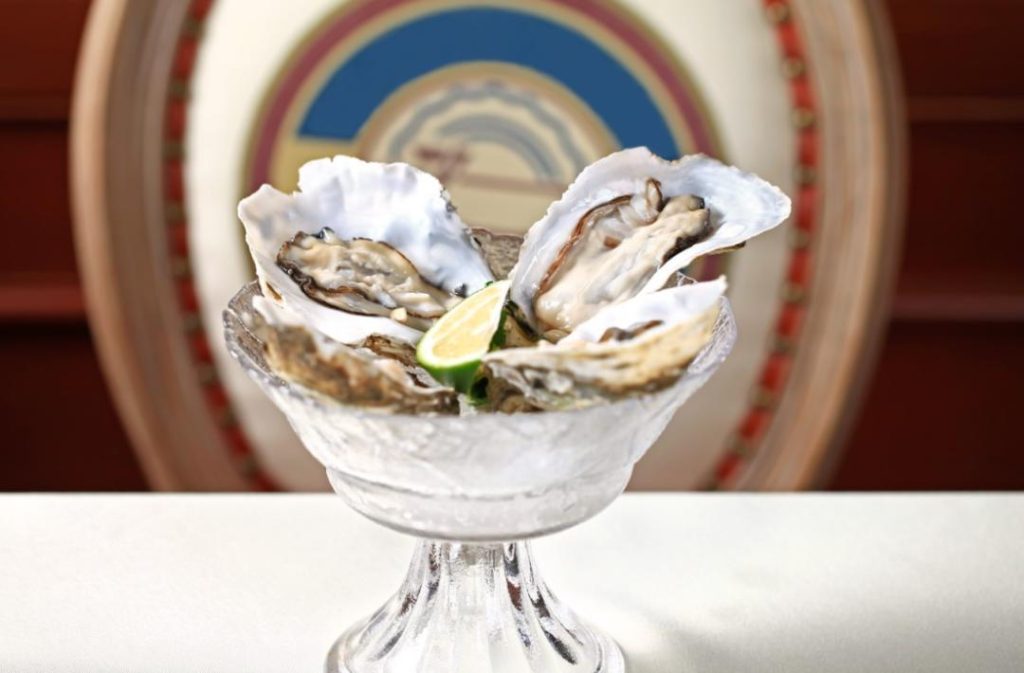
France cultivates about 30 oyster varieties. Favorites include Gillardeau, White Pearl, and Fine de Claire—medium-sized, briny, with a crisp finish and clean sweetness. Then there’s Belon, the “king of oysters.” Smaller, rounder, and packed with an intense metallic flavor that leaves your mouth tingling. Some find it overwhelming. Others consider it the only oyster worth eating.
Don’t chase size. Ask what’s in season. Medium-large oysters tend to be the crispest. And remember: French oysters arrive swimming in seawater, which tastes intensely salty on its own. A squeeze of lemon fixes that.
Bread: The Staff of Life
The French measure goodness by bread. A dull day is “a day without bread.” A good person is “as good as bread.” Someone worldly has “eaten more bread” than others. It’s that important.
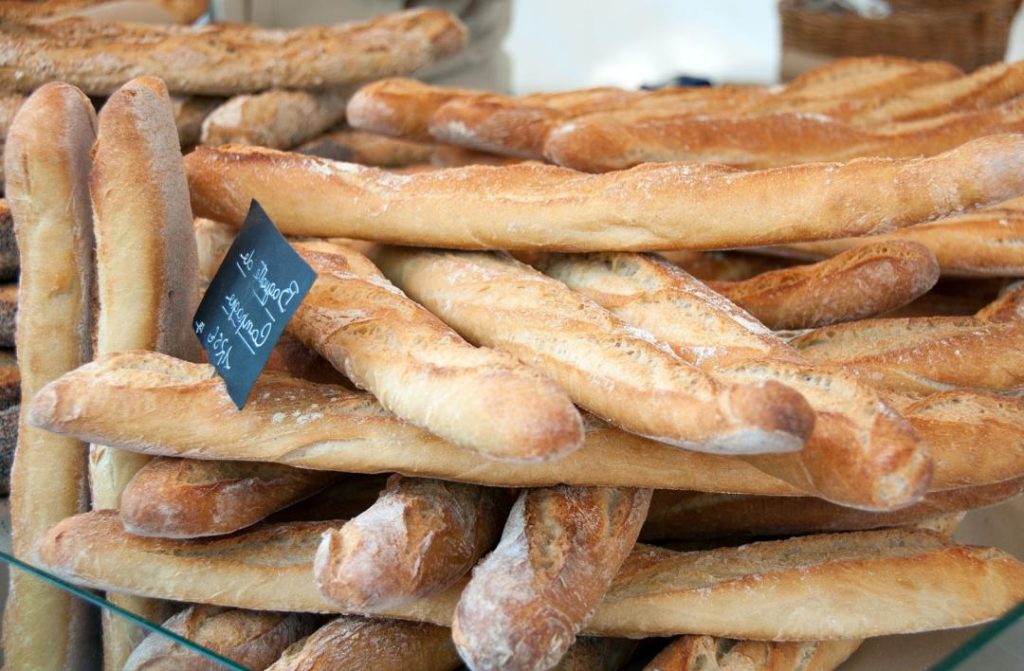
Baguette—the long, crusty loaf—is what everyone knows. Yes, day-old baguettes can indeed double as weapons. But fresh ones? Golden crust that shatters when squeezed, an airy, chewy interior with no oil or sugar. They’re served with appetizers or alongside main courses. Eat them the day they’re baked, or revive them in the oven.
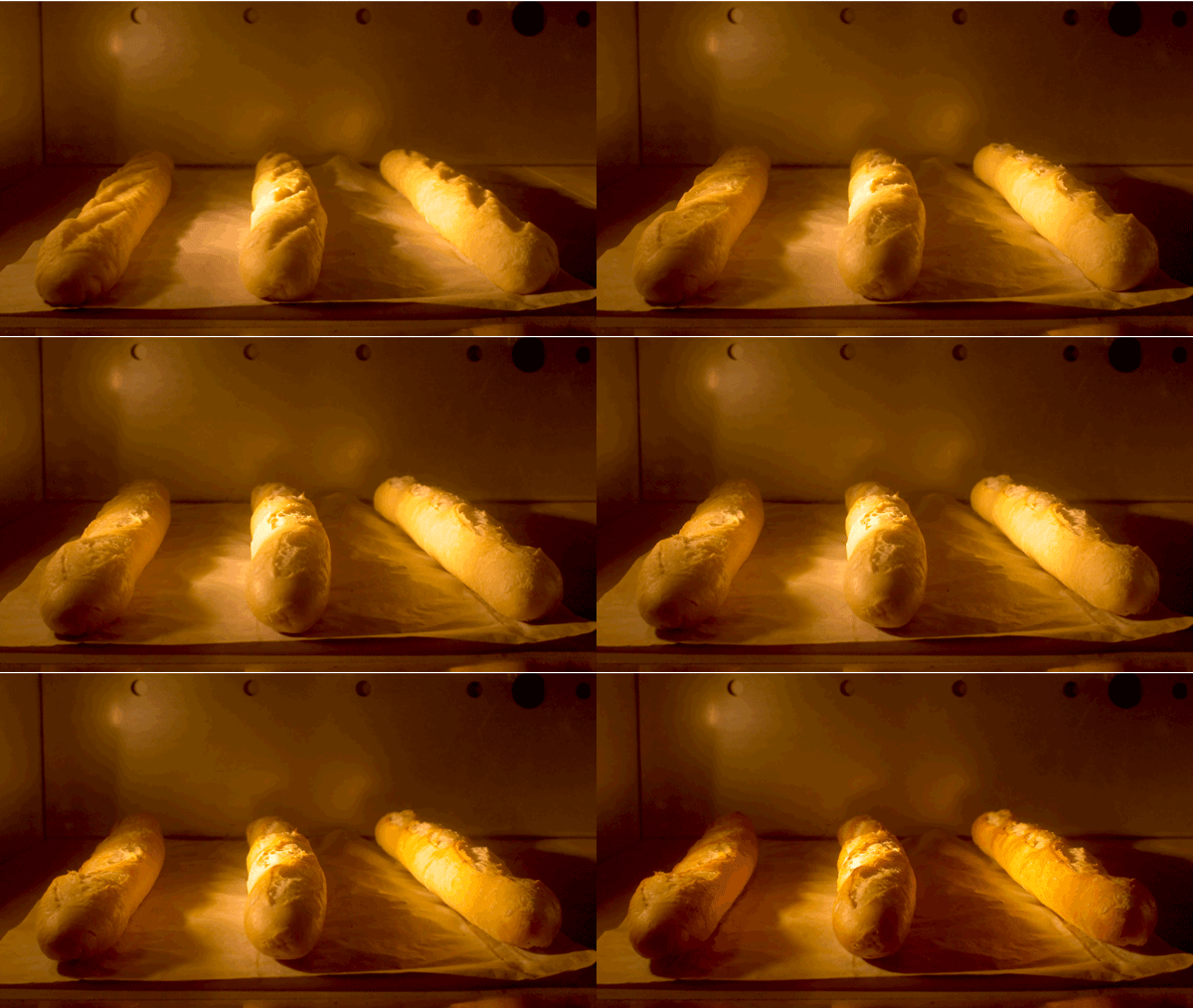
Variations exist: multigrain loaves with oats or rye, demi-baguettes for sandwiches, and ficelle—thinner, more delicate, sometimes called the “luxury baguette.”
Round loaves and whole wheat breads fill the “daily bread” category at every bakery.
Viennoiserie: Where Bread Meets Pastry
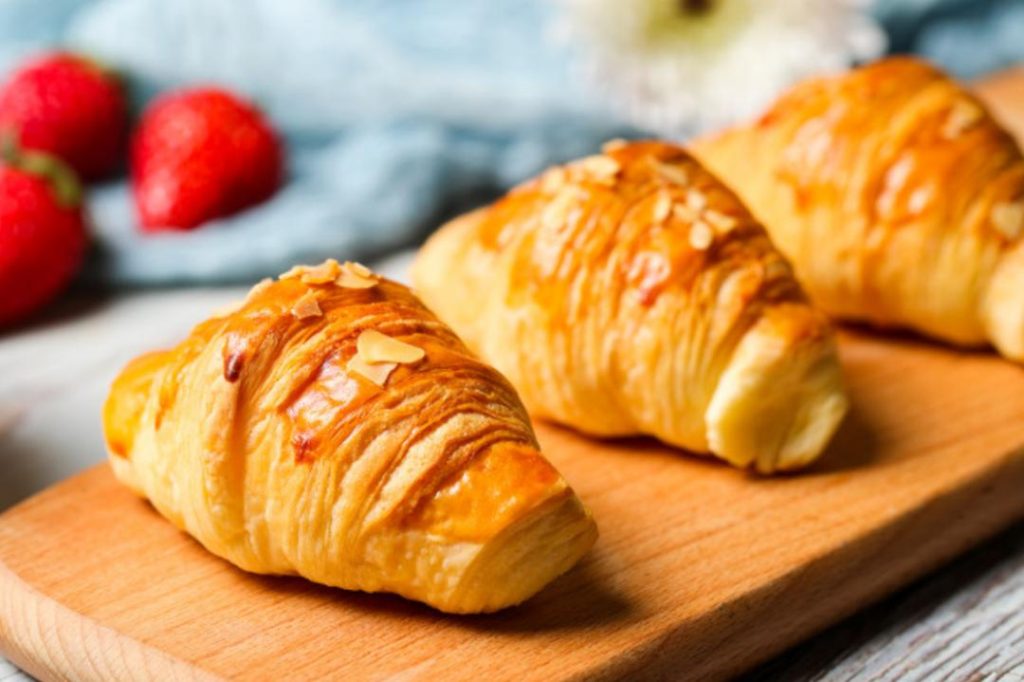
In the 19th century, an Austrian baker introduced France to a new kind of bread—lighter, sweeter, layered with butter. The French adopted it enthusiastically. Yes, even the iconic croissant is actually Austrian in origin.
Viennoiserie includes croissants, pain au chocolat, palmiers, apple turnovers, brioche—anything with that impossibly flaky, buttery texture. Bite through the shatteringly crisp layers, and the rich aroma of butter floods your senses. Pure happiness.
Like all good breads, these are best fresh from the oven, before the layers soften. Paired with black coffee to cut the richness, they define the French afternoon.
The Journey Continues
This is just a glimpse into French Food. Wine alone deserves its own volume. Cheese could fill another. Desserts, another still. Seafood, yet another.
But here’s the thing: the best way to learn is to go. Sit at a Parisian café. Order something you can’t pronounce. Let the waiter bring you whatever’s good. Taste the butter in that croissant, the brine in that oyster, the wine in that stew.
Because French Food isn’t just food. It’s a way of understanding why eating well matters.
And if there’s something specific you want to know—cheese, wine, desserts, anything—just ask. We’ve got plenty more to share.