




Ask someone who grew up in the Soviet Union during the 1960s and 70s about caviar, and you’ll likely get a grimace. “Oh, that stuff,” they might say. “Tasted terrible. But my mother made me eat it anyway. How did anyone ever think it was a luxury?”
The joke, of course, is that what they were eating probably wasn’t real caviar at all.
Today, China produces over 60% of the world’s caviar, making the delicacy accessible to everyone. You can buy a 10-gram jar for a few dollars, or a 200-gram tub for a little more. But check the label carefully. Somewhere, in small print, you’ll see the word: synthetic. 
This is the strange, fascinating story of how Soviet scientists, desperate to feed their nation, invented an ersatz luxury—and accidentally created a technique that would later become the foundation of molecular gastronomy.
The Grand Ambition: Caviar for the People
It began in 1957. At an agricultural workers’ conference, Nikita Khrushchev famously declared, “Catch up and surpass America!” He was talking about meat, butter, and milk production. But the unspoken goal was grander: demonstrate that socialism could provide not just necessities, but luxuries.
Caviar was perfect for this. It was exclusive. It was coveted. If the Soviet people could eat caviar, what couldn’t they achieve?
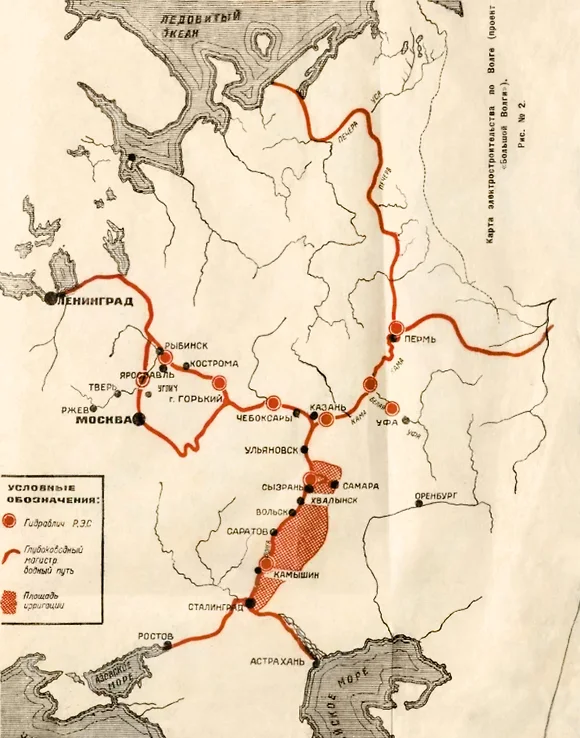
There was one problem. Caviar was expensive, and getting more so by the day. Starting in the 1950s, a series of dams on the Volga River began cutting off the ancient spawning routes of sturgeon—the fish that produce true caviar. Suitable spawning grounds shrank by 85%.
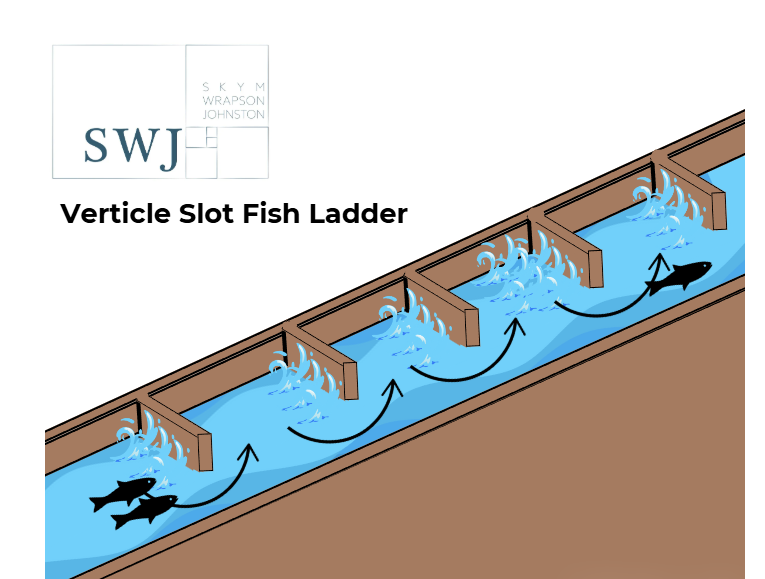
Soviet fisheries installed fish ladders to help sturgeon bypass the dams. But evolution, it seems, had poured all its energy into making sturgeon excellent at reproduction and not much into making them clever. The fish simply couldn’t figure out how to climb.
Sturgeon populations plummeted. Caviar became scarcer. The little that remained was mostly exported or sent directly to the Kremlin. If socialism couldn’t provide caviar, how could it claim superiority?
The Visionary: Alexander Nesmeyanov
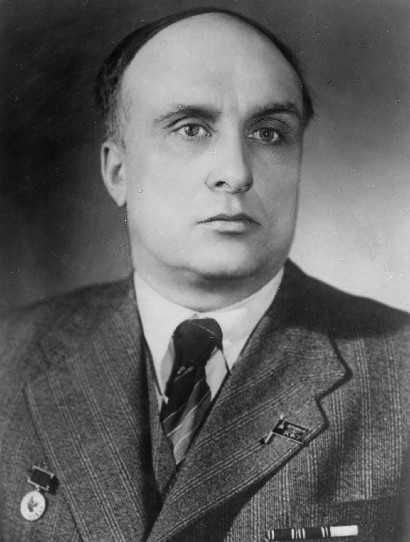
Enter Alexander Nikolayevich Nesmeyanov.
He was president of the Soviet Academy of Sciences, an organic chemist, and—perhaps crucially—a vegetarian. He had long argued that scientists should develop “meat without killing.” For Nesmeyanov, chemistry wasn’t just about molecules. It was about feeding humanity ethically.
His ideas aligned perfectly with Khrushchev’s ambitions. The plan was set.
Generation One: Protein Balls
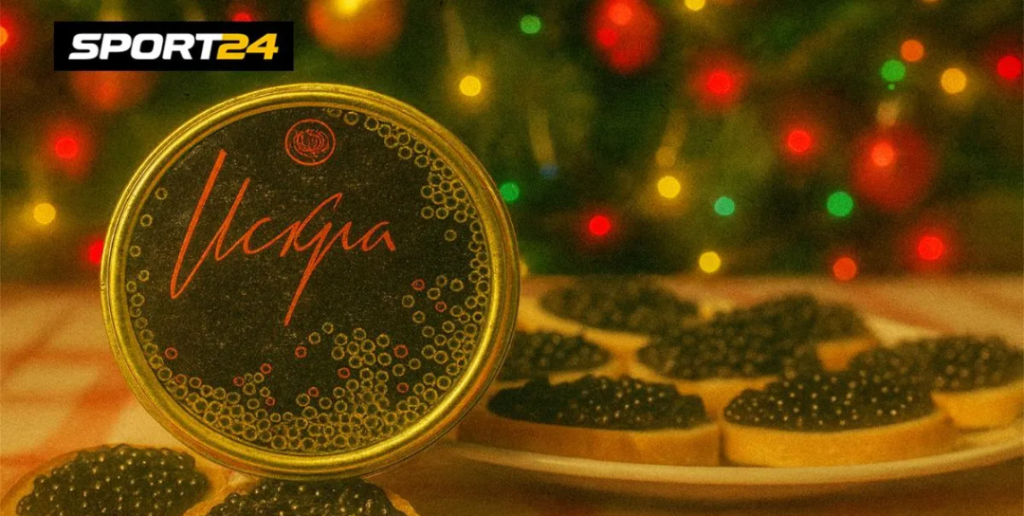
Under Nesmeyanov’s direction, the first synthetic caviar was born. They called it Iskra.
The recipe was disarmingly simple. Egg whites, black food coloring, and flavorings (including a small amount of fish paste, usually from herring) were mixed together. The liquid was then dripped through a syringe into hot oil—around 80-85°C.
What happens when egg white hits hot oil? It coagulates instantly.
Iskra was essentially black, herring-flavored beads of cooked egg white. The texture? Nothing like real caviar. There was no satisfying pop, no burst of briny liquid. The Soviet people weren’t fooled, and the scientists knew it.
Generation Two: The Cold Oil Method
Next came Igor Vitalyevich Kuznetsov, a researcher whose details have mostly faded from history. But his contribution was significant.
Kuznetsov replaced egg whites with other proteins—milk, soy, various extracts. He added gelatin and heated the mixture to around 60°C, melting everything into a liquid.
Instead of dripping into hot oil, he dripped the hot mixture into cold oil (5-10°C). The gelatin solidified instantly, forming tiny spheres.
The texture improved. There was a certain duang—a bouncy, jelly-like quality. But it still wasn’t caviar. Real caviar bursts. This was more like tiny gummy beads.
Generation Three: The Molecular Breakthrough
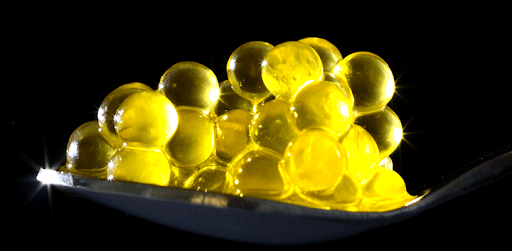
The third generation solved the texture problem. And it did so with a substance that would later change cooking forever: sodium alginate.
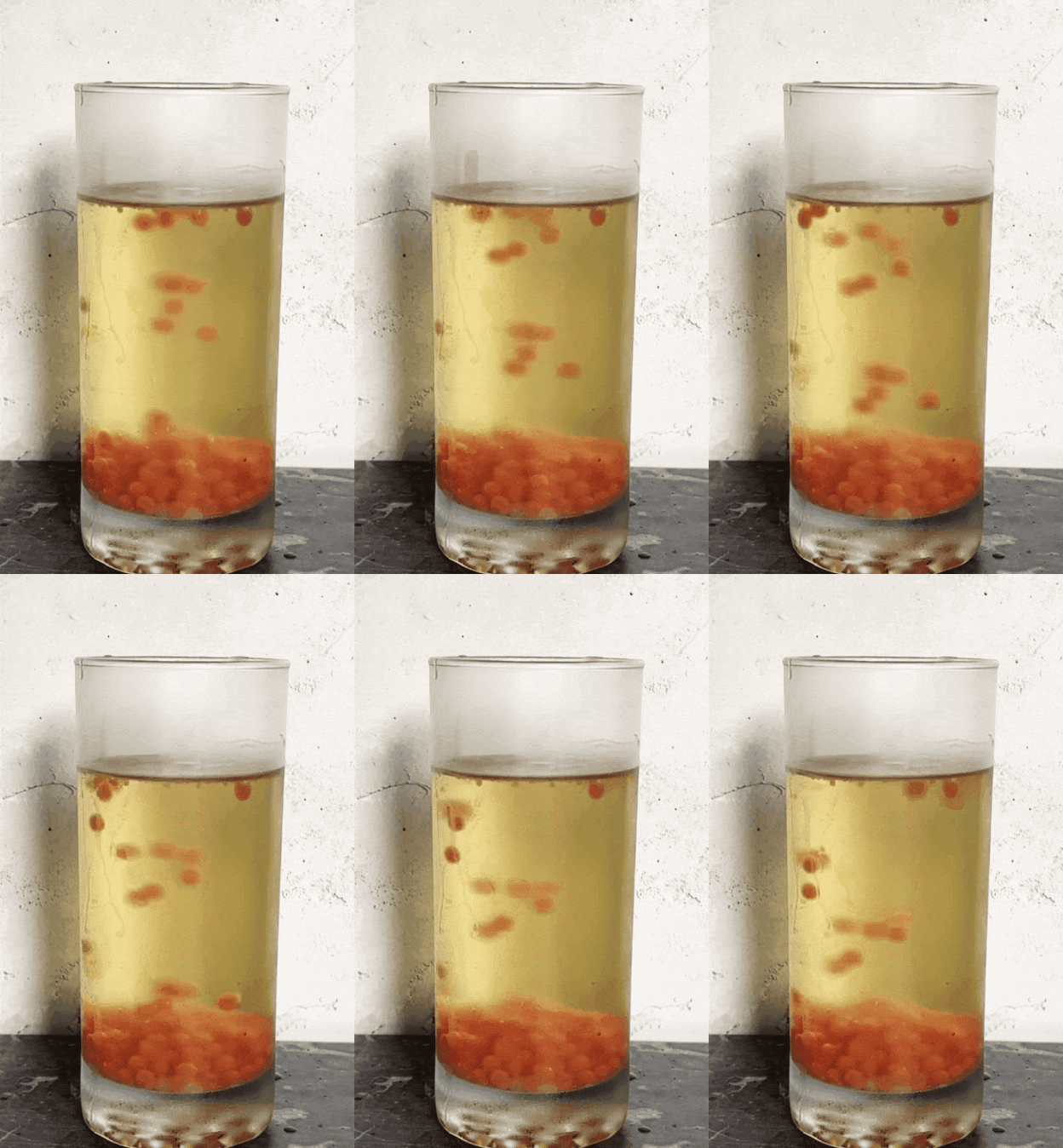
The science is beautiful in its simplicity. Sodium alginate—extracted from brown seaweed—dissolves in water. When a solution of sodium alginate is dripped into a bath of calcium chloride, something remarkable happens. Calcium ions instantly link with alginate molecules at the droplet’s surface, forming a thin, flexible membrane. The inside remains liquid.
That’s the pop. That’s the burst.
This technique, developed by Soviet scientists in the 1970s, produced synthetic caviar that actually mimicked the texture of real sturgeon roe. Color it black, flavor it with fish essence, and you had something close to the real thing.
The Soviets had succeeded. Synthetic caviar could be produced in quantity, at scale, for the people.
The Irony: From Socialist Necessity to Michelin-Starred Luxury
Here’s where the story takes a strange turn.
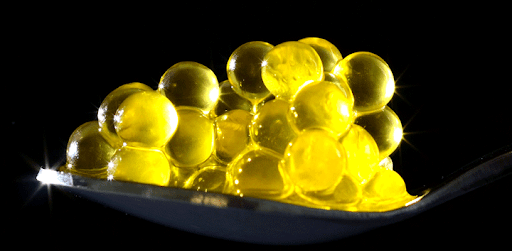
In the 1990s, a Spanish chef named Ferran Adrià began experimenting with this technique. At his restaurant elBulli, he transformed the Soviet method into something entirely new. He made olive oil spheres that burst in the mouth like caviar. He applied the technique to fruits, vegetables, and purees.
He called it molecular gastronomy.
Adrià’s creations won Michelin stars. His restaurant became legendary. The technique that Soviet scientists had developed to feed the masses became the signature of the world’s most exclusive dining rooms.
The irony is almost too perfect. Soviet scientists created synthetic caviar so everyone could afford it. Three decades later, European chefs turned it into a luxury that almost no one could afford.
The Legacy
Today, synthetic caviar—often called “imitation caviar” or simply “caviar-style” product—is everywhere. You’ll find it in sushi rolls, on canapés, in budget-friendly spreads. Most people have eaten it without knowing the fascinating history behind those little black beads.
And somewhere, perhaps, a former Soviet citizen still wrinkles their nose at the memory. “That stuff,” they might say. “Terrible. But my mother made me eat it.”
They were eating the future of food. They just didn’t know it yet.