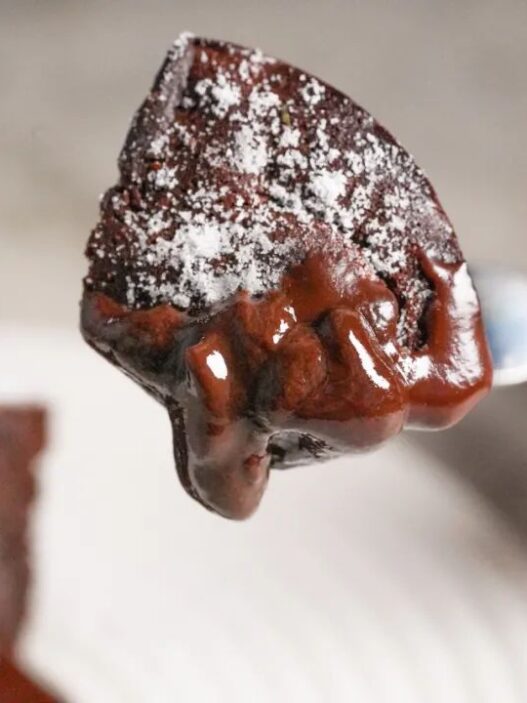



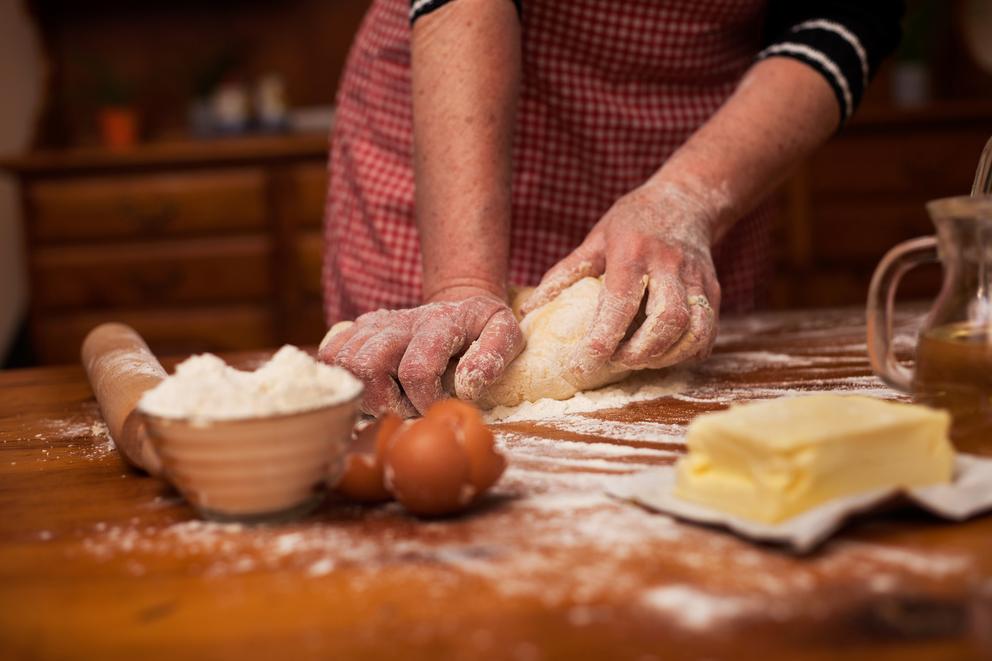
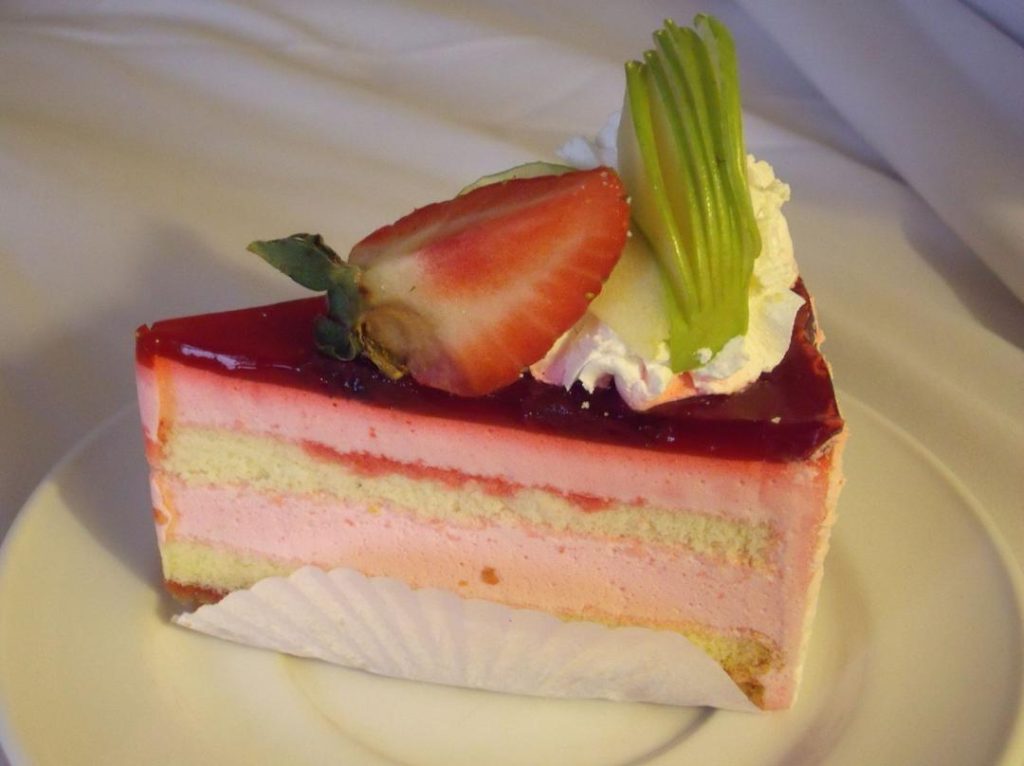
For a traditional Chinese palate accustomed to classic pastries and rice cakes, the Western cake entered as a foreign concept—and immediately conquered. Fruit and cream cakes became the taste memory of an entire generation. Then came chiffon, tiramisu, and old-fashioned castella. Each looks different. Each tastes different. Yet somehow, they all belong to the same family. To understand why, we must dive into Cake History—the strange, winding journey that took us from medieval bread ovens to Renaissance biscuit pans, from Viking voyagers to Arab sugar refiners, and from a French queen’s famous misquote to the spongy, cloud-like layers we eat today. Let’s trace the fascinating path of Cake History.
When “Cake” Meant “Bread”
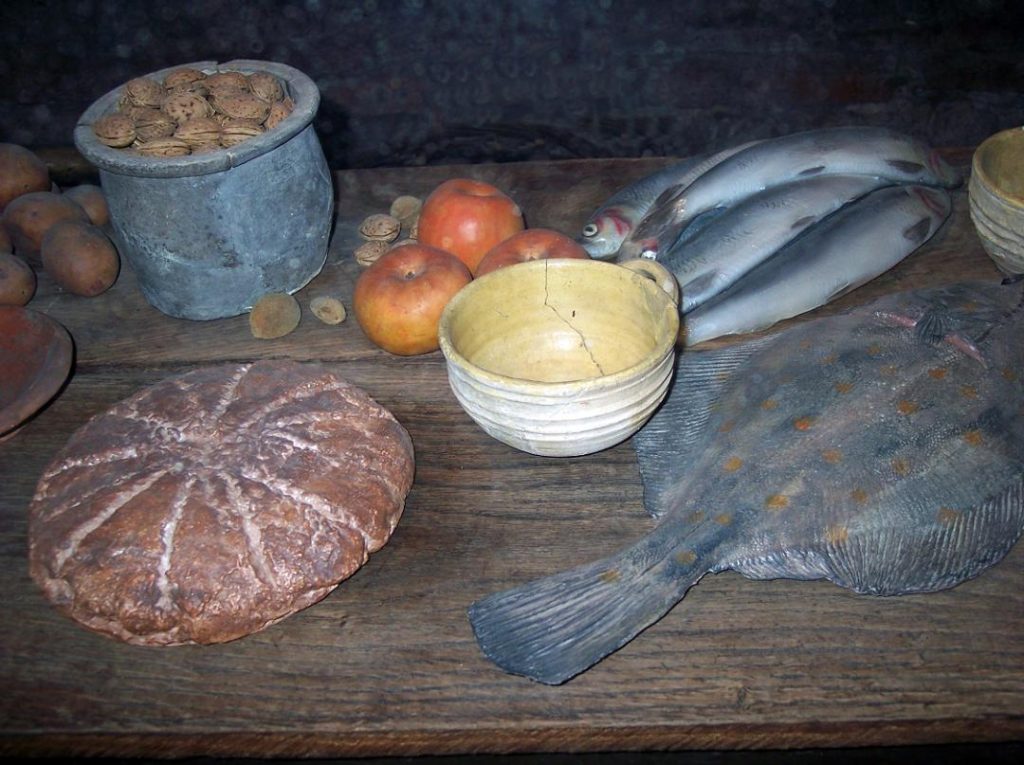
Compared to bread or steamed buns—foods with thousands of years of history—cake is surprisingly young. The word “cake” only appeared in English in the 13th century, derived from the Old Norse kaka, meaning a flat or thin baked dough. That description—flat, thin, baked dough—sounds nothing like the fluffy confection we know. It sounds like bread. Because back then, it was.
The French connection is even clearer. Gâteau entered modern French in the 18th century, but its ancestor, guastel, referred to fine white bread—distinct from ordinary pain (bread). 
Here’s the context: wheat, native to the Fertile Crescent, struggled in Europe’s poorer soils. In the medieval era, pure wheat bread was a luxury.
- The poor: Ate “horse bread”—bean and grain mixtures, or bran bread made from husks and chaff. Oat or barley bread, when available, was marginally better but still dense and flavorless.
- The middle class: Mixed wheat with oats or barley. Rye bread with the bran still intact was common in comfortable households—better than horse bread, but still coarse and hard.
- The rich: Ate whole wheat bread (bran retained) or, even better, white bread made from refined flour. The finest white bread was pandemain—flour sifted multiple times, expensive, and reserved for the elite.
In the long, dark centuries of medieval Europe, what people called “cake” was simply the best bread at the top of a rigid social hierarchy.
Bread Gets Rich: Butter and Sugar Enter the Picture
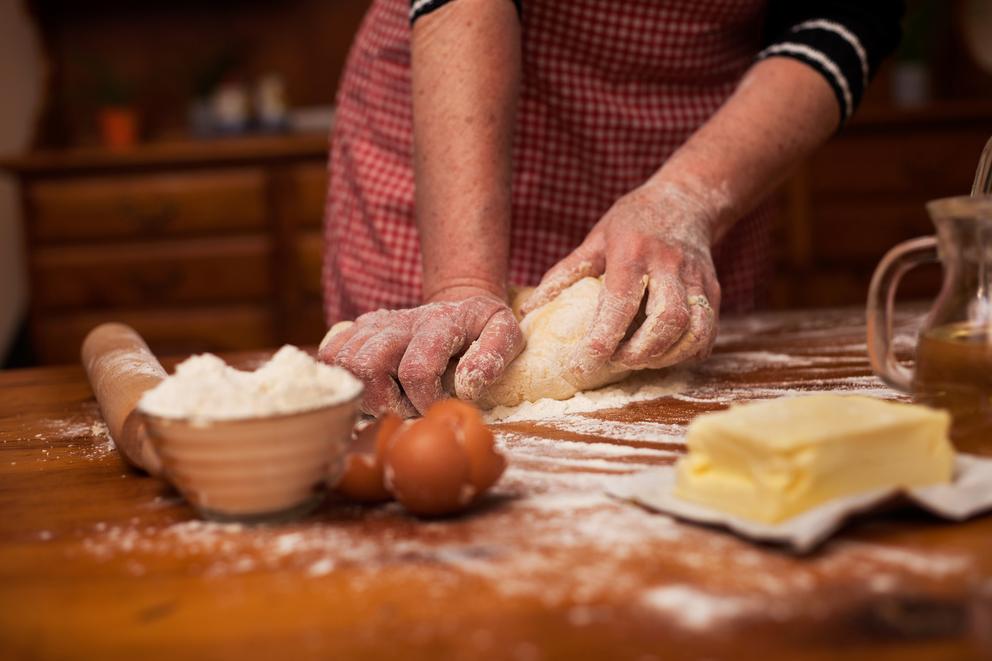
Bread alone was dry and hard. Europeans dipped it in olive oil to soften it—a practice dating back to ancient Rome. But why dip after baking when you could add the fat before?
Olive oil stayed liquid. Mixed into dough too early, it coated flour proteins and prevented gluten formation. The dough wouldn’t come together. The bread wouldn’t rise.
Butter solved this. Solid at room temperature, it could be worked into dough easily, adding richness and helping bread rise higher.
But butter had an image problem. In early medieval Europe, olive oil was the noble fat. Butter was barbarian food.
That changed with the Viking Age. Norse seafarers brought dairy culture south. By the late Middle Ages, butter was common, if expensive. Its baking advantages became obvious.
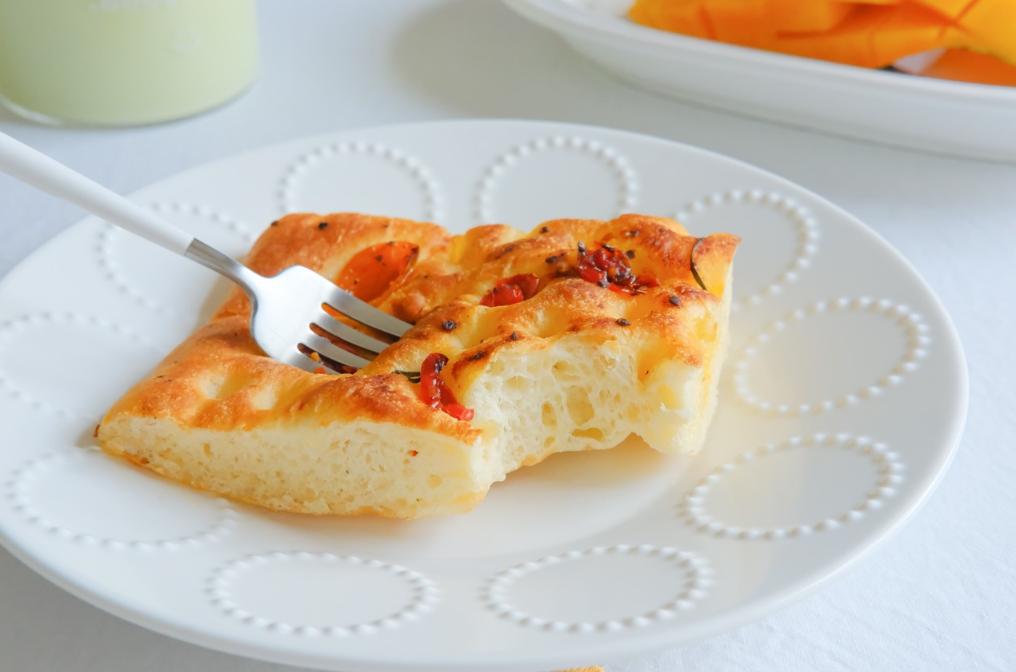
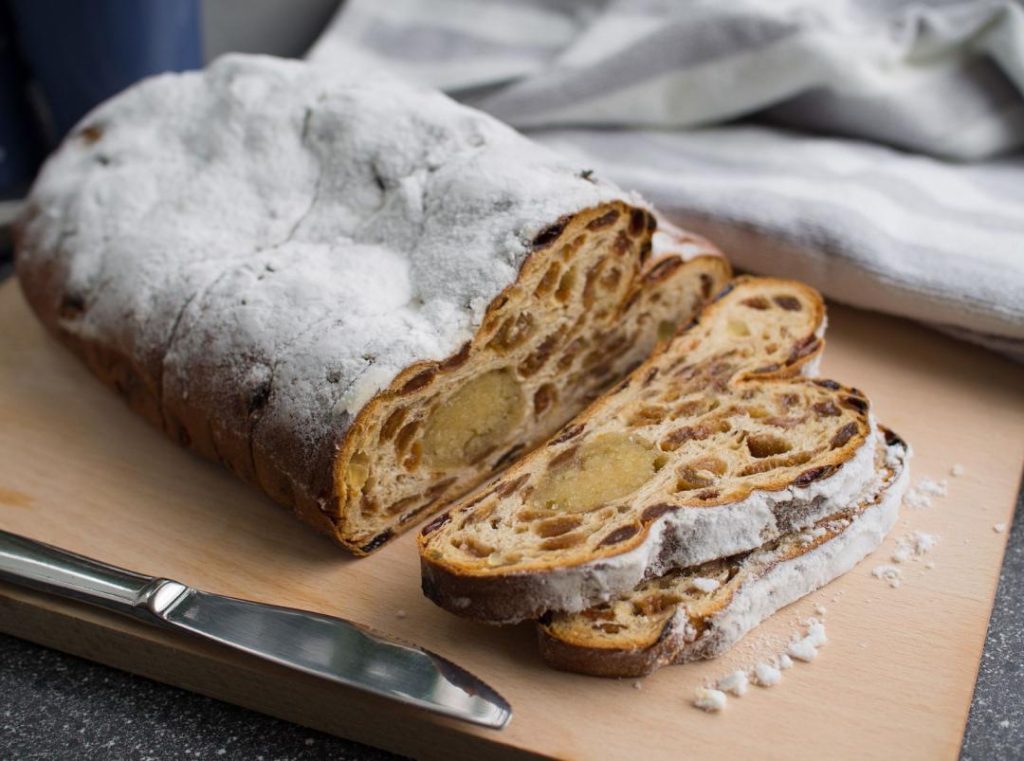
This era gave us the great enriched breads of Europe: Stollen, Panettone, Pandoro—Christmas treats loaded with butter, sugar, and dried fruit.
The Church eventually relented. In the early 16th century, Rome lifted the ban on butter during Lent.
Then there was Brioche. Born in the 15th century, it became synonymous with luxury when Marie Antoinette arrived in France. No water. Heavy butter and eggs—sometimes 50% butter by weight. Crisp outside, impossibly soft inside.
Her famous phrase—”Let them eat cake”—was actually “Let them eat brioche.” The quote may be apocryphal, but it cemented brioche as the ultimate symbol of indulgence.
By the late Renaissance, “cake” no longer meant plain white bread. It meant enriched, sweetened, buttery bread—eaten as dessert, not sustenance.
The Real Revolution: From Biscuit to Sponge
Here’s where the family tree branches in an unexpected direction. Modern cake doesn’t descend from enriched bread at all. It descends from biscuit.
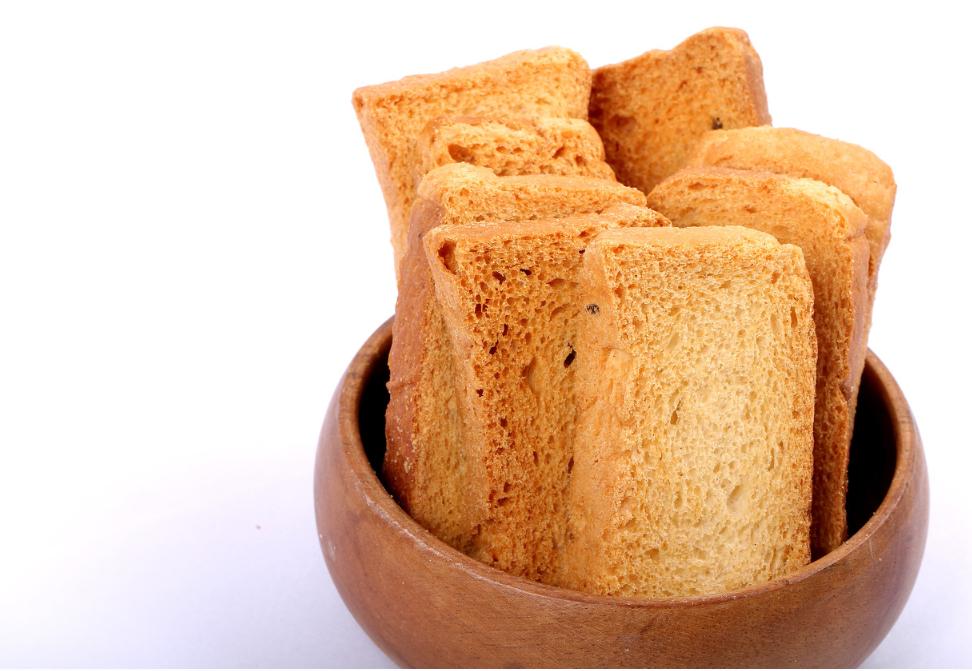
Biscuit began as a preservation technique. Slice baked bread thin, dry it in the oven a second time, and you get something that lasts for months. The Arabs, who mastered sugar refining, sweetened this dried bread—creating the first true biscuits. When they occupied the Iberian Peninsula, these sweet, crunchy wafers spread across Europe.
But making biscuit this way was inefficient. First, bake bread. Then, slice and dry it. Too much work.
In 15th-century Spain, bakers found a shortcut: skip the dough entirely. Make a batter instead.
Here’s the genius: batter doesn’t need gluten. No kneading. No fermentation. Just mix, pour, bake. Thin batter dries quickly, saving fuel. And with the arrival of the birch whisk, cooks learned to whip eggs until frothy, trapping air that replaced the need for yeast.
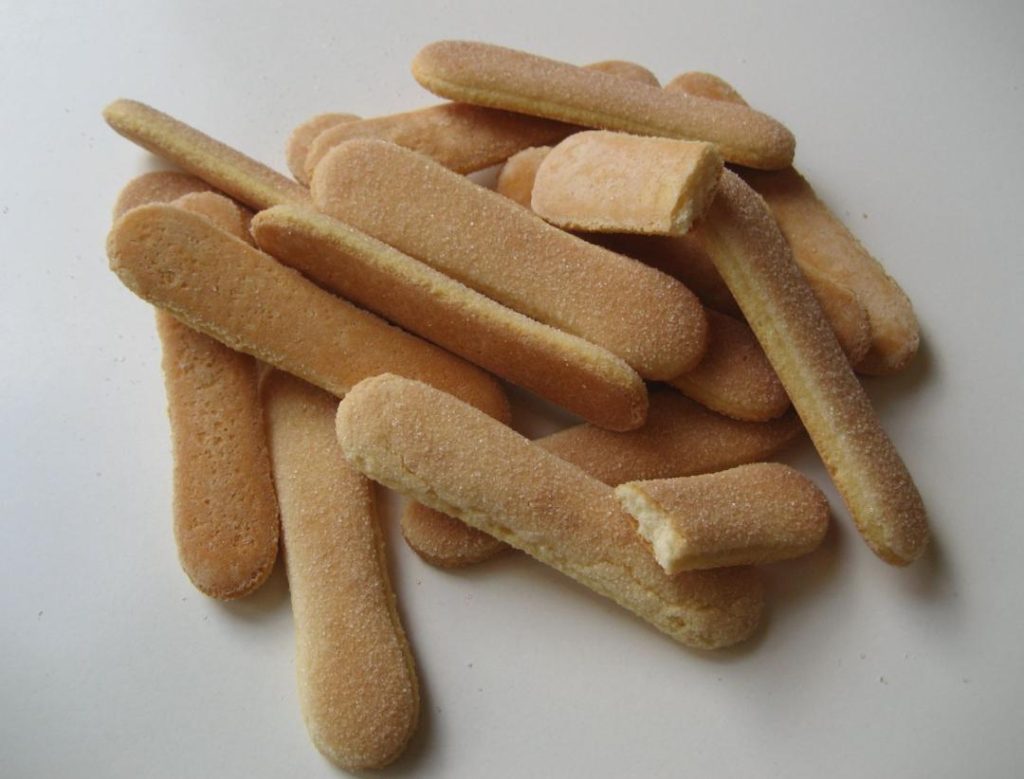
The result was ladyfingers—slender, crisp biscuits shaped like a flamenco dancer’s fingers. Light, sweet, and perfect for snacking.
But bakers soon discovered something else. If you stopped the process before the batter dried completely, you got something entirely new. Soft. Moist. Springy. Porous.
Sponge cake was born.
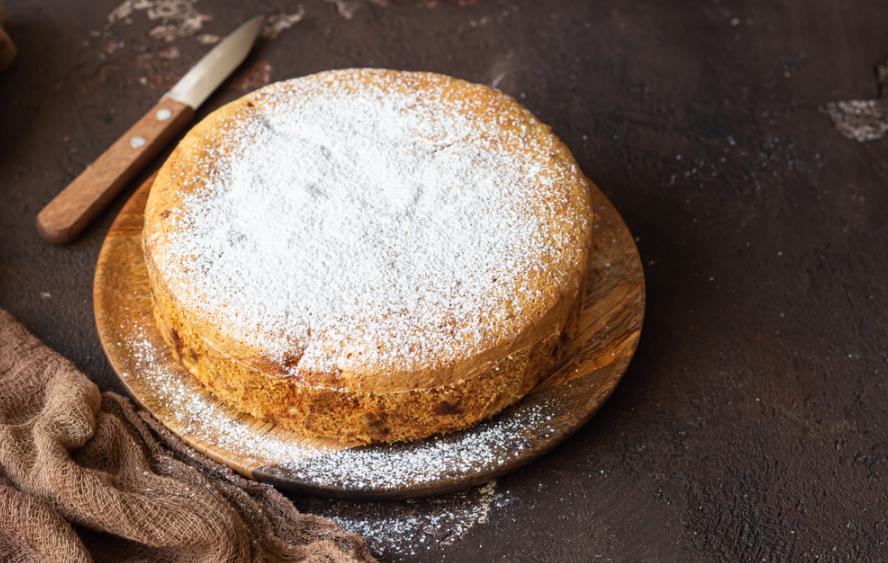
Unlike bread—dense and hearty—sponge cake was airy and delicate. Unlike biscuit—crisp and dry—it was tender and moist. It required no yeast. It was the first truly modern cake.
The Sponge Family Spreads
By the mid-16th century, three sponge cakes appeared almost simultaneously:
- Genoise from Italy (or Spain—historians debate)
- Castella from Portugal, which traveled to Japan and became a national treasure
- Malay cake from Malacca, where it merged with Peranakan cooking techniques
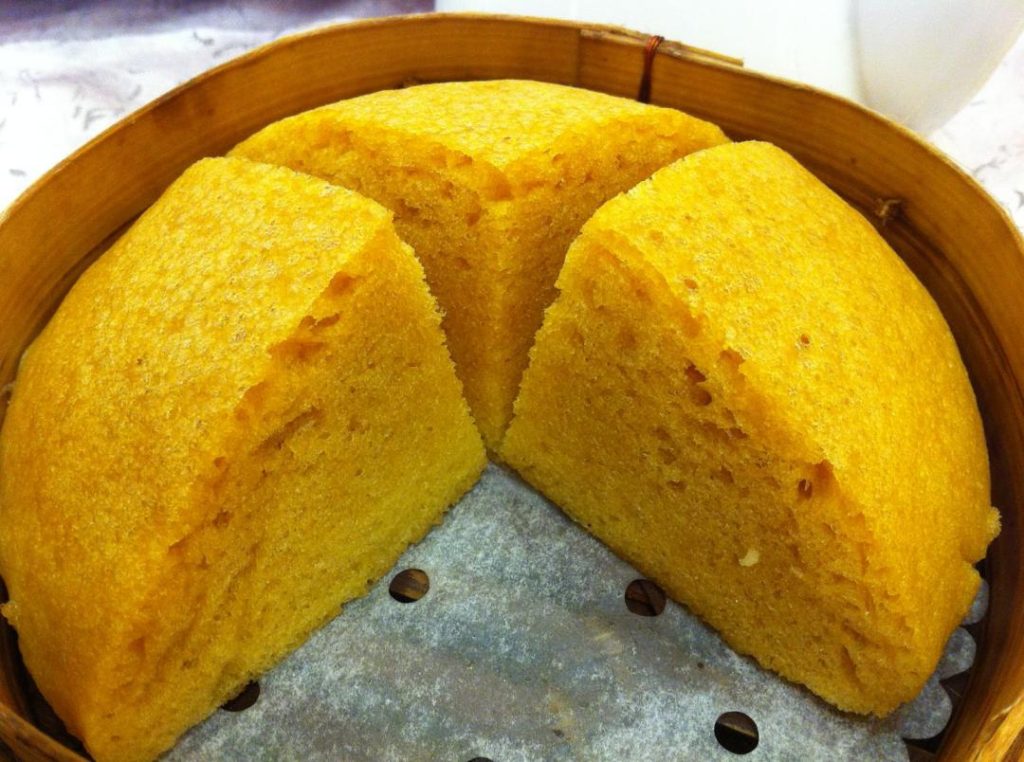
Which came first? We may never know. But here’s a provocative thought: sponge cake might not be purely European. The earliest Genoise recipes describe a bain-marie (water bath) baking method. Malay cake, deeply influenced by Nyonya cuisine, was steamed—not baked at all.
Sponge cake may have absorbed Asian cooking techniques from the very beginning.
The Endless Variations
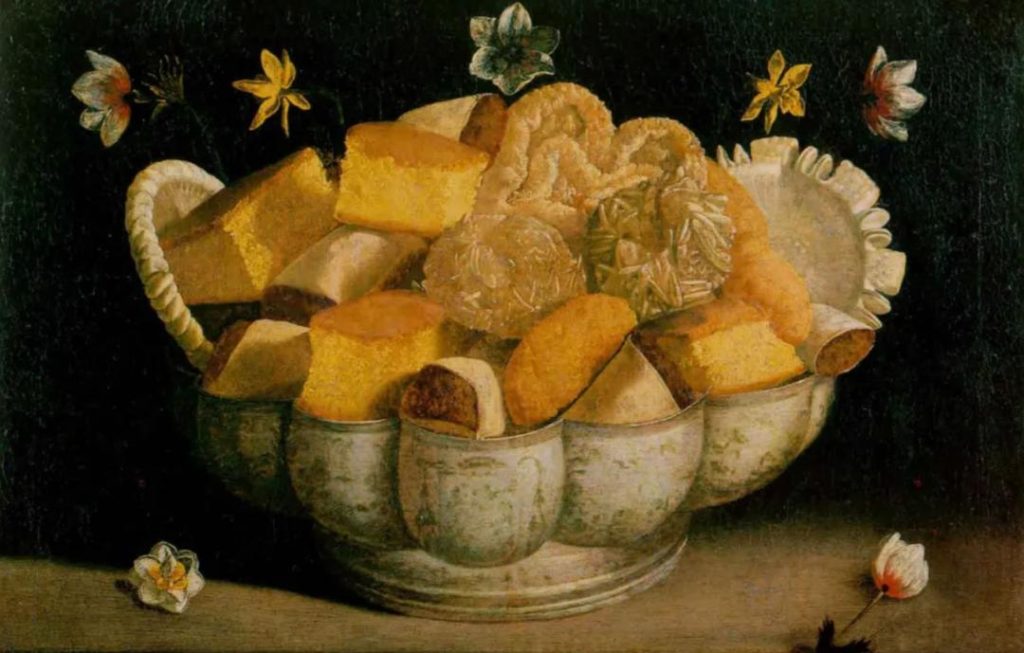
Today, the sponge family is vast. French biscuit sponge. Chiffon cake (oil-based, impossibly light). Joconde (almond sponge). Dacquoise (nut meringue layers). Cotton cake (even fluffier than chiffon).
These aren’t separate inventions. They’re variations on a theme: whipped eggs, gentle folding, careful baking. Each one a descendant of that first batter biscuit, that accidental discovery, that moment when someone pulled a soft, springy cake from the oven and realized they’d made something new.
The Cake We Know
From Viking kaka to Marie Antoinette’s brioche, from Arab biscuit to Japanese castella—cake has traveled further and changed more than almost any food we eat. This Cake History reveals that it was once bread for the rich, then became butter-laden dessert bread, and finally transformed into something entirely its own: a yeast-free, egg-leavened, impossibly tender creation that exists somewhere between bread, biscuit, and confection.
That’s the cake you eat today. A long Cake History, baked into every bite.