




Top Pet Fox Species and How to Care for Them
Foxes may look like charming little dogs, but they are far from typical pets. Belonging to the same biological family as dogs—the Canidae—foxes combine intelligence, agility, and a wild spirit that makes them both fascinating and challenging companions.
Unlike most domesticated animals, foxes are exceptional climbers and natural escape artists. Their playful personalities and expressive behaviors can be incredibly entertaining, but raising one at home requires commitment, patience, and specialized care. From litter training to proper socialization, owning a fox is nothing like owning a dog or cat.
Before bringing one home, it’s essential to understand that laws regarding exotic pets vary widely. Depending on where you live, a fox might be classified as wildlife, a non-domesticated species, or an exotic animal. Always confirm legality before considering adoption. 
Important Things to Know Before Getting a Pet Fox
Owning a fox isn’t for everyone. These animals are highly energetic and require constant mental stimulation. They mark territory using urine, have strong instincts to dig, and need plenty of enrichment activities to stay healthy and happy.
You’ll also need access to a veterinarian experienced in treating exotic animals. A proper habitat, specialized diet, and daily interaction are non-negotiable. Simply put, foxes demand far more effort than traditional pets.
01. Fennec Fox
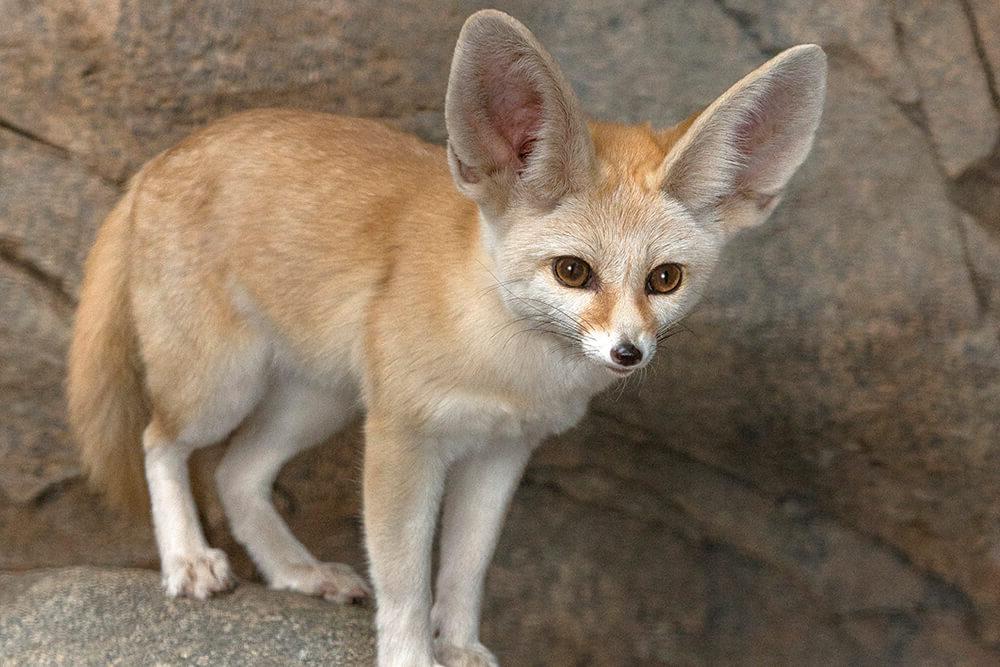
The Fennec fox is arguably the most popular pet fox species. Known for its oversized ears and tiny body, it’s both adorable and full of personality.
Despite their charm, they can be quite nippy and may not do well around small children or other pets. As the smallest fox species, they are fragile and require gentle handling.
Fennec foxes are also highly vocal, producing a surprising range of sounds—from soft whimpers to high-pitched shrieks.
Species Overview
- Length: 12–16 inches
- Weight: 2–4 pounds
- Appearance: Cream-colored fur, large bat-like ears, furry feet
02. Red Fox
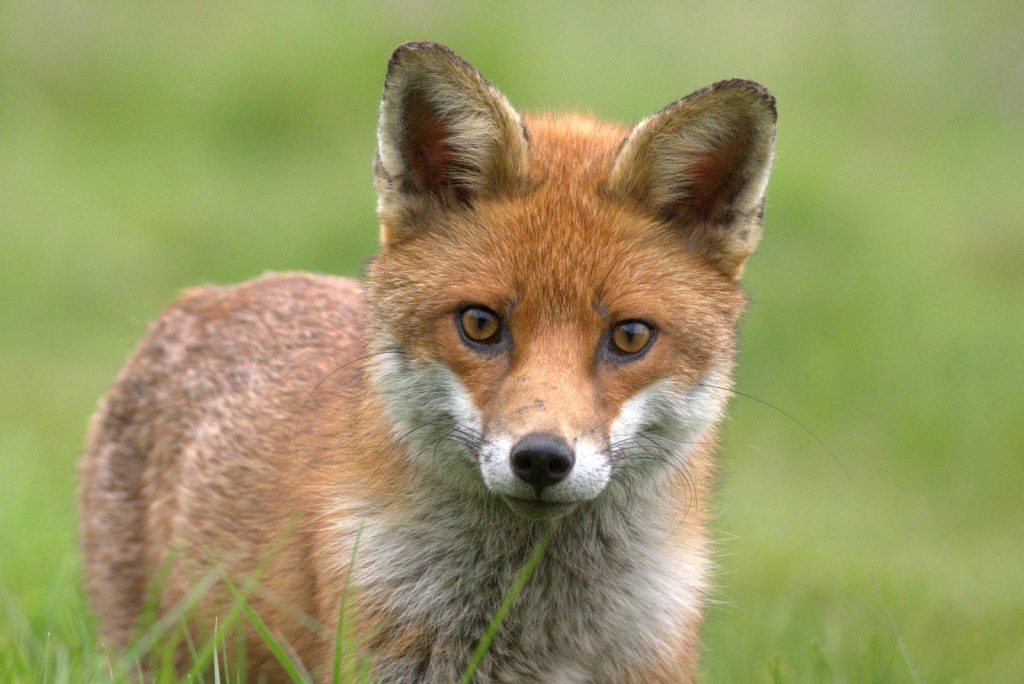
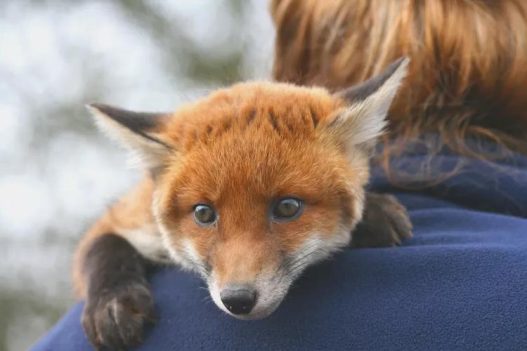
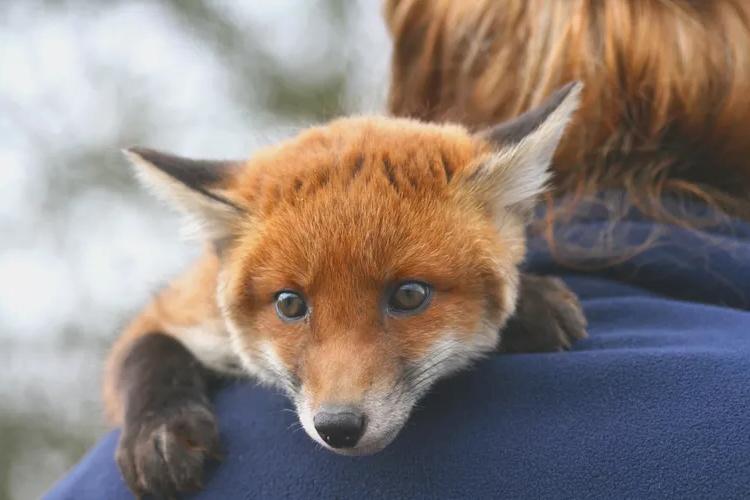
The Red fox is one of the most recognizable fox species in the world. While less common as a pet, some owners describe them as having personalities similar to cats.
However, they come with notable challenges. Their urine has a strong odor, and they love digging, which means they require ample outdoor space.
Species Overview
- Length: 36–42 inches
- Weight: 8–15 pounds
- Appearance: Reddish coat, black legs, white-tipped tail
03. Silver Fox (Domesticated)
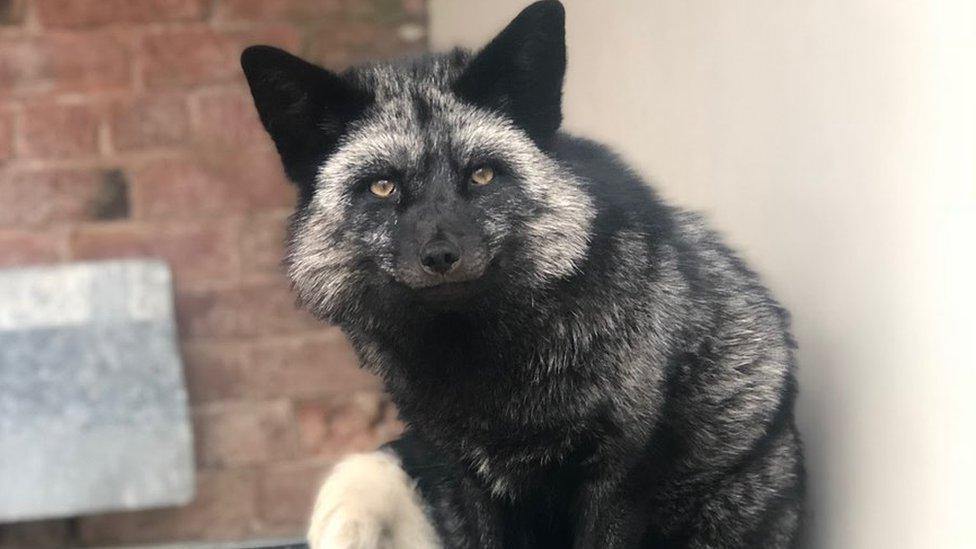
The domesticated Silver fox is a special variant of the red fox developed through selective breeding in Russia.
These foxes are known for their dog-like behavior, including wagging their tails and responding to human interaction. Compared to other foxes, they tend to have milder odors and calmer temperaments.
Species Overview
- Length: 36–42 inches
- Weight: 8–15 pounds
- Appearance: Silver-gray coat with white-tipped tail
04. Arctic Fox
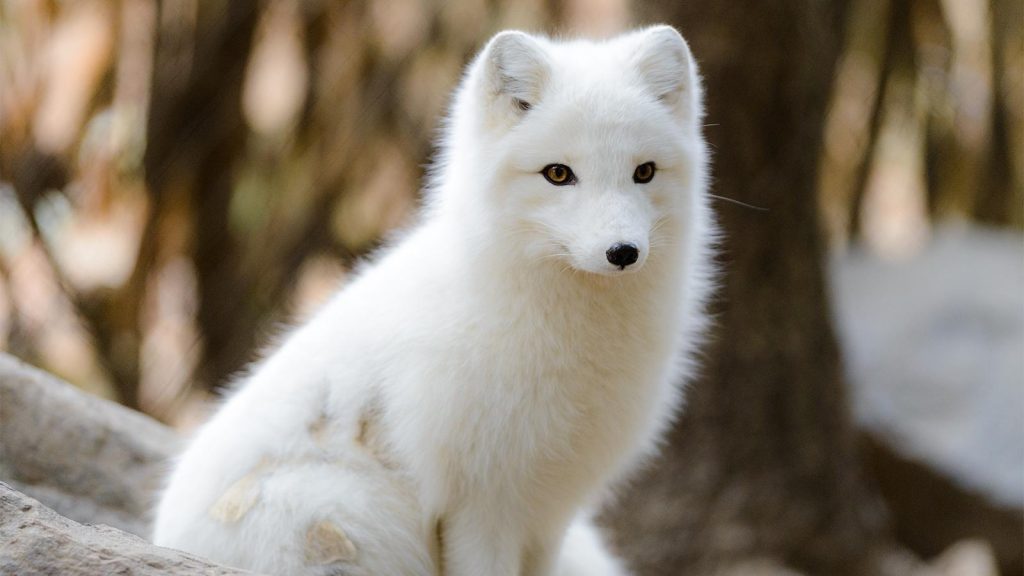
The Arctic fox is built for extreme cold environments. Its thick coat changes color with the seasons, helping it blend into snowy landscapes.
However, this adaptation makes it sensitive to heat, meaning it can easily overheat in warmer climates. Like many foxes, it also has a strong scent, making indoor living difficult.
Species Overview
- Length: ~28 inches
- Weight: 6–10 pounds
- Appearance: White winter coat, darker summer coat
05. Gray Fox
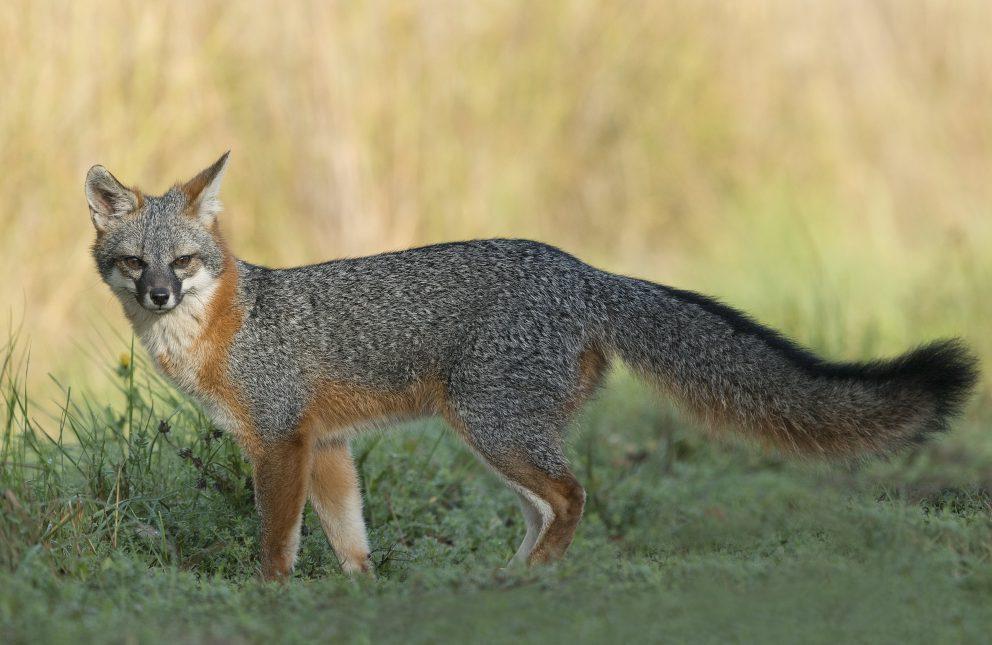
The Gray fox is often considered one of the calmest fox species. They are more tolerant of humans compared to other foxes, though still not fully domesticated.
They tend to be less pungent than red foxes, but they can still cause damage indoors due to digging and chewing behaviors.
Species Overview
- Length: 31–45 inches
- Weight: 8–14 pounds
- Appearance: Gray coat with reddish tones
06. Bat-Eared Fox
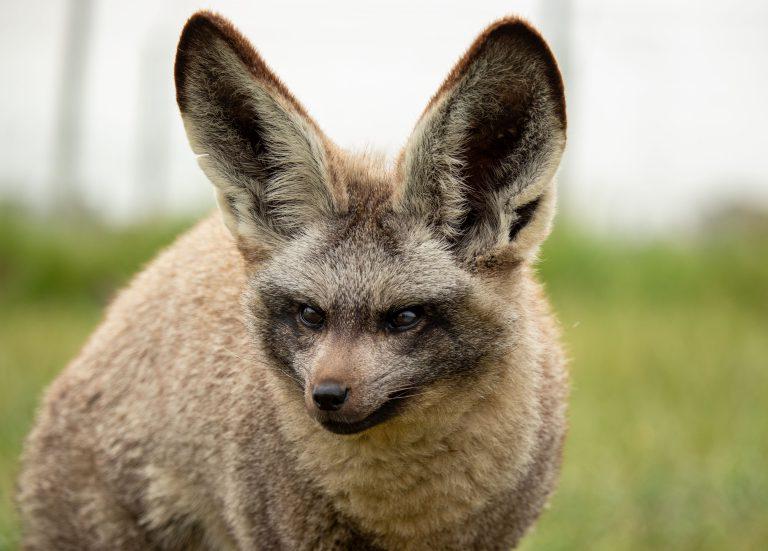
Native to Africa, the Bat-eared fox stands out with its unusually large ears.
Its diet is unique—consisting mostly of insects like termites. As pets, they require secure enclosures and still exhibit natural digging and scent-marking behaviors.
Species Overview
- Length: 18–26 inches
- Weight: 6–12 pounds
- Appearance: Yellow-gray coat, black face
07. Swift Fox
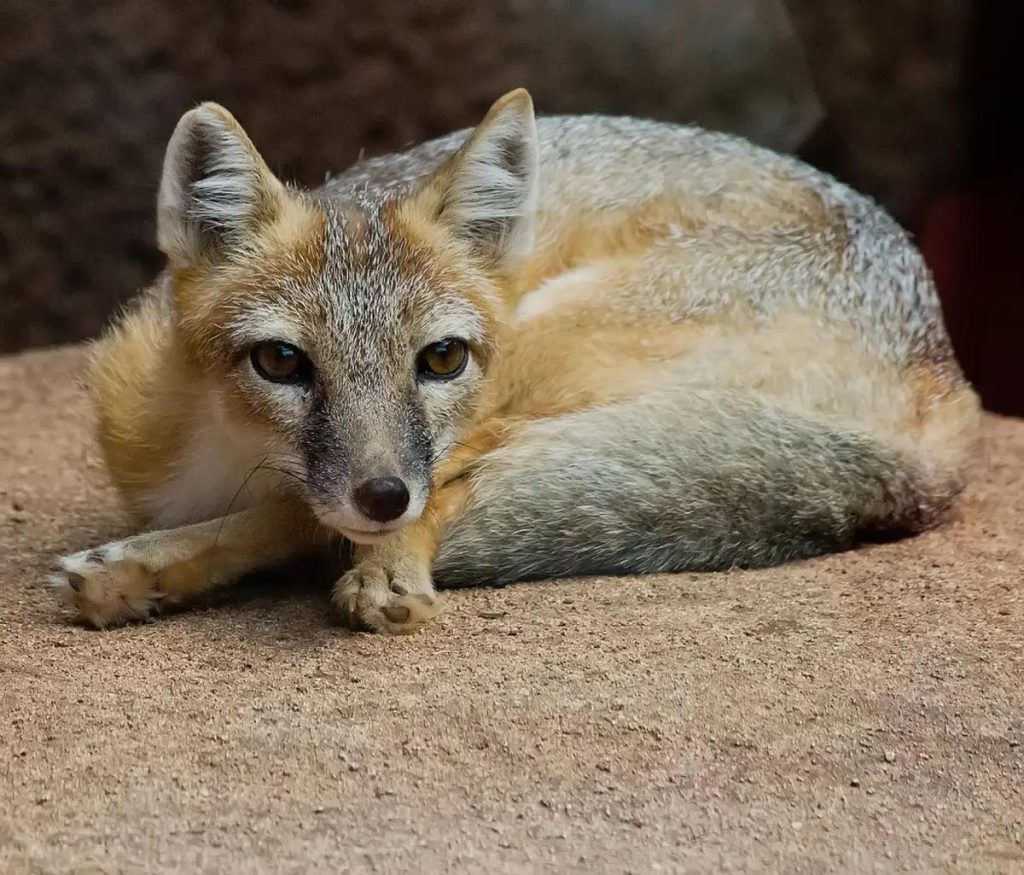
The Swift fox is known for its gentle temperament and relatively low energy compared to other foxes.
They are easier to train and adapt better to human environments. In captivity, they can live significantly longer than in the wild.
Species Overview
- Length: ~31 inches
- Weight: 4–7 pounds
- Appearance: Gray-tan coat with black markings
08. Kit Fox
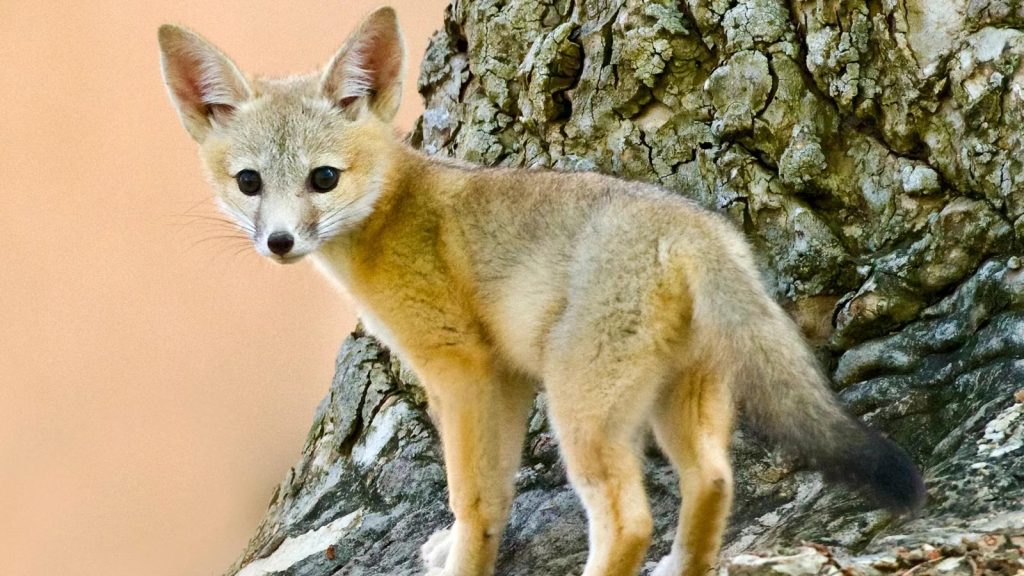
Closely related to the swift fox, the Kit fox is curious, social, and surprisingly adaptable.
They bond well with humans and can even be trained to use litter boxes. Providing enrichment like climbing structures and digging areas is essential.
Species Overview
- Length: 12–20 inches
- Weight: 3–6 pounds
- Appearance: Gray-orange coat, large ears
09. Pale (Pallid) Fox
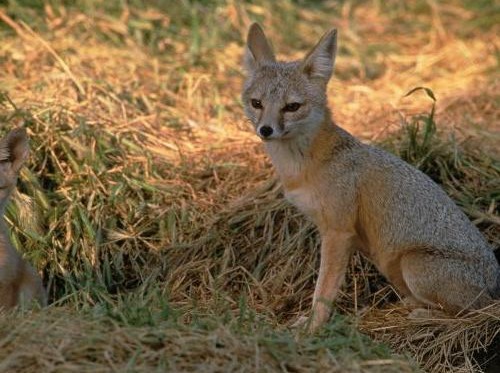
The Pale fox comes from the harsh environments of the Sahara Desert.
It’s rare in the pet trade but known for its friendly temperament and lower odor compared to other fox species.
Species Overview
- Length: 15–17 inches
- Weight: 4–6 pounds
- Appearance: Sandy-colored coat
10. Corsac Fox
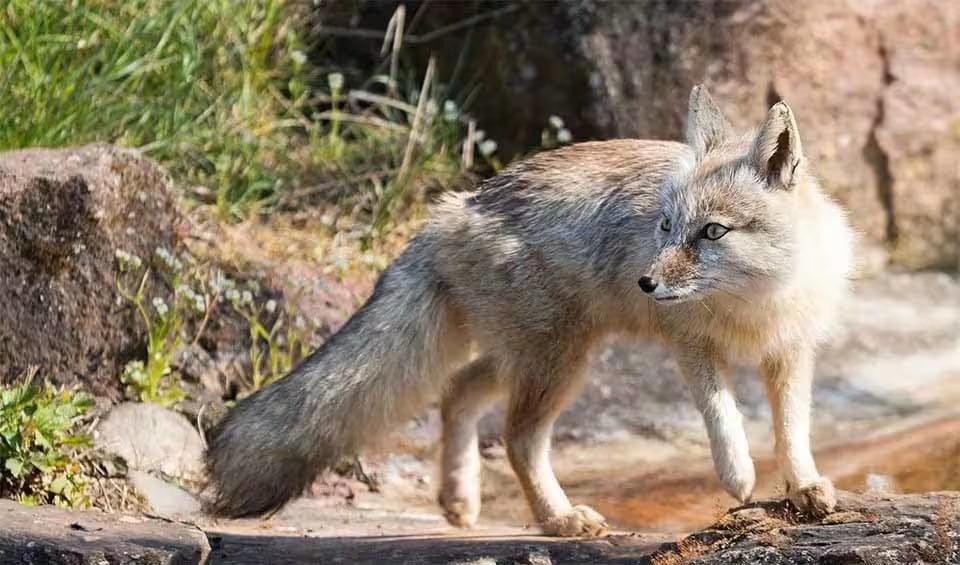
The Corsac fox originates from Central Asia and is rarely seen as a pet.
They are easier to train than most foxes but still mark territory and require regular grooming due to seasonal shedding.
Species Overview
- Height: 19–24 inches
- Weight: ~6 pounds
- Appearance: Soft gray coat with silvery tones
Final Thoughts: Are Foxes Really Good Pets?
While foxes are undeniably fascinating and beautiful animals, they are not suitable for most households. Their wild instincts, strong odors, and high energy levels make them a challenging commitment.
If you’re seriously considering one, be prepared to invest time, money, and patience. For most people, admiring foxes from afar—or in documentaries—is the better choice.