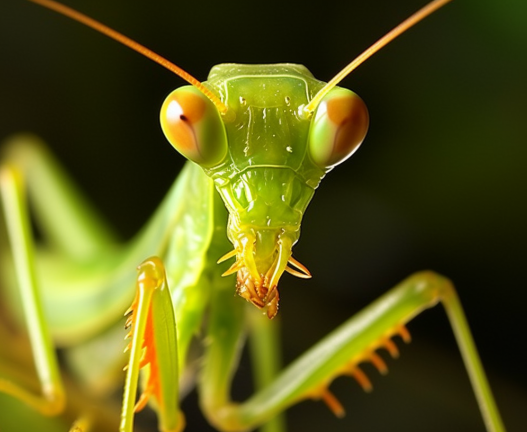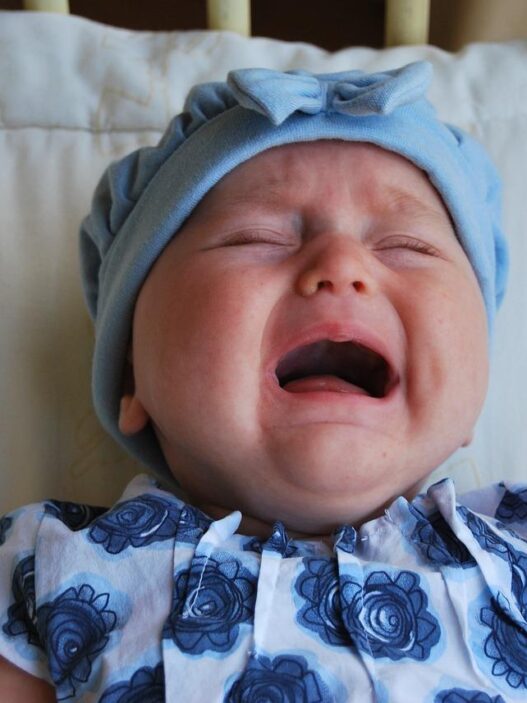








Every year from March to May, many toddlers enter what parents quietly call “allergy season.”
Pollen, dust mites, and mold seem to appear all at once—and before you know it, your child is sneezing, rubbing their eyes, or breaking out in rashes.
Keeping your toddler indoors might feel like the safest choice… but it also means missing out on one of the most beautiful seasons of the year. And honestly—why should kids with allergies be the ones who miss spring? 
As a mom who’s been through it, I’m sharing my tried-and-true “3-step anti-allergy system” to help your 2-year-old stay protected—while still running, playing, and exploring freely.
1. First Things First: Is It a Cold or an Allergy?
Many parents confuse allergies with the common cold and end up giving the wrong treatment.
Here’s how to tell the difference:
- A common cold often comes with fever; allergies usually don’t
- Colds go away in about a week; allergies can last all season
- Cold mucus may turn yellow; allergy mucus stays clear
- Colds affect the whole body; allergies mainly cause itching in the eyes and nose
- Colds aren’t seasonal; allergies often return at the same time every year

If your child shows symptoms like sneezing, runny nose, itchy eyes, and skin rashes every spring, it’s very likely seasonal allergies—specifically allergic rhinitis.
2. Step One: Prevent — Prepare Before You Go Outside
Prevention doesn’t mean staying indoors—it means being smart before stepping out.
Check the Pollen Levels
Many weather apps now include pollen forecasts.
- Avoid outdoor activities when pollen levels are high
- Stay indoors during early morning and evening peaks
- Go out after rain, when pollen is at its lowest
Dress Smart
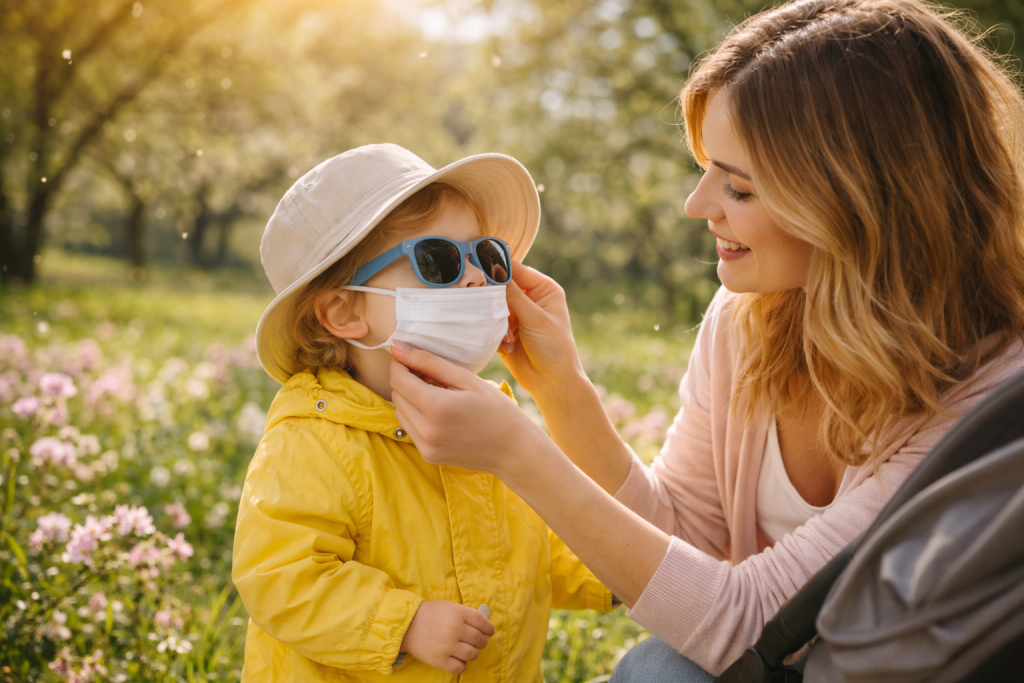
- Use wide-brim hats and sunglasses to block pollen
- Wear masks when visiting parks or gardens
- Choose smooth fabrics like windbreakers
- Avoid wool or fuzzy materials that trap pollen
Clean Up Immediately After Returning Home
Create a “decontamination routine”:
- Change clothes right away
- Wash face, hands, and even hair
- Use saline spray to rinse nasal passages
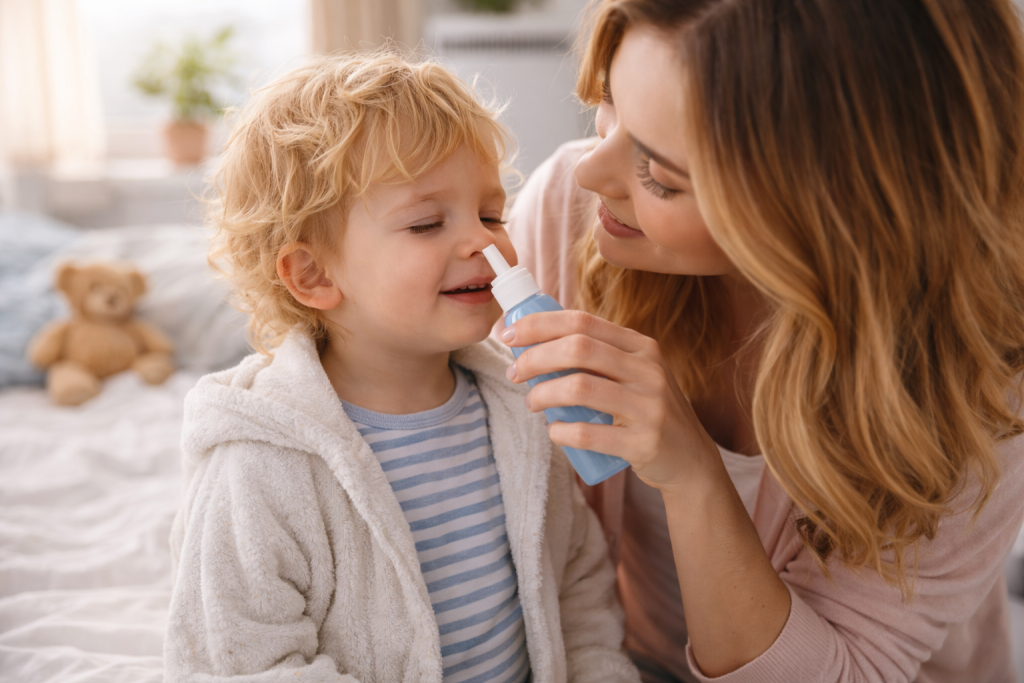
This simple habit can remove most allergens before they spread indoors.
3. Step Two: Protect — Control Your Indoor Environment
Even if you block allergens outside, your home still needs protection.
Manage Airflow Wisely
- Keep windows closed during high pollen hours
- Open them at night when levels drop
- Use air purifiers with HEPA filters
Keep Bedding Clean
One of the biggest indoor triggers is dust mites.
- Wash bedding weekly at high temperatures (60°C+)
- Limit plush toys or clean them regularly
- Sun-dry pillows and blankets—UV light helps kill mites
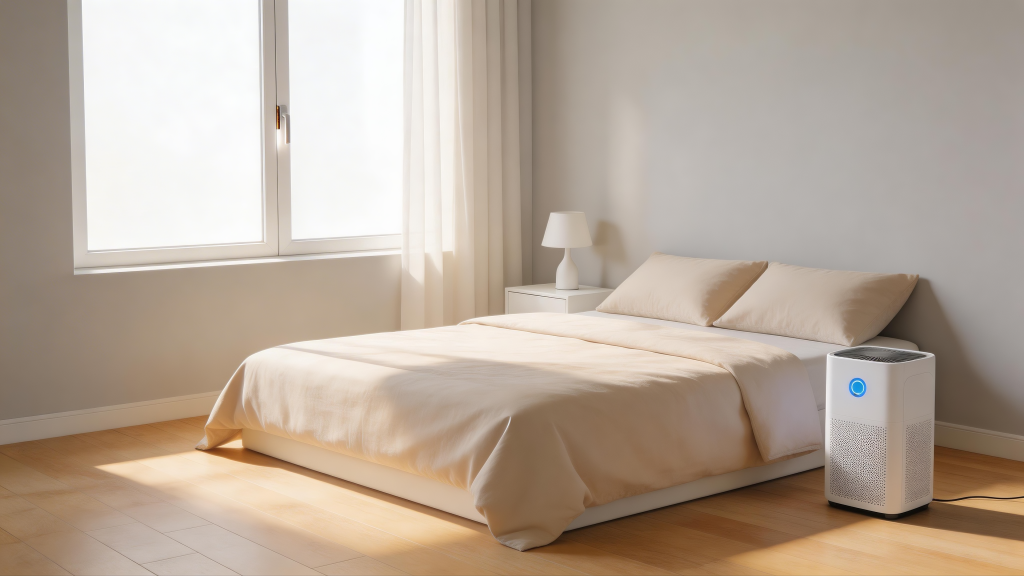
Maintain Ideal Humidity
Humidity plays a huge role in allergies.
- Too dry → pollen spreads easily
- Too humid → mold and mites grow
Keep indoor humidity around 50% for the best balance.
4. Step Three: Strengthen — Build Your Child’s Immunity
External protection helps—but long-term relief comes from within.
Support Gut Health
Research shows a strong link between gut health and allergies.
A balanced gut microbiota can reduce allergy risk.
- Include probiotic-rich foods like yogurt and fermented foods
- Consider supplements if recommended by a doctor
Don’t Skip Vitamin C
Vitamin C acts as a natural antihistamine.
Great sources include:
- Kiwi
- Oranges
- Strawberries
- Broccoli
- Bell peppers
Prioritize Sleep
Sleep is when the immune system resets.
Lack of sleep can worsen allergic reactions.
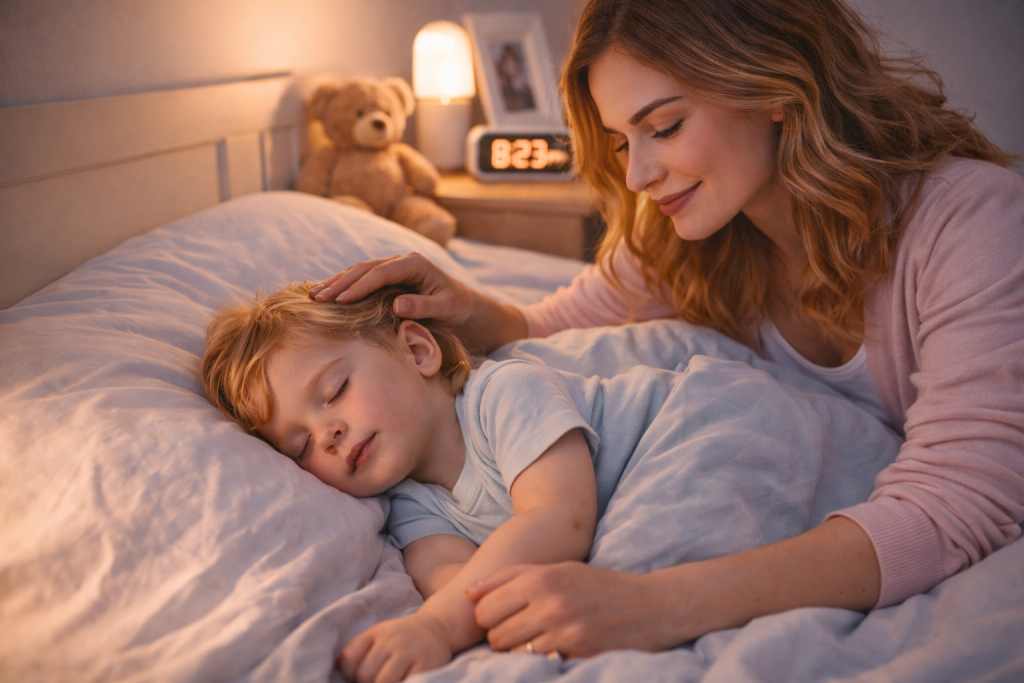
For a 2-year-old, getting to bed before 9 PM makes a real difference.
Avoid Over-Cleaning
This might surprise you.
Excessive sterilization can actually increase allergy risk.
According to the hygiene hypothesis, children need some exposure to everyday microbes to develop a balanced immune system.
So don’t aim for a “sterile” home—normal cleaning is enough.
5. What If Your Child Still Gets Allergies?
Even with precautions, symptoms can still happen. Don’t panic.
Mild Symptoms
- Sneezing, itchy nose → use saline rinses
- Skin rashes → apply gentle moisturizers
Moderate Symptoms
- Persistent itchy eyes or nasal congestion
- Consider antihistamines for children (only with medical advice)
Severe Symptoms
- Difficulty breathing
- Blue lips
- Widespread rash
👉 Seek medical help immediately
Many parents worry about dependency on allergy medication—but when used properly under guidance, these medications are safe and do not harm the immune system.
Final Thoughts: Don’t Let Allergies Steal Spring
Allergies can be mild—or completely overwhelming for a toddler.
But keeping your child indoors all season isn’t the answer.
Spring is a time for discovery, exploration, and joy—especially for a 2-year-old.
With the right balance of prevention, protection, and strengthening, your child can still run freely, play happily, and fully experience the beauty of the season.
Because spring belongs to every child—no exceptions.