




If you love running and you’re also a devoted dog person, the idea of having a canine running partner probably sounds perfect.
Running with your dog isn’t just great exercise—it’s also one of the most rewarding ways to bond. For high-energy breeds, having an active owner isn’t a bonus—it’s a necessity. These dogs are built to move, and without enough activity, they simply don’t thrive.
Below, you’ll find 10 dog breeds that are naturally suited for running and tend to genuinely enjoy hitting the road or trail with their humans. 
Tip Before You Start Running With Your Dog
Before bringing your dog along, always pay close attention to how they respond during the run.
Dogs need regular breaks—especially for water—so always carry some with you. If your dog starts slowing down, resisting movement, panting heavily, limping, or showing signs of overheating or discomfort, stop immediately and head home. Running should never push your dog beyond their limits.
Breed Characteristics
Many of the best running dogs come from groups like sporting, herding, or terrier breeds. These dogs were selectively bred over generations for stamina, agility, and endurance.
That said, mixed-breed dogs can also make excellent running partners—especially if they inherit traits from one or more active breeds.
1. Weimaraner
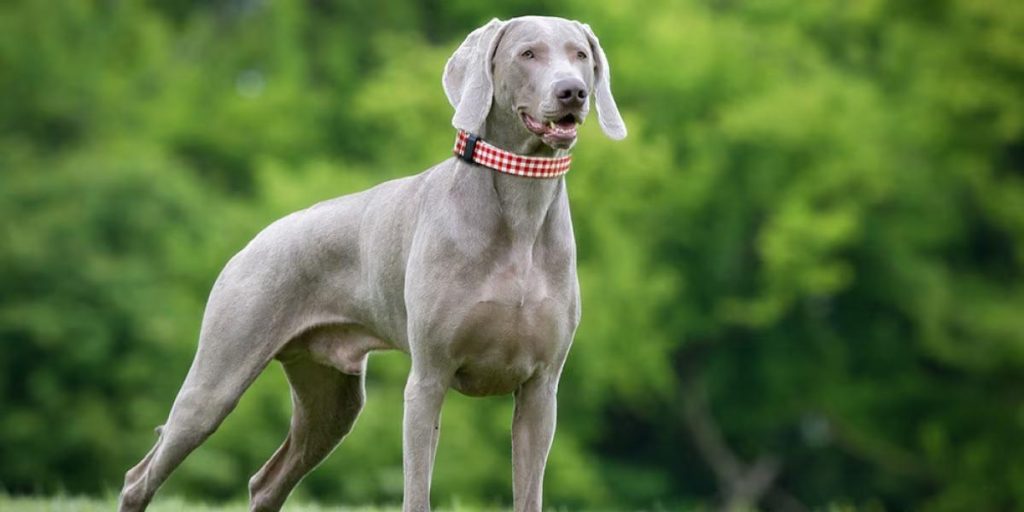
As part of the sporting group, the Weimaraner is a natural athlete. Known for its speed and stamina, this breed can handle both short jogs and long-distance runs with ease.
They tolerate heat relatively well and require significant daily exercise. Without enough physical activity and structure, they may develop anxiety or behavioral issues.
Breed Overview
Group: Sporting
Height: 24–26 inches
Weight: 70–85 pounds
Coat: Short, smooth, typically gray or silver-gray
Life Expectancy: 11–13 years
2. Vizsla
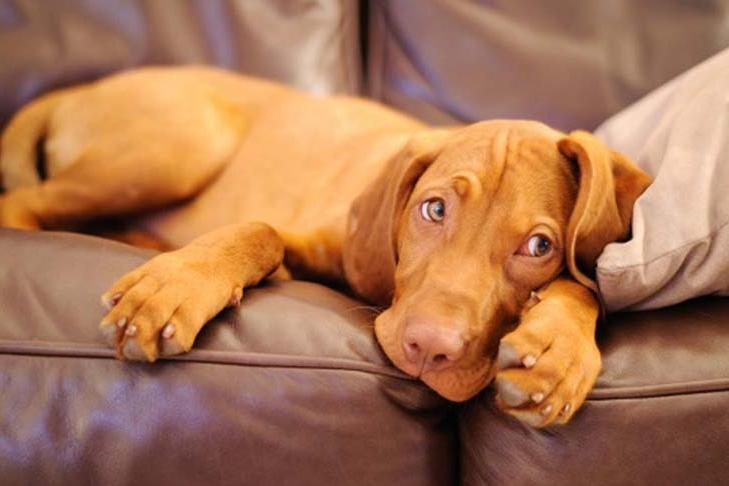
The Vizsla is a hardworking hunting dog that thrives on physical activity. With excellent endurance and speed, this breed is ideal for runners.
Often nicknamed the “Velcro dog,” the Vizsla forms strong bonds and prefers staying close to its owner at all times—making it a loyal and consistent running companion.
Breed Overview
Group: Sporting
Height: 22–23 inches
Weight: 45–50 pounds
Coat: Short, dense, golden-rust color
Life Expectancy: 12–14 years
3. Dalmatian
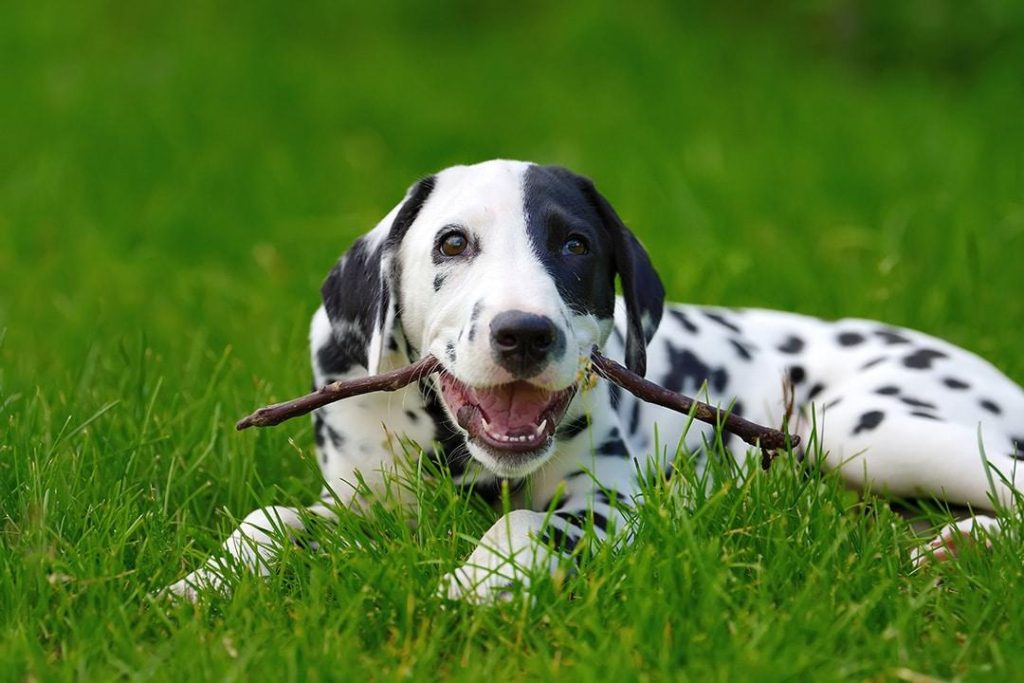
Although classified outside the sporting group, Dalmatians are incredibly athletic and require regular exercise to stay balanced.
Historically, they ran alongside horse-drawn carriages and later became associated with firehouses, where they helped clear paths ahead of fire wagons. That history explains their natural endurance and need for movement.
Breed Overview
Group: Non-Sporting
Height: 19–23 inches
Weight: 45–60 pounds
Coat: Short, white with black or brown spots
Life Expectancy: 11–13 years
4. Border Collie
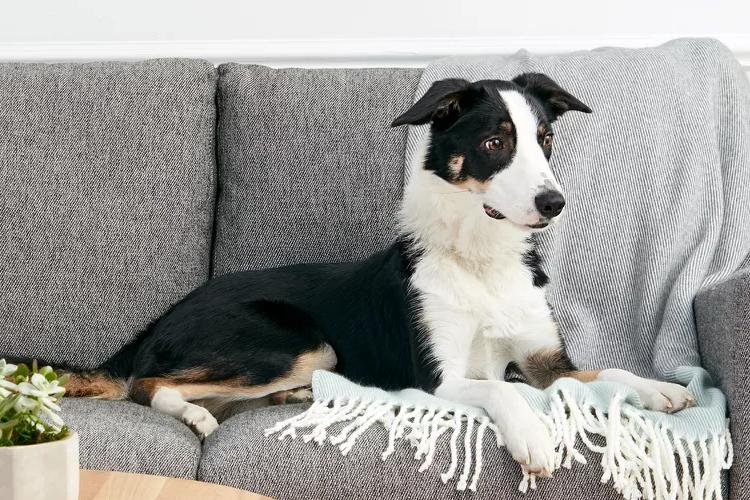
Widely recognized as one of the most intelligent dog breeds, the Border Collie thrives on both physical and mental stimulation.
These dogs are incredibly agile and capable of running long distances at speed. They do best when runs include variety—such as trails or changing terrain.
Breed Overview
Group: Herding
Height: 18–22 inches
Weight: 28–48 pounds
Coat: Medium-length, rough or smooth
Life Expectancy: 10–17 years
5. Australian Shepherd
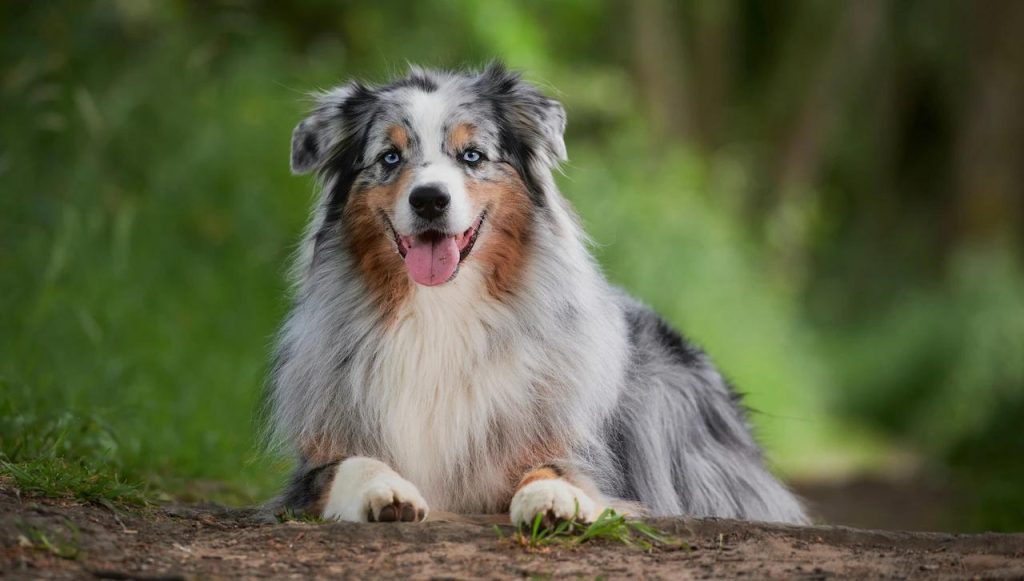
Another standout from the herding group, the Australian Shepherd is energetic, intelligent, and built for activity.
They enjoy long runs but are better suited for cooler weather due to their thicker coats. They also require mental challenges in addition to physical exercise.
Breed Overview
Group: Herding
Height: 18–23 inches
Weight: 40–65 pounds
Coat: Medium to long, often merle or solid
Life Expectancy: 13–15 years
6. Rhodesian Ridgeback
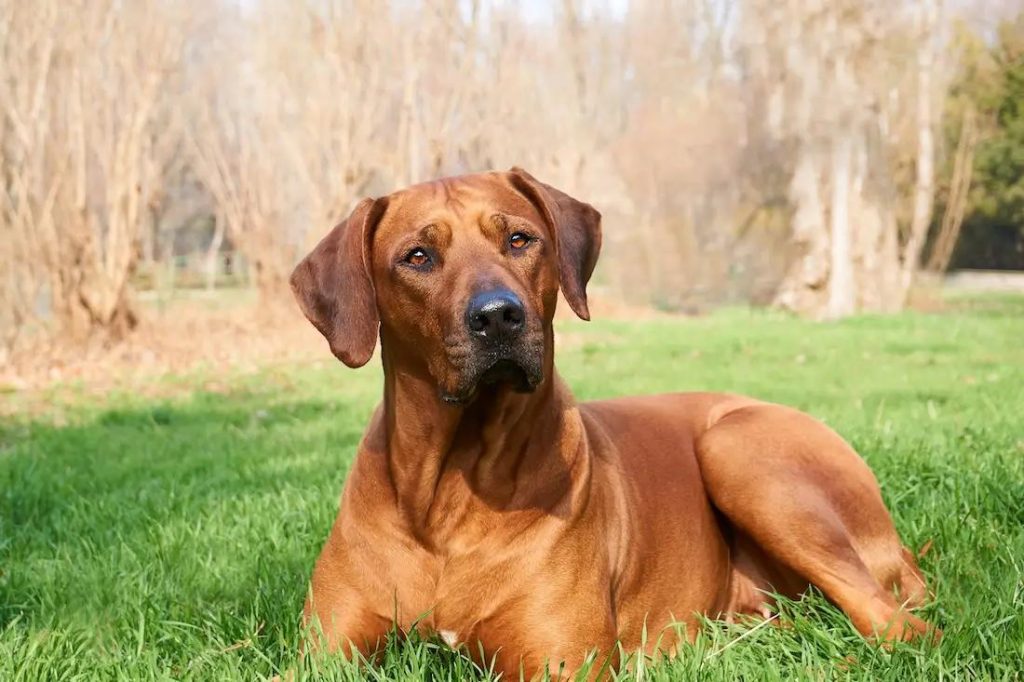
Originally bred in Africa for hunting lions, the Rhodesian Ridgeback is powerful, resilient, and highly athletic.
They can handle longer runs and warmer climates, but should not begin running routines until they are fully grown—typically around two years old.
Breed Overview
Group: Hound
Height: 25–26 inches
Weight: 65–90 pounds
Coat: Short, with a distinctive ridge along the back
Life Expectancy: 10–12 years
7. Siberian Husky
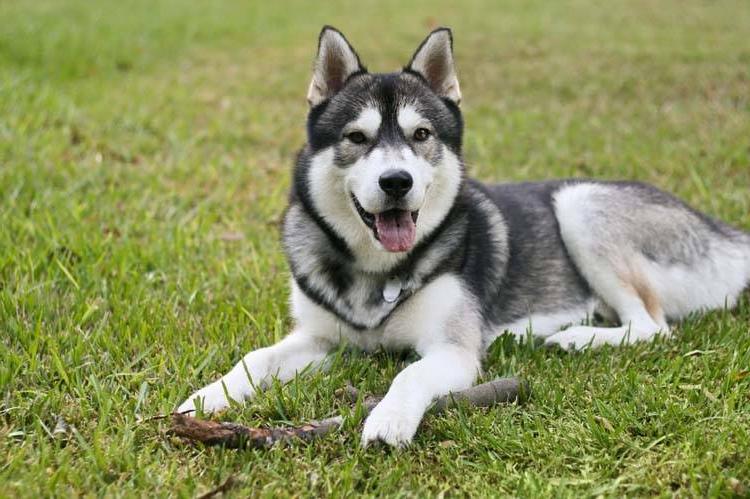
The Siberian Husky was bred to pull sleds across long distances in cold environments, giving it incredible endurance.
This breed thrives in cooler climates and loves running, but it is not well-suited for hot weather conditions.
Breed Overview
Group: Working
Height: 21–23 inches
Weight: 35–50 pounds
Coat: Thick double coat, various colors
Life Expectancy: 12–15 years
8. Terrier
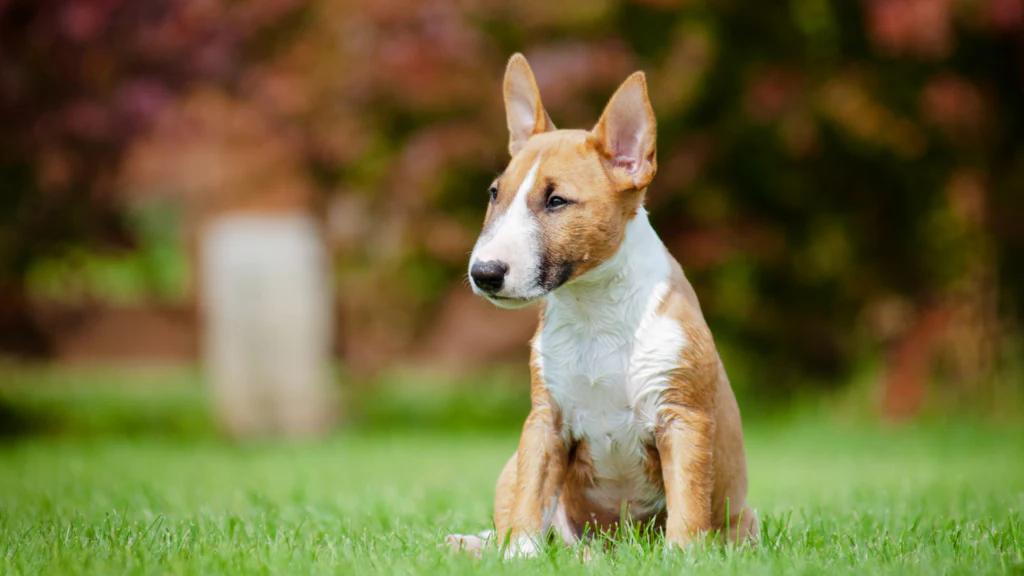
Many terriers are small but extremely energetic and surprisingly durable.
Breeds like the Jack Russell Terrier, Parson Russell Terrier, Rat Terrier, and Wire Fox Terrier can handle impressive distances.
If you prefer a larger terrier, the Airedale Terrier is also a strong option.
9. Pointer
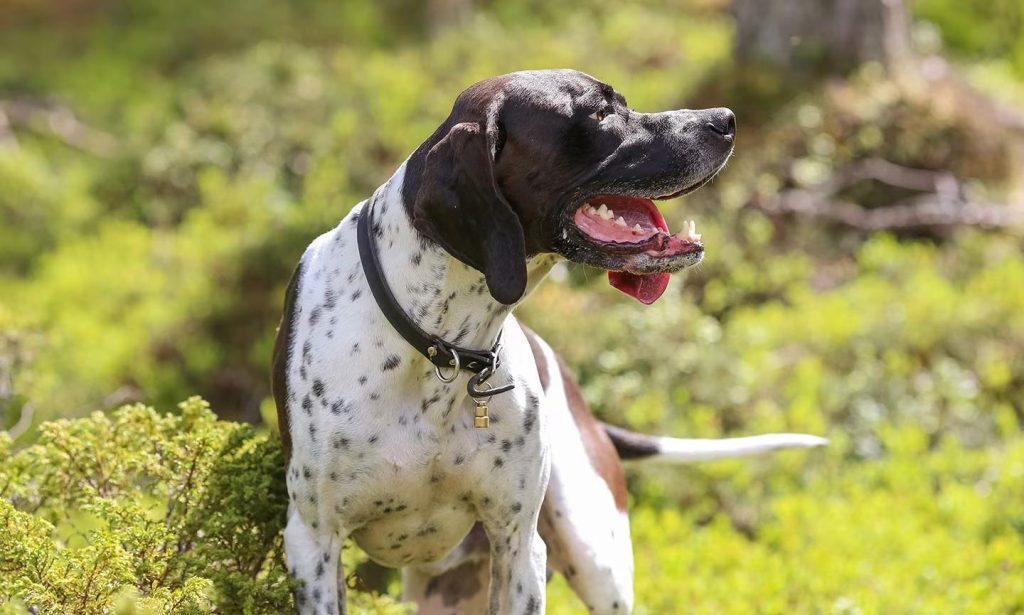
Pointer-type dogs are built for performance, combining speed, endurance, and strength.
Breeds such as the Pointer (dog breed), German Shorthaired Pointer, and German Wirehaired Pointer are excellent long-distance runners and adapt well to different climates.
10. Sighthounds
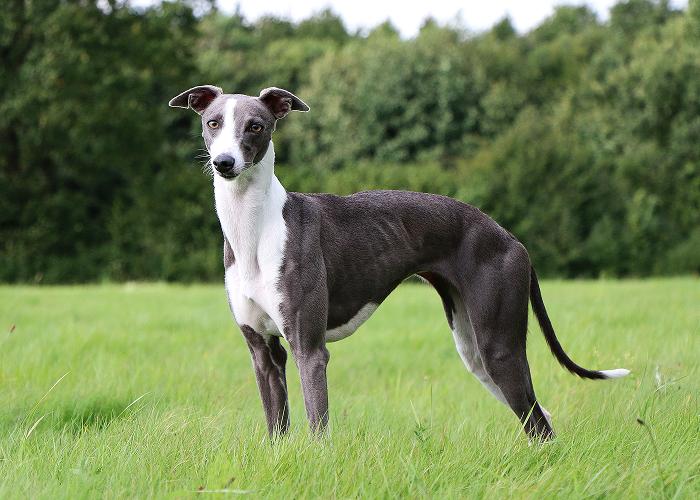
Sighthounds are designed for speed rather than endurance.
Breeds like the Greyhound, Whippet, Borzoi, Saluki, Scottish Deerhound, and Sloughi excel in short, fast runs.
Interestingly, many of them are quite relaxed at home and prefer lounging after a sprint session.
Breeds to Avoid
Not all dogs are suitable for running, especially under certain conditions.
Puppies
Puppies should not participate in long or regular runs. Running too early—before about six months—can damage developing joints and muscles.
High-Energy but Low-Endurance Dogs
Breeds like the American Staffordshire Terrier and Bull Terrier may be energetic but lack the endurance for long-distance running.
Brachycephalic Breeds
Flat-faced dogs such as the Bulldog and Pug are prone to breathing issues and overheating, making running unsafe for them.
Large or Short-Legged Dogs
Very large breeds may develop joint issues with frequent long runs. Meanwhile, shorter-legged breeds like the Dachshund and Welsh Corgi often struggle to keep up and tire quickly.
Final Thoughts
Running with your dog can be one of the most fulfilling ways to stay active—both for you and your pet.
The key is choosing a breed that matches your pace, energy level, and environment. When the match is right, your dog won’t just keep up—they’ll become your most enthusiastic training partner.