




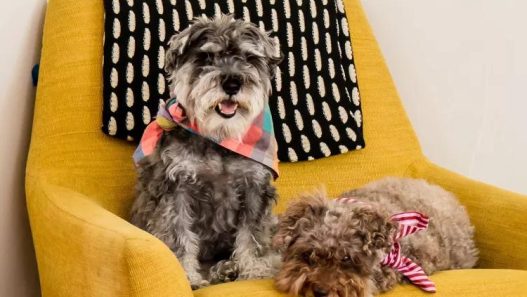
Choosing your very first dog is both exciting and a little overwhelming. Whether this pup will be your constant companion, your child’s new playmate, or the “furry baby” you share with your partner, one thing truly matters: the dog you bring home should fit comfortably into your lifestyle.
While every dog is an individual, different breeds tend to share predictable traits—energy levels, grooming needs, size, temperament—that can guide you toward a good match. Breeds like the Poodle, Labrador Retriever, Bernese Mountain Dog, and Yorkshire Terrier are famously beginner-friendly.
As a new dog parent, you’ll learn everything from potty-training and feeding routines to grooming and basic health care. You and your new companion will also go through an adjustment period—an important phase where you learn each other’s habits and personalities. The last thing you want is to realize you picked the wrong breed after bonding. Fortunately, some breeds are consistently easier for beginners thanks to their mild temperament, trainability, and low-maintenance nature. 
Below are the best dog breeds for first-time dog owners—along with what makes each of them so ideal.
What Makes a Breed Beginner-Friendly
The best breed for a first-time owner is one whose temperament and energy naturally match your lifestyle.
If you want a running buddy, a high-stamina dog like the Labrador Retriever is perfect.
If you prefer a mellow lap companion—like the gentle Cavalier King Charles Spaniel—then high-octane breeds should be avoided.
If grooming isn’t your thing, pick a low-maintenance breed such as the elegant Papillon.
And remember: all dogs need care, training, and veterinary attention. Many first-time owners do exceptionally well with adopting an adult rescue dog, since most already have basic manners and socialization—while puppies demand intensive training, constant supervision, and patience.
01. Bernese Mountain Dog
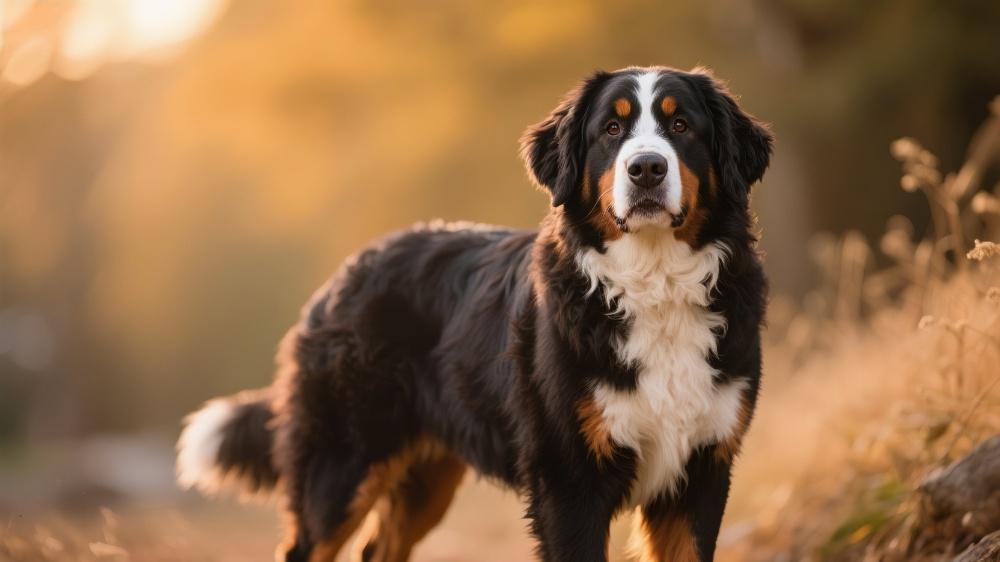
A surprisingly gentle giant, the Bernese Mountain Dog is big, loving, clever, and eager to please. They’re fantastic with children and happy to join any family routine—whether that’s backyard playtime or relaxing indoors. Despite their size, they aren’t aggressive and even make dependable watchdogs. Just know they shed heavily and need regular brushing.
Breed Facts
• Group: Working
• Height: 23–27.5 in
• Weight: 70–115 lbs
• Coat: Medium double coat; tricolor (black, rust, white)
• Lifespan: 7–10 years
02. Bichon Frise
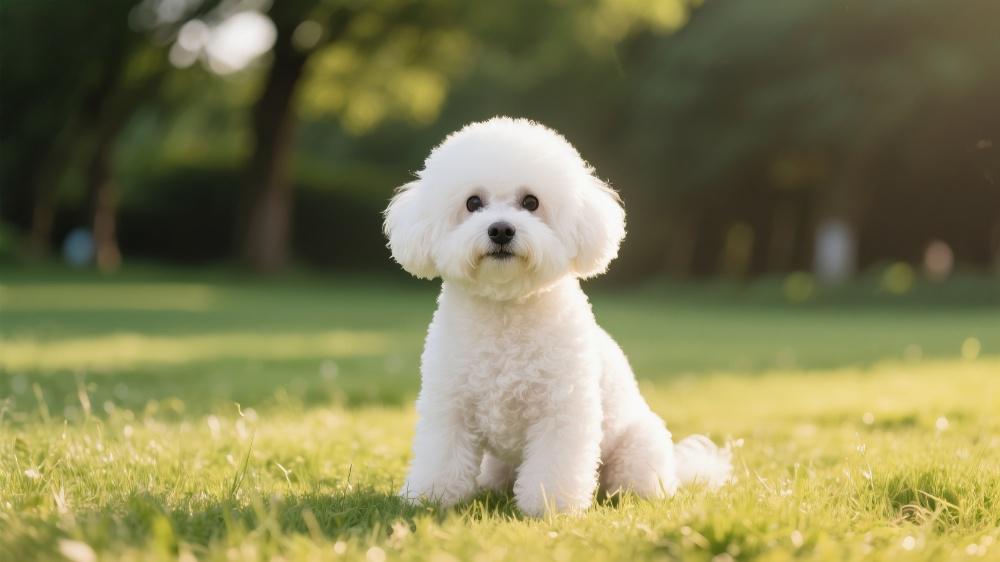
The cheerful, bouncy Bichon Frise is an ideal choice for families, apartment dwellers, or anyone wanting a cuddly companion. They look like fluffy white cotton balls and are generally easy to train. They stay happy with modest daily exercise, but their curly coats do require regular professional grooming.
Breed Facts
• Group: Non-Sporting
• Height: 9–12 in
• Weight: 7–12 lbs
• Coat: White, soft, curly coat (may have apricot or cream tints)
• Lifespan: 14–15 years
03. Boxer
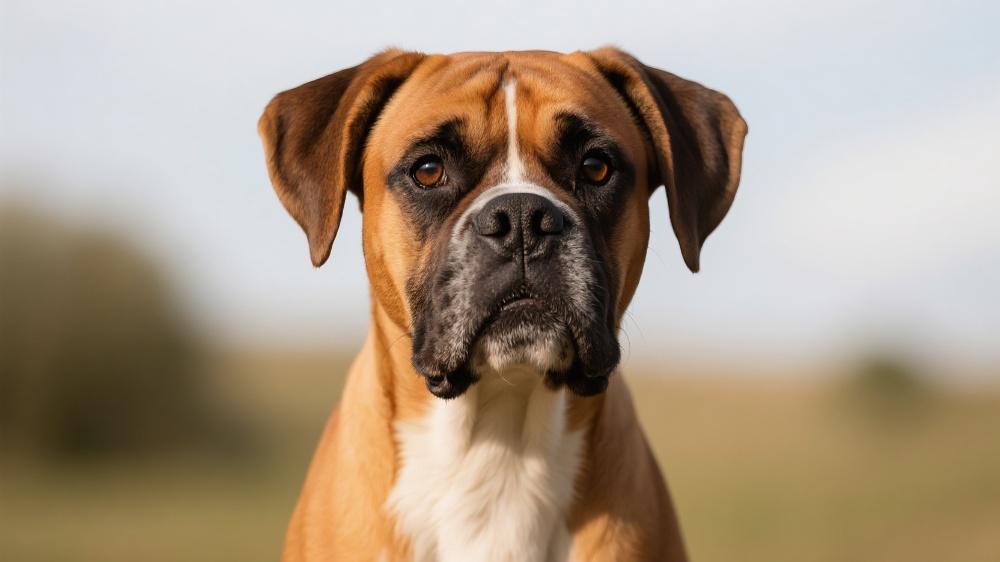
If you want a medium-to-large dog with loads of playful energy, the Boxer is a stellar fit. Loyal, people-oriented, and great with active families, Boxers thrive when given proper exercise and structured training. Though Boxer puppies can be hyper, they learn quickly and love attention. They’re natural guardians and simple to groom.
Breed Facts
• Group: Working
• Height: 21–25 in
• Weight: 55–70 lbs
• Coat: Short; fawn or brindle
• Lifespan: 10–12 years
04. Cavalier King Charles Spaniel
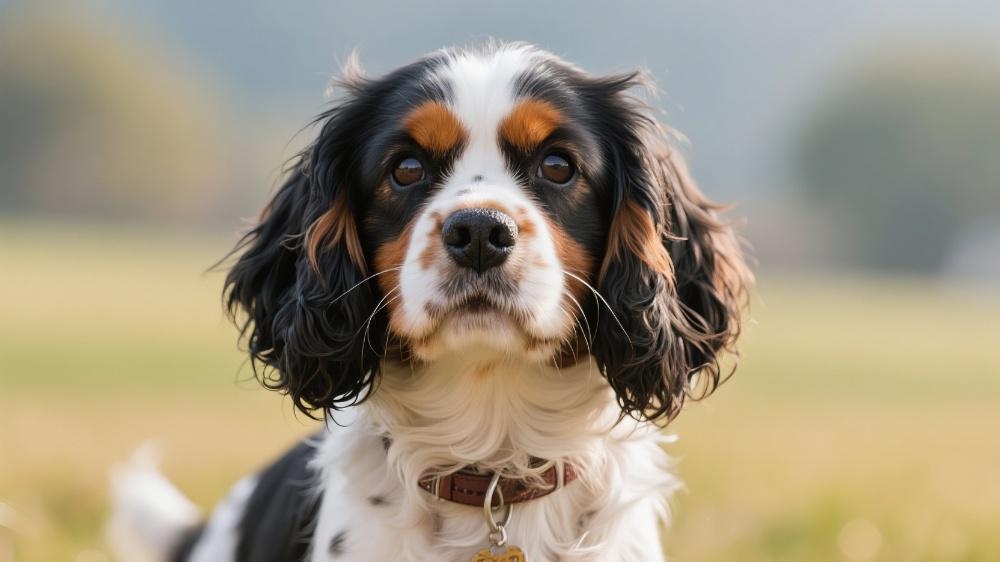
The Cavalier King Charles Spaniel is gentle, affectionate, and forever puppy-faced. Highly adaptable and great with kids, they’re small, intelligent, and charmingly calm. Their exercise needs are moderate, and their grooming routine is manageable with regular brushing.
Breed Facts
• Group: Toy
• Height: 12–13 in
• Weight: 13–18 lbs
• Coat: Long, silky; comes in four colors
• Lifespan: 12–14 years
05. Golden Retriever
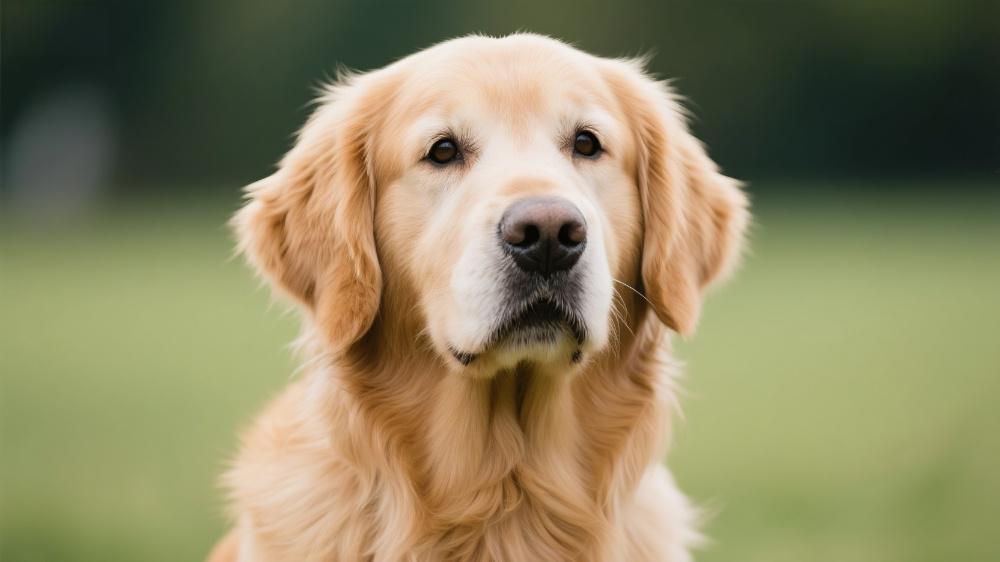
Golden Retrievers are practically the mascot for family-friendly dogs. Intelligent, loyal, and endlessly willing to please, the Golden Retriever gets along with everyone—especially kids. They need consistent exercise to stay happy, but they’re easy to train and enjoy learning new skills. Their flowing coat needs routine brushing.
Breed Facts
• Group: Sporting
• Height: 21.5–24 in
• Weight: 55–75 lbs
• Coat: Medium-length double coat; shades of gold
• Lifespan: 10–12 years
06. Great Dane
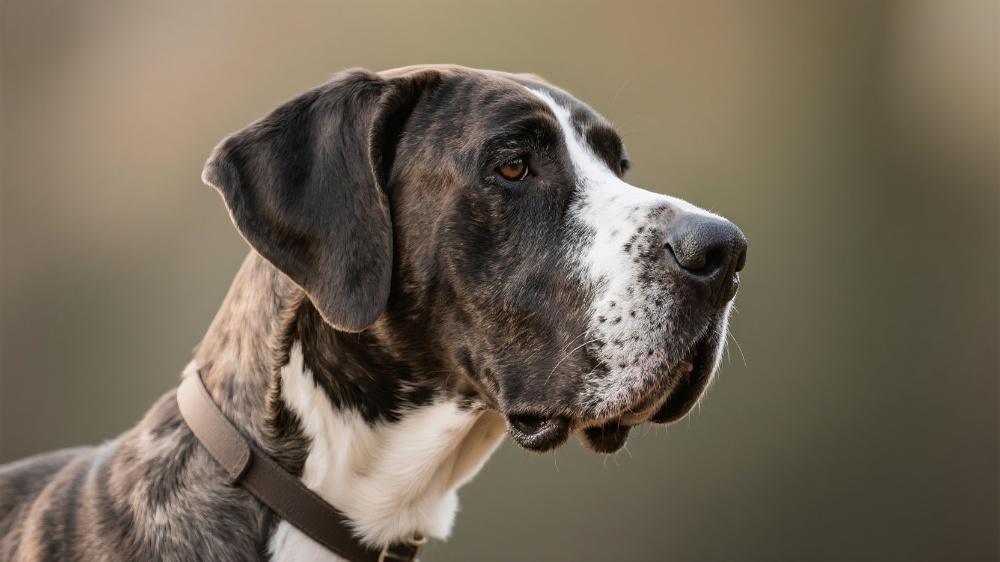
Don’t let their enormous size fool you—Great Danes are famously gentle, loyal, and goofy. They love family life and are surprisingly laid-back indoors. Training is essential simply due to their size, and they do drool, though their short coats shed minimally.
Breed Facts
• Group: Working
• Height: 28–32 in
• Weight: 110–175 lbs
• Coat: Short, smooth; many colors
• Lifespan: 7–10 years
07. Labrador Retriever
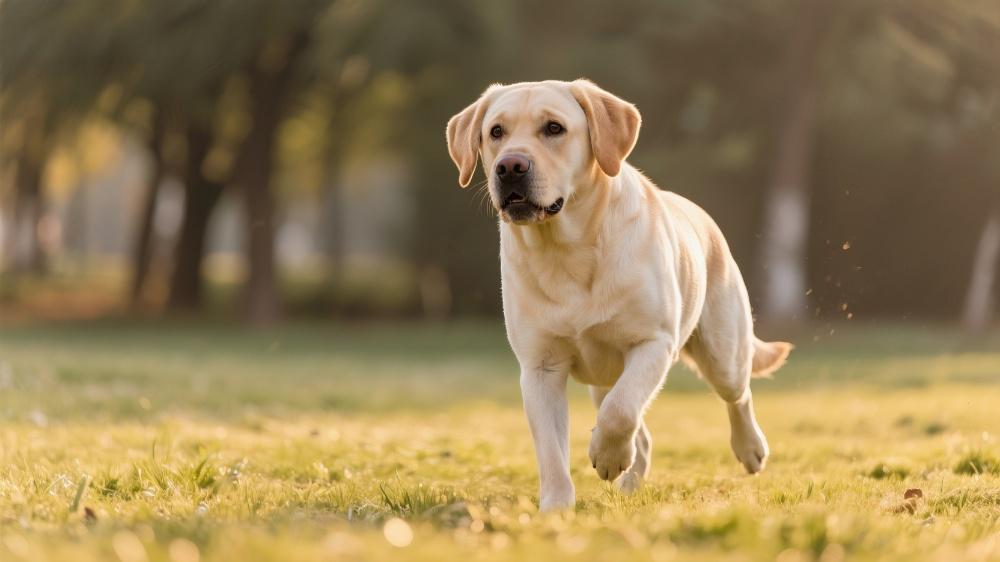
One of the world’s most beloved breeds, the Labrador Retriever is adaptable, affectionate, smart, and perfect for families with kids. They bond closely with their people and thrive in active homes. Labs love to play, fetch, run, and cuddle. Grooming is minimal aside from managing seasonal shedding.
Breed Facts
• Group: Sporting
• Height: 21.5–24.5 in
• Weight: 55–80 lbs
• Coat: Short, dense double coat (yellow, black, chocolate)
• Lifespan: 10–12 years
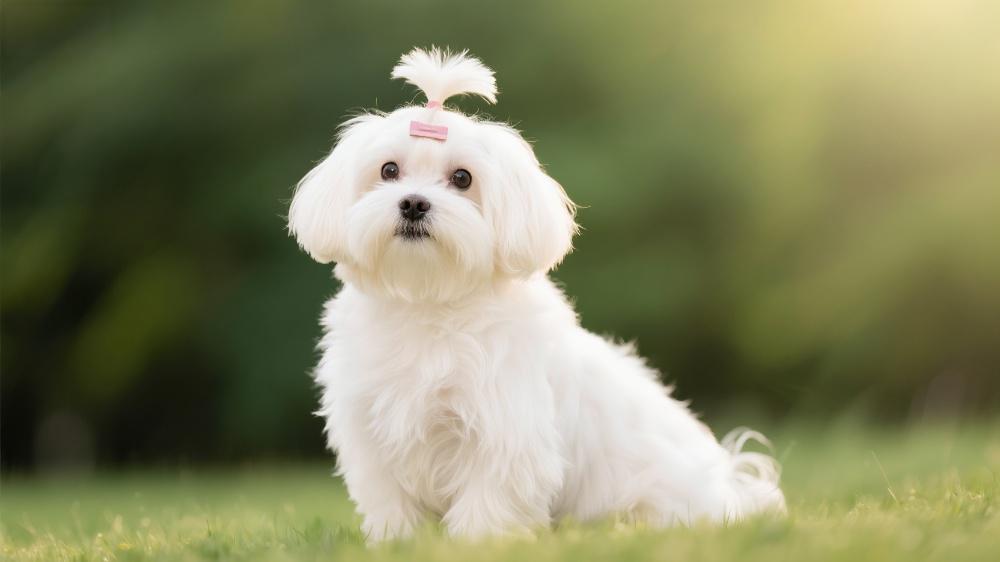
08. Maltese
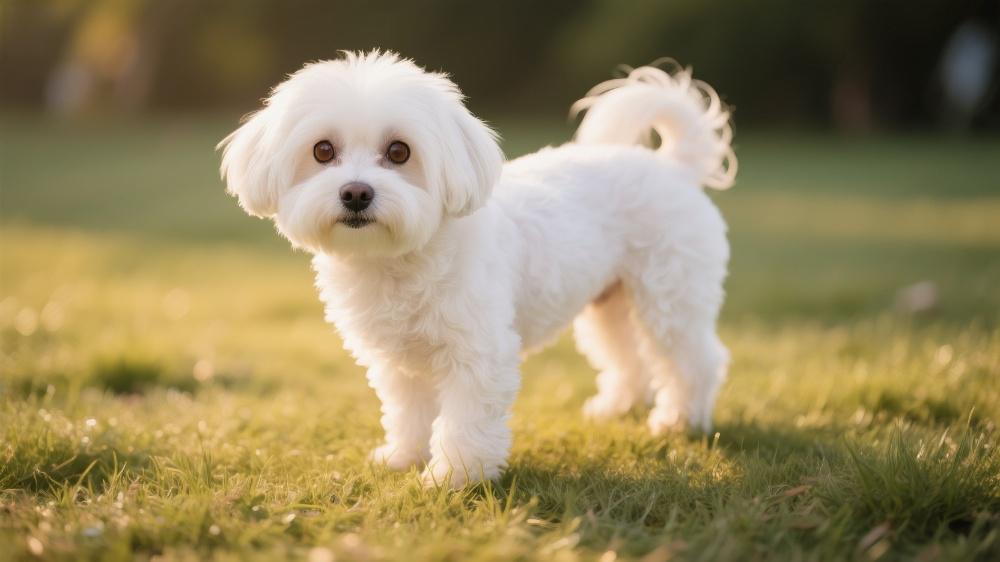
The adorable Maltese is sweet-natured, loving, and perfect for people who enjoy a small, gentle companion. Their beautiful long coat can be kept short for easier upkeep. They shed very little but benefit from daily brushing. Maltese dogs don’t need much exercise and adore lap-time.
Breed Facts
• Group: Toy
• Height: 7–9 in
• Weight: under 7 lbs
• Coat: Long, silky, white
• Lifespan: 12–15 years
09. Mixed Breed Dogs
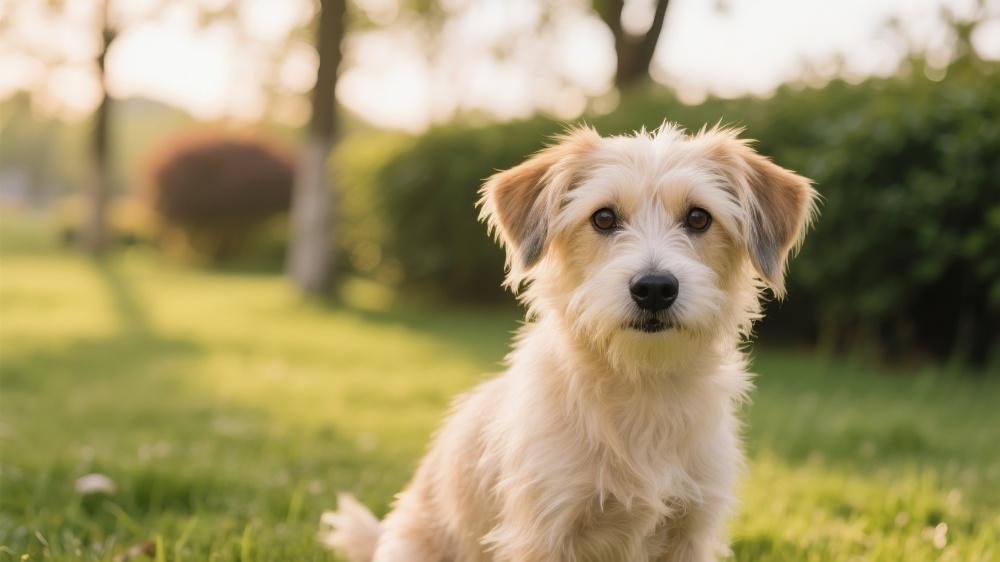
Mixed-breed dogs deserve just as much love and consideration. They make wonderful companions and often have balanced temperaments. Shelters are full of amazing mixed-breed pups, and staff can help you find one whose personality suits your needs. You can also learn more about your dog’s genetic traits through a dog DNA test.
10. Papillon
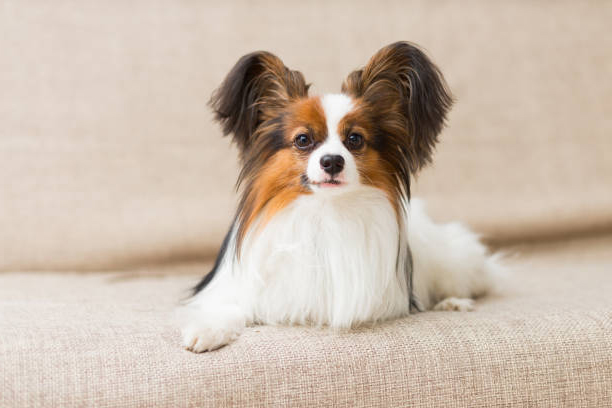
The lively, elegant Papillon may be small, but their cheerful personality fills the room. They are easy to train, good with children (who handle them gently), and happy with an active or relaxed household. Their long single coat requires moderate brushing.
Breed Facts
• Group: Toy
• Height: 8–11 in
• Weight: 6–10 lbs
• Coat: Long, straight; white with colored markings
• Lifespan: 14–16 years
11. Pomeranian
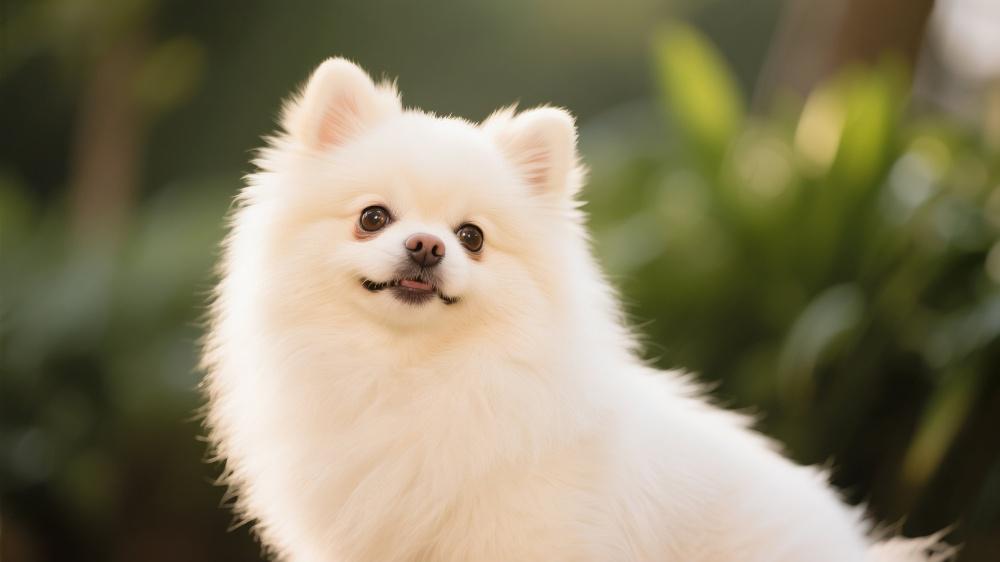
The fluffy Pomeranian is affectionate, alert, and bonded strongly to its favorite person. They do best with older, gentle children and adapt well to different environments. Poms benefit from basic training—without it, they can become bossy or vocal. Their thick double coat looks high-maintenance but only needs routine brushing.
Breed Facts
• Group: Toy
• Height: 6–7 in
• Weight: 3–7 lbs
• Coat: Long double coat; many colors
• Lifespan: 12–16 years
12. Poodle
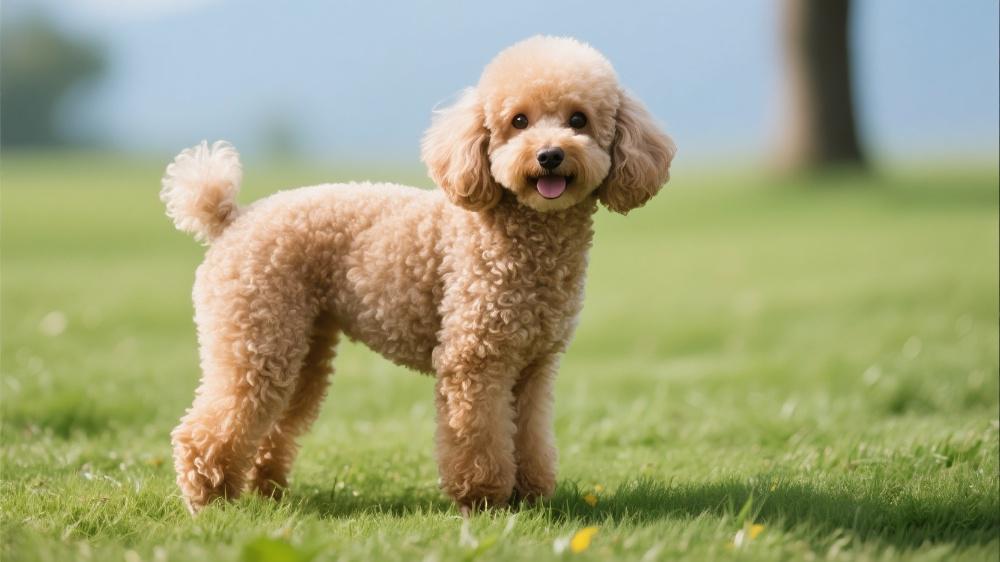
The Poodle—whether Toy, Miniature, or Standard—is brilliant, athletic, social, and extremely trainable. They fit beautifully into most families and love both physical activity and mental challenges. Their curly coat grows continuously, so regular grooming is essential.
Breed Facts
• Group: Non-Sporting
• Height: Over 15 in (Standard); 10–15 in (Miniature); under 10 in (Toy)
• Weight: 45–70 lbs (Standard); 15–18 lbs (Miniature); 5–9 lbs (Toy)
• Coat: Curly; many solid colors
• Lifespan: 10–18 years
13. Shih Tzu
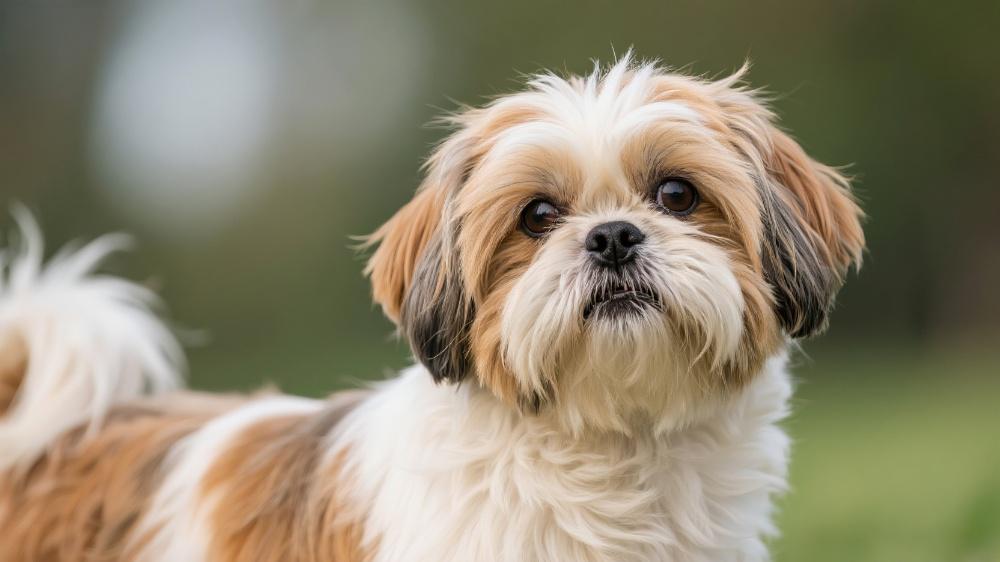
The ancient Shih Tzu is a true lap dog—clinging to family members and happy as long as they’re included. They’re gentle with kids, relatively quiet, and don’t shed much. Their soft double coat needs routine brushing to avoid tangles.
Breed Facts
• Group: Toy
• Height: 9–10.5 in
• Weight: 9–16 lbs
• Coat: Long, silky double coat; many colors
• Lifespan: 10–18 years
14. Yorkshire Terrier
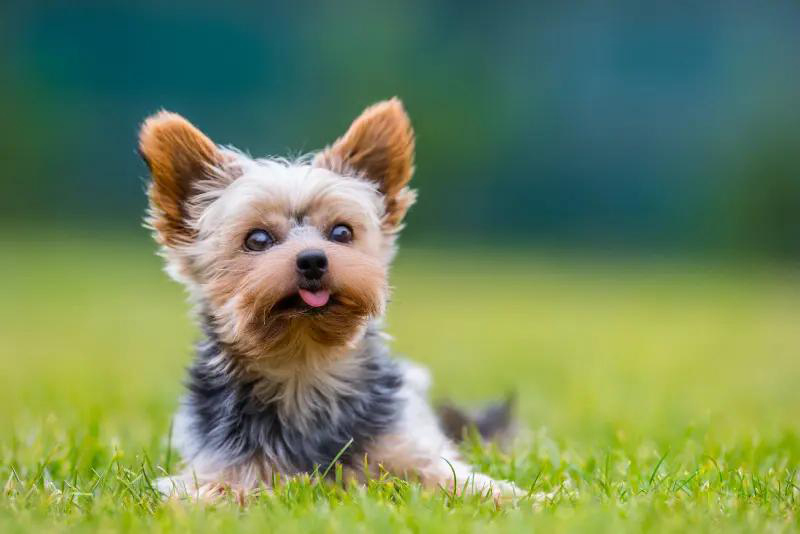
The dainty yet confident Yorkshire Terrier is a great pick for those wanting a tiny but spirited companion. Yorkies are loyal, protective, and only need modest exercise. Consistent training is important to prevent stubbornness or excessive barking. Their hair grows like human hair, so regular grooming and trimming are a must.
Breed Facts
• Group: Toy
• Height: 8–9 in
• Weight: 5–7 lbs
• Coat: Long, straight, silky; blue-tan combinations
• Lifespan: 13–16 years
Breeds First-Time Owners Should Avoid
New owners should generally avoid breeds that are extremely independent, strong-willed, or unpredictable with strangers. Many working and herding breeds require advanced training, intensive socialization, and constant supervision—making them challenging for beginners.