





Losing a child is one of the most devastating experiences a family can face.
For one family in San Jose, California, their grief turned into shock and outrage after a funeral home made a series of mistakes that many described as unthinkable.
A Family’s Trust Placed in a Funeral Home

On May 19, 27-year-old Alexander Pinon passed away unexpectedly in San Jose, a major city in California.
His parents were overwhelmed by grief and focused only on giving their son a dignified farewell.
They entrusted all funeral arrangements to a local funeral home, paying nearly $10,000 for a full-service package.
This included embalming, preparation of the body, transportation, and burial services. 
The family made one specific request.
They wanted Alexander to be buried in formal clothing prepared by the funeral home.
The clothes he had been wearing at the time of his death were to be returned to them.
A Biohazard Bag With a Terrifying Surprise
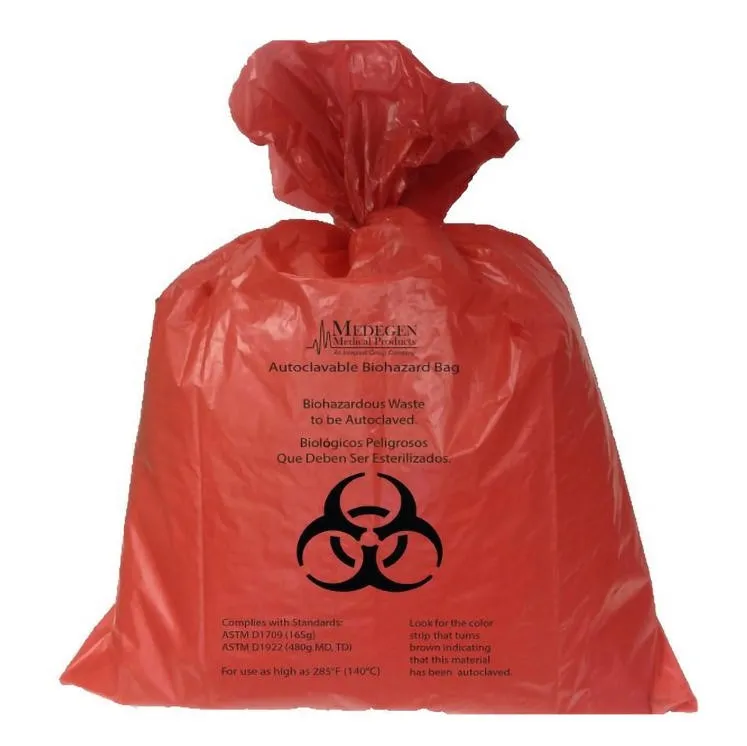
In June, the funeral home’s manager handed Alexander’s father a red bag marked with a biohazard warning, a label typically used for biohazardous waste.
She told him the bag contained his son’s clothing.
The father brought the bag home and planned to wash the clothes before storing them.
When he opened the bag and emptied its contents into the washing machine, he realized something was horribly wrong.
There were no clothes inside.
Instead, the bag contained what appeared to be human brain tissue.
An Autopsy No One Was Told About
Alexander’s parents were stunned.
They had never been informed that an autopsy had been performed.
They were unaware that the county coroner might have removed their son’s brain.
According to the family’s attorney, the parents were unsure whether the brain even belonged to Alexander.
They feared a potential mix-up involving human remains.
With no guidance and no explanation, Alexander’s father removed the brain from the washing machine.
He placed it back into the red bag and immediately returned it to the funeral home.
A Chillingly Casual Response
The funeral home manager accepted the bag without visible concern.
She did not confirm whether the tissue belonged to Alexander.
She offered no explanation and no apology.
Her only response was brief:
“Leave it to me.”
The family still did not receive Alexander’s clothing.
They believed the matter would finally be handled properly.
A Second Failure Comes to Light
Alexander was buried the next day at Oak Hill Memorial Park, a well-known cemetery in San Jose.
His family tried to begin the process of mourning and healing.
Two to three months later, a funeral home employee came forward as a whistleblower.
What they revealed was even more disturbing.
After receiving the brain, the manager placed it inside a box and left it in the funeral home’s outdoor courtyard.
The box remained there for more than two months.
When another employee eventually discovered it, the brain had decomposed severely.
The odor was unbearable.
The remains had never been properly preserved.
They were never placed in Alexander’s casket.
He had been buried without his brain.
Emotional Trauma and Legal Action
The family’s attorney stated that the mishandling of Alexander’s remains caused extreme psychological distress.
The parents reported nightmares, anxiety, depression, and lasting emotional trauma.
Discovering a child’s brain inside a washing machine, then learning it was left outside to rot, was described as a nightmare no family should ever endure.
The family has now filed a lawsuit accusing the funeral home of gross negligence and improper handling of human remains.
They argue that the funeral home failed in its most basic professional responsibilities.
A Final Wish for Rest

While pursuing legal action, Alexander’s parents are working to have his brain reunited with his body.
They hope to rebury him properly so that all his remains can finally rest together.
For this family, losing their son was already an unbearable tragedy.
What followed only deepened the pain and left scars that may never fully heal.