





Cruise ship outbreak leaves thousands stranded at sea as illness spreads, exposing medical shortages and rising passenger fear.
In 2020, the outbreak of COVID-19 aboard the Diamond Princess shocked the world.
Images of thousands of passengers quarantined at sea are still fresh in many people’s minds.
Recently, a similar public health scare unfolded once again.
This time, it happened aboard a modern cruise ship, far from land, with limited medical support and growing panic among passengers. 
A 12-Day Journey Turns Into a Health Emergency
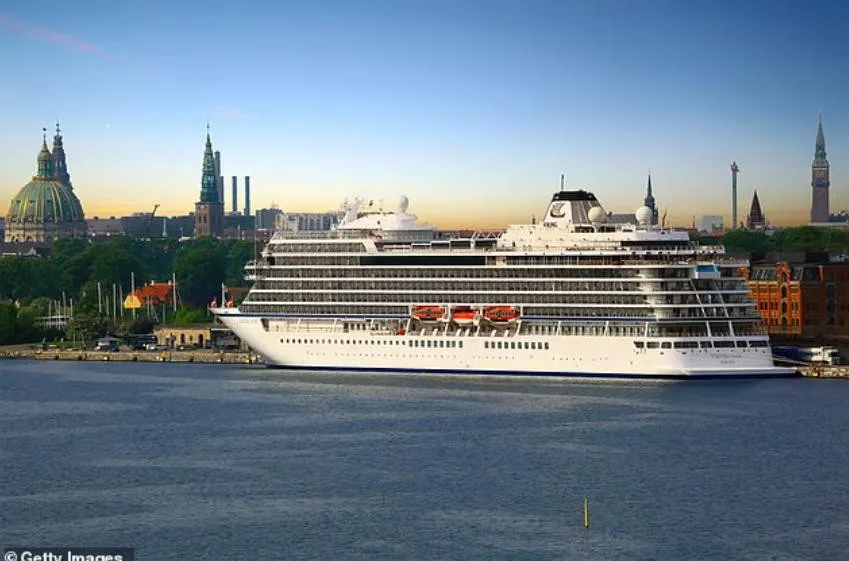
The cruise ship Rotterdam, operated by Holland America Line, departed from Fort Lauderdale, Florida, on December 28.
The 12-day itinerary included stops in Curaçao, Colombia, Costa Rica, and Jamaica, before returning to its starting point on January 9.
On board were 2,593 passengers and 1,005 crew members.
As the journey progressed, more and more people began to feel unwell.
By the end of the trip, 81 passengers and 8 crew members were suffering from diarrhea and vomiting.

Medical professionals later confirmed that the illness was caused by Norovirus, a highly contagious virus that leads to acute gastroenteritis.
Infections can occur through contact with vomit or feces, contaminated food, shared utensils, or even surfaces touched by an infected person.
Containment Measures on Board
Once the outbreak was identified, the ship implemented enhanced cleaning and disinfection procedures.
Stool samples were collected from infected individuals, and those who showed symptoms were isolated to prevent further spread.
On January 8, the cruise operator reported the outbreak to the Centers for Disease Control and Prevention.
The following day, Rotterdam returned to Fort Lauderdale, where the ship underwent a full sanitation process.
Fortunately, most cases were mild, and the situation was brought under control.
Still, the incident once again highlighted how vulnerable passengers can be in enclosed environments at sea.
When Illness Spreads in a Confined Space
Cruise ships are essentially floating cities.
When an infectious disease breaks out, fear spreads as fast as the virus itself.
For those on board, the anxiety is difficult to imagine from the outside.
Another case illustrates this reality even more vividly.
A “Super Flu” on a Mega Cruise Ship
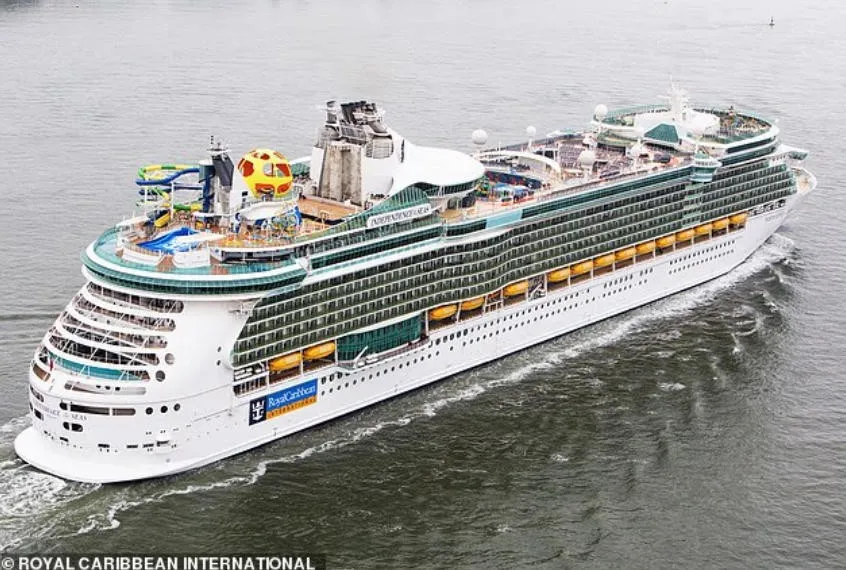
The cruise ship Independence of the Seas, operated by Royal Caribbean International, is a massive vessel with 15 decks and a capacity of more than 4,300 passengers.
During a holiday voyage around Christmas, a severe flu outbreak erupted onboard.
Doctors described it as extremely contagious and unusually aggressive.
One Family’s Holiday Becomes a Nightmare
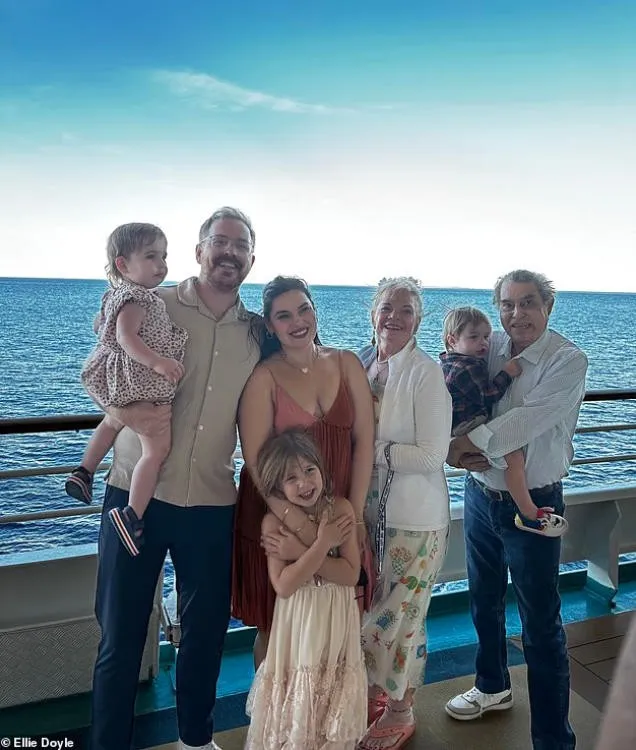
Ellie, 34, and her husband Michael, 41, traveled from Connecticut with their three children.
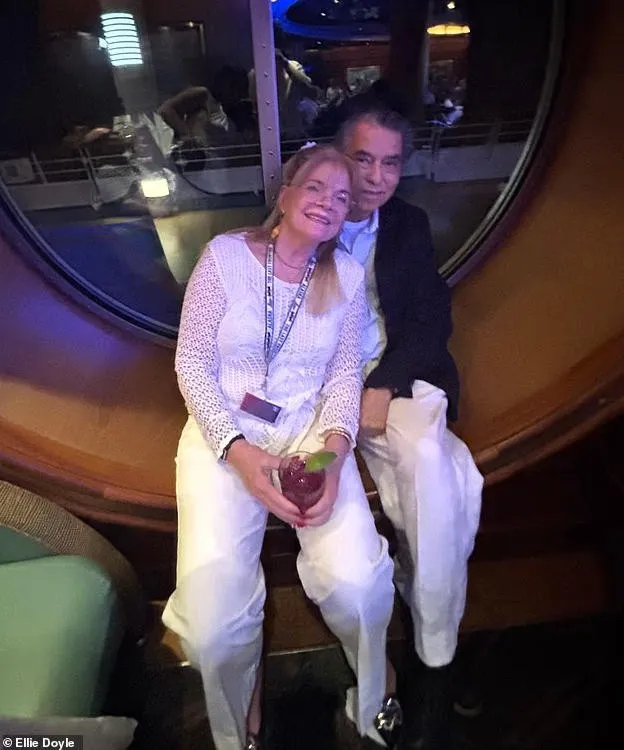
They were joined by Ellie’s parents and four siblings to celebrate her parents’ 50th wedding anniversary.
The family planned a seven-day cruise with stops in Nassau, San Juan, and St. Thomas.
What was meant to be a joyful reunion quickly turned into a nightmare.
Passengers began falling ill one after another.
Symptoms included high fever, intense body aches, vomiting, and difficulty breathing.
Many people were confined to their beds.
Some required oxygen support.
Within hours, the illness spread throughout the ship.
Children Fall Sick One by One
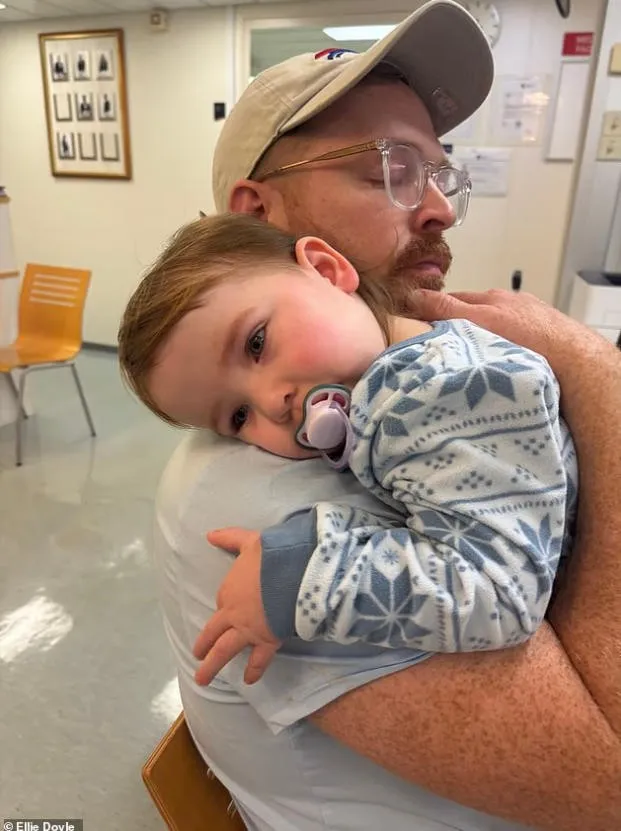
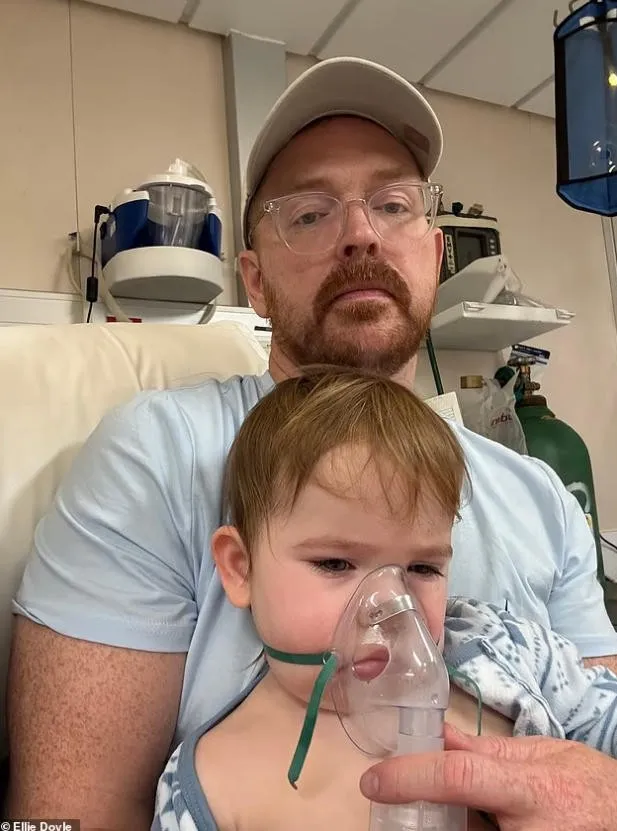
The first to show symptoms in Ellie’s family was her two-year-old daughter, Nora.
Nora has asthma, which immediately raised serious concerns.
Michael rushed her to the ship’s medical center.
Finding it took nearly 20 minutes.
The ship was chaotic.
Staff sent them back and forth between decks, changing instructions repeatedly.
Soon after, Ellie’s two-year-old son began vomiting and running a fever.
Her six-year-old daughter followed shortly after.
All three children had received flu vaccinations.
Other children who were unvaccinated appeared to suffer more severe symptoms.
Elderly Family Members at High Risk

The illness did not stop with the children.
Ellie’s 77-year-old father and 73-year-old mother both became sick.
Her father had previously undergone a kidney transplant and recently had gallbladder surgery.
His weakened immune system made the infection particularly dangerous.
Within 24 hours, Ellie went from a relaxed traveler to an overwhelmed mother counting down the days until they could return home.
Being at sea with sick children was terrifying.
There was no familiar medical system.
Health insurance was useless onboard.
One Doctor for Thousands of Passengers
As more passengers fell ill, tension spread across the ship.
According to Ellie, the cruise company never clearly explained what was happening.
Passengers could only guess based on what they heard in the hallways.
The most alarming detail was the medical staffing.
Despite having more than 4,000 passengers onboard, the ship reportedly had only one doctor.
The medical center was constantly overcrowded.
Waiting times were long.
Stress levels were high.
At one point, the ship changed course twice to make emergency stops in the Turks and Caicos Islands.
A passenger required urgent medical care, and the ship lacked sufficient supplies.
Many passengers were not informed about these decisions.
Uncertainty fueled fear.
Communication Breakdown and Growing Frustration
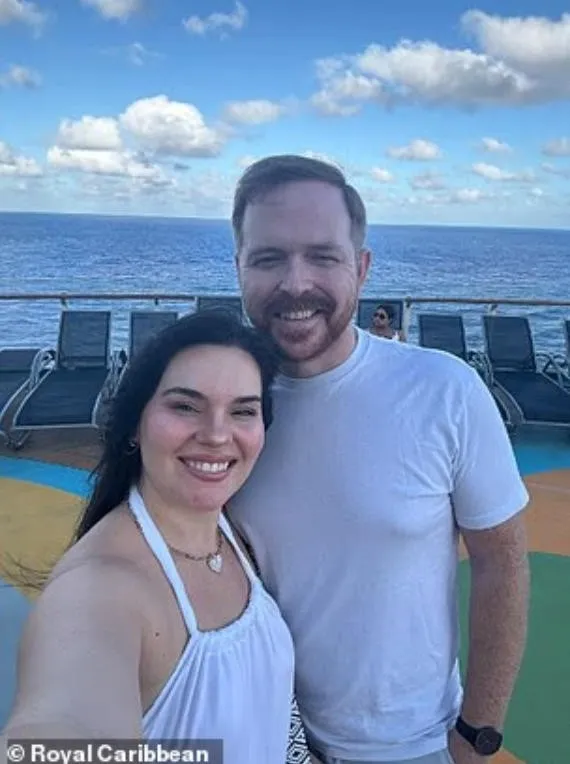
Ellie later described serious communication problems among the ship’s staff.
Medical personnel appeared overwhelmed and emotionally distant.
While the doctor remained professional, other staff members showed little empathy.
Ellie felt the company prioritized reputation over transparency.
Returning Home, But Not Recovering
On January 4, the ship finally returned to Miami.
Ellie’s family rented a car and drove home.
The sense of relief was short-lived.
The children continued vomiting during the two-day drive.
Back home, both parents became ill.
Michael later tested positive for influenza.
Ellie reflected on the experience with exhaustion and regret.
A Lesson Learned at Sea
This was Ellie’s 12th or 13th cruise.
It was also the most traumatic.
She has since made a firm decision.
She will never take her children on a cruise again.
She advises other parents to think carefully, especially during flu season.
If something goes wrong at sea, there is nowhere to escape.
No comfort.
No easy medical care.
And no quick way home.