





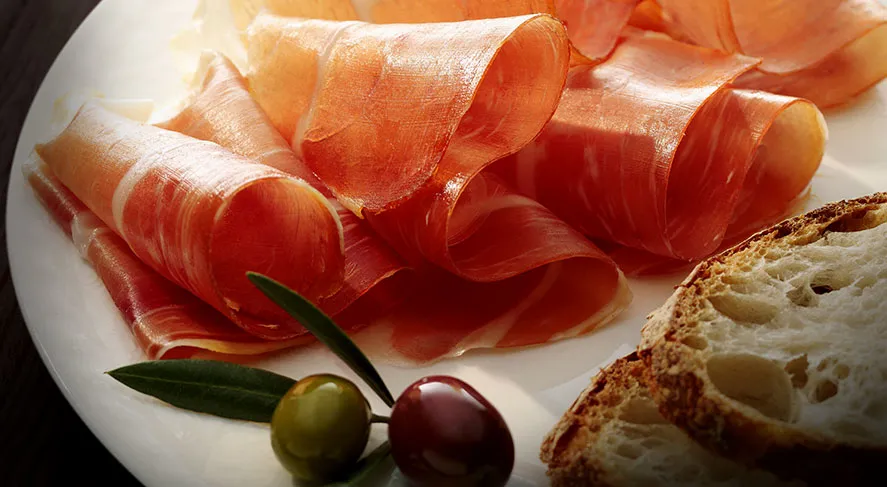
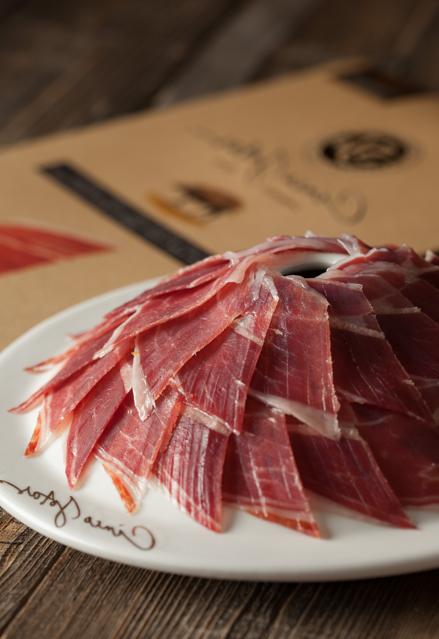
Close your eyes and imagine the taste: paper-thin slices of rich, ruby-red meat, marbled with creamy fat that melts on your tongue, releasing a symphony of nutty, savory, and slightly sweet flavors. This isn’t just food; this is Spanish Ham (Jamón), the soul of Spain served on a plate. More than a mere delicacy, it’s a living piece of history, a testament to centuries of craft, and an essential experience for any food lover. But what makes this ham so special? Let’s carve into its fascinating story, from ancient Roman trade to the modern tapas bar.
From Roman Coin to Culinary Icon: A History Carved in Salt
The story of Spanish Ham begins not in a modern jamonería, but over two millennia ago. While the Celts on the Iberian Peninsula enjoyed pork, it was the Phoenicians—master traders—who introduced advanced salting techniques to preserve it. This transformed pork legs from perishable goods into valuable commodities.
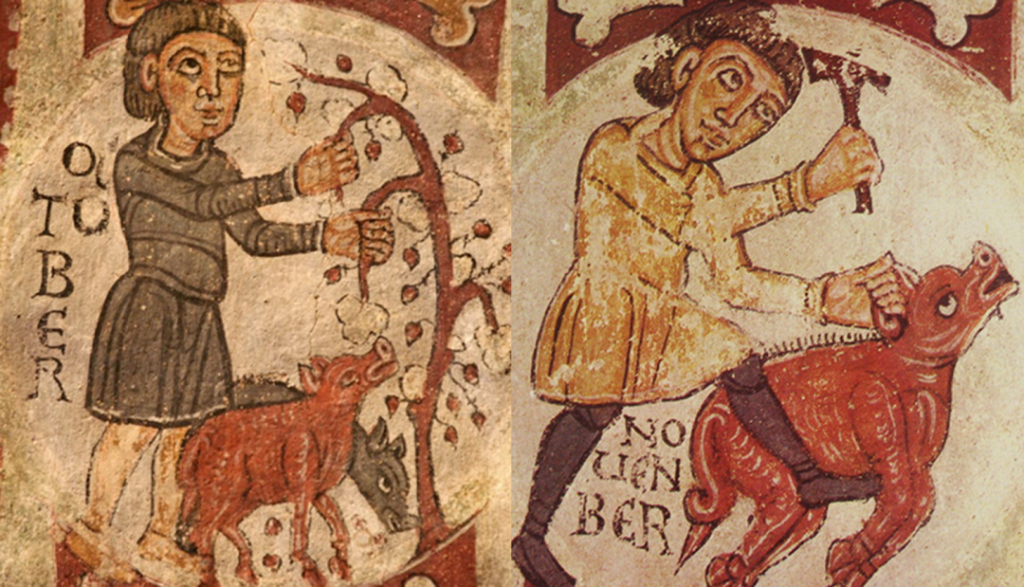
So prized was this preserved ham that during the reign of Roman emperors Augustus and Agrippa, coins were minted in the shape of a ham leg! This “pork currency” underscores how Spanish Ham was a cornerstone of ancient trade and culture, laying the foundation for a tradition that has only grown more refined with time. 

Navigating the World of Jamón: Your Guide to Types and Labels
Not all hams are created equal. Understanding the categories is key to appreciating its depth. First, know your cut: Jamón comes from the hind leg, prized for its richer fat and flavor. Paleta, from the front leg, is smaller and firmer.
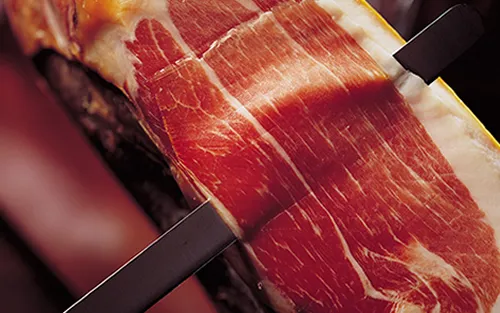
The true hierarchy, however, is defined by the breed and diet of the pig:
- Jamón Serrano: The “mountain ham.” Made from common white pigs fed on grains, it’s cured for 7-16 months. This is the accessible, everyday ham found in many markets and restaurants—delicious in its own right.
- Jamón Ibérico: The undisputed king. Made from the rare, black-hoofed Ibérico pig, its quality is strictly regulated by a color-coded label system based on purity and diet:
- Black Label (Jamón 100% Ibérico de Bellota): The pinnacle. From purebred Ibérico pigs fattened exclusively on acorns (bellota) during the Montanera season, roaming free in the oak forests (dehesas). The flavor is incomparably complex and nutty.
- Red Label (Jamón Ibérico de Bellota): From pigs with a minimum of 50% Ibérico lineage, also acorn-fed and free-range.
- Green Label (Jamón Ibérico de Cebo de Campo): From pigs (50%+ Ibérico) fed a mix of grains and pasture, with some free-range time.
- White Label (Jamón Ibérico de Cebo): From pigs (50%+ Ibérico) fed only grains in pens.

The Artisan’s Touch: The Traditional Craft of Curing
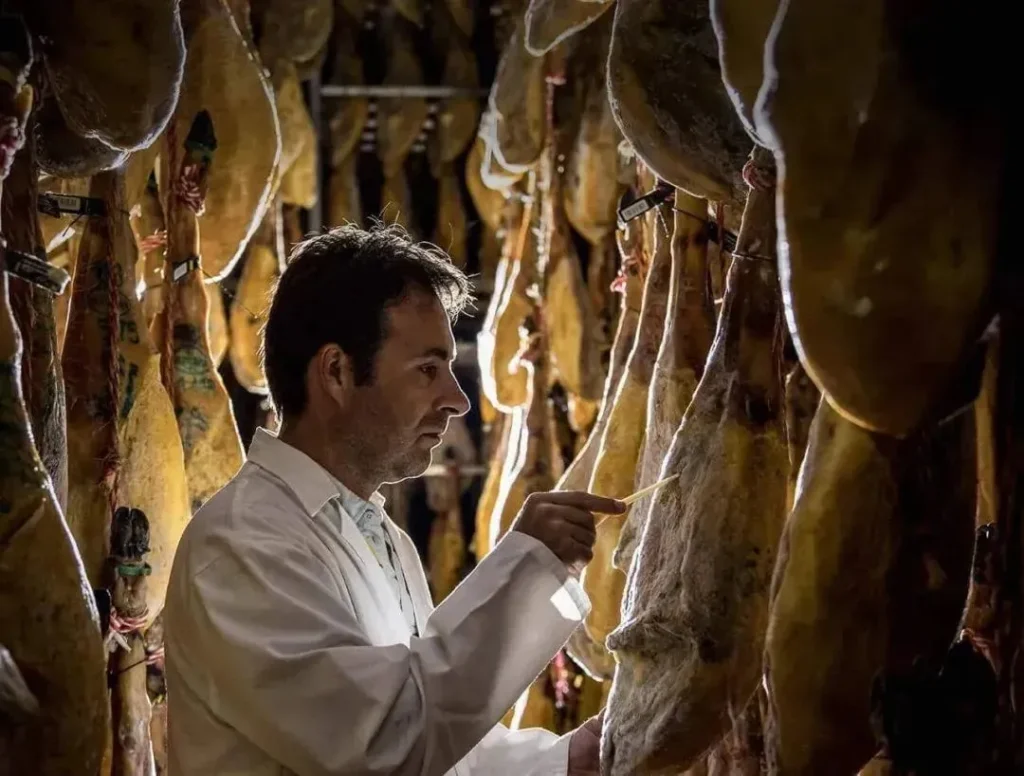
Transforming a fresh leg into sublime Jamón is an exercise in patience and skill, guided by nature. After a pig reaches maturity, the hind legs are carefully trimmed, with a characteristic “V” cut near the hoof to aid curing. They are then buried in coarse sea salt, washed, and begin their long slumber in natural curing cellars.
Here, the magic happens over years, not months. Controlled mountain breezes and seasonal temperature fluctuations work in harmony. The fat slowly melts and re-infiltrates the muscle, while enzymes break down proteins, developing the ham’s profound depth of flavor and signature silken texture. It’s a slow dance between man, animal, and environment.
From Plate to Pan: How to Enjoy Spanish Ham
The beauty of Spanish Ham lies in its versatility. Here’s how to savor it.
The Art of Simplicity: Serving & Pairing
1、Solo Star: The ultimate test of quality. Savor it alone, at room temperature, sliced tissue-paper thin to allow the fat to melt instantly on your palate.
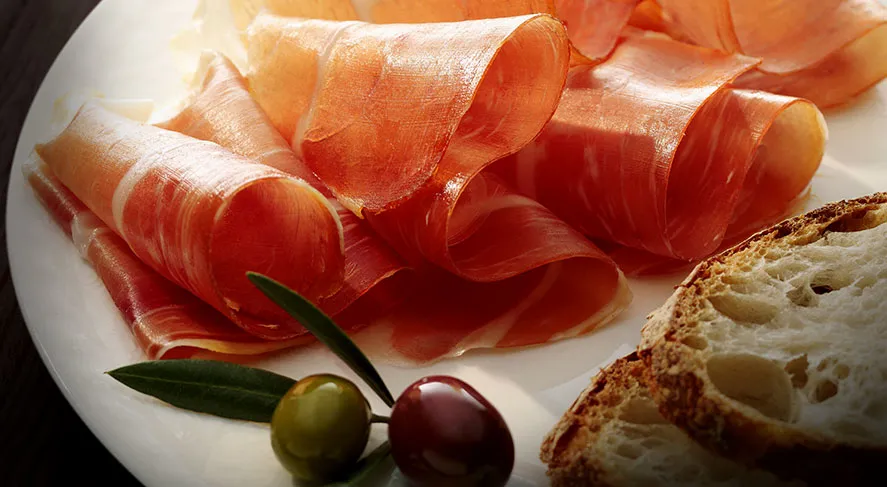
2、Classic Pairings: Drape it over fresh bread rubbed with tomato (Pan con Tomate), or pair it with sharp Manchego cheese. The timeless combination with sweet melon or figs creates a perfect sweet-salty harmony.

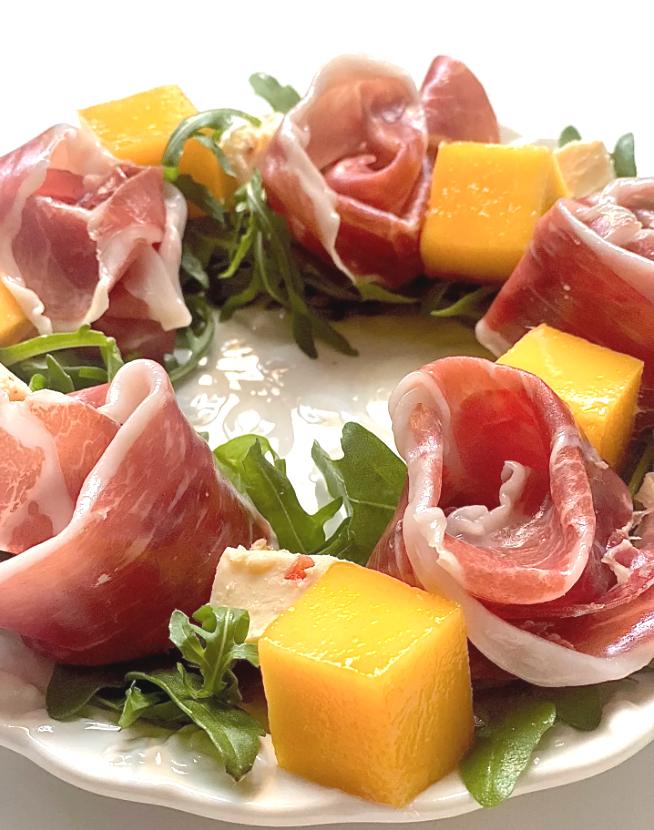
3、In Salads: Add it to a salad of peppery arugula, shaved Parmesan, and a simple vinaigrette for a burst of umami.
Culinary Creations: Cooking with Jamón
While best enjoyed raw, it can elevate cooked dishes immensely.
1、Croquetas de Jamón: These creamy béchamel and ham fritters are a tapas bar staple. The ham infuses the béchamel with its smoky saltiness.
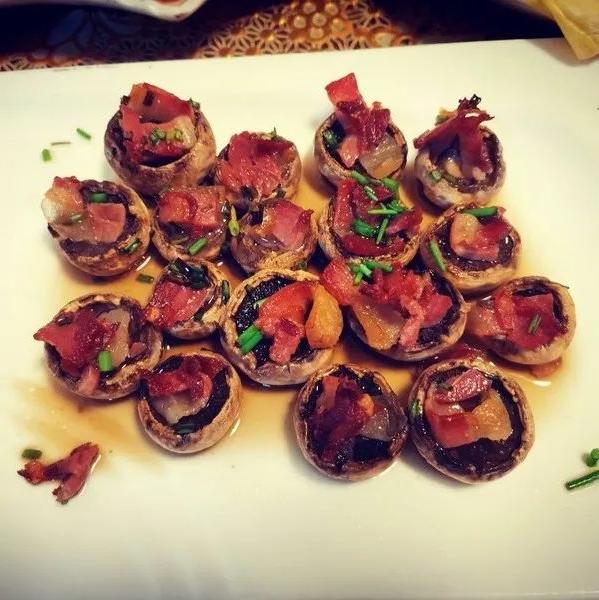
2、Stuffed Mushrooms (Champiñones Rellenos): Fill button mushrooms with a mix of finely chopped ham, garlic, and parsley, then bake until golden.
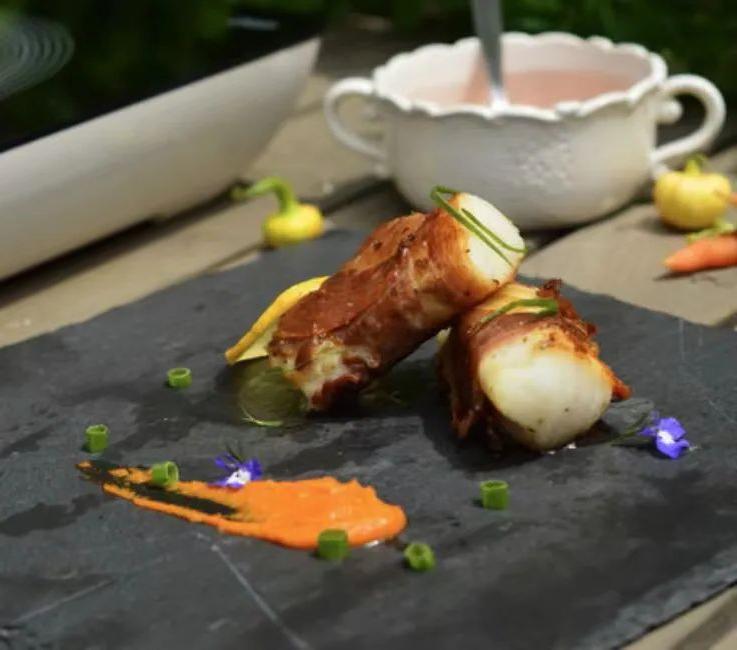
3、Ham-Wrapped Fish: Wrap a mild white fish like cod or monkfish in a slice of Serrano ham before pan-searing. The ham crisps up, basting the fish in flavorful fat.
From its echoes in ancient Roman commerce to its status as a modern gourmand’s treasure, Spanish Ham is a journey through taste and time. It embodies a dedication to heritage, terroir, and slow food. Whether you’re enjoying a simple slice or using it to transform a dish, you’re partaking in a delicious piece of Spanish soul. ¡Buen provecho!