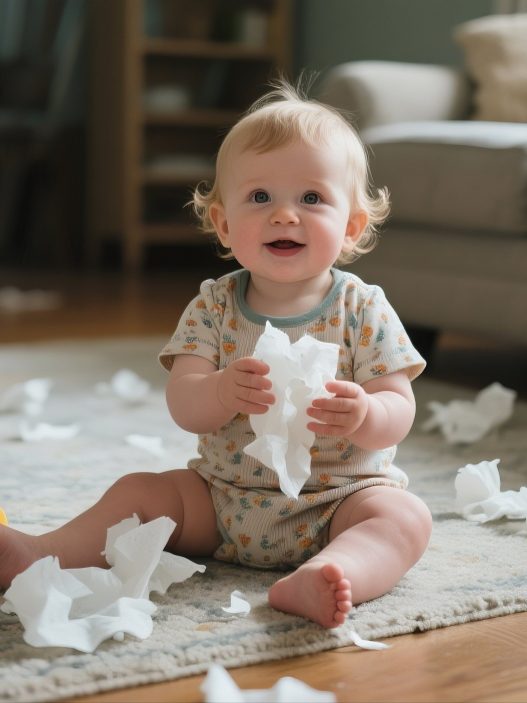








Dogs and children can form a strong bond when expectations are clear and boundaries are respected. Some Dogs naturally enjoy being around kids and seem to instinctively understand their behavior. Even so, every dog needs structure, guidance, and training to remain safe around children.
Not all dogs feel comfortable with kids. Some may experience Fear or stress when exposed to loud noises or sudden movements. While many dogs can learn to tolerate children from a safe distance, others may never be suitable for close interaction.
If children live in or frequently visit your home, childproofing your dog becomes an essential responsibility for protecting both people and pets. 
1. Socialize Your Puppy Early
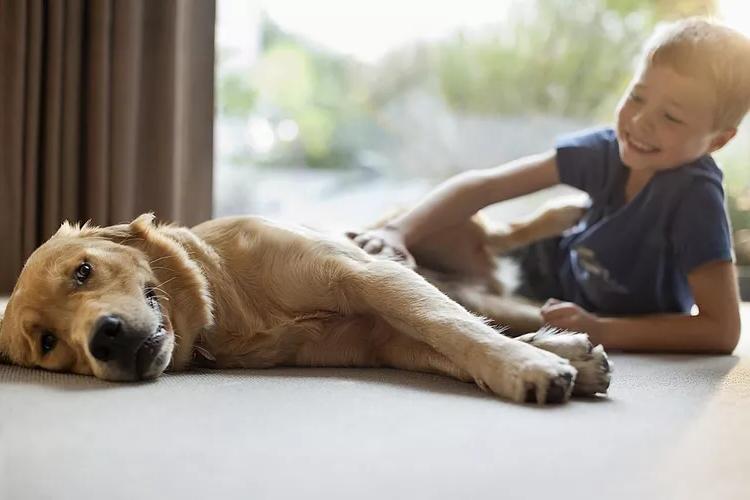
Puppies go through a critical developmental stage between 8 and 16 weeks of age. During this period, proper Socialization helps them become comfortable with new people, environments, and experiences.
Introducing puppies to children in positive, controlled situations encourages confidence. Children should be calm, gentle, and respectful. When early interactions are pleasant, puppies learn to associate children with safety and positive emotions.
Adult dogs can also benefit from socialization, but the process should be slower. Use Positive reinforcement such as treats and praise, and remove the dog immediately if signs of stress appear.
2. Start an Obedience Training Program
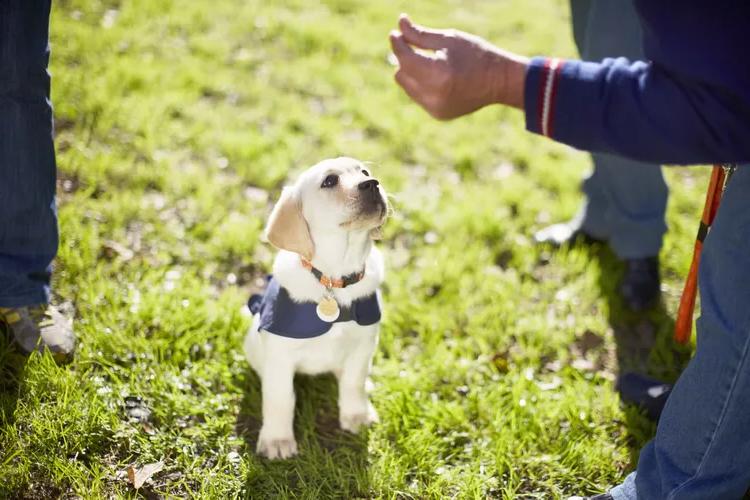
A well-trained dog is significantly safer around children. Basic Dog training teaches essential behaviors such as sitting, lying down, and staying calm under instruction.
For example, a dog that instinctively jumps up to greet people can be trained to lie down instead, reducing the risk of injury to small children. Group training classes are often effective, as they allow dogs to practice obedience while surrounded by distractions.
3. Practice Handling Exercises at Home
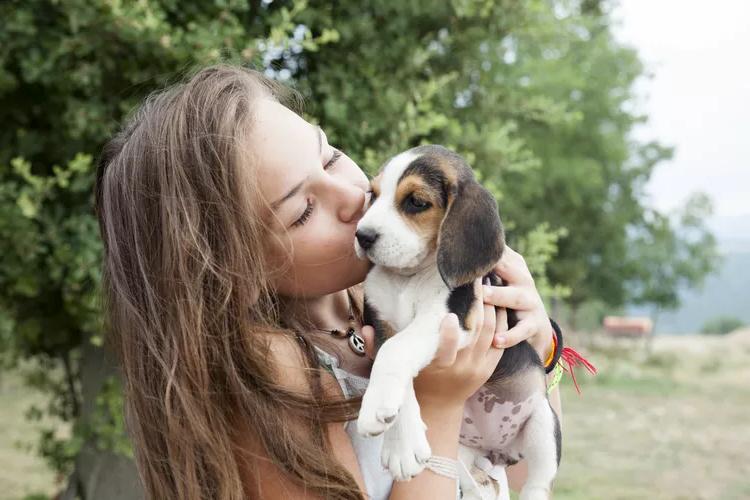
Even well-meaning children may hug tightly, grab ears, or pull tails without realizing the impact. Preparing your dog for physical contact helps reduce anxiety-related reactions.
Gently handling a dog’s paws, ears, and tail—while offering praise—helps desensitize it to touch. If the dog displays discomfort, avoidance, or stress, children should interact only at a safe distance.
4. Prevent Jumping Behavior
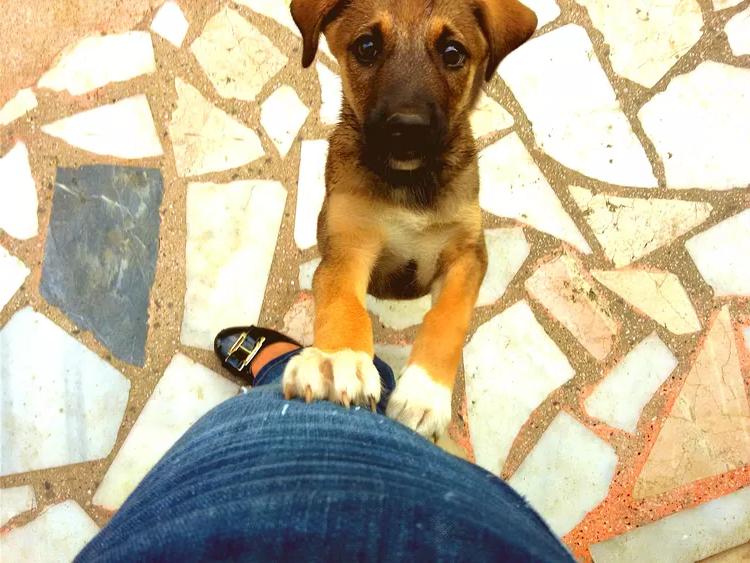
Jumping may seem harmless, but it can easily knock over a child. Teaching impulse control is essential.
If your dog jumps when greeting people, calmly turn away and withhold attention. Reward calm behavior instead. Over time, the dog learns that keeping all four paws on the ground results in positive outcomes.
5. Introduce Children’s Toys Gradually
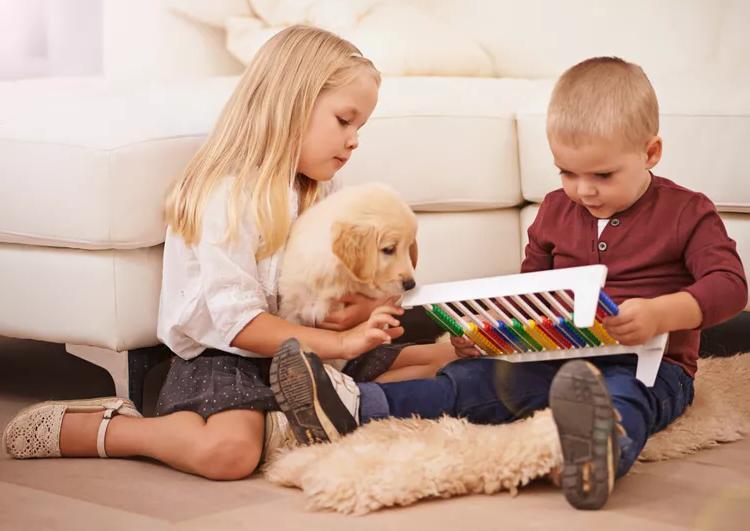
Children’s toys often move unpredictably, make noise, or roll quickly—stimuli that can trigger Prey drive in dogs.
Allow your dog to explore these toys without children present. Use commands such as “leave it” and reward calm behavior. Sensitive dogs should be reassured with treats when remaining relaxed around unfamiliar objects.
6. Help Your Dog Understand Child Behavior

Children behave differently from adults—they run, shout, and move erratically. Gradual exposure helps dogs adapt to these patterns.
Practice exaggerated movements and higher-pitched voices while reinforcing calm responses. Visiting parks or playgrounds from a distance allows dogs to observe children safely. Increase proximity only when the dog remains relaxed.
7. Crate Train for a Safe Space
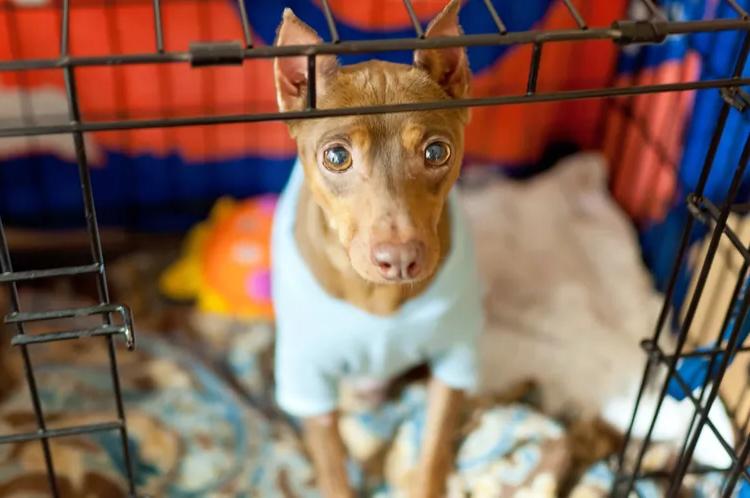
Dogs cope better with children when they have a personal retreat. Crate training provides a secure space where dogs can rest and decompress.
Children must be taught that the crate is off-limits. This ensures the dog always has a place where it feels safe and unbothered.
8. Never Force Interactions

Restraining a dog so a child can pet it often increases stress. A fearful dog may resort to growling, snapping, or biting as a defensive response.
Instead, allow the dog to approach children voluntarily and retreat when needed. Choice and control build confidence.
9. Reinforce Positive Experiences
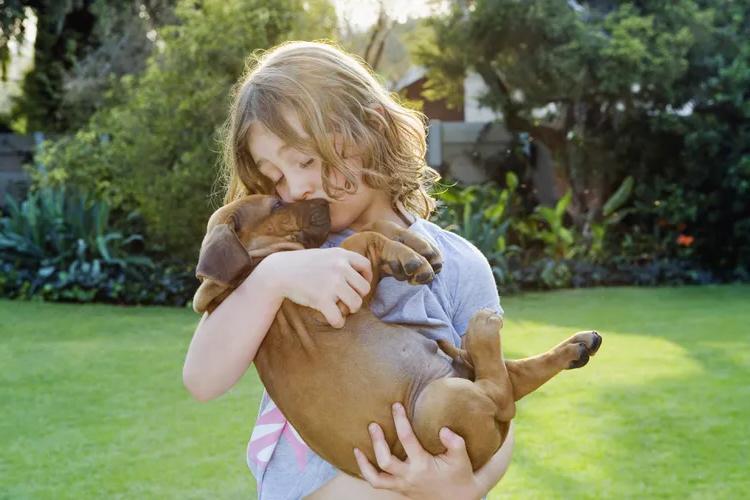
Consistent positive experiences strengthen trust. When a dog behaves calmly around children, reinforce the behavior with praise, treats, or affection.
This method helps dogs associate children with comfort and reward, encouraging reliable behavior over time.
10. Teach Children Clear Rules
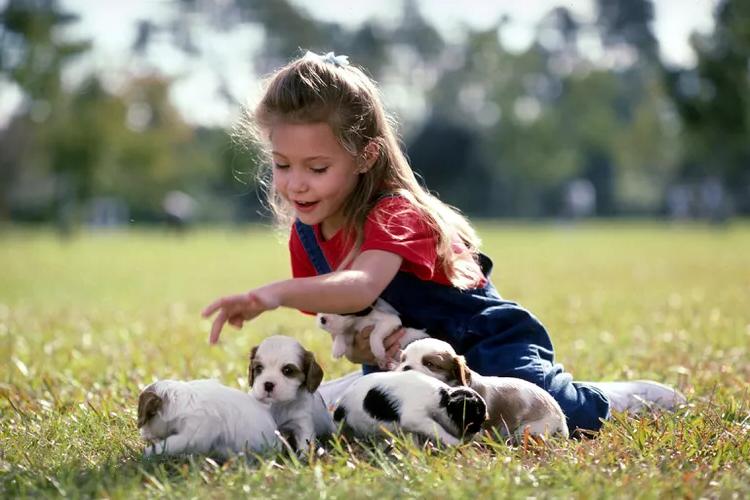
Dogs are not the only ones learning—children need guidance too. Every child should understand these rules:
- Pet dogs gently
- Never force attention
- Avoid the dog’s crate
- Do not approach while the dog is eating or chewing
- Leave sleeping dogs alone
- Ensure adult supervision at all times
Children should never be left alone with a dog.