







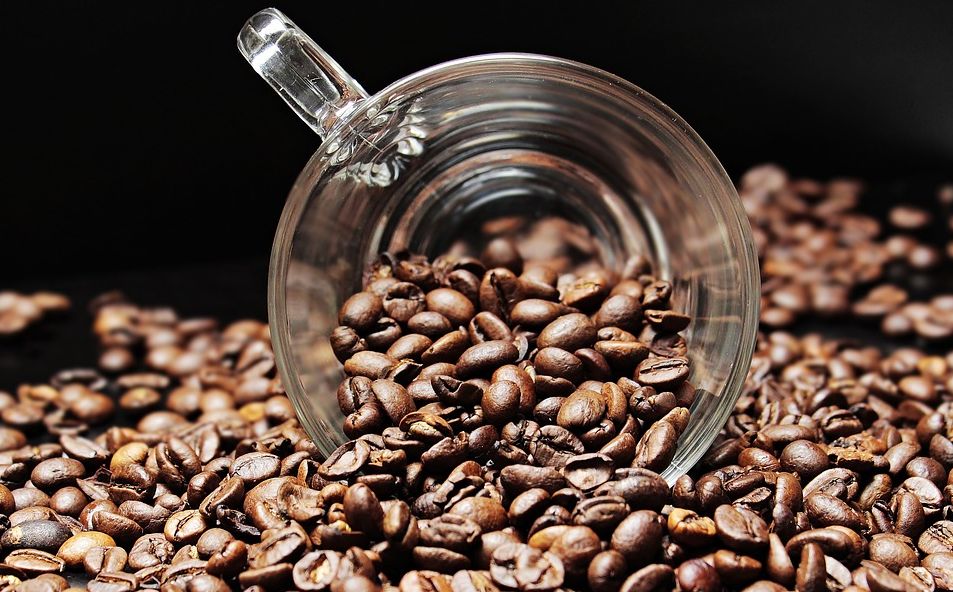
Who could have imagined that the humble coffee bean—those small, mysterious seeds—would journey across oceans and centuries to captivate the Western world? From its ancient origins, coffee has transformed from an exotic novelty to a daily essential, evolving alongside human civilization itself. Its enduring appeal raises a fascinating question: what gives coffee such remarkable power to adapt and thrive across cultures? The answer lies in its incredible versatility. Like a canvas awaiting the artist’s touch, coffee embraces endless interpretations. Whether it’s the customizable toppings on pizza or the seasonal variations in sushi, coffee shares this beautiful adaptability. No matter how boundless your curiosity, there’s always room for discovery in a coffee cup. Let’s embark on a journey to explore some of the world’s most extraordinary unique coffee experiences.
Descending for Delight: Ukraine’s Underground “Mine” Café
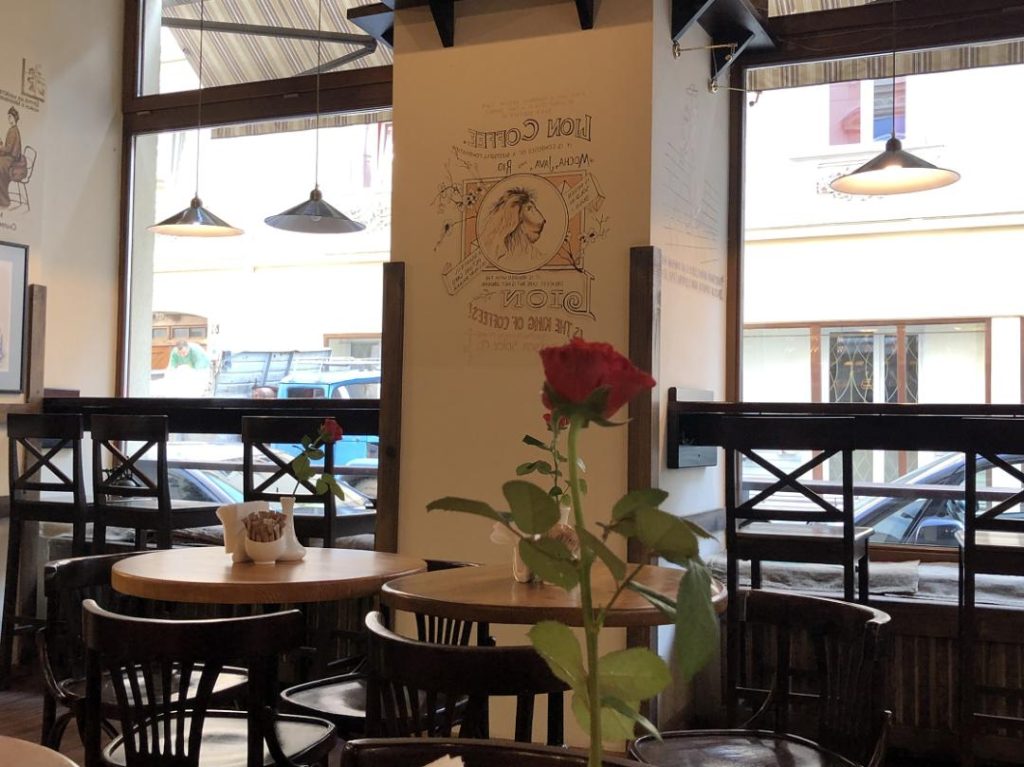
In the western Ukrainian city of Lviv, an extraordinary establishment known as the “Coffee Mine” offers one of the world’s most theatrical unique coffee experiences. More than just a café, it’s a fully immersive adventure.
The Descent Into Darkness
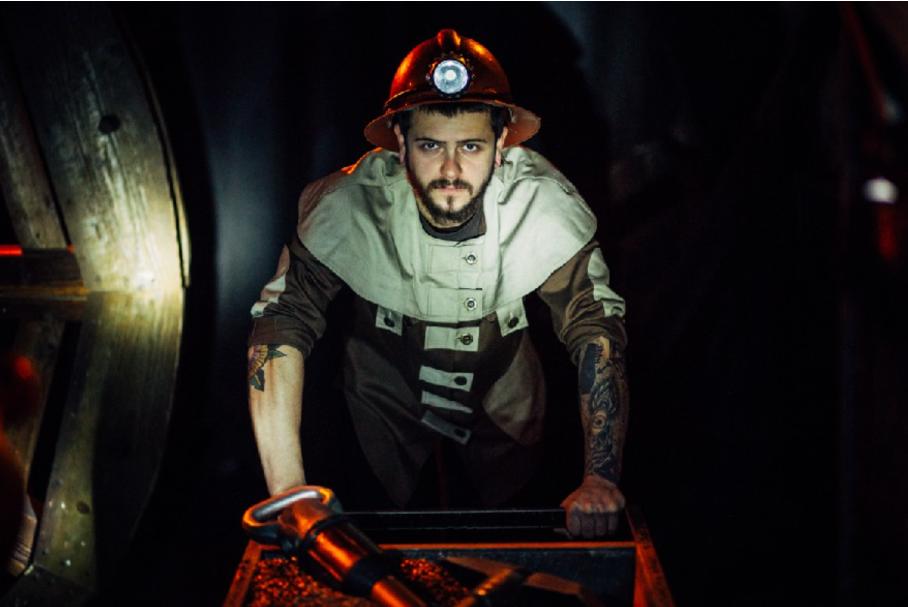
Upon entering, visitors are handed authentic miner’s helmets before being guided down a narrow, dimly lit shaft. The air grows cool, the ceiling lowers, and the unmistakable, rich aroma of roasting coffee beans becomes your guide. This isn’t your typical coffee run—it’s a descent into a subterranean world dedicated to the bean. 
The Spectacle of Fire-Roasted Coffee
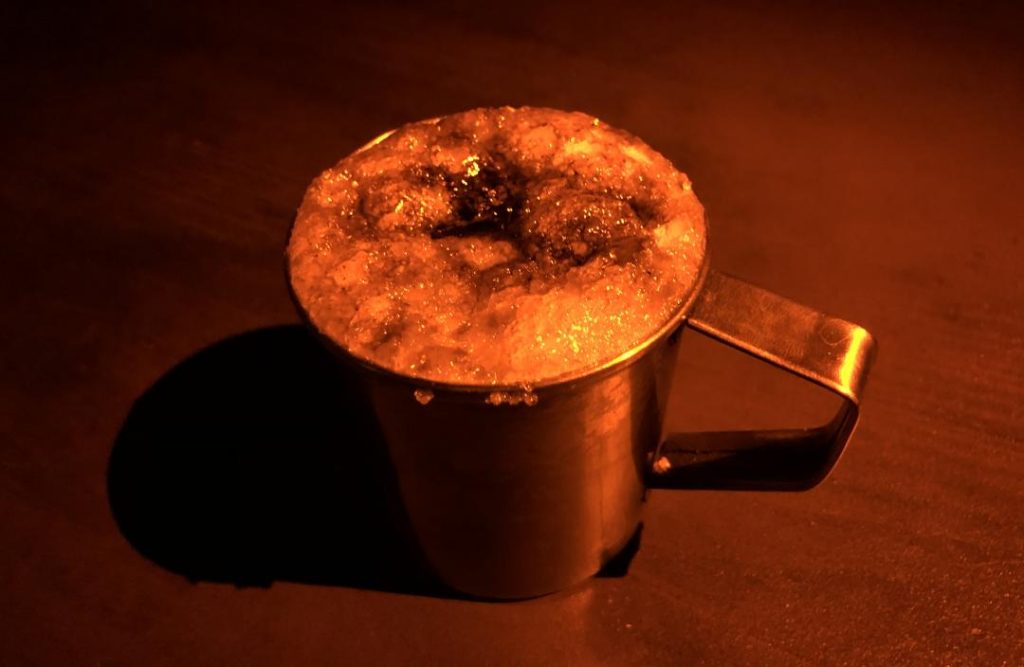
The café’s signature drink is its legendary “Fire Coffee.” The preparation is a breathtaking performance. A server presents a stainless-steel cup filled with coffee and unceremoniously dumps a handful of sugar directly into it. Then, without warning, they pull out a culinary blowtorch.
In the near-darkness, the sudden blaze illuminates faces, glints off the metal cup, and caramelizes the sugar crystals into a sparkling crust. The barista, shrouded in shadow, moves with the precision of a master painter—the entire scene reminiscent of a Rembrandt painting come to life. It’s a unique coffee experience that engages all your senses.
More Than Just a Drink
The menu features whimsically named creations like “Good Morning,” “A Rainy Day,” and even “Lovers’ Coffee”—served in one large cup for two to share, turning a simple drink into an intimate ritual. This Ukrainian gem proves that coffee can be an entire adventure.

The Canvas in Your Cup: Ireland’s Edible Coffee Art
While Ireland is famous for its Irish coffee (whiskey-laced coffee topped with cream), its creativity doesn’t stop there. In Dublin, some talented baristas have elevated the humble latte into a gallery of foam.
Painting with Precision
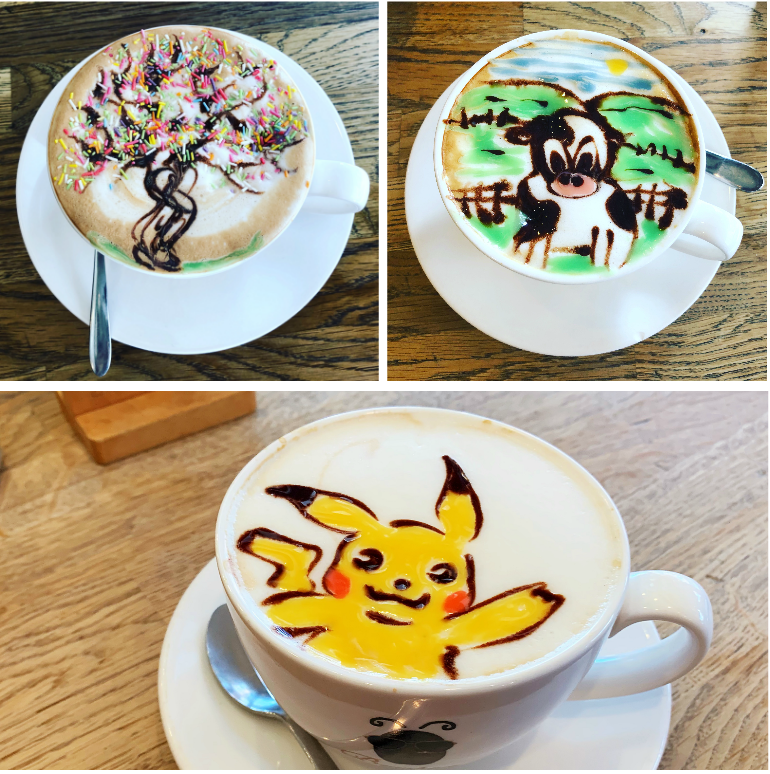
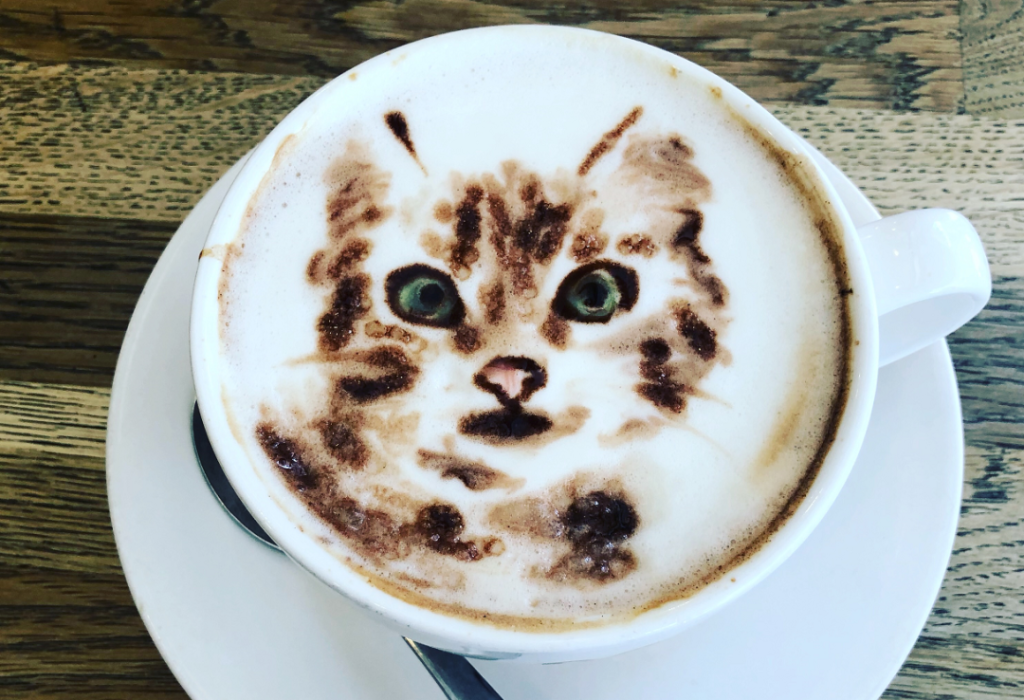
Using fine-tipped tools, edible food coloring, chocolate powder, and sprinkles, these artists transform the creamy canvas of milk foam into intricate masterpieces. You might find the national shamrock, a cheerful Pikachu, the Dublin skyline, or a blooming tree floating atop your cappuccino.
The Joy of the Unknown
Part of the charm is the element of surprise. If you don’t specify a design, the barista might create something based on their mood, the weather, or a fleeting inspiration. Ordering a mocha suddenly feels like unwrapping a delicious, caffeinated gift. This personalized, artistic touch creates a truly unique coffee experience that begins with your eyes before delighting your palate.
A Lesson in Patience: The Unhurried Ritual of Turkish Coffee
In Turkey, coffee is not a hurried grab-and-go affair. It is a slow, ceremonial preparation that demands and rewards patience—a unique coffee experience steeped in tradition.
The Sand-Brewed Method
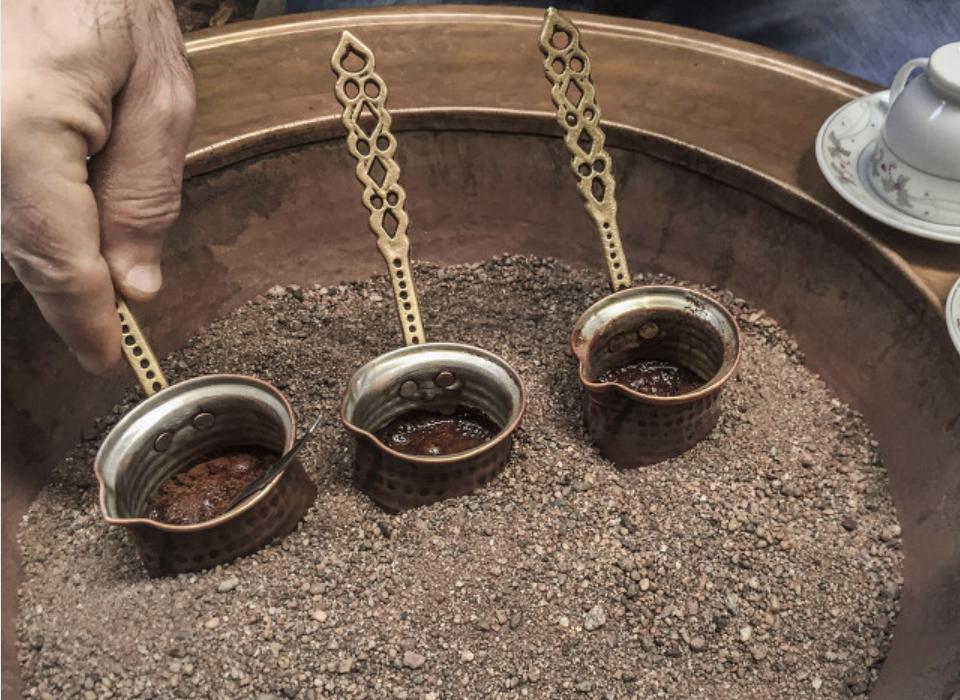
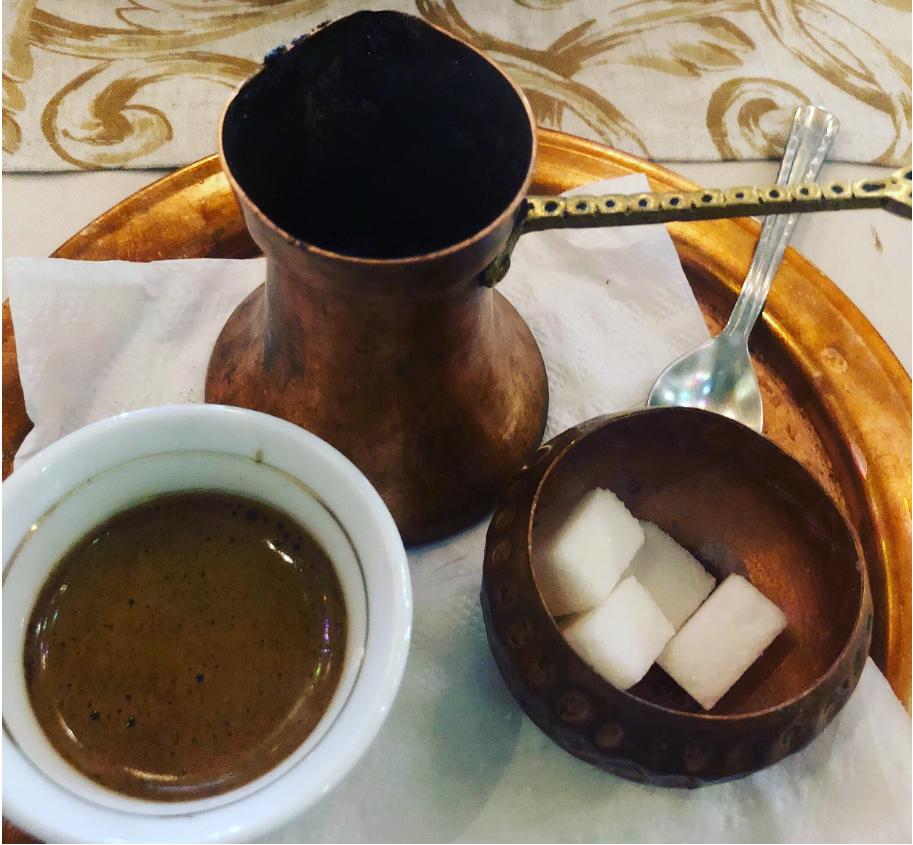
Traditional Turkish coffee is prepared in a small, long-handled copper pot called a cezve. It is gently heated in a tray of hot sand, which allows for exceptionally even and controlled heating without direct flame. Watching the barista tend to the pot, waiting for the coffee to froth and rise just so, is a meditation in itself.
Reading the Grounds
True to its tradition, Turkish coffee is served unfiltered. The fine grounds settle at the bottom of the small, fragrant cup, creating a thick, potent brew. This requires sipping slowly and deliberately. The ritual invites contemplation, mirroring the country’s own layered history. In a charming local twist, the leftover grounds are sometimes used for fortune-telling, adding a touch of mystery to the finish of your cup. It is always served with a glass of water—a crisp, clean counterpart to the intense, silty coffee.
A Sweet Serbian Variation
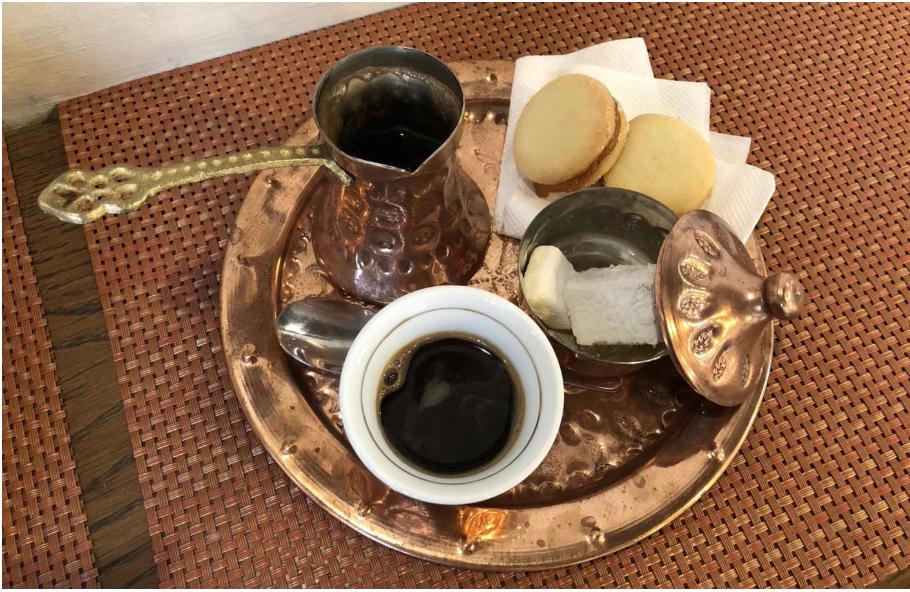
A similar tradition exists in the Balkans. In Serbia’s capital, Belgrade, you might be served a strong, Turkish-style coffee alongside a piece of very sweet, soft candy (slatko). The ritual involves taking a bite of the candy and a sip of coffee simultaneously, creating a perfect balance of bitter and sweet that lingers on the tongue and in memory.
Bitter Memories: The “Coffee” of Necessity
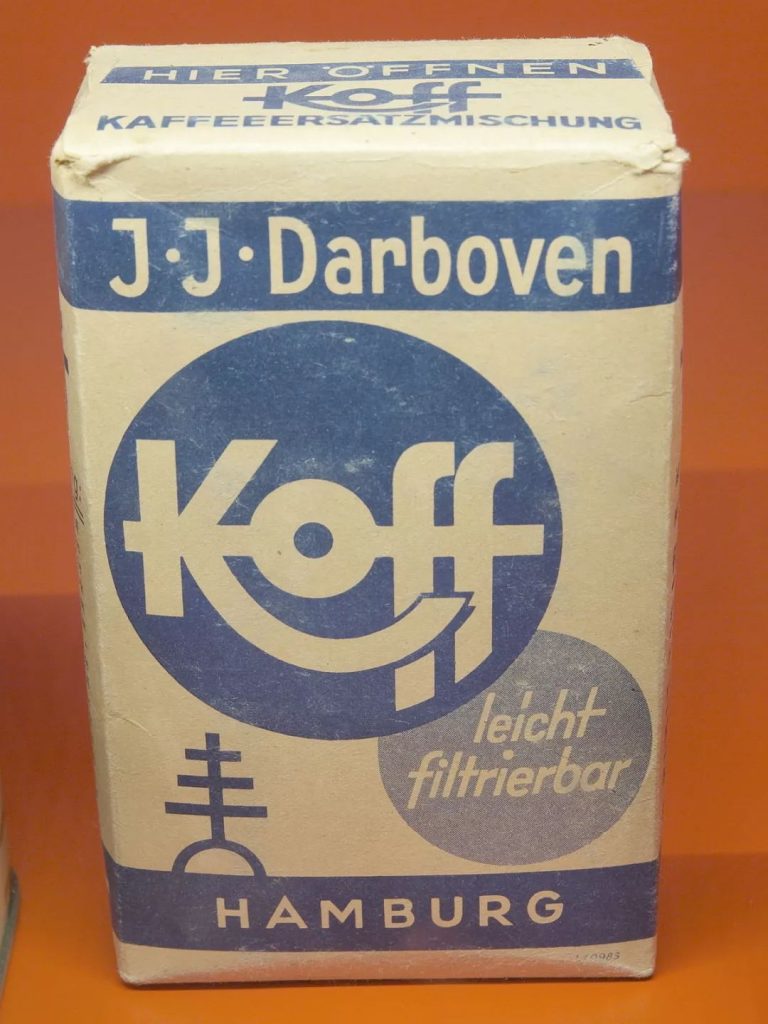
Coffee’s deep integration into European life faced a severe test during the hardships of the two World Wars. With real coffee scarce or unavailable, people turned to creative, often unpalatable, substitutes.
The Brew of Scarcity
Soldiers and civilians concocted brews from roasted grains like barley, chicory root, acorns, figs, and even peas. These mixtures were designed to mimic coffee’s color and bitterness but lacked its complex aroma and stimulating power. Chicory, in particular, became a widespread stand-in, its roasted root providing a vaguely coffee-like bitterness.
A Symbol of Resilience
These “ersatz” coffees were a testament to human resilience but also a poignant reminder of deprivation. They represent a chapter in coffee’s history where the drink became a symbol of what was missing, a bitter echo of normality in turbulent times. This historical detour adds depth to our appreciation of the genuine article today.
From Bean to Journey: Embracing Coffee’s Infinite Stories
Today, as we enjoy everything from keto-friendly bulletproof coffee to dessert-like affogato, it’s easy to forget the vast, turbulent, and beautiful history contained within each tiny bean.
These unique coffee experiences—from Ukrainian mines to Irish canvases, from Turkish ceremonies to wartime substitutes—remind us that coffee is more than a beverage. It is a connector of people, a catalyst for creativity, and a resilient companion through history’s highs and lows. So the next time you lift your cup, remember: you’re not just having a drink; you’re tasting a story that spans the globe.