







There are moments in life when emotions completely take over.
You may feel frozen by sadness, overwhelmed by anxiety, spiraling into panic, or so angry that you almost hurt the people you love most. Sometimes, old traumatic feelings suddenly resurface without warning.
In moments like these, there is a method that works fast, is clinically supported, and surprisingly simple—so simple that many people overlook it.
That method is breathing. 
Research in clinical psychology and neuroscience has consistently shown that specific breathing patterns can quickly change the body’s physiological state, which in turn shifts emotional experience. Within just a few breaths, you can return to the present moment—and back to a sense of safety.
Sometimes, a single deep breath really can change everything.
Why Deep Breathing Calms the Body So Quickly
You may have noticed this yourself: when you’re tense or anxious, taking a few slow breaths often brings immediate relief. But why does this happen?
The explanation comes from neuroscience.
In 1994, American neuroscientist Stephen Porges proposed the Polyvagal Theory. This theory explains how the vagus nerve plays a crucial role in emotional regulation and stress response.
According to the theory, the vagus nerve has two primary branches:
- Ventral vagal complex – associated with safety, calmness, and social connection
- Dorsal vagal complex – activated during extreme threat, shutdown, or overwhelm

How breathing affects these systems
- When you practice slow, deep, rhythmic breathing, the movement of the diaphragm stimulates the ventral vagal system.
This sends a powerful signal to the brain: “I’m safe.”
The result is a positive feedback loop:
relaxation → steadier breathing → deeper relaxation - In contrast, during intense stress or fear, the dorsal system dominates.
Breathing becomes shallow, fast, and irregular—reinforcing the message that the environment is dangerous and keeping the body stuck in tension.
By consciously changing the breathing pattern, we can shift which vagal system is in control—and directly influence emotional state.
Breathing becomes the bridge between body and mind.
This is why numerous studies show that deep breathing can:
- Reduce negative emotions
- Lower stress levels
- Improve sleep quality
- Increase focus and attention
With consistent practice, breathing can even induce profound states of calm—described by some as a vast, ocean-like sense of peace, free from fear or worry.

When Emotions Spiral, Breathing Is the Best “Emergency Brake”
We’re naturally drawn to emotionally stable people—not because they never feel intense emotions, but because they know how to regulate them.
Emotional regulation, however, is not easy.
When emotions surge, the brain’s emotional center—especially the amygdala, which triggers fight-or-flight—becomes highly activated. Meanwhile, the prefrontal cortex, responsible for reasoning and self-control, temporarily loses influence.
In that state, the mind is like a speeding car with failed brakes.
This is why telling yourself to “calm down” rarely works—and why hearing it from others often feels useless or even irritating.
Breathing is different.
It is one of the very few emotional regulation tools we can control directly, and it acts straight on the nervous system.
That’s why breathing works so well during emotional breakdowns:
- No tools required – You can do it anytime, anywhere
- Fast results – Just a few slow breaths can shift your state
- Bottom-up regulation – It calms emotions by changing the body first
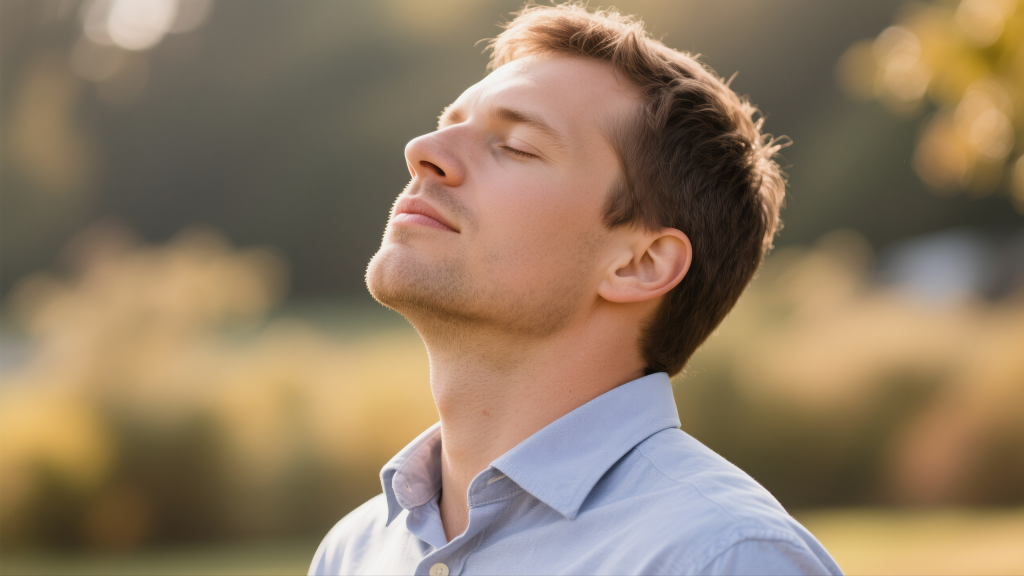
Emotions are like waves. They always pass—but unmanaged waves can cause real damage.
You may not become emotionally stable overnight, but learning to breathe gives you a reliable way to hit the brakes when it matters most.
Breathing Brings You Back to the Present Moment
Most emotional regulation techniques aim to do one thing: bring awareness back to the present.
Negative emotions often pull us away from now:
- Rumination keeps us trapped in the past
- Worry drags us into an imagined future
Breathing, however, only happens in the present.
You cannot breathe in the past or the future.
Even simply noticing your breath anchors you in the now.
This may be why studies show that breathing practices can sometimes outperform mindfulness meditation when it comes to reducing negative emotions—because breathing requires less effort and aligns with natural biological rhythms.
You don’t need to force your thoughts to stop.
You just need to feel your breath—and you’re back in your body, back in the moment, back in calm.
Before the Big Moment: Don’t Forget to Breathe
Breathing doesn’t just calm—it optimizes performance.
In the film Leap , coaches repeatedly remind Chinese women’s volleyball players to coordinate breath with movement—exhaling during force, inhaling during preparation. Breathing directly impacts power, endurance, and coordination.
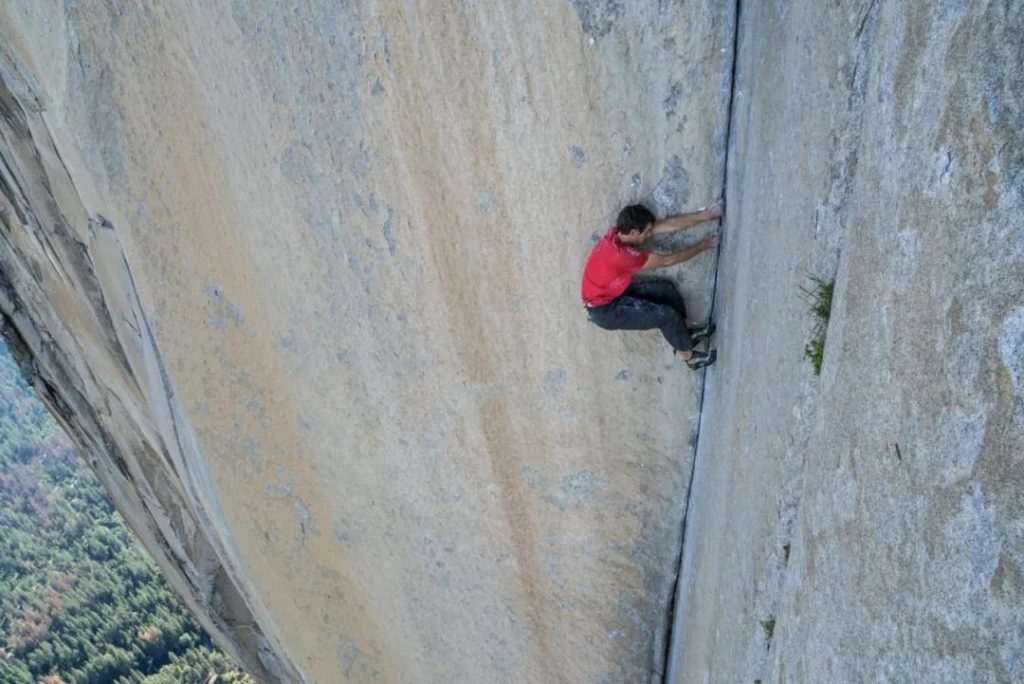
In the documentary Free Solo, climber Alex Honnold relies almost entirely on precise breath control while free climbing without ropes. In his case, breathing quite literally determines life or death.
Research confirms that beyond relaxation, certain breathing techniques can:
- Improve physical performance
- Enhance decision-making
- Increase mental clarity under pressure
Before your next big task—pause and breathe.
Breathing as a Tool for Trauma Healing
For many people with Post-traumatic stress disorder (PTSD), trauma isn’t just emotional—it’s physiological.
Studies show that PTSD often involves dysregulation of the sympathetic and parasympathetic nervous systems, leaving the body stuck in survival mode.
This can cause:
- Extreme startle responses
- Sudden rage
- Freezing when touched
- Constant hypervigilance
Breathing is unique because it is both automatic and consciously controllable.
Through intentional breathing practices, people with trauma can gradually restore healthier nervous system rhythms—returning the body to a steady, predictable pattern similar to life before trauma.
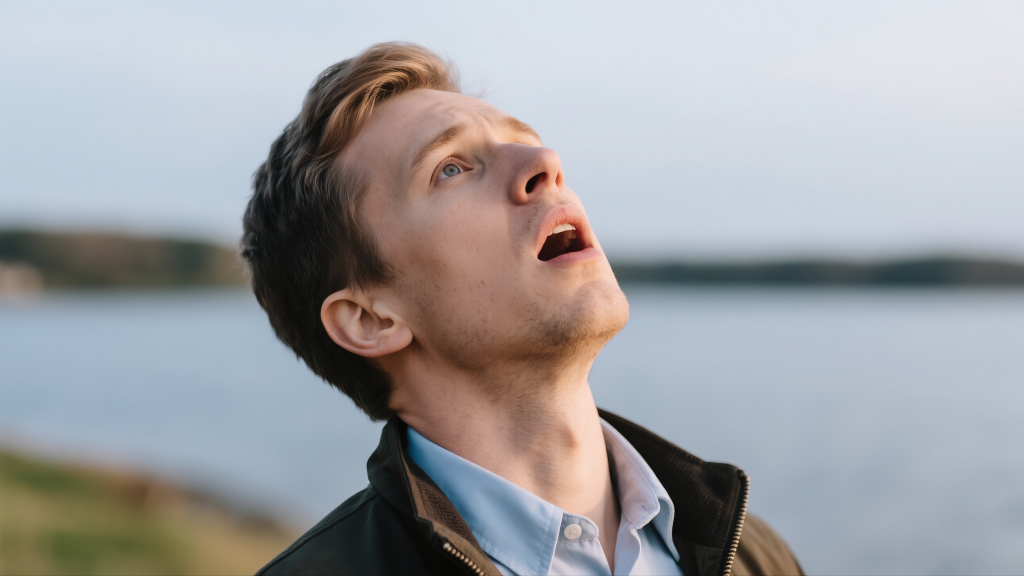
This is why body-based approaches are often more effective than purely cognitive ones in trauma recovery.
You don’t need to analyze every thought.
Simply returning to the breath, again and again, slowly weakens trauma’s grip—without feeding it with fear or rumination.
Sometimes, breathing quietly opens a door you didn’t even know was locked.
How to Slow Your Breathing (Simple and Effective)
Effective breathing doesn’t require complicated techniques. The goal is simple:
slower, deeper breaths—especially longer exhales.
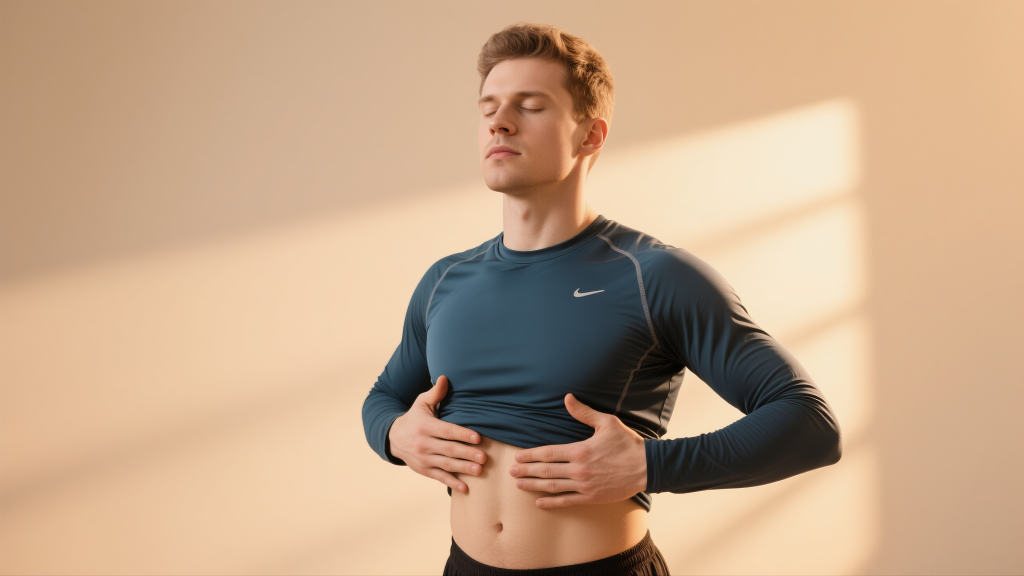
1. Practice Belly Breathing
Most stress breathing is shallow and chest-based.
Belly breathing means:
- Inhale: abdomen expands
- Exhale: abdomen gently contracts
2. Reduce Breathing Frequency
Simply breathing less often helps the nervous system slow down.
Aim for 4–7 breaths per minute, which is considered a calm rhythm.
3. Extend the Exhale
Research shows that longer exhales activate the parasympathetic nervous system more effectively.
Try making your exhale twice as long as your inhale.
4. Stay Relaxed
Don’t turn breathing into another source of pressure.
There’s no “perfect” breath. Consistency matters more than precision.
Treat breathing as a small, pleasant habit—not a task.
Final Thoughts
Since learning about the power of breathing, I’ve practiced it intentionally—especially as someone naturally prone to anxiety. The benefits have been profound.
Most importantly, it changed how I view emotions.
Emotions are not mysterious forces beyond control.
They are bodily signals—and we can respond to them.
Each conscious breath builds a quiet confidence: I can help myself.
The world may feel vast, chaotic, and uncontrollable—but sometimes, peace exists in something much smaller.
One breath.
Then another.
May you remember to breathe—no matter what you’re facing.
And may each breath bring you closer to calm.