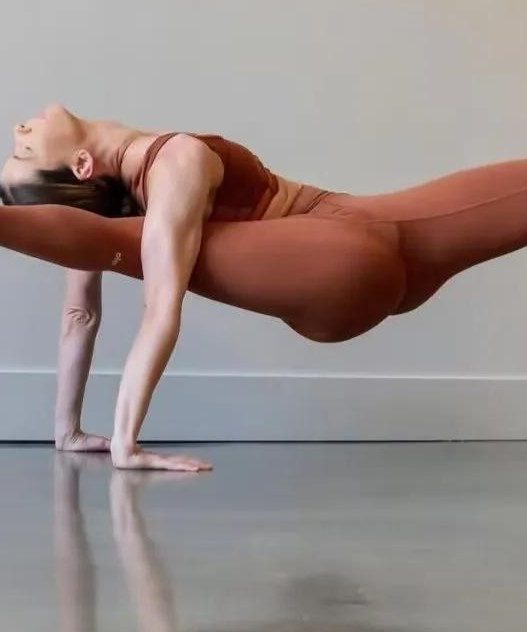






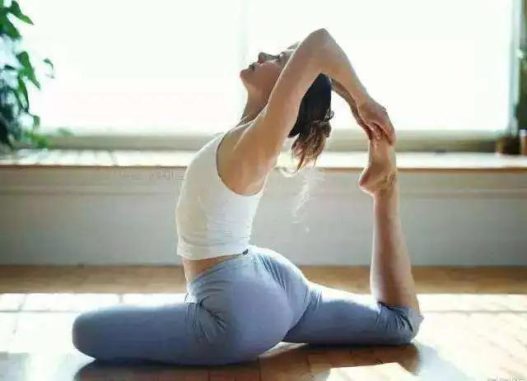
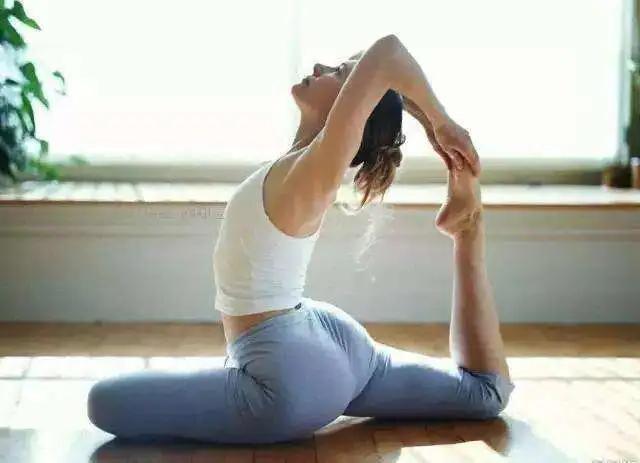
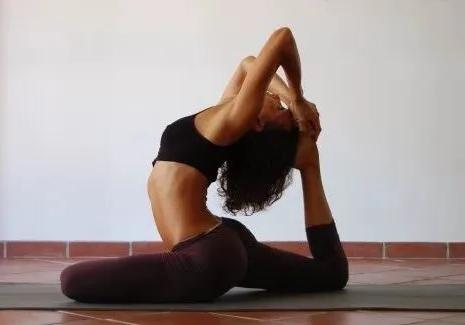
Eka Pada Rajakapotasana, also known as the One-Legged King Pigeon Pose, is an advanced seated yoga posture that deepens your backbends and increases flexibility in your lower body and spine. This pose combines a deep backbend with a hip opener. It targets not only your lower back but also strengthens your core, neck, and shoulders simultaneously.
This posture was formally described in the 20th century by Pattabhi Jois and B. K. S. Iyengar in their respective yoga books.
Pose Type: Seated backbend and hip opener
Also Known As: One-Legged King Pigeon Pose
Strengthens: Core muscles, lower back, pelvis, and shoulders
Stretches: Spine, shoulders, chest, inner thighs, hip flexors, and abdomen 
Benefits of Eka Pada Rajakapotasana
- Improves posture and activates the lower back
- Stretches and lengthens the hip flexors
- Opens the spine, chest, shoulders, and abdomen
- Enhances mobility in the hips and sacral region
- Stimulates energy centers like the throat chakra and sacral chakra
- Increases strength and flexibility in the inner thighs and groin
- Helps relieve back pain, anxiety, stress, and fatigue
- Supports healthy digestion, respiration, and reproductive system function
Preparing for the Pose: Four Key Steps
Before attempting Eka Pada Rajakapotasana, it’s crucial to warm up your muscles to prevent injury. The preparation includes three main steps:
1. Baddha Konasana (Bound Angle Pose)
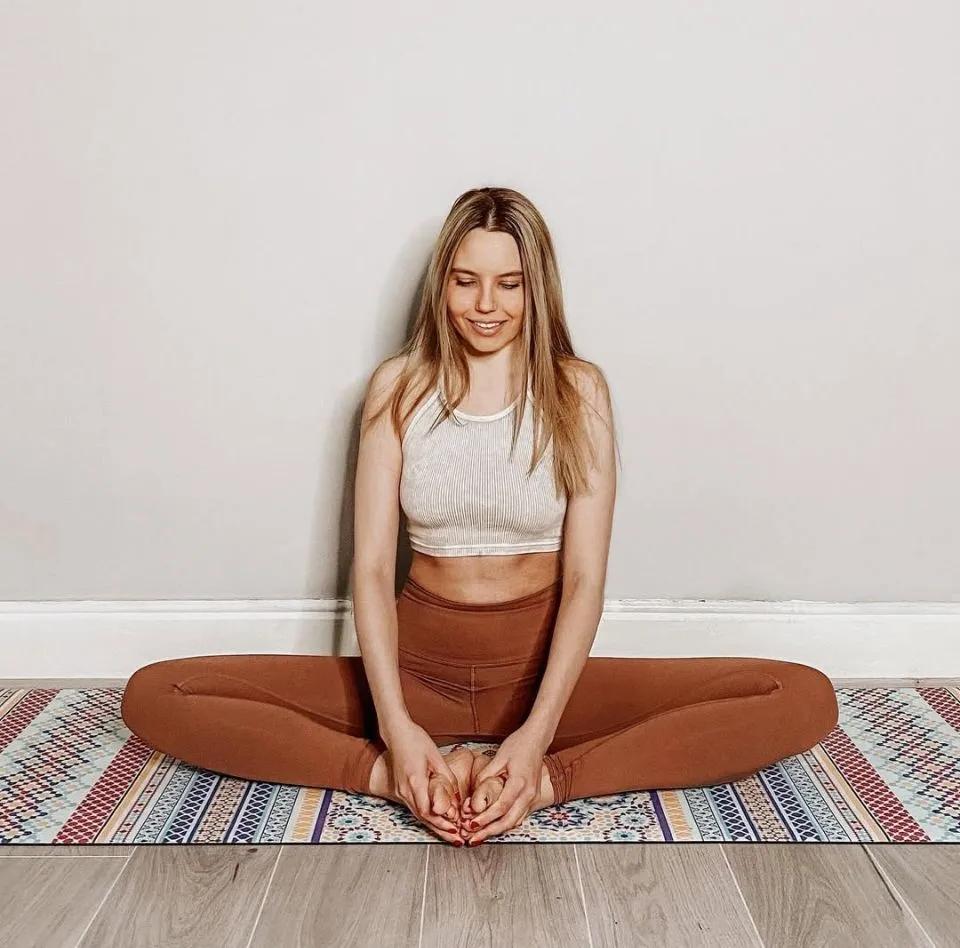
Sit with your feet together, knees bent outward, and hands holding your feet. Keep your spine tall and feel a gentle stretch in the pelvis and inner thighs. Rocking your legs slightly can improve blood circulation in the legs.
2. Salamba Bhujangasana (Sphinx Pose)
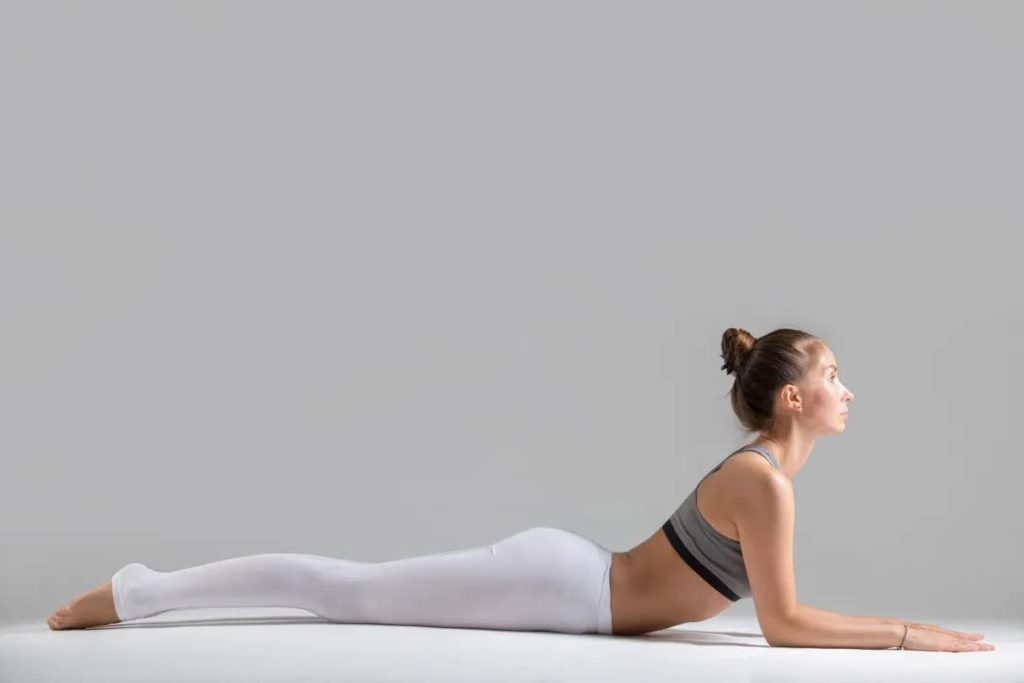
Also called a gentle cobra pose, this backbend warms up the spine, sacrum, and lower back, promoting circulation and flexibility.
3. Preparatory Leg Rotation
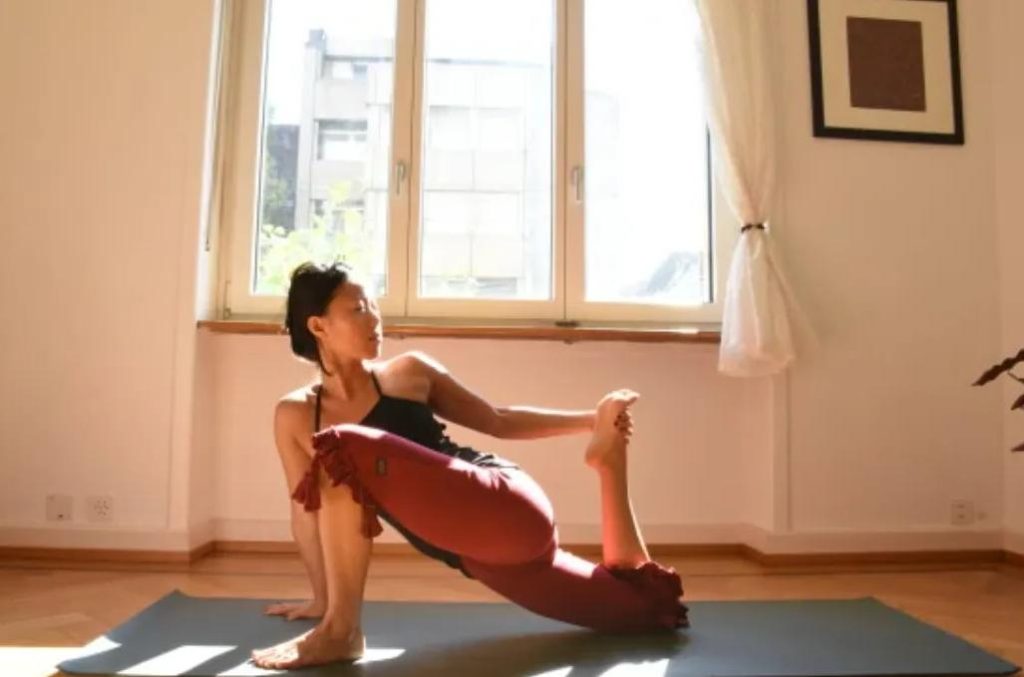
To prepare your arms and legs for the main pose, start in Lizard Pose. Place one leg behind you with the knee on the mat, bend it gently, and twist your spine while looking backward. Grab your foot lightly with your hands to start opening the shoulders and hips.
How to Practice Eka Pada Rajakapotasana
- Begin in Downward-Facing Dog (Adho Mukha Svanasana) and inhale while lifting your right leg.
- Exhale and place the right leg between your hands, ensuring the right knee aligns with the right wrist and the right foot near the left wrist. Extend the left leg behind you, keeping the hips squared and comfortable.
- Inhale to lengthen your spine, exhale to gently arch your lower back into a backbend.
- Bend the left knee, reach back with your left hand, and grab your left foot. Once comfortable, bring both hands to the toes and rotate the elbows toward the ceiling, keeping arms aligned over the head. Try to bring your foot toward your head.
- Beginners: Hold each side for 10–30 seconds
- Advanced practitioners: Hold each side for 60–90 seconds
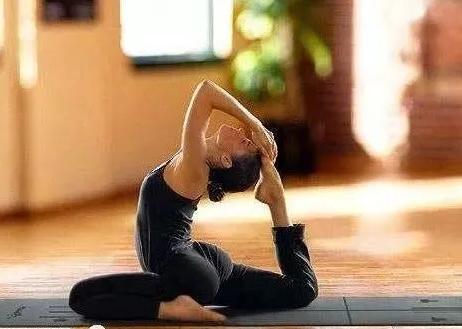
Alignment Tips for Safe Practice
- Engage the core: Helps arch the back and open the chest correctly
- Keep the back leg neutral: Prevents bending of the knee or curling of the foot
- Square the hips: Ensure weight is evenly distributed on both sides
- Relax the lower body: Helps return the spine to a neutral shape after the pose
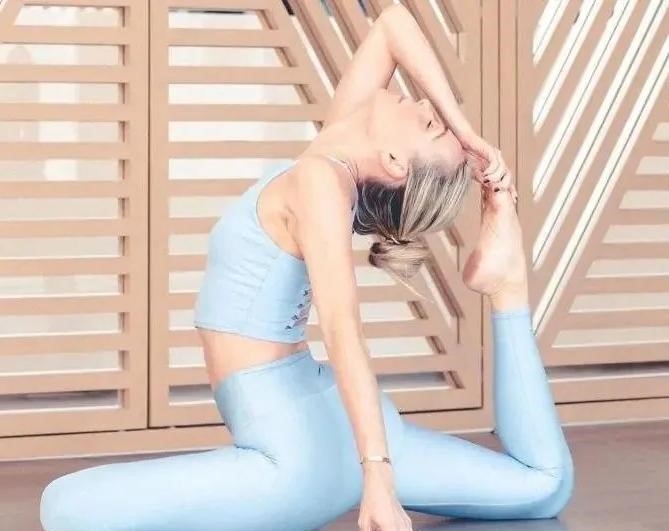
Relaxing After the Pose
Resting Pigeon Pose
Transition to a forward fold over the front leg and take deep breaths to relax.
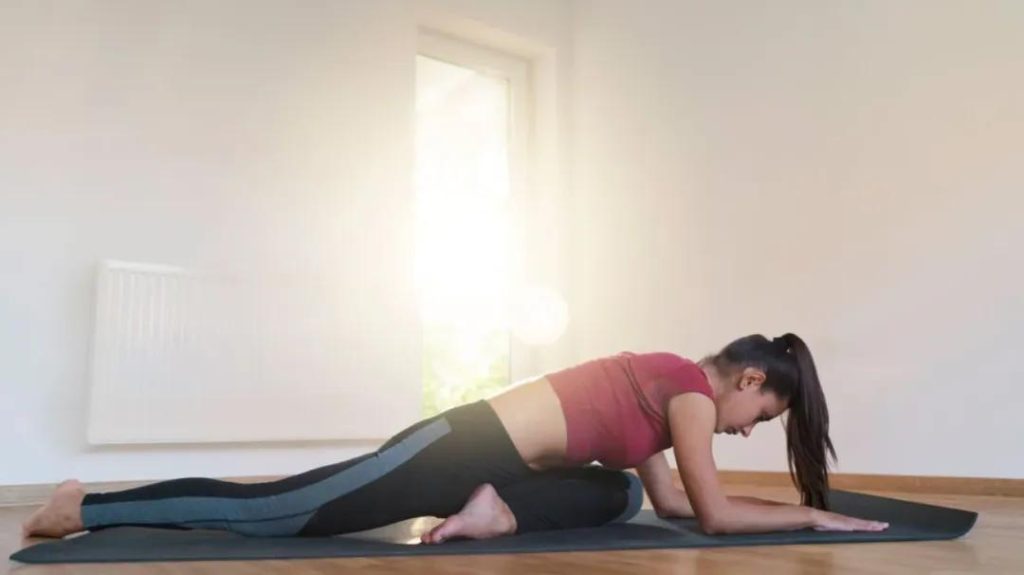
Downward-Facing Dog
Move from the resting pigeon to downward-facing dog to release tension in the core, sacrum, upper body, and hamstrings.
Variations for Different Levels
- Simple Pigeon Pose: Beginner-friendly, can be held before switching sides
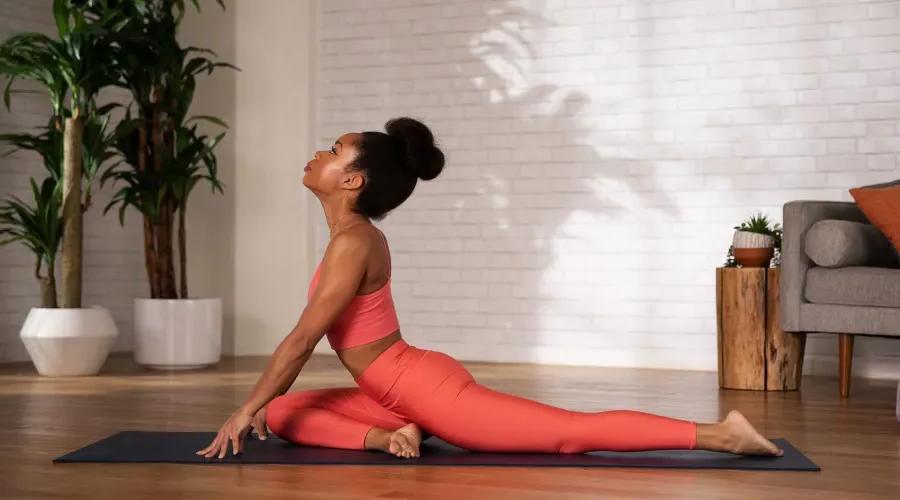
- Mermaid Pose: Builds arm strength and back leg stability to prepare for the full posture
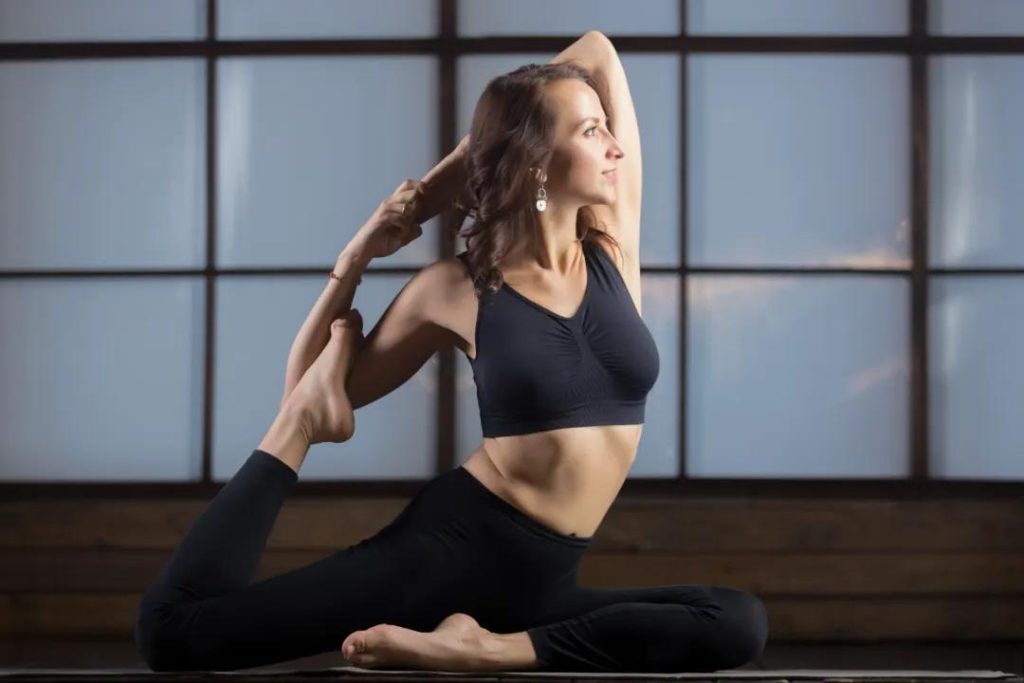
Why This Pose Is Amazing
Practicing Eka Pada Rajakapotasana not only enhances flexibility but also strengthens core muscles and stabilizes the shoulders and hips. It’s a full-body backbend and hip opener that helps release tension, improve posture, and stimulate energy flow throughout the body.
Whether you’re a yoga enthusiast or just starting, incorporating this pose into your routine can make a noticeable difference in strength, flexibility, and overall body awareness.