




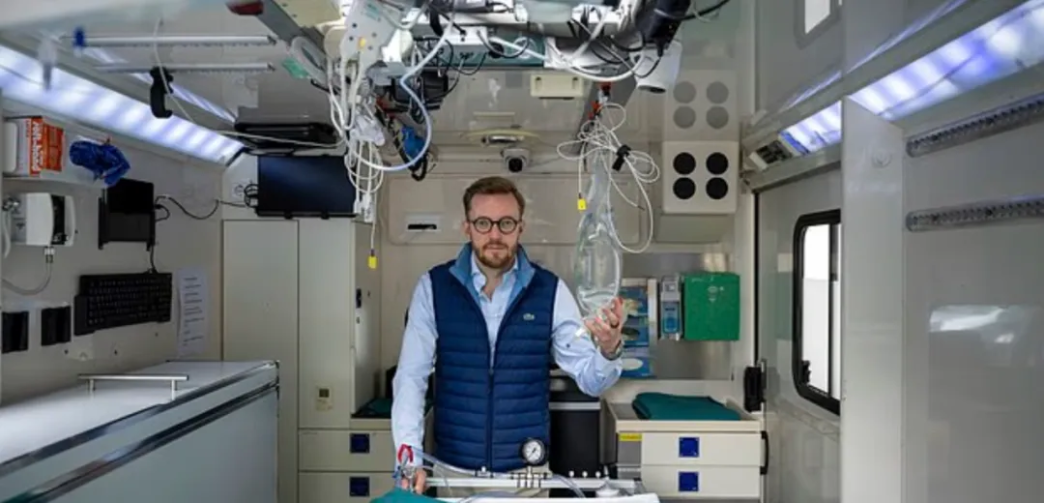
For Mark McAuliffe, losing his beloved cat was not just heartbreaking.
It also pushed him to make a decision that many people would struggle to understand.
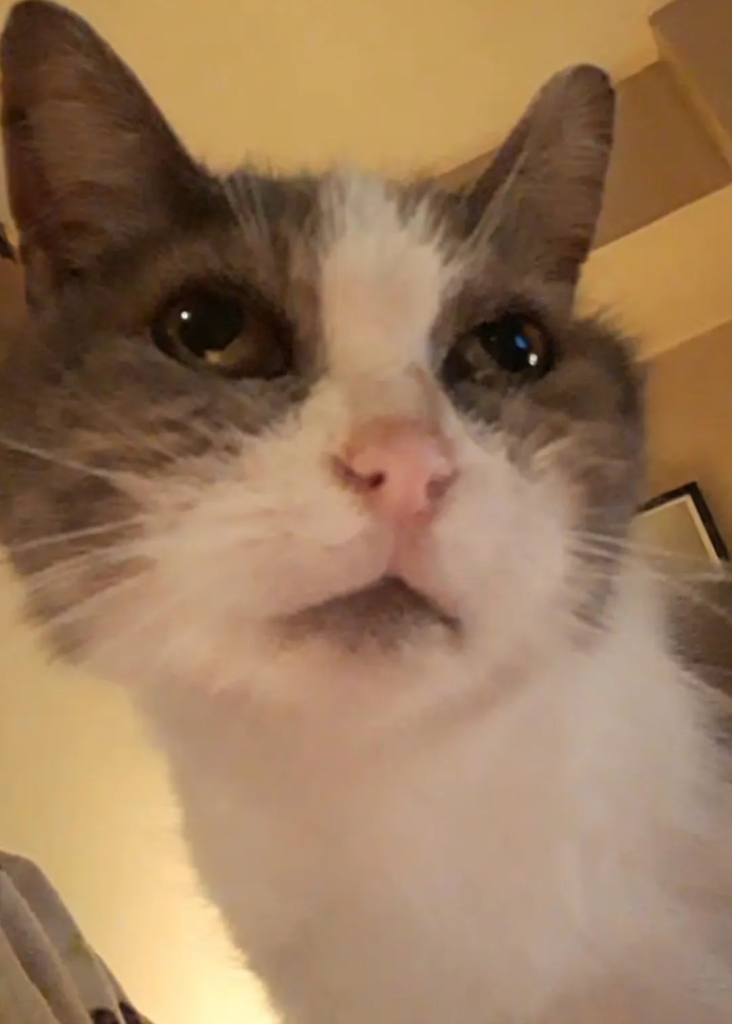
The thirty eight year old man from Newcastle in the United Kingdom chose to have his cat Bonny cryogenically preserved after her death.
The decision caused deep pain, yet also gave him a strange sense of comfort and hope.
Mark does not have a partner or children.
But he has never felt truly alone. 
He shares his home with three cats and a turtle, and he treats them as family.
Among them all, Bonny held a unique place in his heart.
A Bond That Lasted Over Two Decades
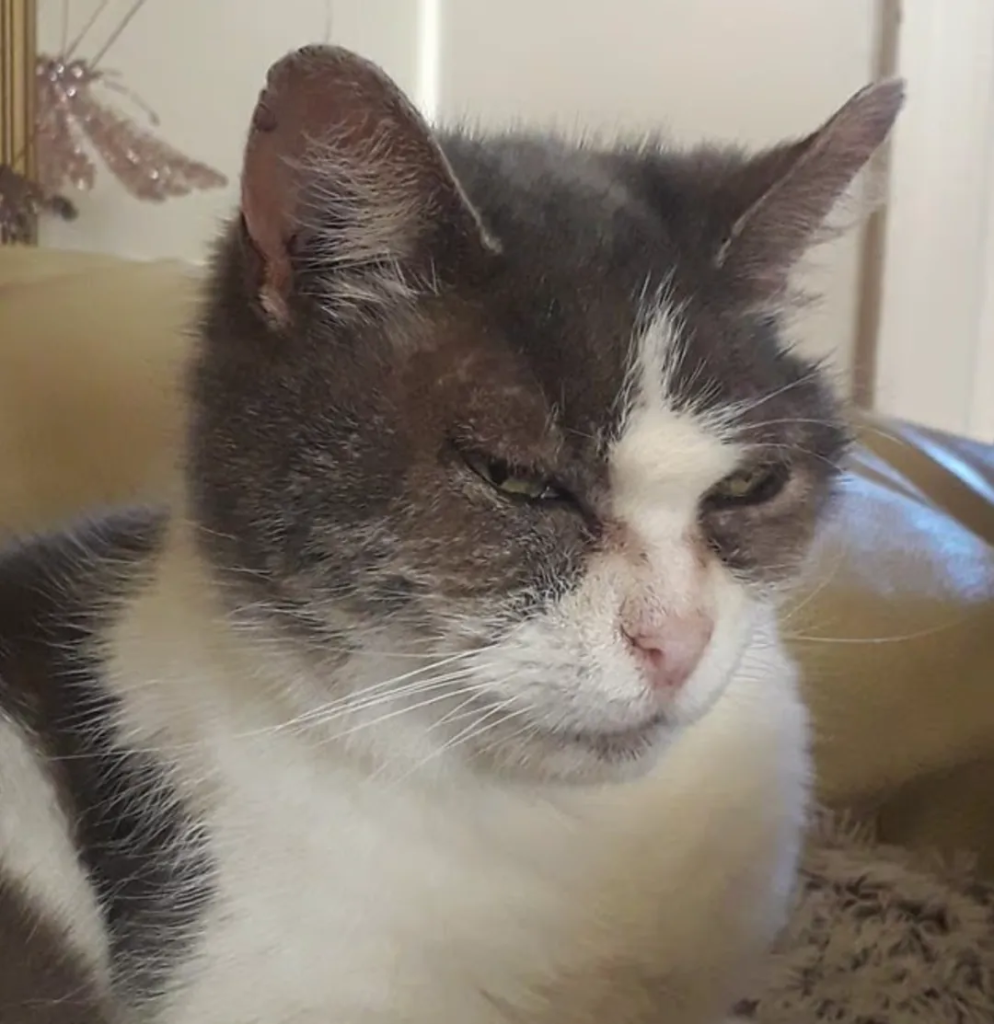
Bonny was a short haired cat Mark adopted when she was only five weeks old.
At the time, Mark himself was just sixteen.
They grew up together.
For twenty three years, Bonny stayed by his side.
From adolescence to adulthood, from joy to disappointment, from excitement to grief, Bonny witnessed every major chapter of his life.
That long companionship created an emotional bond Mark describes as irreplaceable.
In June twenty twenty four, Bonny passed away due to old age and declining health.
Mark says he began to fall apart as soon as doctors confirmed her condition.
He knew what was coming.
And he knew he would not be able to accept it.
Choosing Cryonic Preservation
Even before Bonny died, Mark had already made up his mind.
He wanted to give her a chance to return one day.
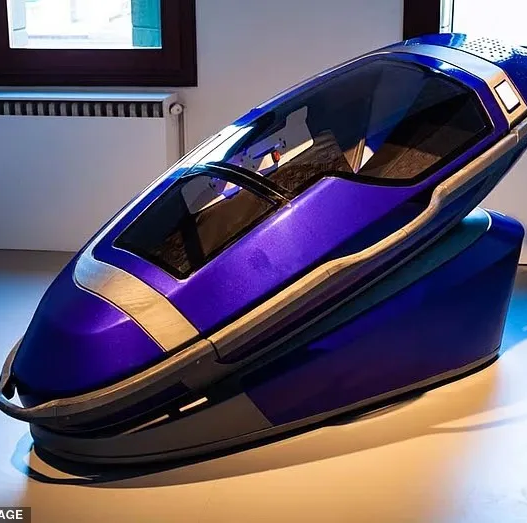
He contacted a German company based in Switzerland that offers cryonic preservation services for both humans and animals.
The company operates under the belief of Cryonics, which views death not as an end, but as a pause in biological activity.
With great care, Mark placed Bonny’s body into a specialized frozen transport container provided by the company.
She was then transported under strict cold chain conditions to Rafz in Switzerland.
There, Bonny was placed in an underground storage facility.
Her body now rests inside a steel vacuum insulated container filled with liquid nitrogen at minus one hundred ninety six degrees Celsius.
In theory, this environment allows biological tissue to be preserved for an extremely long time.
Not the Only One Waiting
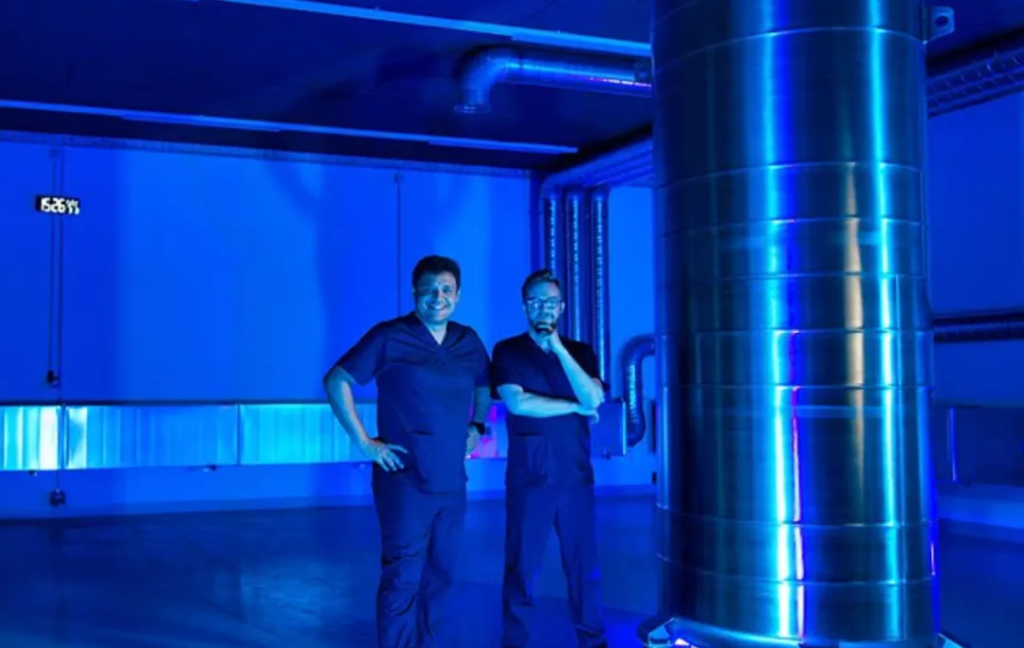
Bonny is not alone in the facility.
Alongside her are the preserved bodies of five humans, fifteen human brains stored separately, two dogs, and eight cats including Bonny.
Worldwide, around eight hundred people have already signed contracts with the company.
Some of them have planned their preservation after death.
Mark is one of them.
The cost of preserving Bonny came to fifteen thousand six hundred pounds.
That is roughly one tenth of the price required to preserve a full human body.
Mark says he felt no hesitation at all.
He had been considering buying furniture at a similar price.
But furniture could never compare to Bonny.
Planning for the Future Together
Mark has been honest about one thing.
Among all the pets he has owned, Bonny is the only one he would ever choose to preserve this way.
He admits he could not bear the idea of waking up one day and seeing many former pets revived together, like animals returned to life inside a shelter.
His wish is simple.
When his own life ends, he wants to be preserved alongside Bonny.
To make that possible, Mark purchased a life insurance policy.
The beneficiary is the cryonics company itself, ensuring the funds will be used to preserve his body after death.
Whether driven by hope, love, or faith in future science, Mark genuinely believes there may come a day when he and Bonny can exist together again.
Science, Ethics, and Controversy
The concept of cryonic preservation remains highly controversial.
For many critics, the idea of freezing bodies while waiting for future revival belongs in science fiction films or novels.
They argue there is no guarantee such technology will ever work.
Others go further, calling it a business that profits from grief.
In their view, it turns the pain of losing loved ones or pets into a commercial product, raising serious ethical concerns.
Yet supporters see something else.
If people like Mark can afford the service, and if it brings even a small measure of peace, hope, or emotional relief, then perhaps it serves a purpose.
Even if revival never happens, the belief itself can function as a kind of psychological comfort.
For Mark, that comfort is real.
And for now, it allows him to imagine a future where goodbye does not have to mean forever.