





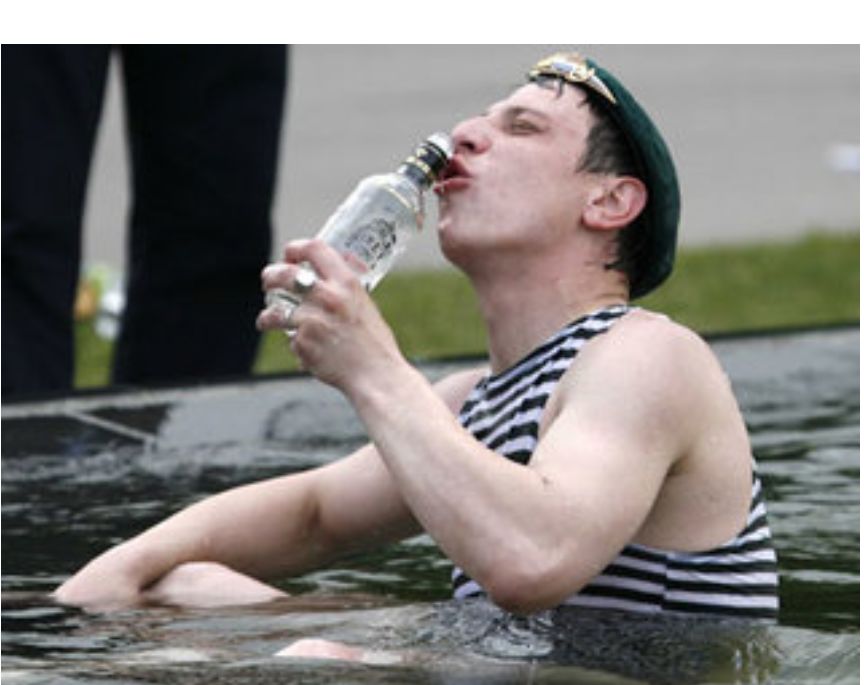
When people think of Russian drinking culture, the immediate image is often of vodka being consumed straight from the bottle by hardy “fighting” men. While alcohol does play a significant role in Russian social life, the reality is far more nuanced, historical, and surprisingly creative. From unexpected origins of favorite spirits to inventive drinking rituals and even dangerous substitutes during prohibition periods, Russian drinking culture reveals a fascinating story of adaptation, tradition, and national character. Let’s look beyond the stereotype and explore what really happens when Russians raise their glasses.

Historical Surprises: The True Origins of “Russian” Spirits
Vodka’s Unexpected Birthplace
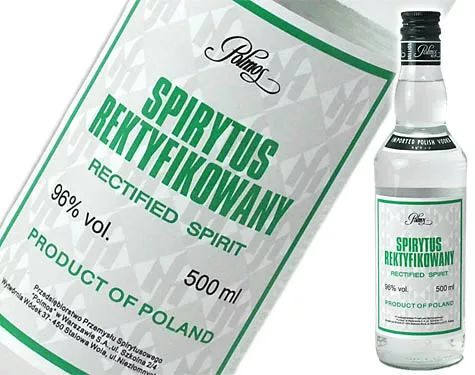
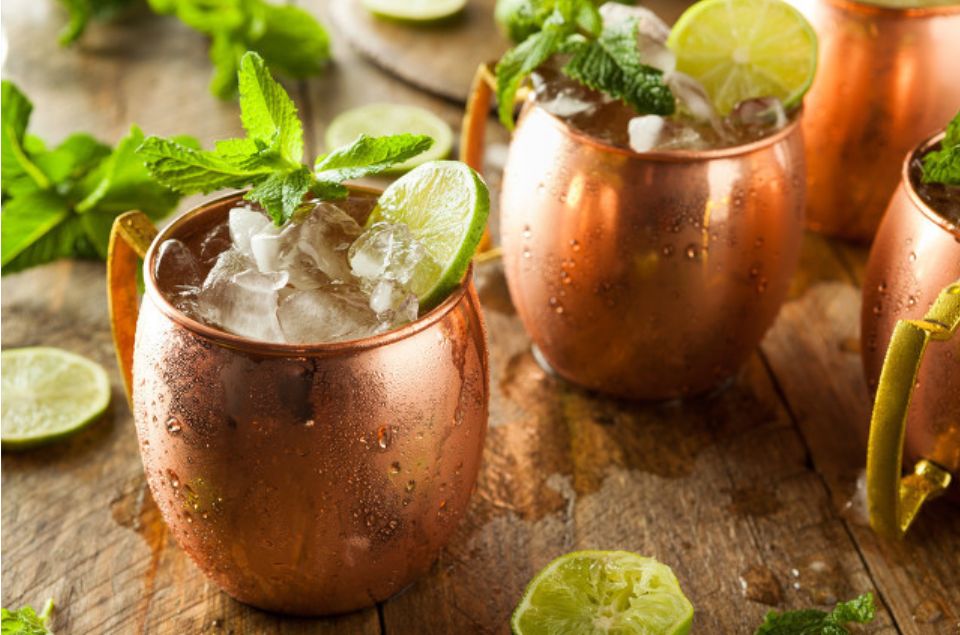
Contrary to popular belief, vodka—the spirit most closely associated with Russia—actually originated in Poland. The famous 96% ABV “Spirytus” that occasionally sells out online? That’s Polish. Even the globally recognized Absolut Vodka hails from Sweden. As for the “Moscow Mule” cocktail? Many Russians consider it an American invention that simply uses vodka as an ingredient. This historical correction invites us to question what truly defines Russian drinking culture beyond imported labels.
Adaptation Through Innovation: The Potato Solution
Traditional spirits are typically made from grains like barley, wheat, or rye. However, Russia’s harsh climate made growing these grains challenging. True to their resourceful reputation, Russians innovated by using potatoes as a base for distillation. This adaptation not only solved a practical problem but also created a distinctly Russian approach to spirit production that continues today. 
The Eternal Struggle: Russia’s Complicated Dance with Prohibition
Creative Regulations and Evasions
Russian authorities have implemented various restrictions to control alcohol consumption. Historically, sales were prohibited after 10 PM, leading supermarkets to rope off alcohol sections and smaller stores to literally lock their liquor cabinets. The result? Long queues forming before the cutoff time. While outdoor drinking is now banned and Trans-Siberian Railway officials prohibit strong alcohol on trains, inventive drinkers simply transfer vodka into water bottles. Even vendors at station stops participate, hiding alcohol among smoked fish and bread.

From Government Measures to Personal Rituals
The struggle extends to the highest levels. During the Soviet era, officials reportedly created special thickened glasses for Nikita Khrushchev to reduce his consumption per pour. Meanwhile, military traditions like the “star washing ceremony”—where promoted soldiers must drink a glass with their new rank’s star inside—show how drinking rituals are woven into institutional life.
When Drinking Turns Dangerous: The Dark Side of Prohibition
The Era of Dangerous Substitutes
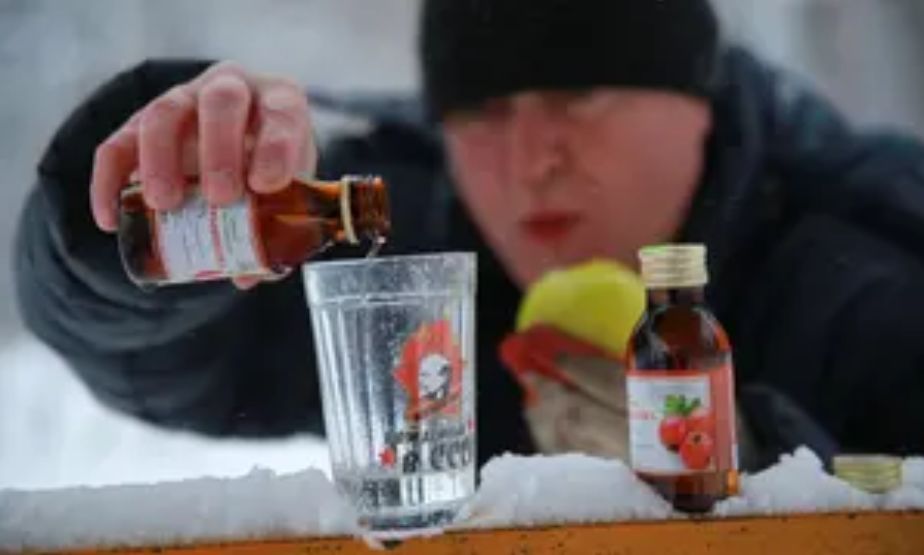
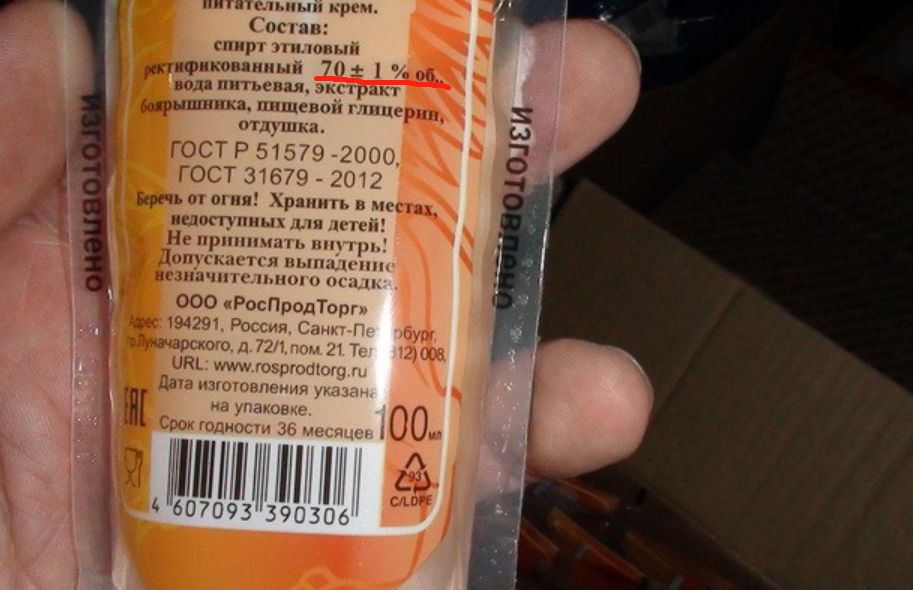
During strict prohibition periods, some Russians resorted to drinking antifreeze, perfume, and aftershave. A common method involved pouring perfume over a knife blade into a glass, allowing the fragrance to evaporate and leaving behind the alcohol content. Even bath products marketed as cosmetics but containing alcohol were consumed as cheap substitutes, leading to tragic mass poisonings in 2016 when methanol was added to these products. These desperate measures highlight the complex challenges of regulating Russian drinking culture.
Beyond Vodka: The Diverse Landscape of Russian Beverages
A World of Other Drinks
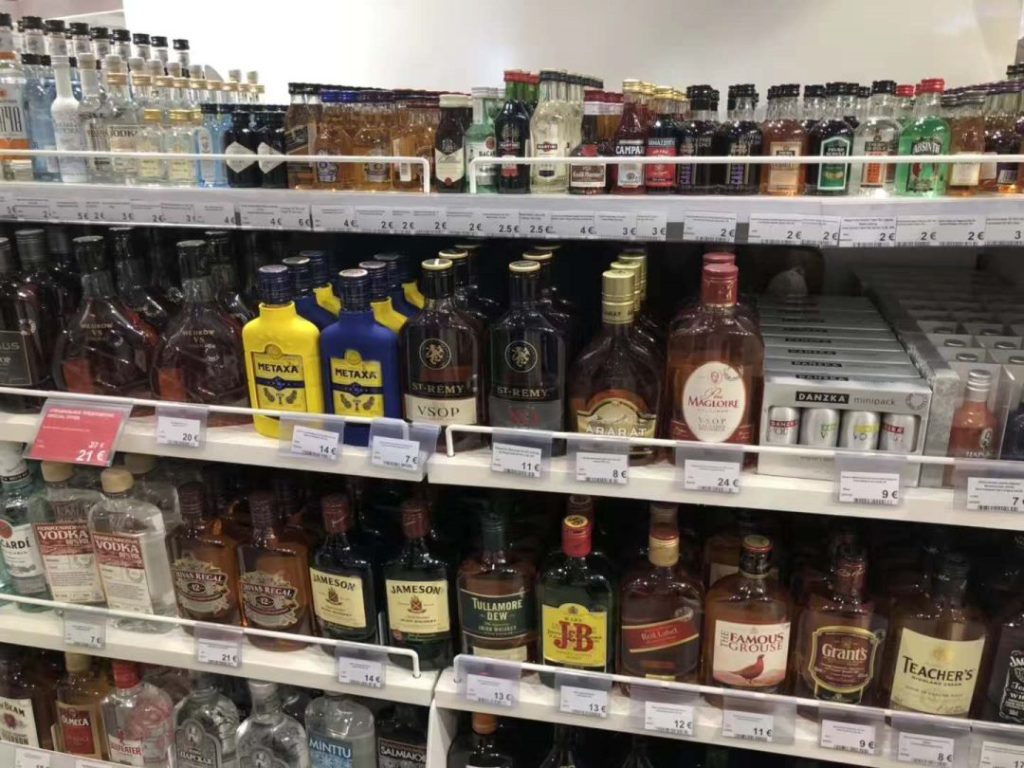
While vodka dominates the stereotype, Russians enjoy a diverse range of beverages. Georgian wines, traditional medovukha (honey wine) from Suzdal, “Soviet” brand champagne, and various gins all find their place on Russian tables. This diversity shows that Russian drinking culture is more sophisticated than the single-spirit caricature suggests.
The Curious Case of Russian Beer
Here’s a fascinating fact: until January 1, 2013, beer in Russia was officially classified as a “soft drink” rather than an alcoholic beverage if it contained less than 10% alcohol. This legal classification helps explain why beer occupies a different cultural space—often consumed more casually and in larger quantities than spirits.
Unique Drinking Customs: No “Bar Snacks” Here
The Russian Approach to Food Pairings
Unlike many cultures that emphasize food with drinks, traditional Russian drinking culture often prioritizes the alcohol itself. The concept of “bar snacks” or substantial food pairings is less emphasized. It’s not uncommon to see Russians drinking with minimal accompaniments—perhaps just a piece of sausage, pickled vegetables, or even salo (cured pork fat). The drink takes center stage, with food serving as occasional punctuation rather than a balanced partner.
Understanding the Bigger Picture
More Than Just Drinking
Russian drinking culture cannot be separated from the country’s social fabric, historical challenges, and climate. The long, dark winters; historical hardships; and communal traditions all contribute to alcohol’s prominent role. However, reducing this complex relationship to mere stereotype ignores the creativity, tradition, and social nuances that make it truly fascinating.
A Mirror to Society
Like any national tradition, Russia’s approach to alcohol reflects broader societal values—resilience, community, celebration of small victories, and coping with challenges. From military promotion rituals to creative evasions of prohibition, each aspect tells a story about how people navigate their circumstances.
By looking past the simplistic “vodka shots” image, we discover a rich tapestry of history, innovation, regulation, and adaptation. Russian drinking culture isn’t just about consumption—it’s about how a nation has historically related to celebration, struggle, community, and control. Whether through potato-based innovation during grain shortages or the reclassification of beer as a soft drink, each element reveals something unique about Russian resourcefulness and social life.