




Fibula graft surgery saved a young girl’s arm from amputation through a bold and life-changing medical decision.
When Karanja, a pediatric orthopedic surgeon at the Aga Khan University Hospital, faced his own daughter’s illness, medical knowledge offered little comfort.
At the age of four, his daughter was energetic and playful. One ordinary day at a playground, she slipped from a slide and injured her left arm. The family assumed it was minor. A local clinic applied a cast, and life seemed ready to move on. 
But when the cast came off weeks later, something was wrong.
A Swelling That Would Not Fade
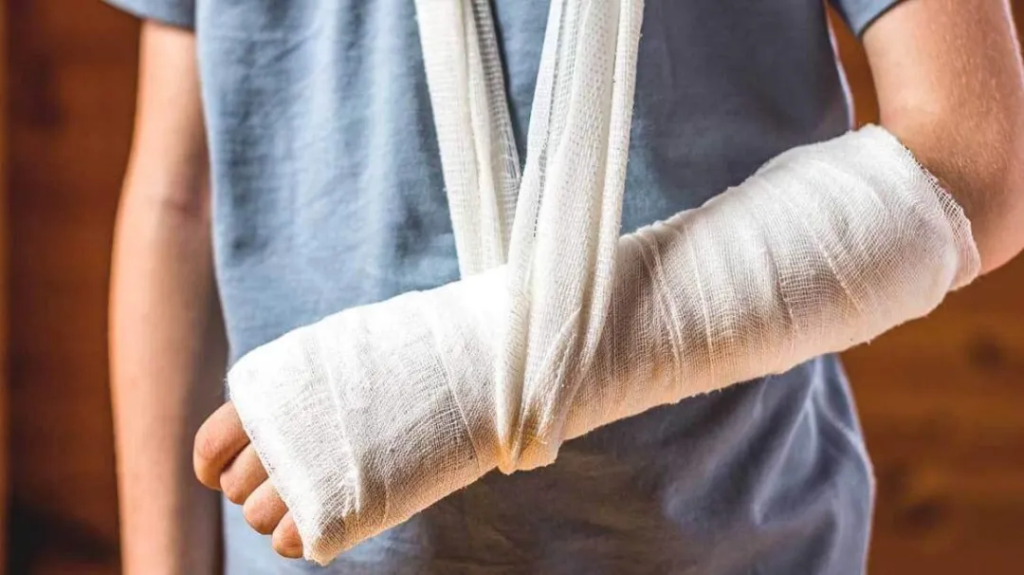
The swelling in her arm did not go down. Doctors initially reassured the family that recovery simply needed more time. Reality proved far more unsettling.
Over the next several months, even the smallest bump caused her arm to swell dramatically. Each episode looked worse than the last. The arm appeared distorted and frightening.
A second round of hospital tests revealed a deeper issue. This was not a simple fracture. A cavity inside the bone was expanding, raising the terrifying possibility of bone cancer.
A Diagnosis That Brought Relief and Fear
Doctors strongly advised a biopsy. After an agonizing wait, the results arrived.
It was not cancer.
The condition was diagnosed as fibrous dysplasia, a benign bone disease. However, its growth pattern was aggressive. It gradually replaces healthy bone with weaker tissue and can destroy surrounding structures.
The family felt relief, but it did not last long. Observation alone changed nothing. The swelling persisted, and the bone continued to weaken.
An Amputation No Parent Could Accept
Karanja’s wife trusted her instincts. Waiting was no longer an option. She took their daughter to a specialist hospital far from home in Nairobi.
The new doctors offered a treatment plan. It was devastating.
They insisted surgery would not help. Amputation of the entire arm was, in their view, the only solution.
“She cannot live like this,” they warned repeatedly. “Any pressure could cause the bone to break. Amputation would be better for her future.”
For a four-year-old child, that future felt unbearably altered. The parents refused to accept it. They searched for alternatives. One major hospital agreed surgery was possible, but lacked the required implants.
Hope was fading.
An Unthinkable Surgical Idea
Then came a proposal no one expected.
Another medical team suggested replacing the diseased arm bone with a healthy bone from the child’s own leg.
By this point, the swelling had spread across her entire forearm. Her case was reviewed by a multidisciplinary team. They unanimously rejected amputation. It would cause irreversible harm.
Instead, they designed a bold solution. Remove the diseased bone entirely. Replace it with a segment taken from her leg.
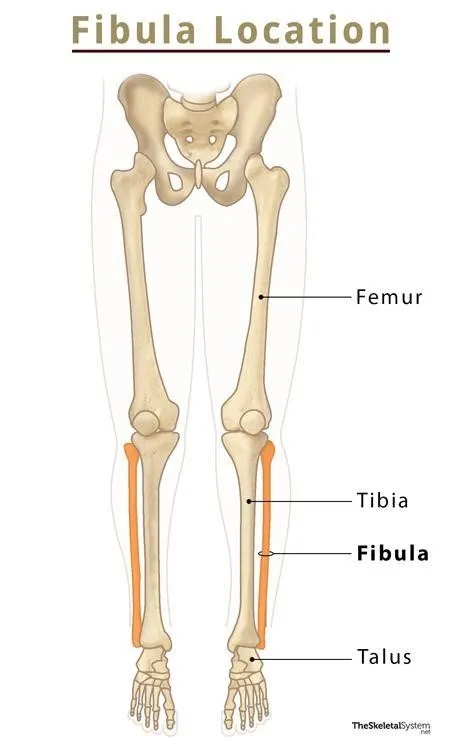
The donor bone would be the fibula.
Why the Fibula Was Chosen
The fibula works alongside the tibia to form the lower leg. Its primary roles involve stabilizing the ankle and supporting muscle attachment. Most weight-bearing tasks are handled by the tibia.
Because of this, removing part of the fibula typically does not prevent walking, running, or jumping.
The team had never attempted this exact procedure before. Even so, they believed the chances of success were high.
Risks No One Could Ignore
The risks were serious.
There could be bleeding or infection. Nerves or blood vessels might be damaged. Severe pain and joint stiffness were expected after surgery. If the diseased bone was not fully removed, recurrence was possible. Excessive bone removal could permanently limit arm growth.
Yet compared with lifelong disability, this was the best option.
After a brief but emotional discussion, Karanja and his wife signed the consent forms.
A Four-and-a-Half-Hour Gamble
The surgery went ahead with meticulous preparation. X-rays were used to calculate the exact bone length required. A matching segment of fibula was carefully harvested from the leg.
Surgeons entered through the back of the arm. They protected critical nerves and removed the swollen diseased bone while preserving the growth plate. The fibula segment was implanted into the arm and secured with metal plates and screws.
The reconstructed arm was stable. The operation lasted four and a half hours.
Recovery Beyond Expectations
Recovery was remarkably smooth.
The child was discharged the next day. After one month in a cast, she began gentle movement. Within six months, she returned to normal daily activity.
One year later, the bone had fully healed. Doctors removed the metal plates.
A Miracle Eight Years Later
Today, she is eight years old.
Her left arm functions normally. Both arms are the same length. She experiences no pain. There are no signs of recurrence.
Watching her move freely, Karanja struggles to describe his emotions.
“This feels like a miracle,” he says.
The slender fibula that once supported her body has now supported her future.