





In 2021, during a televised interview, celebrated Indian chef Vikas Khanna made a statement that resonated across the nation: “Indian food isn’t just food—it’s 5,000 years of science, philosophy, and lifestyle. No other cuisine in the world has this depth. When Westerners call butter chicken ‘curry,’ they’re erasing our civilization.” This declaration, met with millions of supportive comments and chants of “Jai Hind!” (Victory to India), captures a sentiment deeply ingrained in modern Indian society. But where does this unshakable confidence in Indian cuisine pride originate, and how has it evolved into a powerful cultural force? Let’s explore the fascinating journey of how Indian food transformed from daily sustenance to a symbol of national identity and global ambition.

From Colonial Resistance to Culinary Nationalism: A Historical Evolution
The Post-Independence Era: Rejecting Colonial Influence
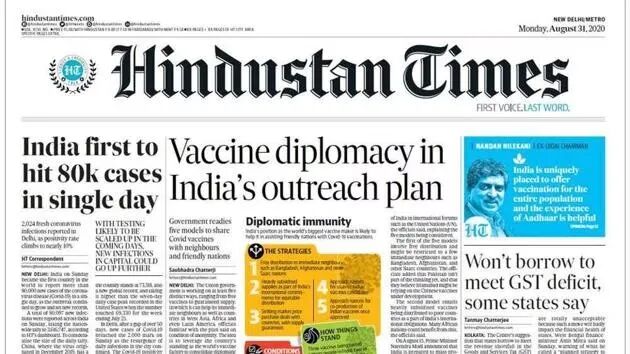
Following India’s independence in 1947, newspapers like The Times of India began critiquing British colonial food habits—such as afternoon tea with biscuits—as “colonial remnants,” advocating instead for a return to indigenous grains and spices. This early narrative was defensive and inward-looking, emphasizing “our food belongs to us” rather than claiming superiority over others.
Economic Liberalization and Global Ambition
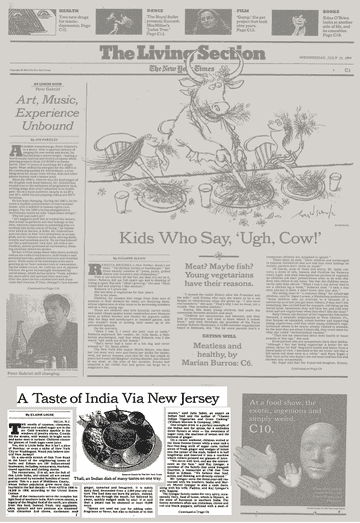
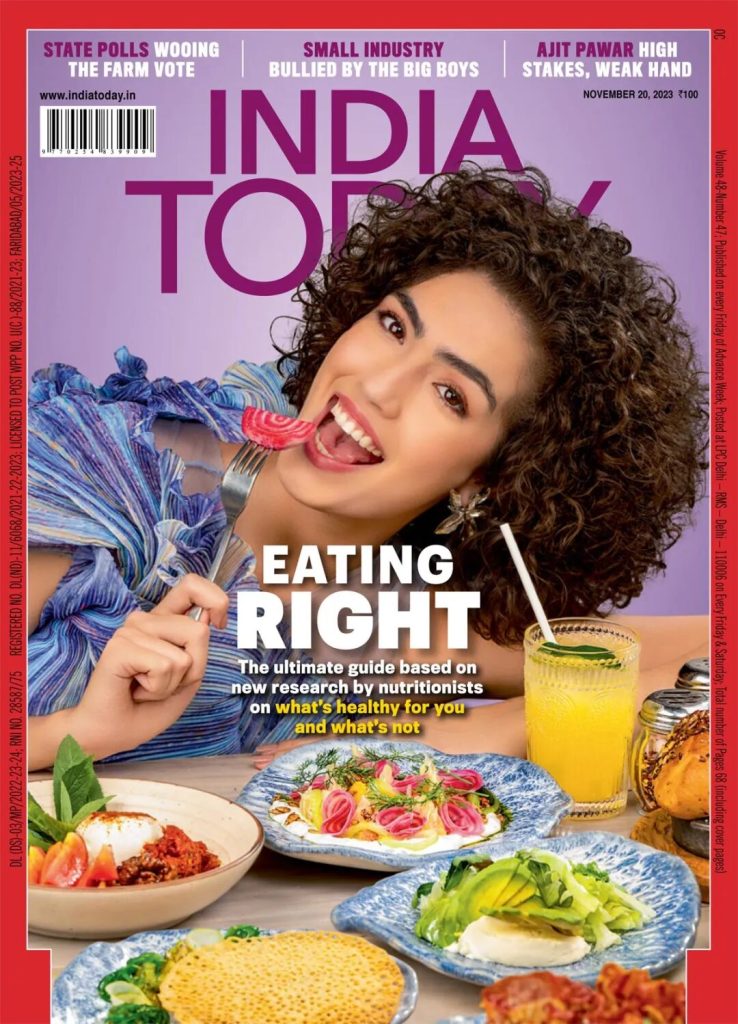
The true shift toward culinary nationalism began after India’s 1991 economic reforms. As India embraced globalization, media narratives transformed. In 1995, India Today magazine published a special feature titled “The Taste of India,” presenting regional specialties like Kerala’s coconut-based curries and Bengal’s mustard fish as symbols of national diversity. This marked the beginning of using cuisine to project India’s soft power internationally. 
The Digital Age and Diaspora Influence
With the rise of Indian professionals in global tech hubs like Silicon Valley during the 2000s, media began celebrating the international acceptance of Indian food as a marker of national success. Articles highlighted London’s popular Dishoom restaurants as evidence that “the world is finally understanding our flavors.”
Political Culinary Narratives: When Food Becomes Policy
The Modi Era and Strategic Nationalism
Since 2014, under Prime Minister Narendra Modi’s administration, culinary discourse has increasingly aligned with nationalistic policies like “Make in India” and “Indian Narrative.” Government initiatives have strategically positioned food as a tool of cultural diplomacy:
- The “Indian Kitchen Project”: A 5 billion rupee initiative to establish culinary centers in 100 global cities
- “Indian Food Culture Corners”: Cooking philosophy programs at embassies worldwide
- Official “Culinary Heritage Lists”: Government-curated registries of traditional dishes
A 2022 Indian Ministry of External Affairs “Culinary Diplomacy White Paper” explicitly described curry as “a core vehicle of national soft power,” claiming that “the complexity and inclusivity of Indian food reflects India’s democratic spirit.”
The G20 Summit: Culinary Diplomacy on Display
During India’s 2023 G20 presidency, the “Taste of India” state dinner became a carefully orchestrated presentation of culinary nationalism. Each dish carried philosophical interpretations:
- Butter Chicken: “Symbolizing abundance and sharing”
- Masala Dal: “Representing Indian farmers’ resilience”
- Mango Lassi: “Embracing tropical civilization’s sweetness”
External Affairs Minister S. Jaishankar told the BBC: “Masala is our soft power nuclear weapon. While the West conquers the world with movies, we warm hearts with spices.”
Media, Social Networks, and the Rise of Culinary Patriotism
From Discussion to Dogma
Early internet forums like IndiaMike featured debates about regional preferences—North versus South Indian cuisine—without claims of civilizational superiority. However, the rise of social media platforms like Facebook, Twitter, and apps has transformed culinary discourse into increasingly polarized territory.

Case Studies in Culinary Controversy
- 2016: A British food blogger’s comment about “oily Indian takeaway” sparked the first major #Boycott campaign
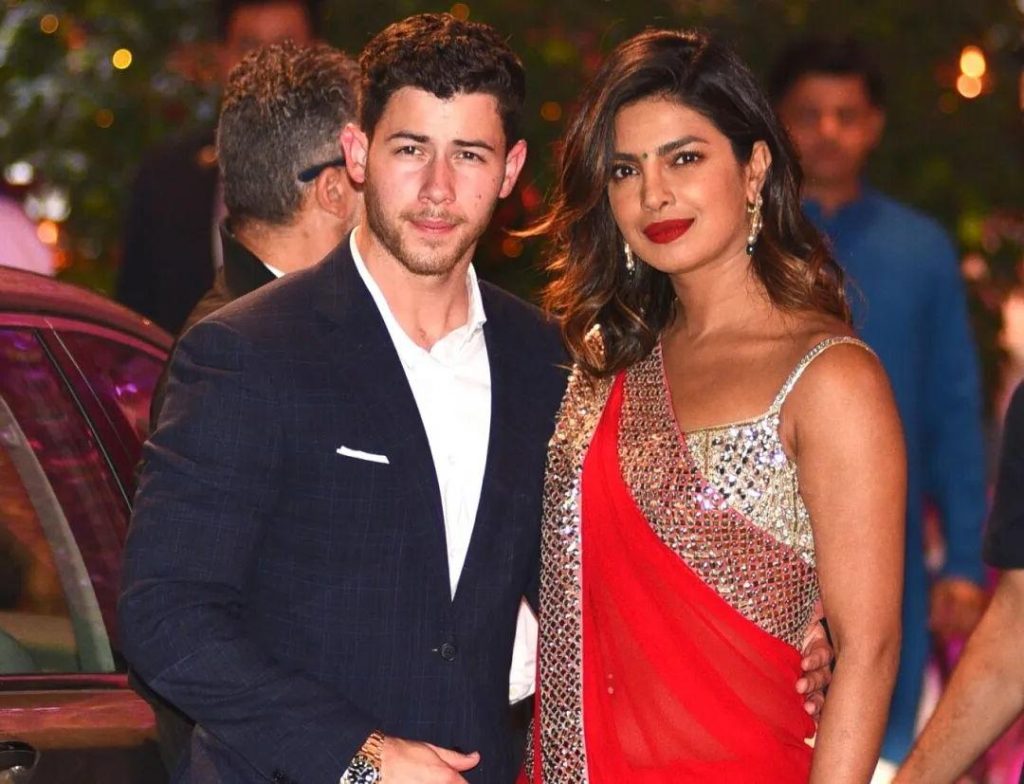
- 2021: Actress Priyanka Chopra faced massive backlash after expressing discomfort with heavily spiced street food during an India visit
- 2022: Indian-American writer Priya Patel was forced to apologize after noting that Mumbai’s food seemed saltier than she remembered
- 2023: Celebrity chef Jamie Oliver triggered #BoycottJamie trends for suggesting some British-Indian curries were high in oil and sugar
The Social Media Dynamic
Online discourse increasingly follows a troubling pattern: criticism of Indian food = criticism of India = attack on Indian people. Common refrains include:
- “If you don’t like Indian food, leave India!”
- “True Indians never question our food.”
- “Westerners eat Indian food as novelty—they’ll never understand its philosophy.”
This “zero-tolerance” environment, amplified by algorithms that reward engagement over nuance, has created a landscape where moderate voices are drowned out by extreme positions.

The Complex Reality Behind the Confidence
Historical and Cultural Foundations
The confidence in Indian cuisine has legitimate roots in:
- Ancient culinary traditions documented in historical texts
- Remarkable regional diversity across India’s states
- Sophisticated spice science developed over millennia
- Successful global adaptation from London to Singapore

Strategic Considerations
The promotion of Indian cuisine pride serves multiple purposes:
- Domestic Unity: Creating shared cultural pride in a diverse nation
- Global Positioning: Establishing India’s cultural influence worldwide
- Economic Opportunity: Supporting India’s food and hospitality industries
- Diaspora Connection: Maintaining cultural ties with overseas communities
Navigating Culinary Nationalism in Global Context
Balancing Pride with Perspective
While celebrating India’s culinary achievements is natural and positive, the current discourse raises important questions:
- How does extreme culinary nationalism affect honest culinary criticism and improvement?
- What happens when food becomes so politicized that it loses its primary purpose—nourishment and enjoyment?
- How can India share its culinary heritage without demanding unquestioning admiration?

The Way Forward
A more sustainable approach to Indian cuisine pride might involve:
- Celebrating diversity within Indian food traditions
- Encouraging open discussion about adaptation and evolution
- Recognizing that global appreciation doesn’t require claims of superiority
- Separating cultural pride from political agendas
Understanding India’s Culinary Consciousness
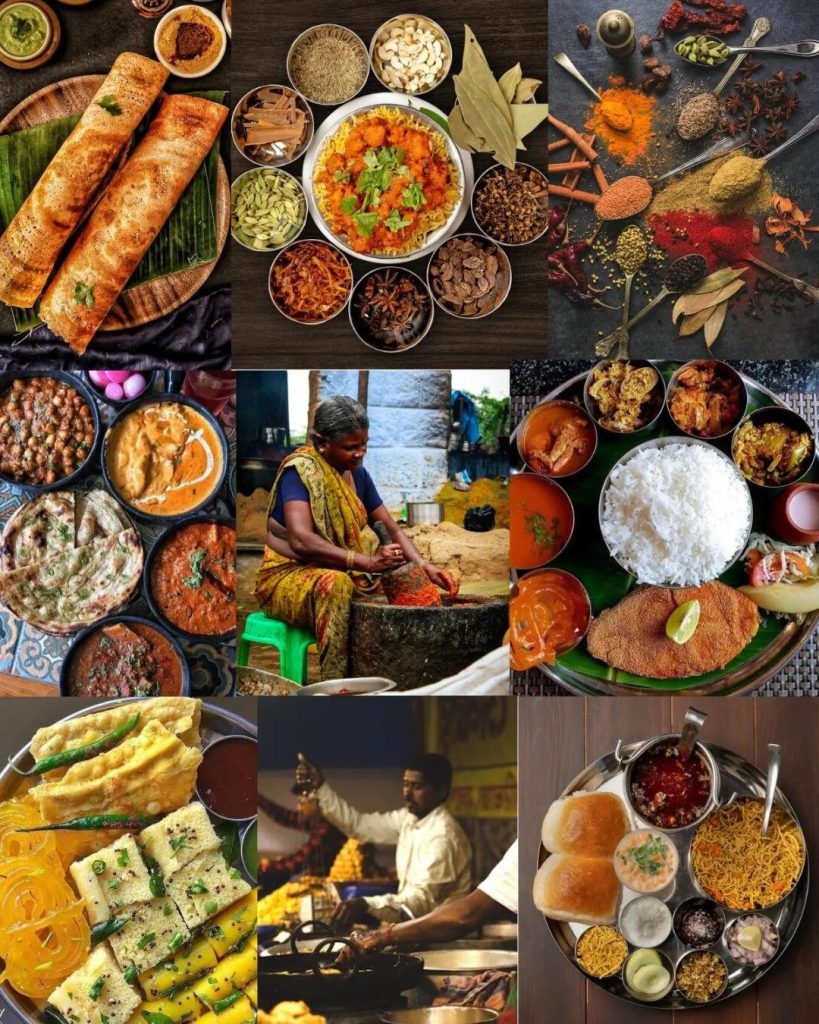
The story of Indian cuisine pride is more than just about food—it’s about a nation navigating its place in the world, balancing ancient traditions with modern ambitions, and using culinary heritage as both comfort and calling card. From street vendors to state dinners, from social media debates to diplomatic initiatives, food has become a powerful lens through which India expresses its identity, asserts its values, and claims its space on the global stage.
Whether this culinary confidence represents genuine cultural conviction, political strategy, social media phenomenon, or some combination of all three, one thing is clear: in today’s India, what’s on the plate is never just about what’s on the plate. It’s about history, identity, politics, and the complex, spicy, sometimes contentious process of defining what it means to be Indian in the 21st century.